
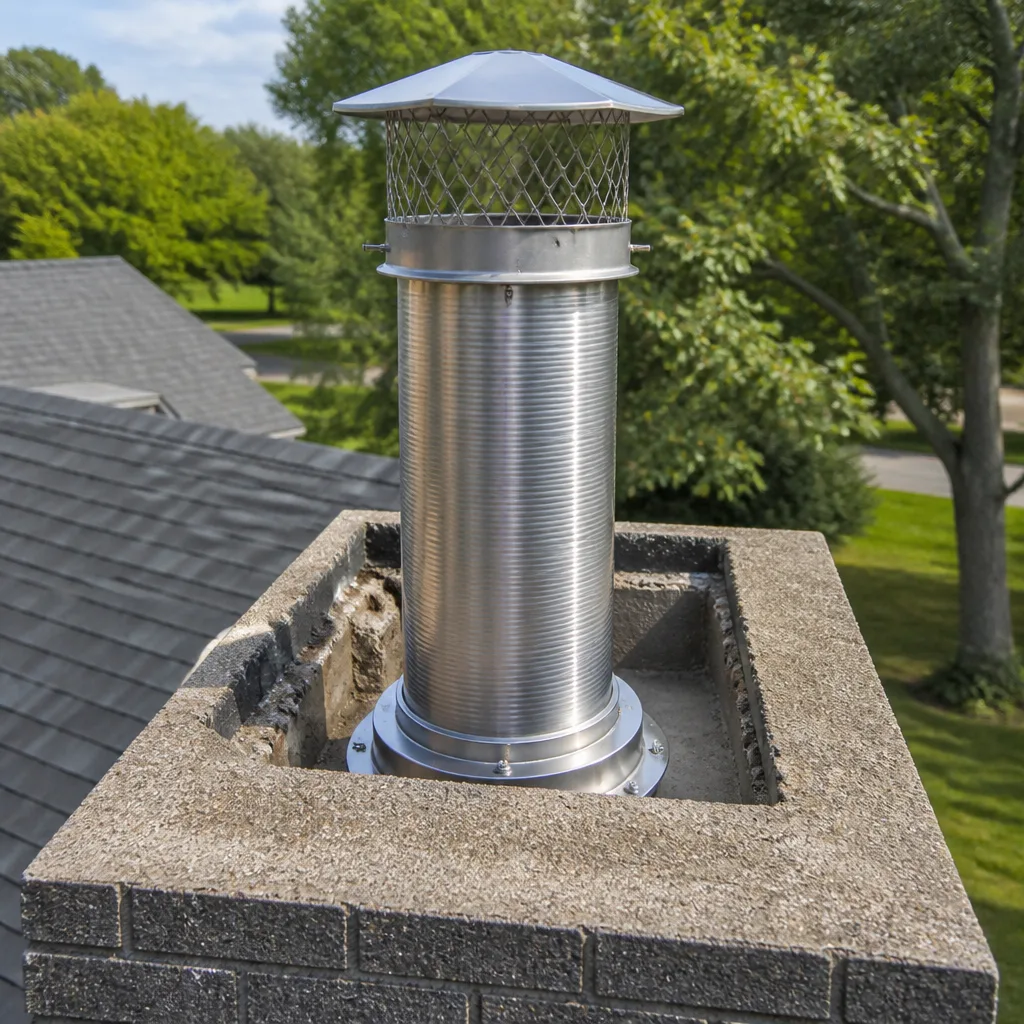
 Flue relining
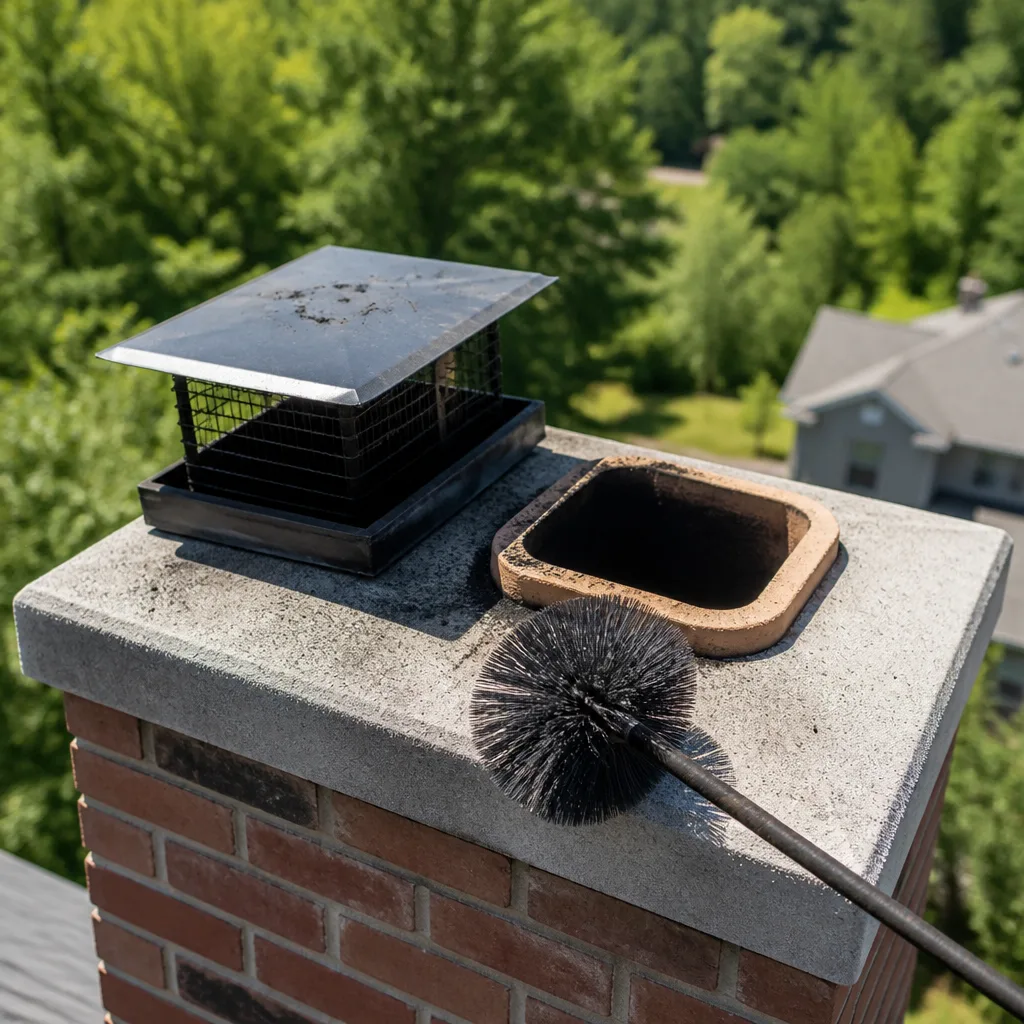 Sweep & inspection
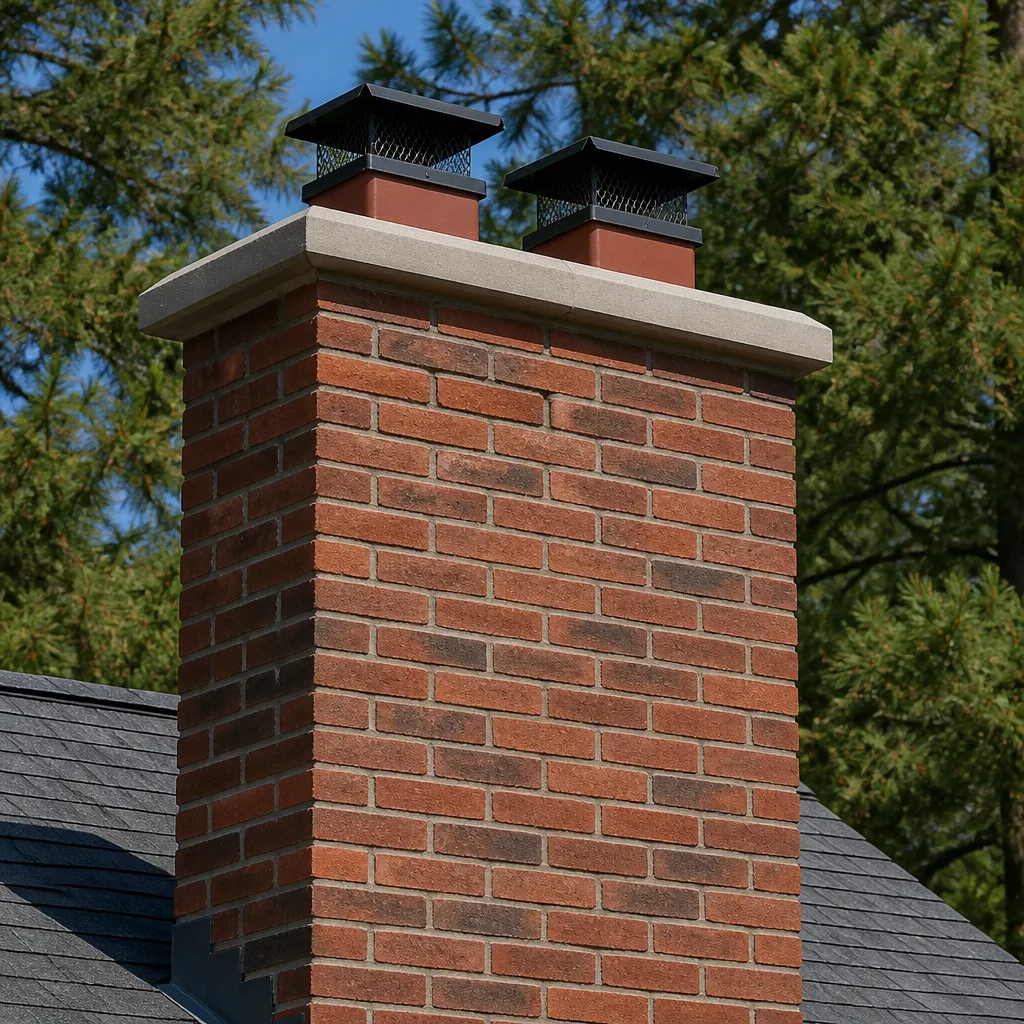 Caps & crowns
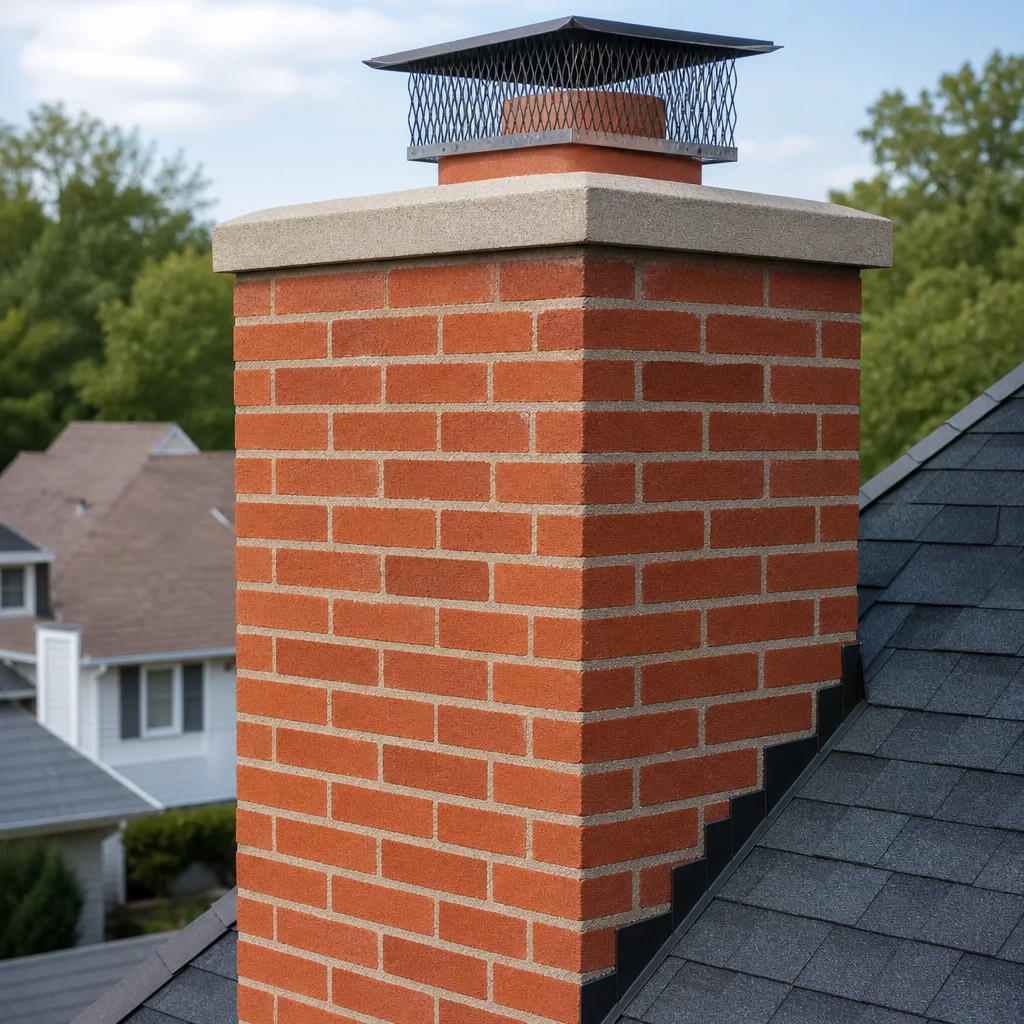 Masonry repair
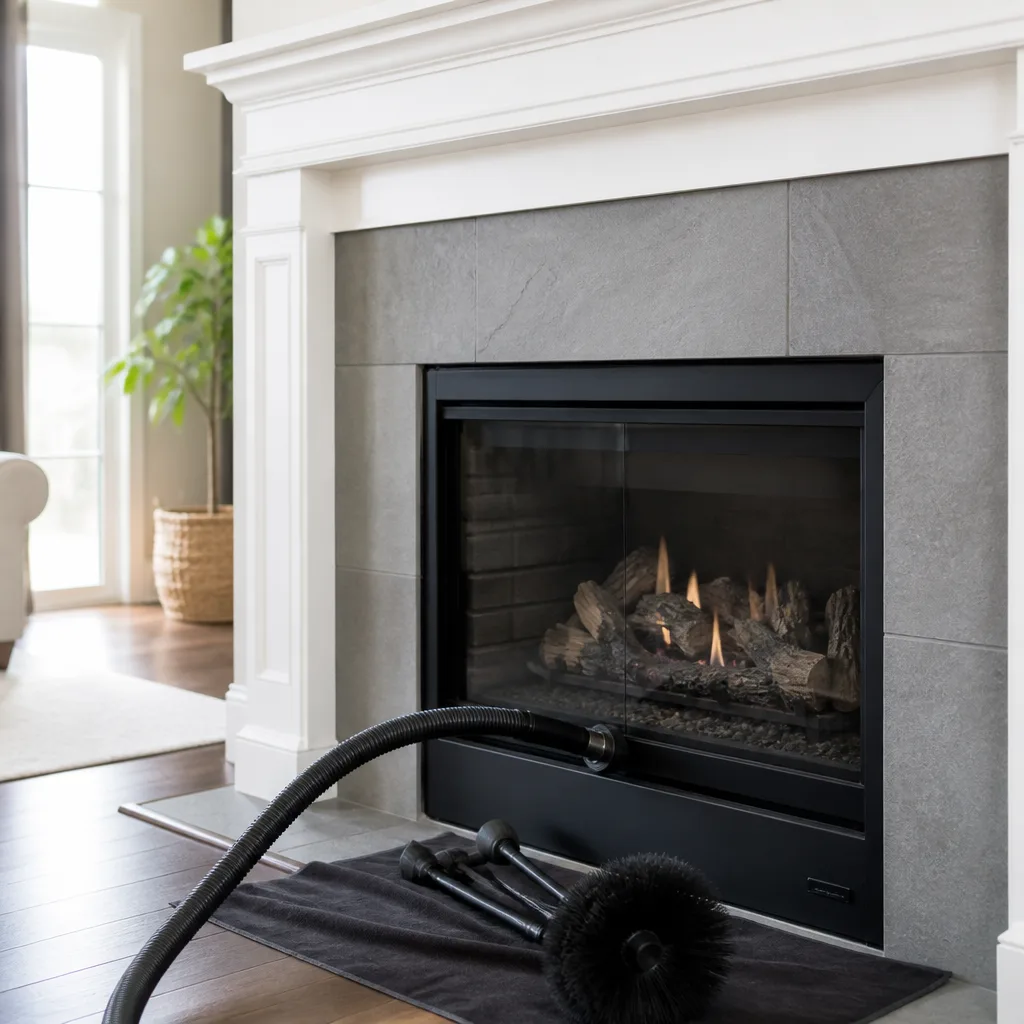 Gas fireplace service
Level 1 sweep and inspection to the NFPA 211 annual standard - flue, crown, cap, and flashing checked and photographed
Chimney sweep logs do not sweep chimneys. They loosen some creosote - which then falls where a brush and vacuum still have to collect it.
DuraFlex Flue Liner Replacement: The New York Owner’s Guide
We stock and install DuraFlex-compatible flue liner replacement sections and complete liner kits across New York, and most full relines run between $1,800 and $3,400 installed depending on run length, access, and whether we’re pulling the old liner or working around one that’s already collapsed. If you call before noon, we can usually get a technician out within a day or two, not a week or more. Most New York homeowners discover their DuraFlex liner has failed one of two ways: either a chimney sweep flags it during a routine cleaning and shows you the camera footage, or the symptoms have already started (a smoky fireplace, a sulfur smell in the room, or rust flakes collecting at the base of the firebox).
Let’s be straight about what you’re dealing with: a failed flue liner is not a cosmetic problem. It’s the barrier between hot exhaust (and the carbon monoxide in it) and the wood framing of your house. When that barrier fails, you need a replacement, not a patch.
Which DuraFlex Models This Applies To
DuraFlex makes several stainless steel liner systems, and the replacement path depends on which one you have. The three we see most often in New York homes are: DuraFlex 316L (the all-purpose liner rated for wood, gas, and oil), DuraFlex AL 29-4C (the higher-grade alloy for high-efficiency gas appliances that produce acidic condensate), and DuraFlex Pro (the heavier-gauge version designed for masonry chimneys with tight bends or relining over existing tile). The model is usually stamped on a metal tag attached to the liner’s top plate, or printed on a label near the appliance connection. If you can’t find the tag, take a couple photos of the liner where it enters the chimney and the appliance connection, and we’ll identify it when we’re on site.
A compatibility gotcha worth knowing: DuraFlex 316L and DuraFlex Pro look nearly identical to the naked eye (both are shiny corrugated stainless), but the Pro grade is noticeably stiffer to the touch. If you order a section online and it feels flimsy compared to what’s installed, you’ve likely received 316L when you needed Pro, and that matters where the liner passes through an offset or a tight damper frame. We always match the replacement section to the installed alloy and gauge, not just the diameter.
On the OEM-versus-aftermarket question: for DuraFlex specifically, we recommend staying with genuine DuraFlex sections when you’re patching a mid-run failure, because aftermarket corrugated liner from a no-name supplier won’t seal the same way at the coupler bands, and a mismatch there is exactly how you end up with exhaust leaking into the chimney cavity. If we’re doing a full reline, there are a few quality brands that interchange dimensionally, but we default to DuraFlex when that’s what the home had, because it means the existing top plate, connector, and termination cap can often be reused.
Styles & brands we work with
Signs Your DuraFlex Flue Liner Replacement Is Failing
- A noticeable sulfur or “rotten egg” smell when the fireplace is running. Stainless liners fail most often at the seam welds and coupler bands, and the smell of unburned exhaust pushing through a pinhole or a separated joint is often the first sign anyone notices, well before there’s visible damage.
- Rust stains or flaking metal at the base of the chimney or on the appliance connector. Condensate attacking the liner from the inside creates rust that falls and collects where the flue meets the stove or fireplace insert. If you see rust-colored flakes there, the liner is shedding material, not just getting dirty.
- Smoke backing into the room, especially on windy days. A liner with a hole or a collapsed section breaks the draft, and when wind hits the chimney crown, the pressure differential pushes smoke backward. In New York row houses and brownstones, neighborhood wind patterns and shared chimney stacks make this symptom more common than homeowners expect.
- A chimney sweep finds a tear, separation, or heavy creosote buildup concentrated behind a coupler band during camera inspection. That concentrated buildup means exhaust has been pooling there, which is the early-stage signature of a joint that’s starting to separate.
- Water in the firebox after a hard rain. A failed liner lets moisture condense inside the chimney cavity and run down past the liner and into the firebox. It’s often diagnosed as a flashing leak by someone guessing from the rooftop; the truth shows up on camera.
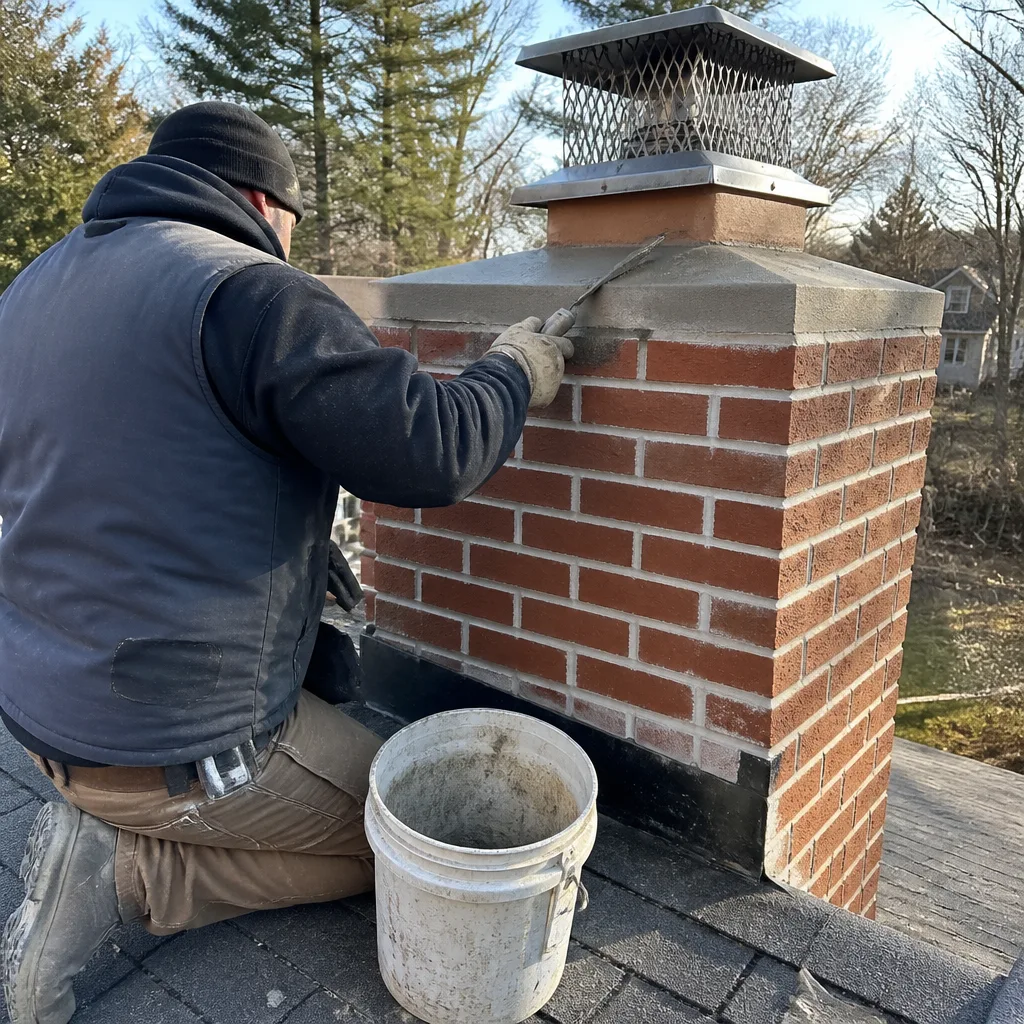
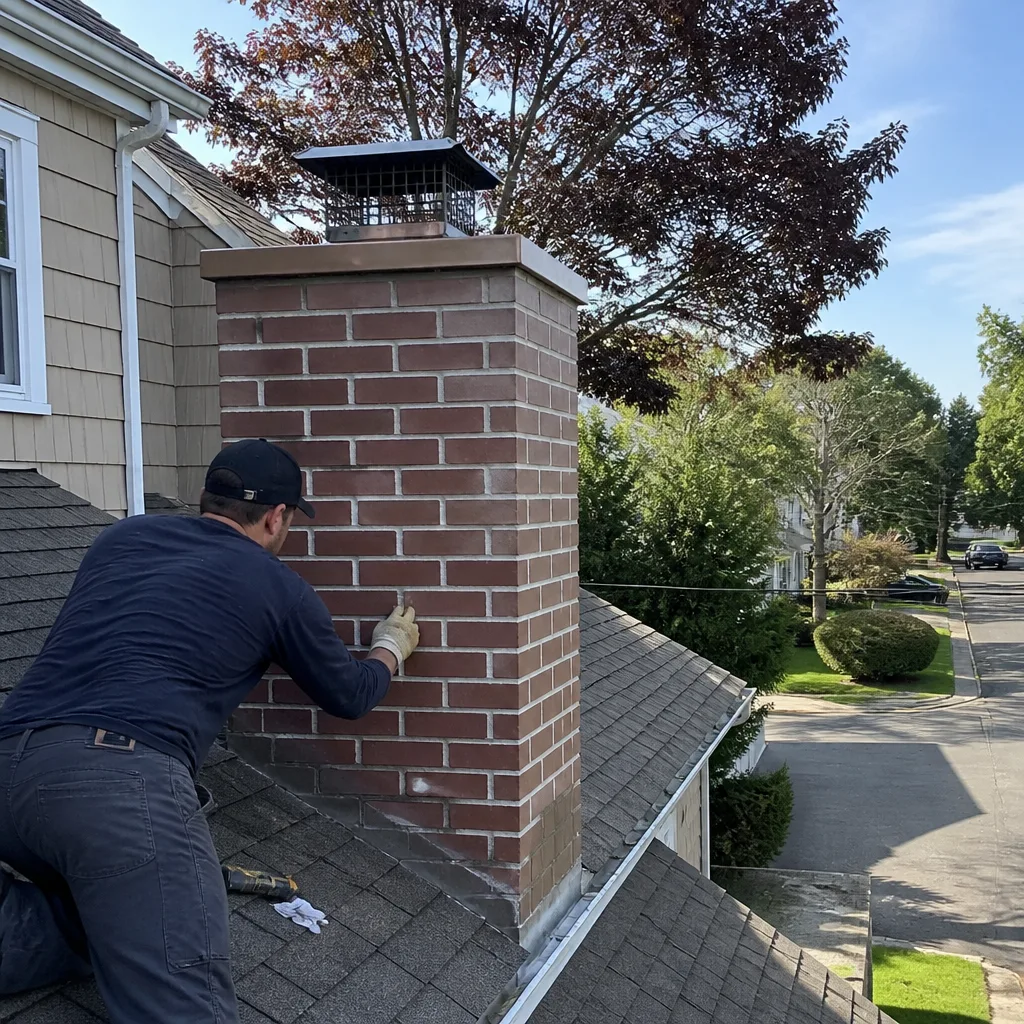
See the difference
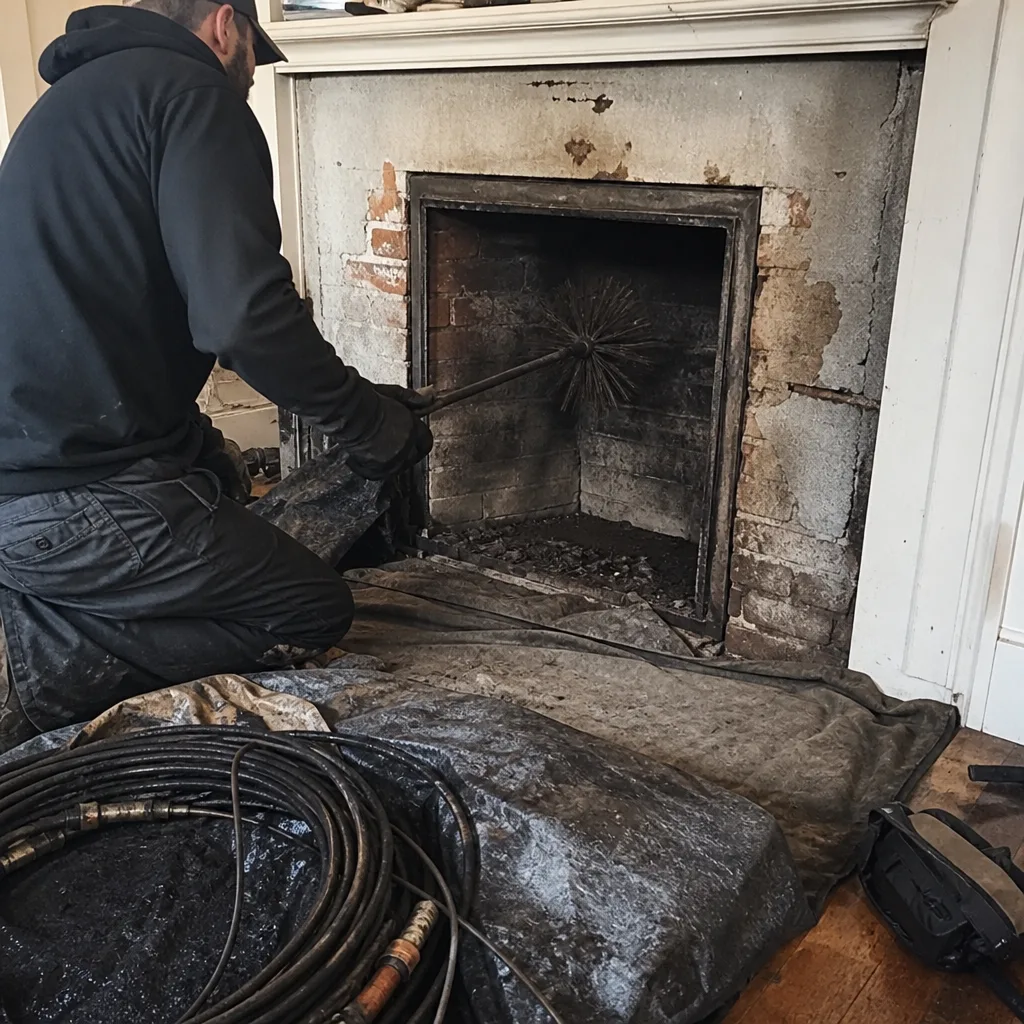 Before
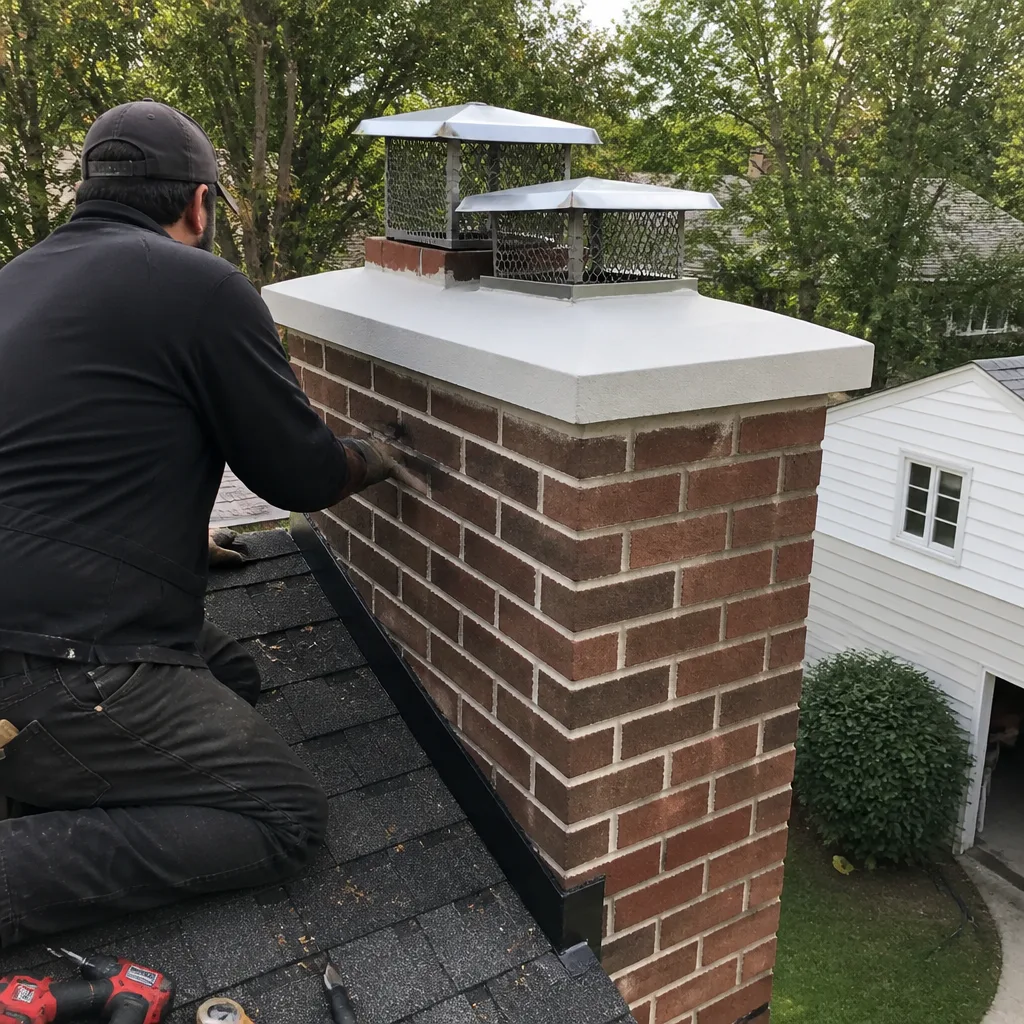 After
After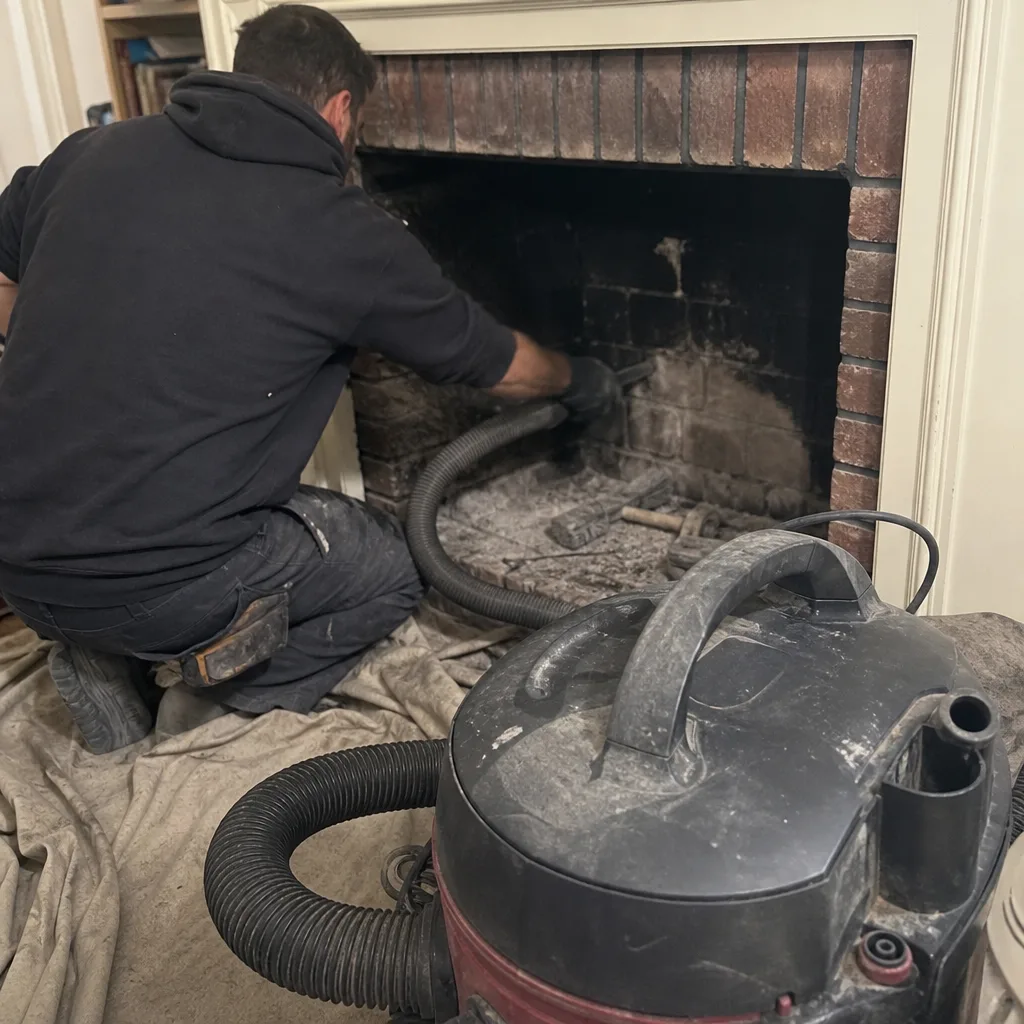 Before
 After
After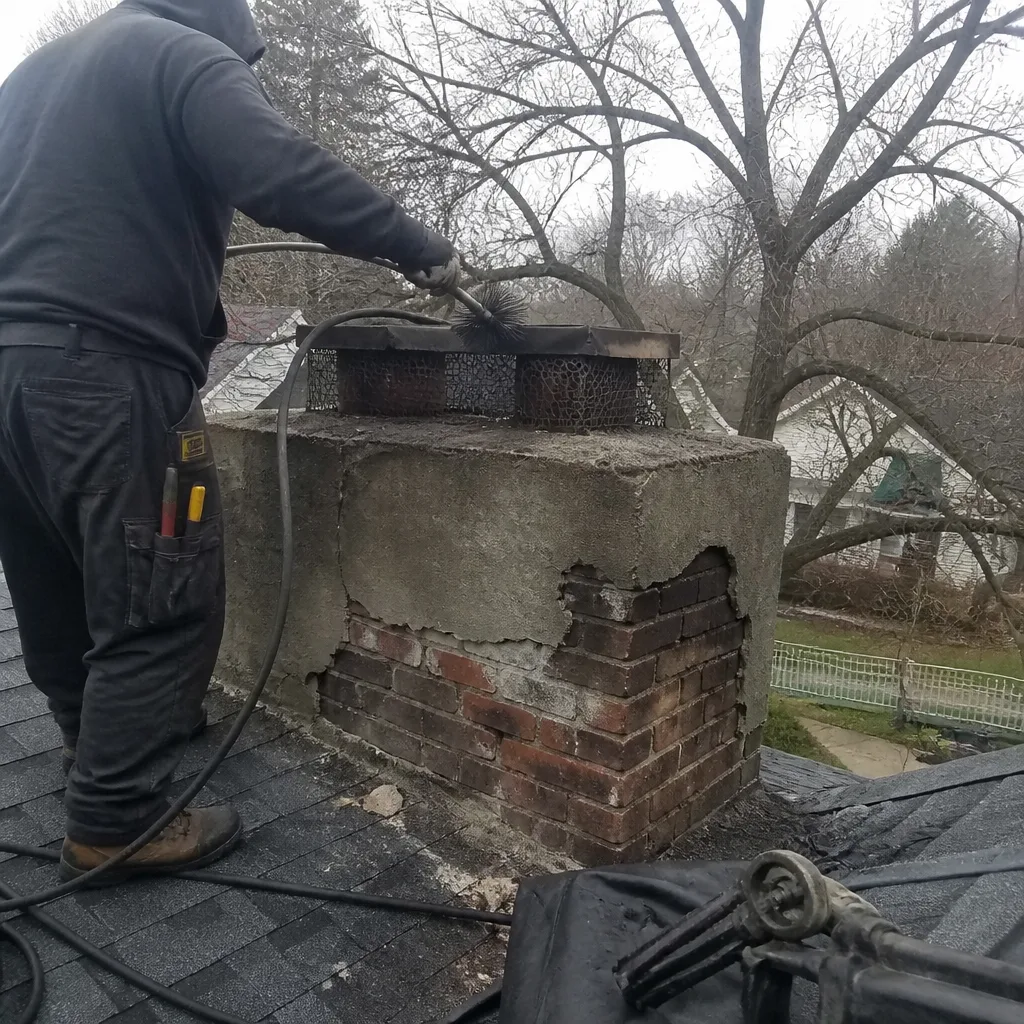 Before
 After
AfterReplacement Cost & What’s Included
In New York, a partial DuraFlex liner replacement (one failed section, one or two coupler bands, access through the thimble or from the roof) typically runs between $450 and $900 installed. A full reline with new DuraFlex liner, insulation wrap, top plate, and connector usually lands between $1,800 and $3,400, depending on the chimney’s height, whether staging is needed, and whether the old liner has to be cut out in pieces or will pull free in one go.
Every quote we give at Ashby Chimney New York is a written price before any work starts. That number includes the parts, the labor, the camera inspection before and after, and the written guarantee. You won’t get a call the next day telling you the job “needed more materials” or that the old liner “turned out to be worse than we thought.” If we quote it, we honor it. And the repair itself is covered by the 365-Day Done Right Promise: if the installed liner section or the connection fails within a year, we come back and fix it at no charge.
DIY or Call Us?
There’s a line here, and it’s steeper than most people think. What you can safely do yourself: shine a flashlight up from the firebox and look for obvious rust, scale, or a section of liner that looks shifted or collapsed. Take photos. That’s useful information for us when you call.
What you should not do yourself: attempt to patch a stainless liner with high-temp tape or sealant, pull a damaged section out through the top of the chimney, or reline a flue from a ladder on a three-story New York rowhouse. This is not a parts-swap on a workbench. A liner failure means exhaust has been going somewhere it shouldn’t, and if the liner is compromised, the chimney cavity itself needs to be checked. Nathan Corliss has spent enough years inside flues across New York to know that the fix always looks simpler from the ground than it is from the roof. Say the price first, put the findings in writing, and let the work speak for itself. If you’re not sure whether your DuraFlex liner is actually failing, call (315) 644-2982 and we’ll put a camera up there and show you exactly what we see.
FAQs
A correctly installed DuraFlex 316L liner typically lasts 15 to 25 years in New York conditions, but the real wildcard is condensation. New York homes with masonry chimneys on exterior walls run colder than interior-chase setups, and that accelerates corrosive condensate formation, which is why we always look at the insulation wrap when a liner fails early. The AL 29-4C alloy lasts longer on high-efficiency gas appliances, but only if the liner was actually matched to the appliance when it was installed.
Sometimes, yes. A single failed coupler band or a small tear at a seam can often be repaired with a short replacement section, provided the surrounding liner is still structurally sound and the chimney is otherwise drafting correctly. What can’t be repaired is a liner that has collapsed in the middle or corroded through in multiple places; at that point, sectioning in a patch is just moving the failure point further up the flue. We’ll always show you the camera footage before recommending full replacement, so you’re making the call with your own eyes.
A partial section replacement usually takes about one to two hours on site. A full reline of a typical two-story New York home runs half a day to a full day, depending on access and whether the old liner has to be cut out in sections. We book the job in one visit, and the written quote includes the full time estimate.
We stock the most common DuraFlex 316L and DuraFlex Pro diameters and coupler bands on our service trucks, so the majority of partial replacement jobs are completed same-visit. For full relines or less common alloys like AL 29-4C, we order the liner to spec and schedule the install within a few days. We also work with HeatShield and Gelco systems when those materials are the better fit for the chimney.
Written by Nathan Corliss, Owner, Ashby Chimney New York at Ashby Chimney New York, serving New York and nearby areas.