
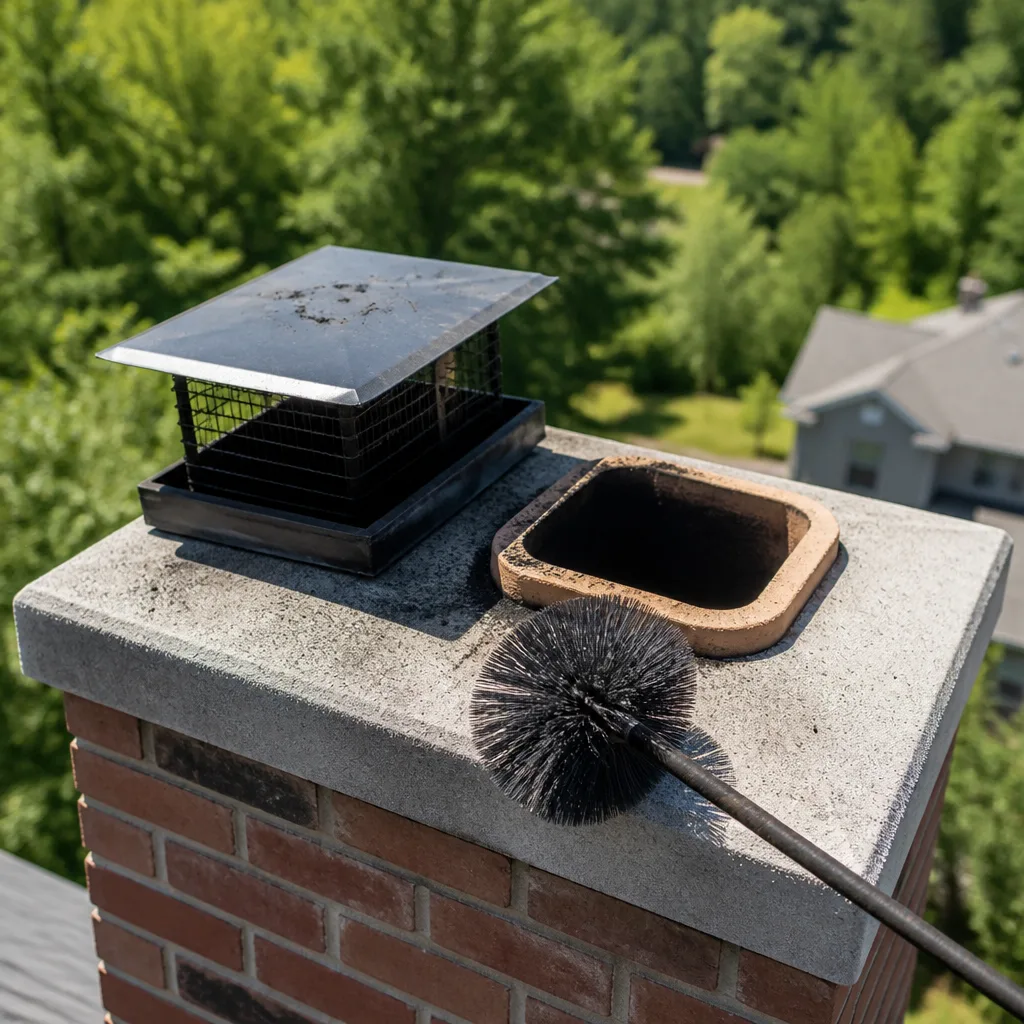
 Sweep & inspection
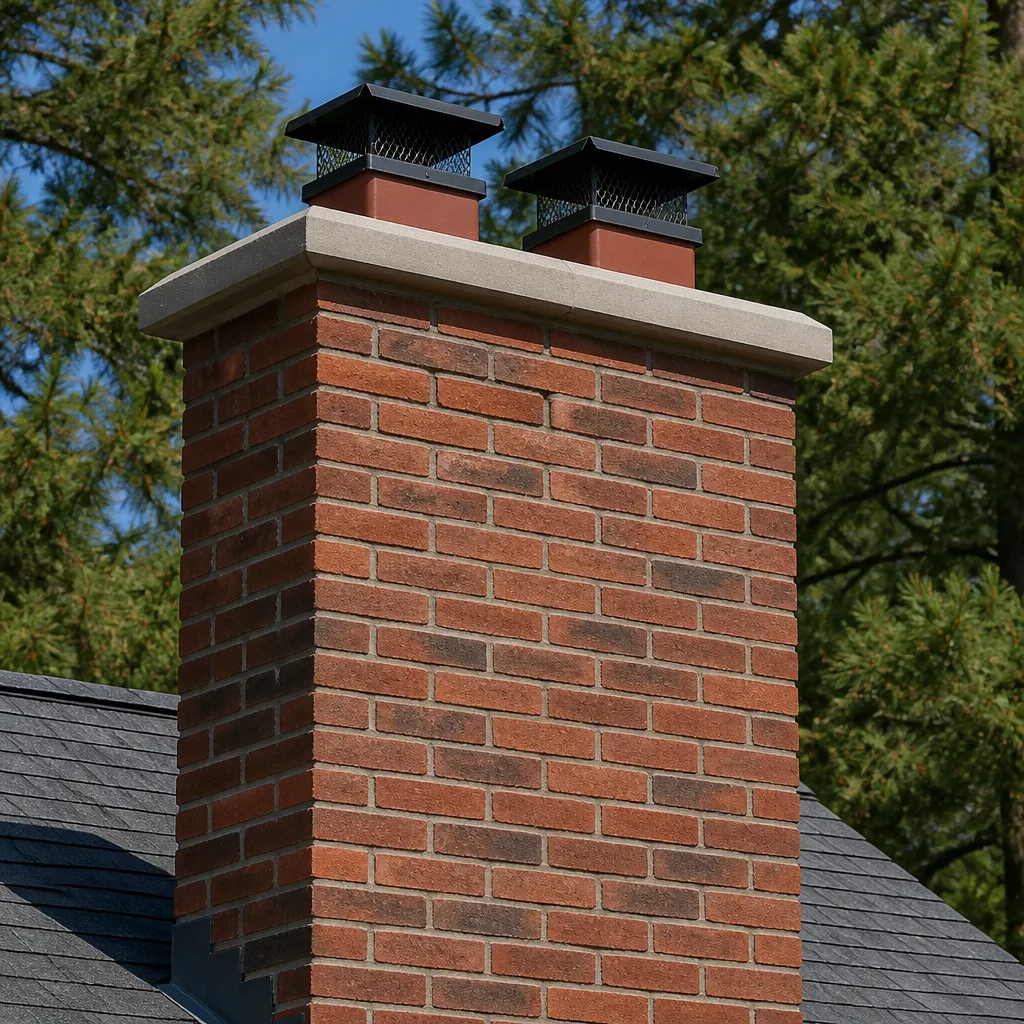 Caps & crowns
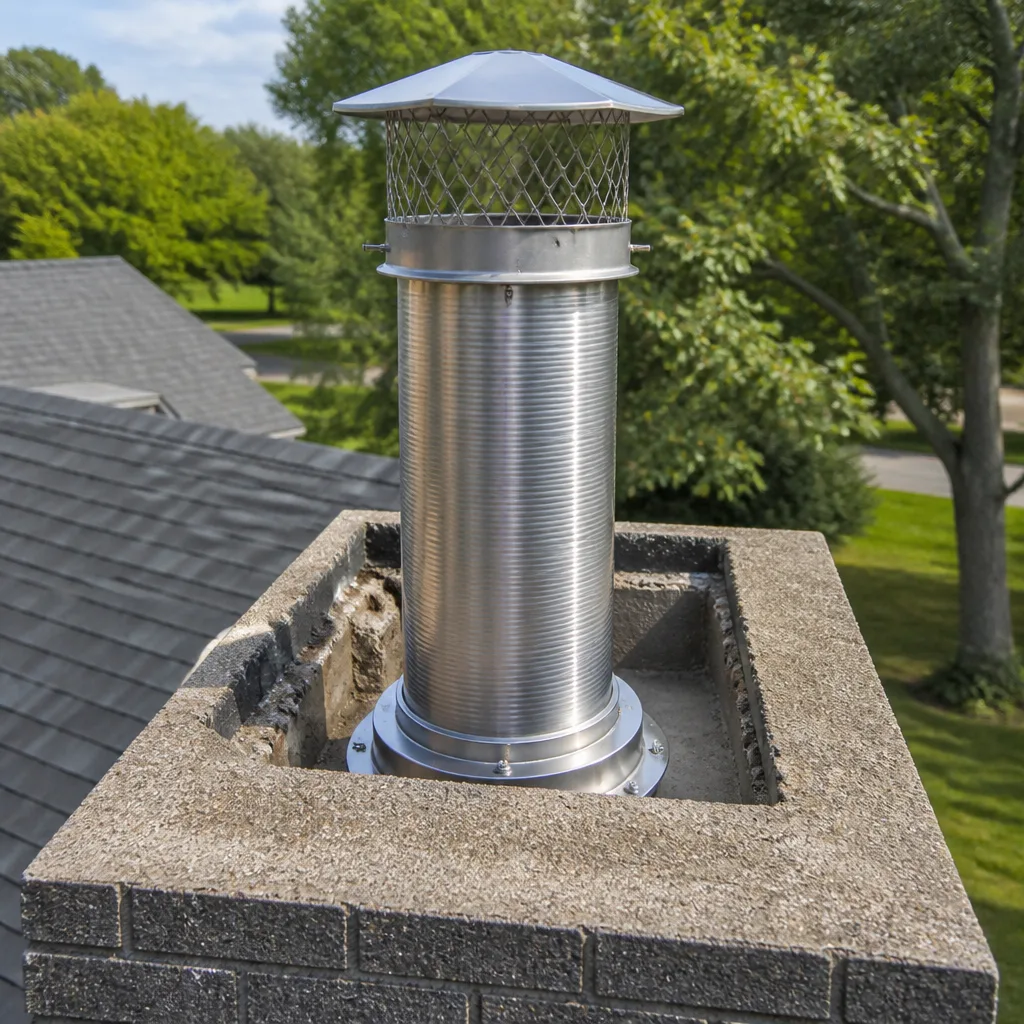 Flue relining
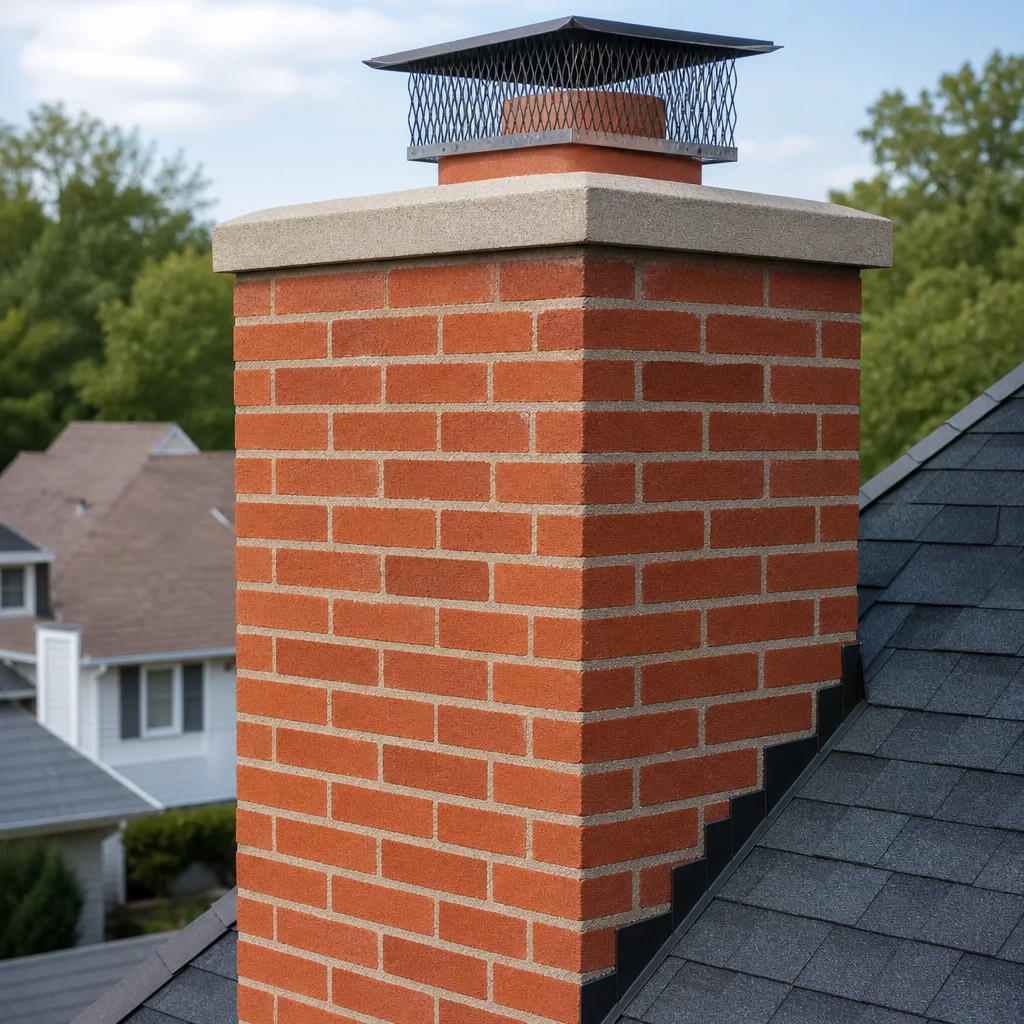 Masonry repair
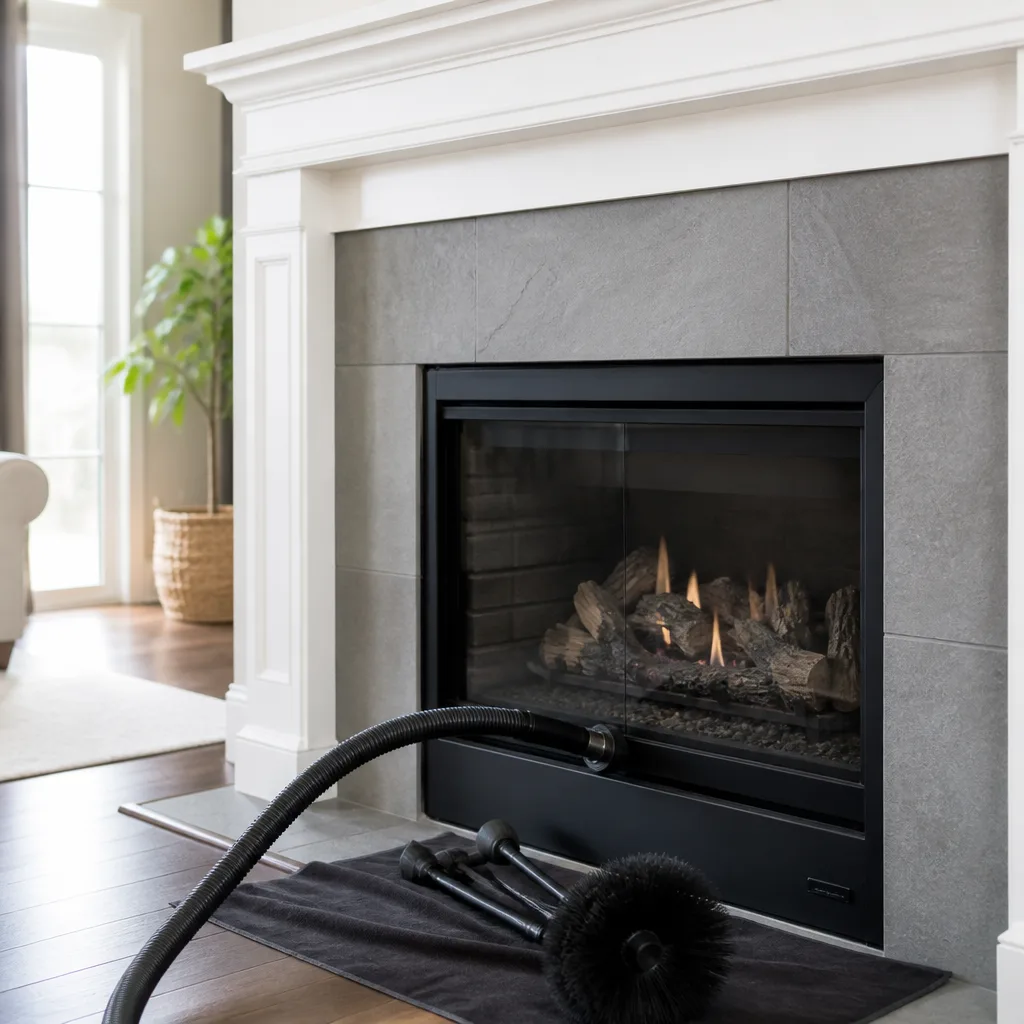 Gas fireplace service
Level 1 sweep and inspection to the NFPA 211 annual standard - flue, crown, cap, and flashing checked and photographed
Chimney sweep logs do not sweep chimneys. They loosen some creosote - which then falls where a brush and vacuum still have to collect it.
HeatShield Chimney Inspection in New York: What to Know First
HeatShield chimney inspection in New York typically costs $189 to $420 depending on whether you need a Level 1 visual check or a Level 2 camera inspection, and most jobs are completed in under two hours. We’re an independent HeatShield service provider, which means we inspect and repair HeatShield liners without being tied to manufacturer pricing or replacement quotas. If you own a HeatShield system and want an honest read on its condition, call (315) 644-2982 and we’ll give you a written price before anyone sets foot on your roof.
This page is for New York homeowners who’ve had a HeatShield liner installed or inherited one with a home purchase, and who want to know whether it’s actually doing its job. We’ll walk through how HeatShield systems fail, what our inspection covers, and what it costs to make things right. No scare tactics. Just straight talk about flues.
How HeatShield Products Fail – and How We Fix Them
HeatShield is a ceramic-cement resurfacing system applied to the inside of an existing flue. It’s a legitimate repair option when the original clay liner has cracked but the chimney structure is still sound. But no liner system is forever, and in New York’s freeze-thaw climate, we see specific failure patterns worth understanding before you book any inspection.
- HeatShield CeCure Separation at the Flue Joints. The CeCure product is a trowel-applied ceramic compound used to fill gaps and coat the flue interior. In older New York chimneys with clay tile liners, the joints between tiles shift as the house settles. We regularly find CeCure that has separated from the clay at those joint lines, usually because the original surface wasn’t prepped dry enough before application. The fix is localized reapplication of the coating, not a full reline, but only a camera inspection can confirm the extent.
- HeatShield Joint Repair Foam Degradation. HeatShield’s Joint Repair system uses a custom foam applicator to seal voids between flue tiles. The foam itself is sacrificial in less than a decade when exposed to sustained flue gas temperatures above 500°F, which happens often in New York fireplaces that burn pine or mixed softwoods. We see the foam crumble near the top of the flue first, where New York winter temperature swings are most extreme. The repair is straightforward: we remove the degraded material and reapply a fresh seal in that section.
- Improper Thickness on First-Floor Flues. HeatShield specs call for a minimum coating thickness to achieve its UL listing. In multi-story New York brownstones and prewar homes, getting consistent thickness down a 30- to 40-foot flue is genuinely difficult. We’ve inspected HeatShield applications where the coating is noticeably thinner on the first-floor section because gravity and applicator angle worked against even distribution. That thin area is where gases eventually find a path through. Our camera work measures coating depth at multiple points, which tells us if a patch will hold or if a section needs redoing.
- Water Entry Above the HeatShield Termination. HeatShield protects the flue interior, not the chimney crown or cap. In New York, rain and snowmelt seep through cracked crowns and run down behind the HeatShield layer. When water gets between the ceramic coating and the original clay tile, freeze cycles push the coating off in sheets. We find this most often on chimneys with flat concrete crowns and no drip edge. The proper fix is water sealing the crown and replacing the cap before addressing the liner, or the new HeatShield work fails the same way.
- Failed Top-Coat Sealant at the Flue Opening. HeatShield systems finish with a sealant at the top of the flue to prevent water intrusion at the termination point. That sealant takes direct New York weather year-round: hard sun, hard freezes, wind-driven rain. After five to seven years, we commonly see it cracked or eroded, which lets water wick into the system from the top down. It’s a $150 to $300 fix if caught before the water reaches the coating, and it’s one of the first things we check on any HeatShield inspection.
Styles & brands we work with
Our HeatShield Chimney Inspection Process
Here’s what happens when you call Ashby Chimney New York for a HeatShield inspection. We follow this sequence on every job, and you’ll get a written summary at the end showing what we found and what it means.
- 1
Call and scheduling. A live person answers, 24/7. We ask about your HeatShield system: when it was installed, what fuel you burn, and whether you’ve noticed anything unusual like odors or drafting problems. We book a two-hour arrival window and confirm it in writing.
- 2
On-site walkthrough. The technician walks the chimney from the ground first: crown condition, cap condition, brick and mortar state, any visible spalling or staining. Then we set up inside, protecting the hearth and surrounding floor before any equipment goes in.
- 3
Camera inspection of the full flue. We run a high-resolution camera from the top of the flue down to the firebox, recording the entire interior. On a HeatShield system, we’re looking for coating separation, thickness variation, foam degradation at joints, water staining, and any cracks in the termination sealant. You see the footage in real time if you want, and we walk you through what’s normal and what isn’t.
- 4
Findings and recommendations. We give you a straight read. If the HeatShield is intact and functional, you’ll hear that plainly. If there’s localized damage that can be patched, we’ll quote that. If the system has failed structurally and a reline is the honest answer, we’ll tell you that too, and we’ll show you the footage that backs up the recommendation. Nothing is recommended without camera evidence you can see for yourself.
- 5
Written price before any work. Every quote is in writing before we touch a brush. The number on the quote is the number on the invoice. If we find something unexpected mid-repair, we stop and get your sign-off before continuing. No surprises at the door.
- 6
Repair, testing, and the written guarantee. If you approve repair work, we complete it using HeatShield materials from recognized chimney-trade suppliers, then run a post-repair camera pass to confirm the fix. You get a written summary of exactly what was done and a written guarantee covering the work. If it fails inside the guarantee period, we return at no charge.
See the difference
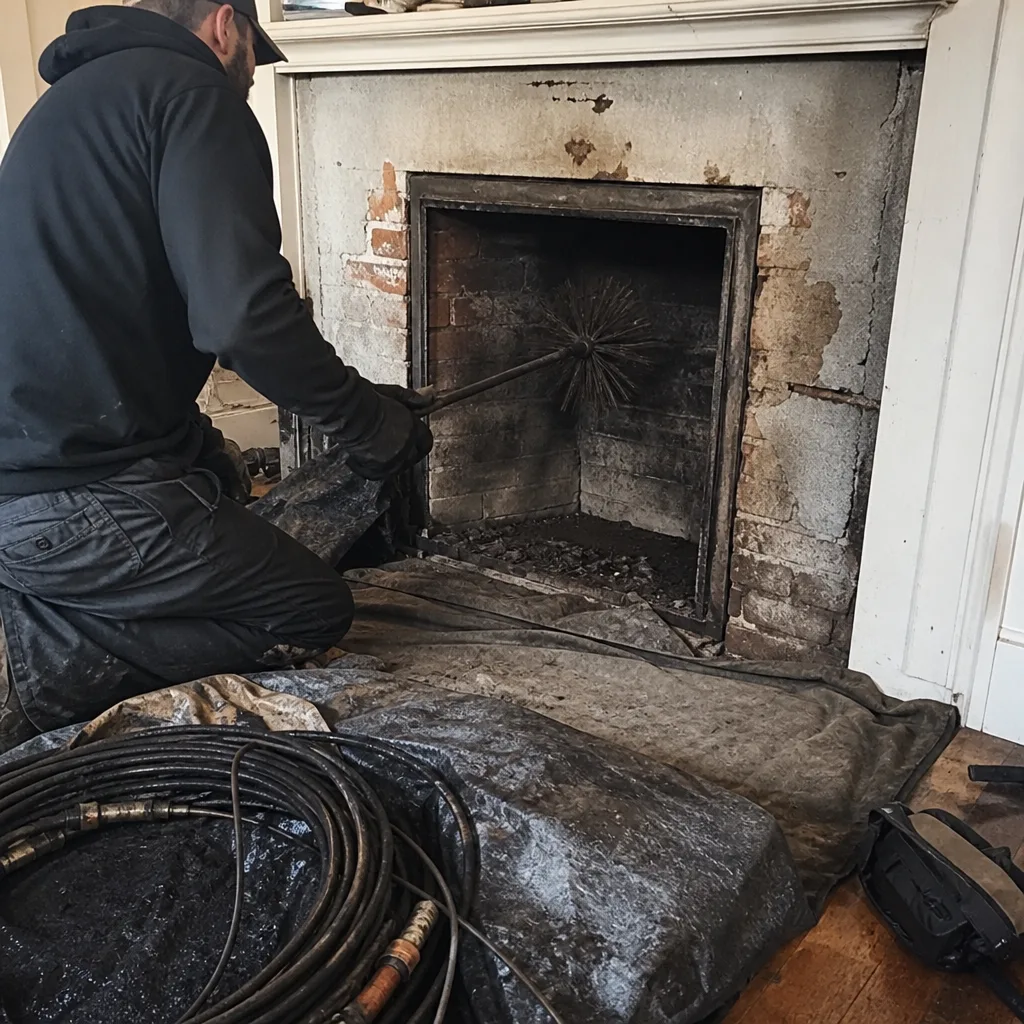 Before
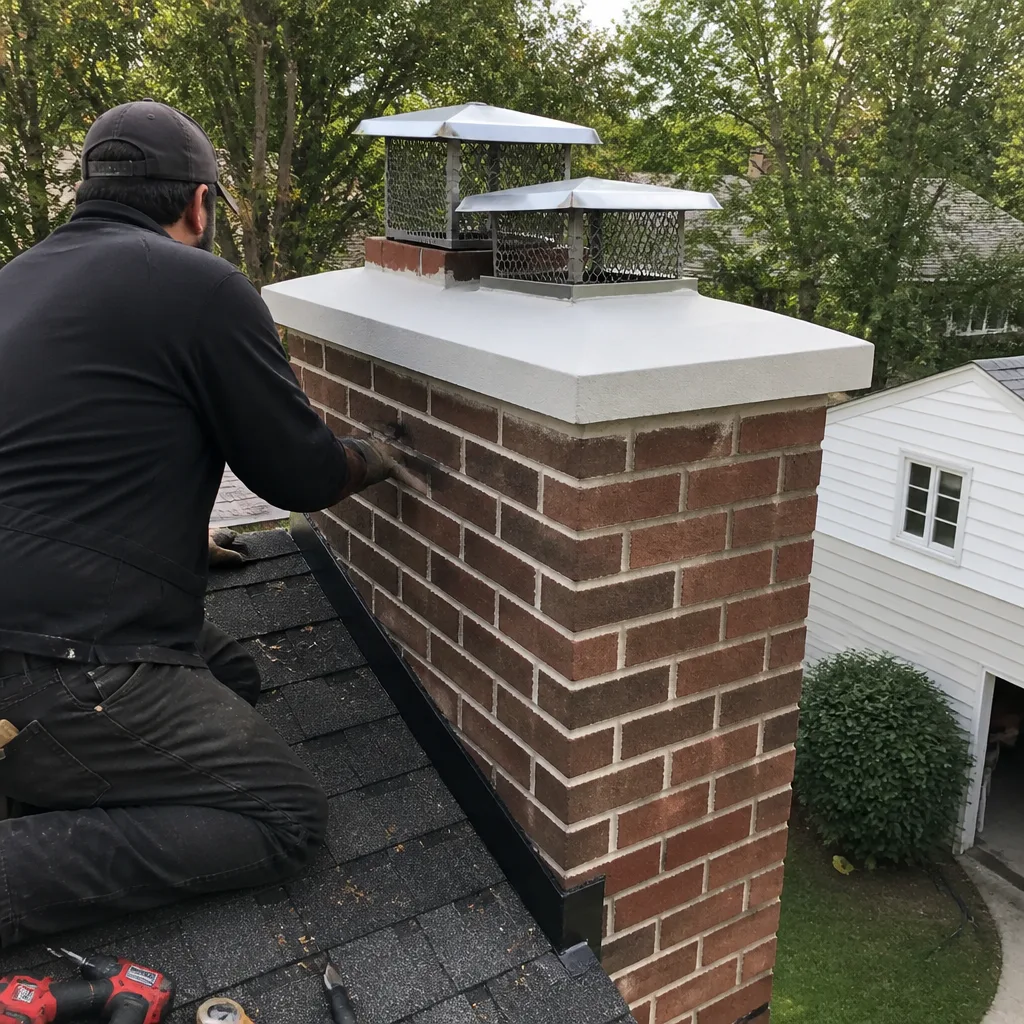 After
After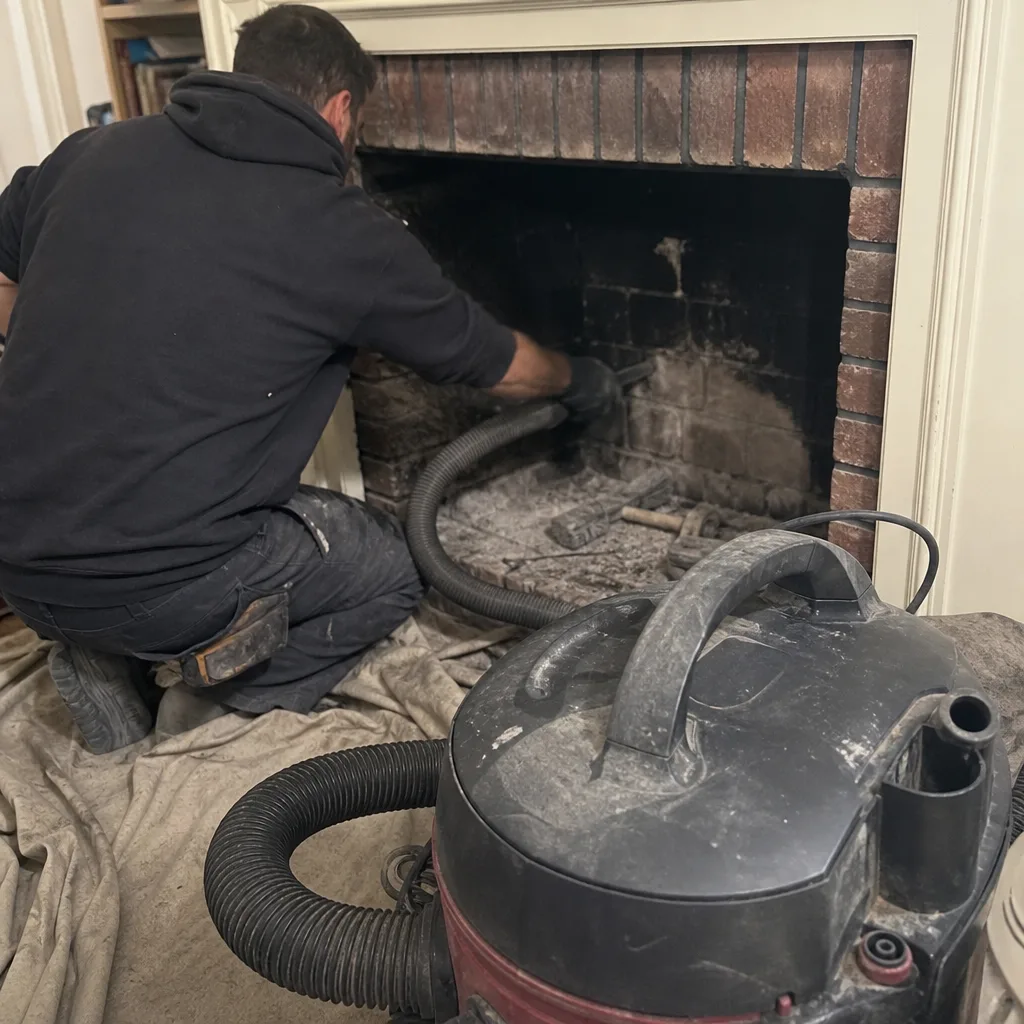 Before
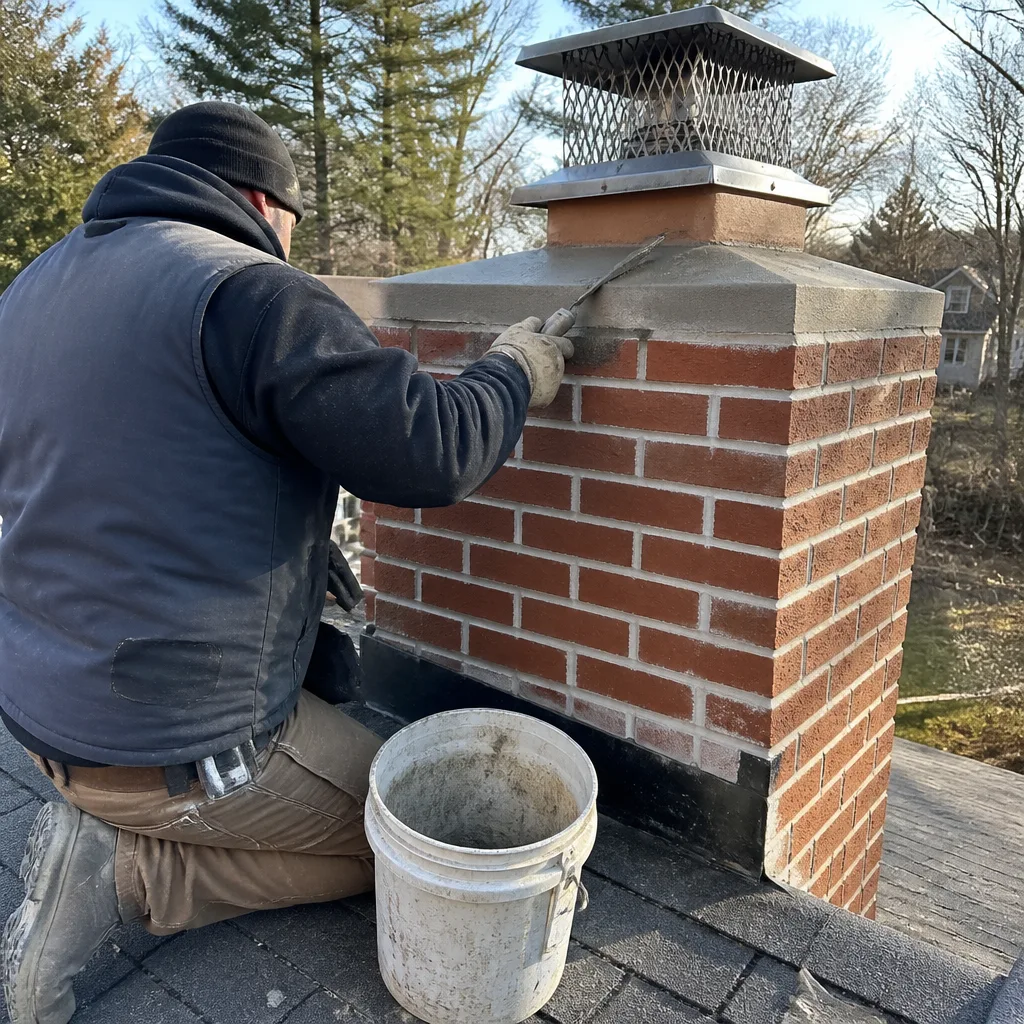 After
After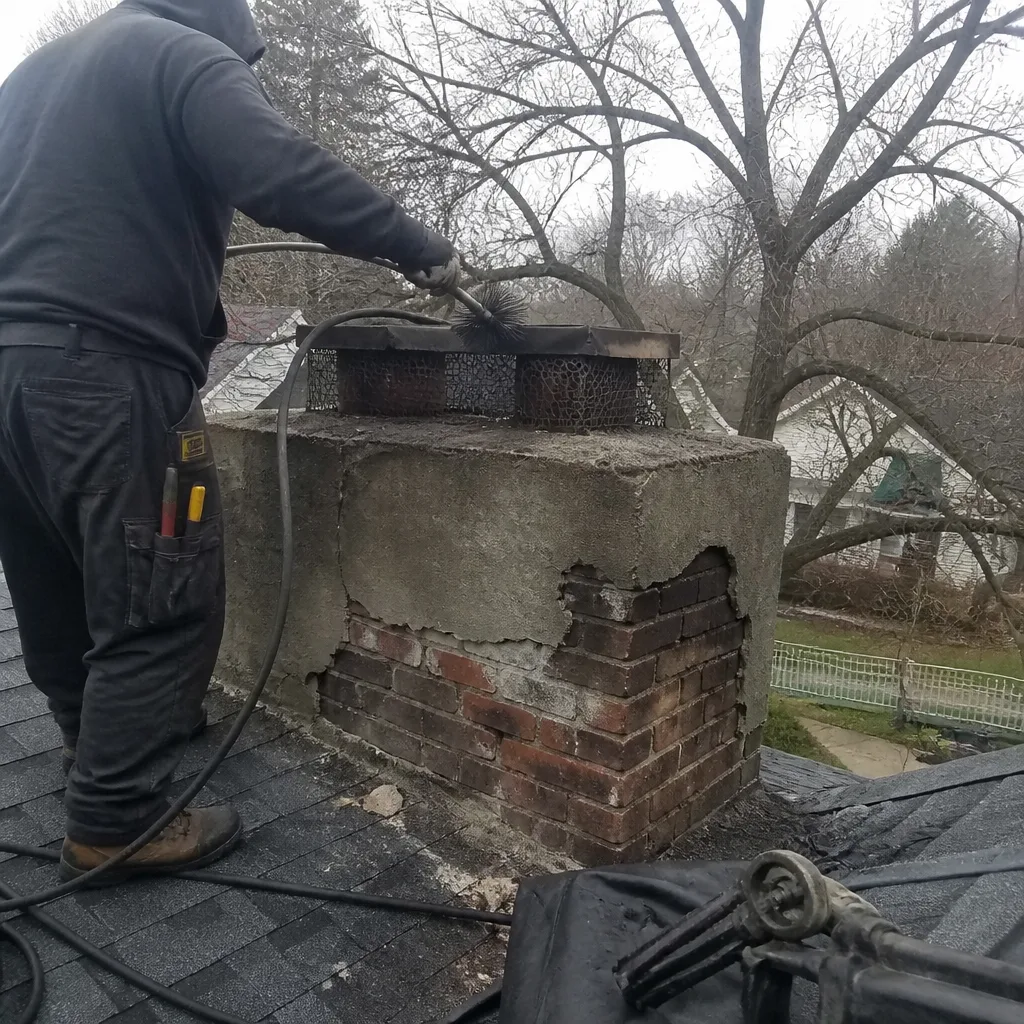 Before
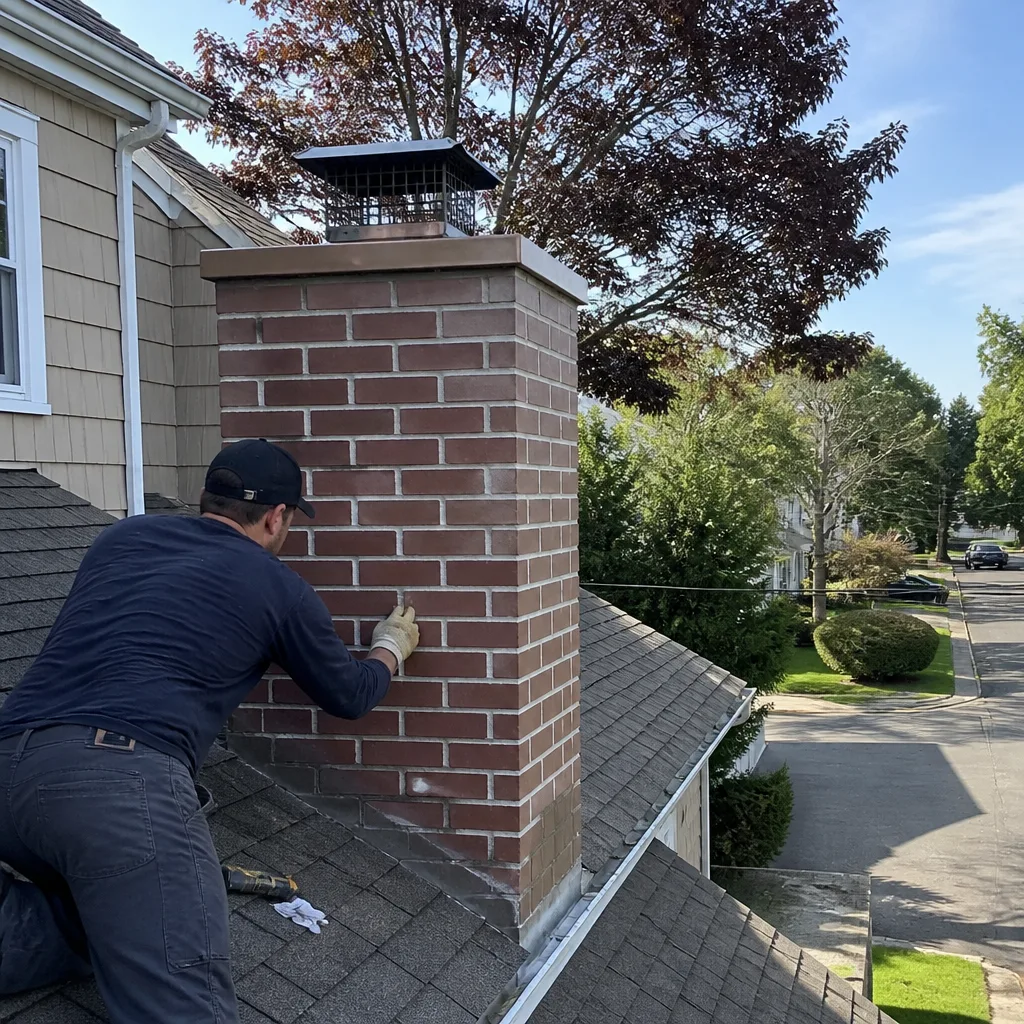 After
AfterWhat HeatShield Chimney Inspection Costs in New York
Here’s the straight answer on pricing in the New York market. A Level 1 visual inspection of a HeatShield system, done from the ground and firebox, runs $189 to $260. A Level 2 camera inspection, which includes full flue video and a written report, runs $320 to $420. If your inspection is for a real estate transaction, plan on the Level 2 range. Repairs are quoted separately after we see the footage, and small fixes like termination-seal replacement or localized CeCure patching typically run $150 to $650 depending on access. A full HeatShield reapplication on a standard single-flue chimney in New York ranges from $2,000 to $3,500, not because the material is expensive, but because proper prep and application take a full day or more. Every estimate is free, and it arrives in writing before work begins. Call (315) 644-2982 and we’ll set a time.
Why New York Homeowners Call Ashby Chimney New York for HeatShield Work
We’ve been doing chimney work since 2002, and in that time we’ve learned that the homeowner’s real frustration isn’t the cost, it’s the uncertainty. A technician who never shows. A price that doubles at the door. A repair that cracks again six weeks later. So we built our process around removing that uncertainty. Every HeatShield inspection and repair gets a written price before work starts. Every repair gets a written guarantee, and if it fails inside the guarantee period, we return and fix it at no charge. That’s the 365-Day Done Right Promise, and it’s part of the Kingswell Guarantee standard Ashby Chimney New York operates under. Our technicians are background-checked and uniformed, and they arrive with professional-grade materials from chimney-trade brands we trust: HeatShield for ceramic resurfacing, DuraFlex for stainless steel liner work, and Gelco for waterproofing and cap work. We service all three, so if your HeatShield inspection turns up damage that warrants a different approach, we can give you an honest comparison rather than pushing one product. Say the price first, put the findings in writing, and let the work speak for itself.
FAQs
HeatShield’s manufacturer warranty covers defects in the ceramic resurfacing material and installation workmanship, not routine inspections. Most HeatShield warranties also require proof of an annual inspection to stay valid, so you’ll want to keep your written inspection report on file. The specific coverage window depends on which HeatShield product was applied and when, so check your paperwork or call us and we’ll help you sort out what your warranty actually says.
Localized failures, like CeCure separation at a single joint or degraded Joint Repair foam near the top, can often be patched without a full reapplication. Structural failures, where the coating has separated in wide sections or water has gotten behind it across most of the flue, usually warrant a full reline. The deciding factor is always the camera footage. If you can see the damage, you’ll understand the recommendation. We never tell you to spend on a full reline without showing you why.
Most HeatShield inspections take 60 to 90 minutes on site, including setup, camera work, and a walkthrough of the findings. If you’ve requested a Level 2 inspection with a written report for a real estate transaction, we typically have the report to you within 24 hours. The actual camera run itself takes 15 to 20 minutes; the rest is setup and making sure you understand what we saw.
Yes. When a repair calls for ceramic resurfacing, we use genuine HeatShield product sourced through recognized chimney-trade suppliers. We don’t substitute generic refractory cement and call it HeatShield. For other components on the chimney, like the cap or crown sealer, we use whichever trade-trusted material is right for the job, and we’ll tell you exactly what went on your chimney and why.
The risk is that the damage which costs $300 to patch this year becomes the damage that costs $3,000 to reline next year. Water entry through a failed termination seal or a cracked crown degrades HeatShield coating quickly in New York winters, and the difference between a small patch and a full reapplication is usually a single freeze-thaw season. If you’re not sure when your last inspection happened, call (315) 644-2982 and we’ll schedule one. The estimate is free, and at minimum you’ll know where you stand.
Yes. We inspect and repair DuraFlex stainless steel liner systems and handle Gelco waterproofing and cap products as well. If your New York home has a mix of systems, or you’re not sure what’s actually inside your flue, a camera inspection will identify it. We’ll recommend the right fix for what’s actually there, not just what we happen to sell that day.
Written by Nathan Corliss, Owner, Ashby Chimney New York at Ashby Chimney New York, serving New York and nearby areas.