
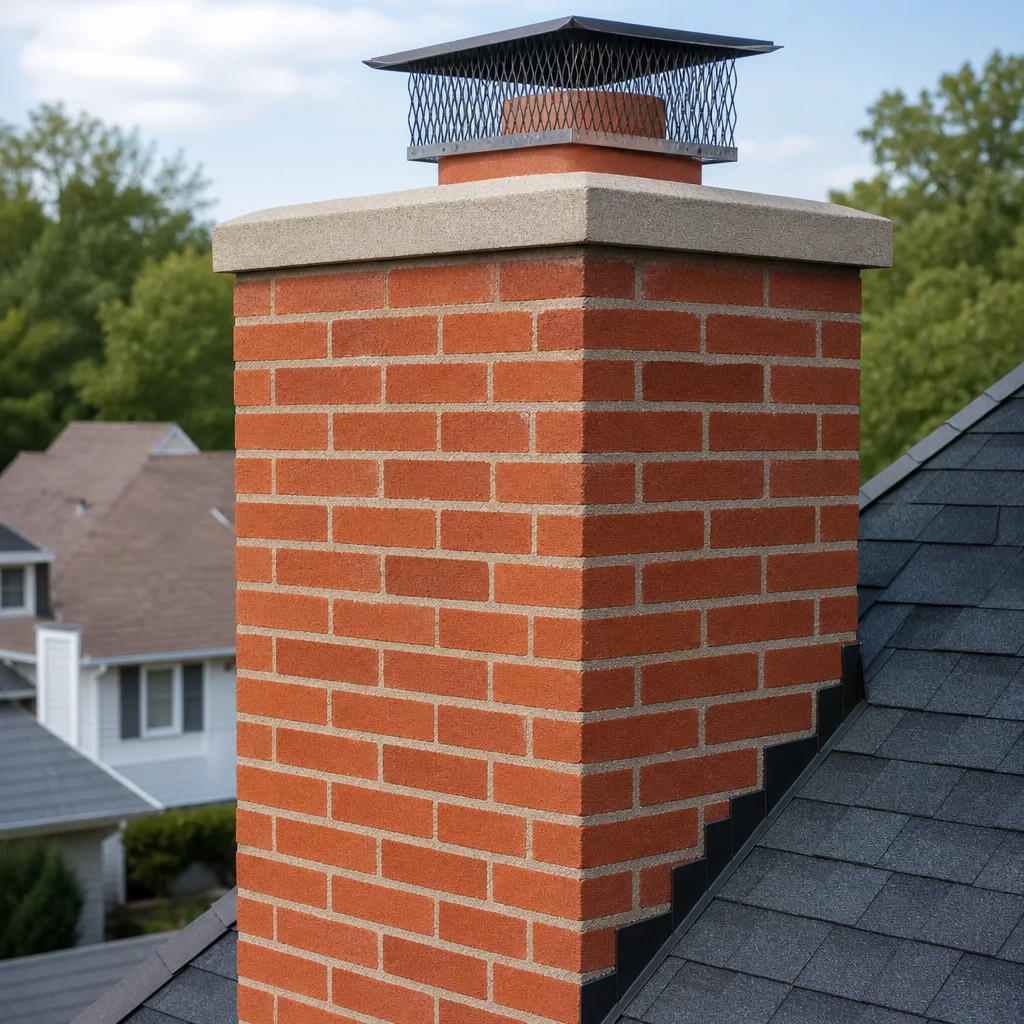
 Masonry repair
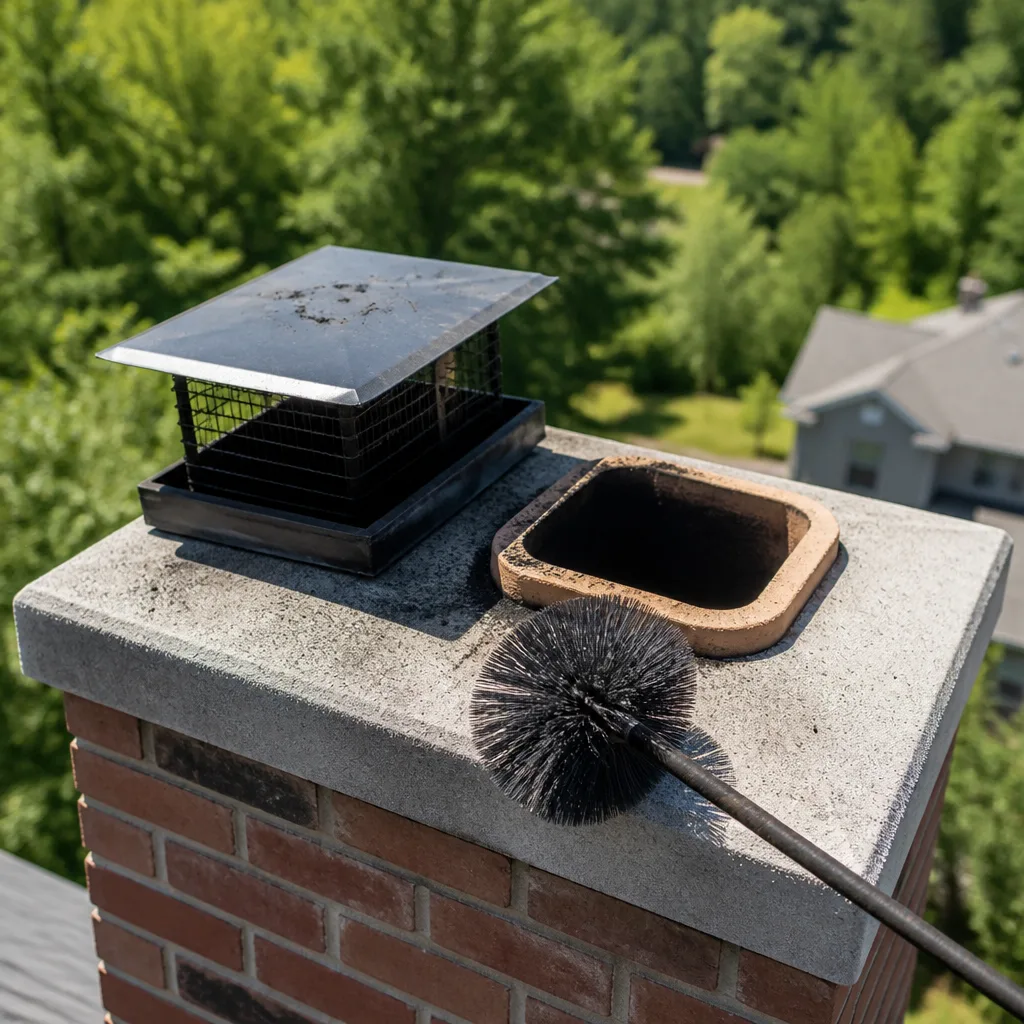 Sweep & inspection
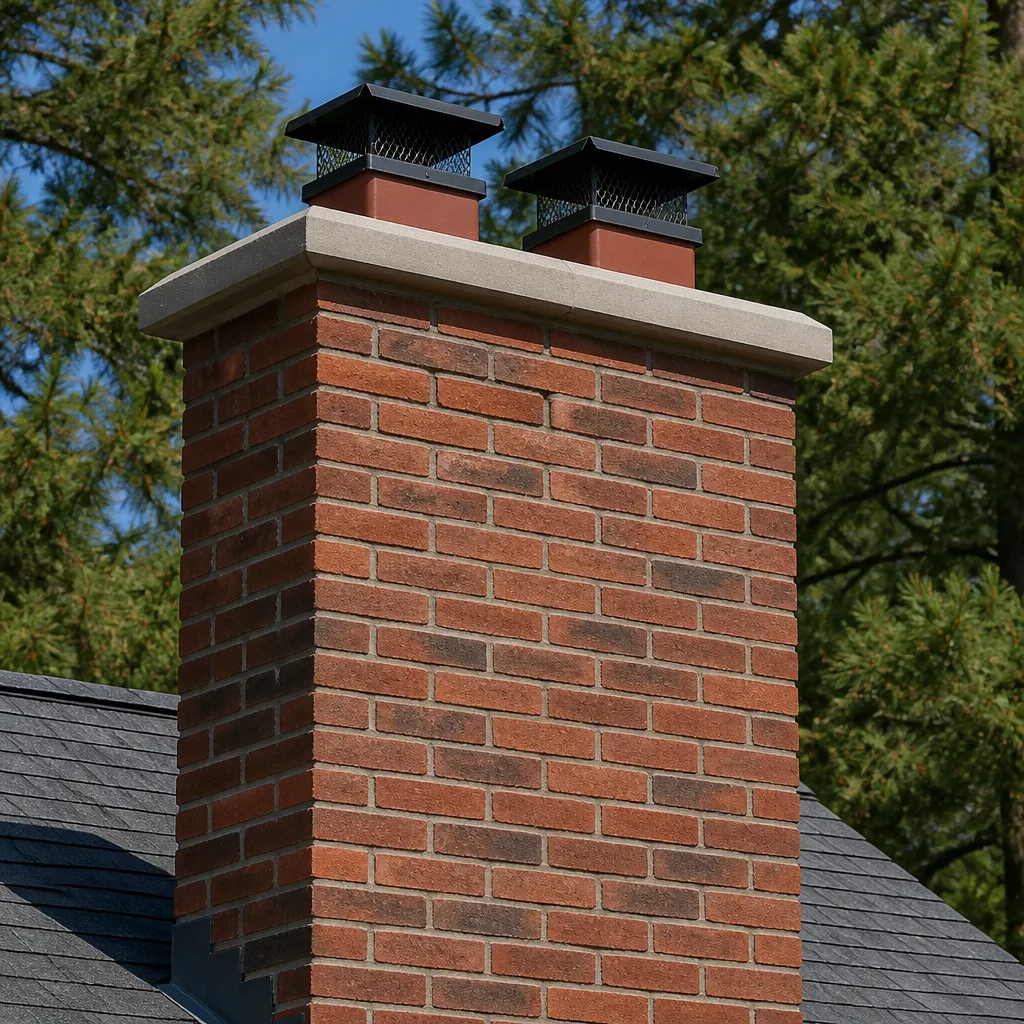 Caps & crowns
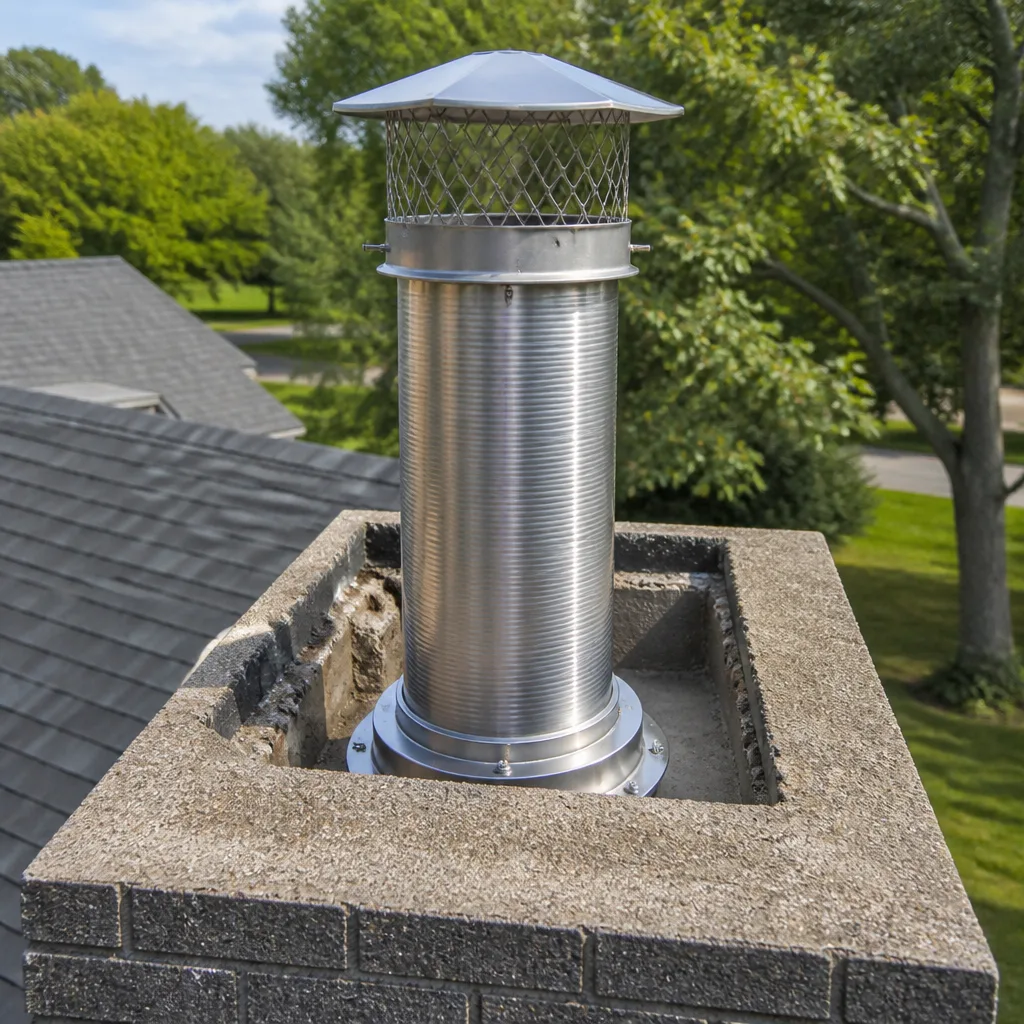 Flue relining
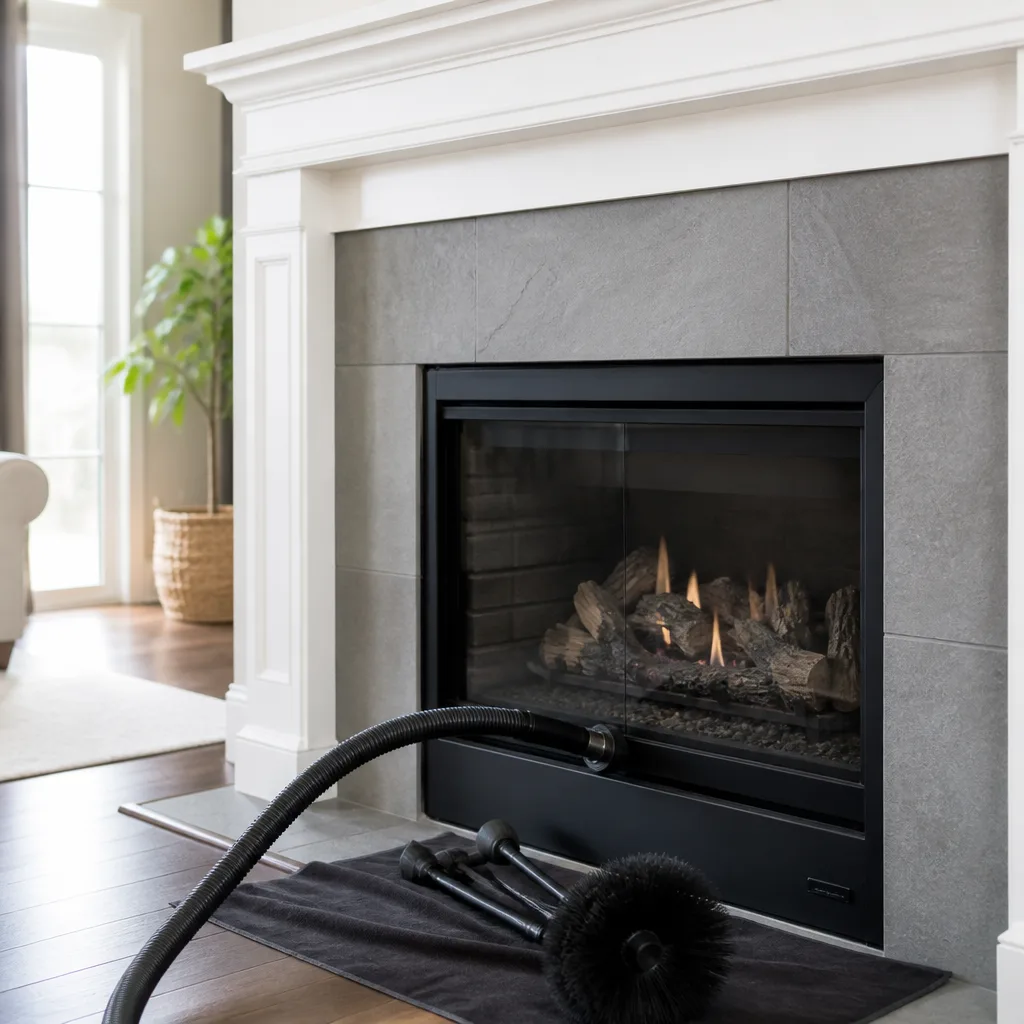 Gas fireplace service
Level 1 sweep and inspection to the NFPA 211 annual standard - flue, crown, cap, and flashing checked and photographed
Chimney sweep logs do not sweep chimneys. They loosen some creosote - which then falls where a brush and vacuum still have to collect it.
Gelco Crown Repair: The New York Owner’s Guide
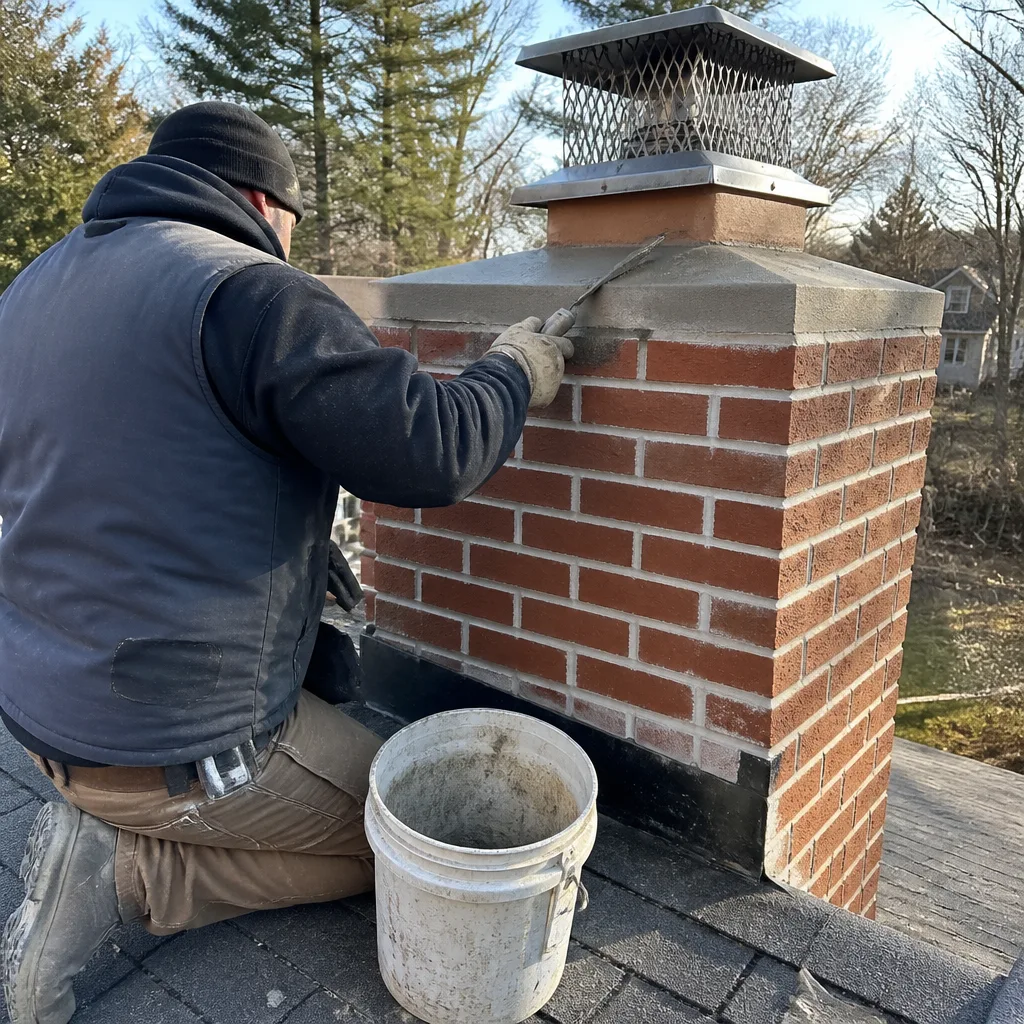
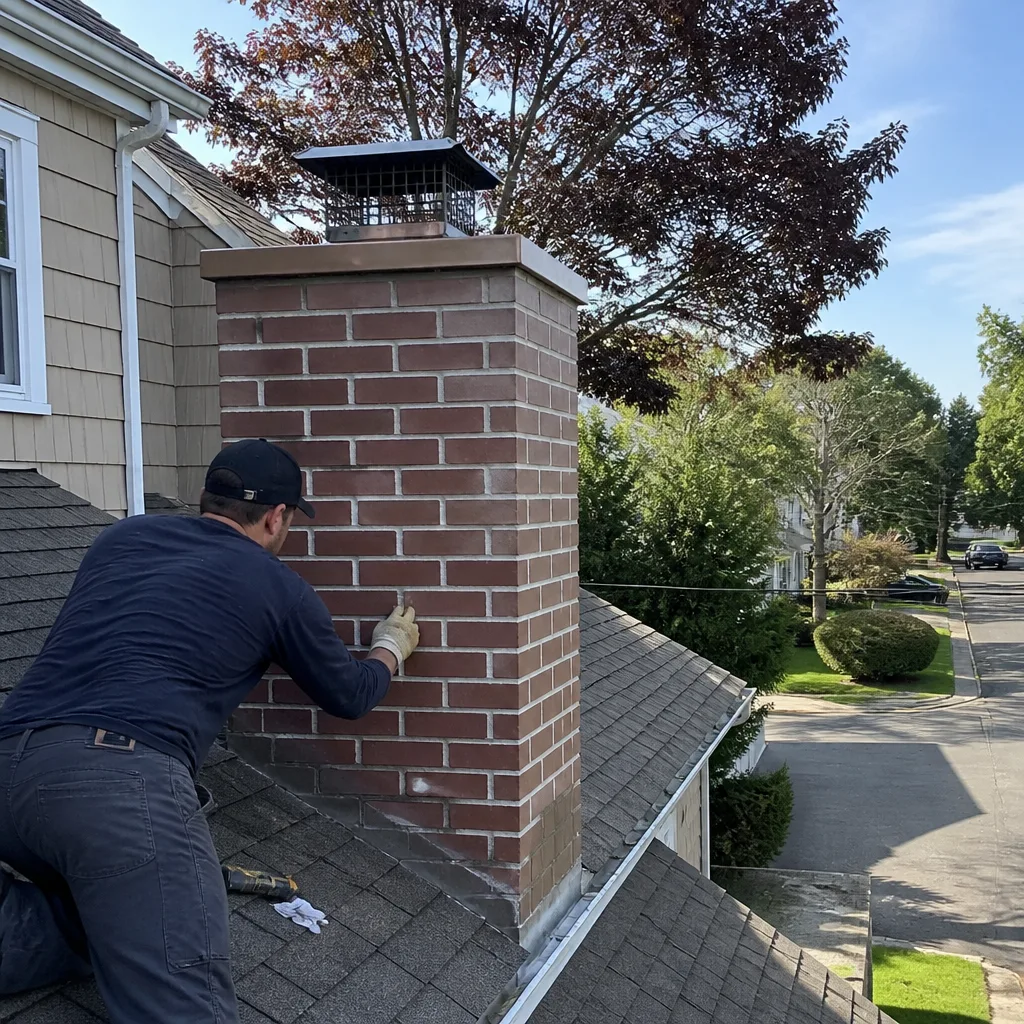
A Gelco crown repair in New York typically runs between $400 and $900 installed, depending on how much of the existing crown needs to be rebuilt and whether we’re working from a ladder or staging. We stock Gelco-compatible crown materials and CrownCoat sealant on our trucks, so most jobs are completed in a single visit. Most homeowners discover the problem the same way: water staining on the ceiling near the fireplace, or a drip they hear during a hard rain. By then the crown has usually been cracked for at least a season, and the freeze-thaw cycles of a New York winter have done the slow work of opening the gap wider each year.
Key takeaways:
- A failing crown lets water sit on top of the chimney, where it seeps into the brick and mortar below.
- Gelco CrownCoat is a repair product designed specifically for chimney crowns, not a generic sealant.
- We give a written price before we start and a written guarantee when we finish.
Which Gelco Models This Applies To
Gelco’s crown repair system centers on CrownCoat, a flexible polymer-based sealant that bonds to the existing crown surface. It’s not model-specific the way a damper or cap is, which means the same material works across masonry fireplaces, prefabricated units, and clay tile crowns. The compatibility question is less about the fireplace model and more about the crown’s condition. If the crown has hairline cracks, surface spalling, or minor mortar separation, CrownCoat is a direct match. If the crown is fractured in large sections, shifted, or missing chunks larger than a silver dollar, the repair shifts to a partial rebuild using new mortar before CrownCoat goes on as the top sealant layer.
One compatibility detail that catches people off guard: CrownCoat is not designed for use below 45°F during application. We schedule New York crown repairs for warmer stretches because the product needs proper curing temperatures to bond correctly. A crown sealed in cold weather looks fine for a week, then peels in sheets. We’d rather book a week out and do it once than rush it and warranty-call ourselves in a month.
We also stock crown repair materials from DuraFlex and HeatShield for situations where a different system fits better, but Gelco is the most common match for the atmospheric crown failures we see in New York masonry chimneys.
Styles & brands we work with
Signs Your Gelco Crown Repair Is Failing
- Water staining on the ceiling or wall where the chimney passes through. This usually means water has already moved past the crown and is working its way down through the chimney structure. The crown gap may be invisible from the ground, but the stain tells you the seal is gone.
- Spalling brick or flaking mortar at the top of the chimney. When water soaks into the brick and freezes, the surface pops. This is a New York freeze-thaw signature; you’ll see it as brick faces on the ground or a pile of sandy debris in the gutter near the chimney.
- Visible cracks in the crown wider than a coin edge. Hairline cracks can wait. A crack you can see from twenty feet away means the crown has already opened enough to hold water, and seasonal expansion is widening it each year.
- White chalky deposits (efflorescence) on the brickwork below the crown. This is dissolved mineral salts leaching out as water moves through masonry. It’s the crown failing, just announcing it from further down the stack.
- A damp smell near the fireplace after rain. Not smoke, not creosote: damp. That’s rainwater, and on a chimney with an intact cap and rain guard, the crown is the next point of entry.
See the difference
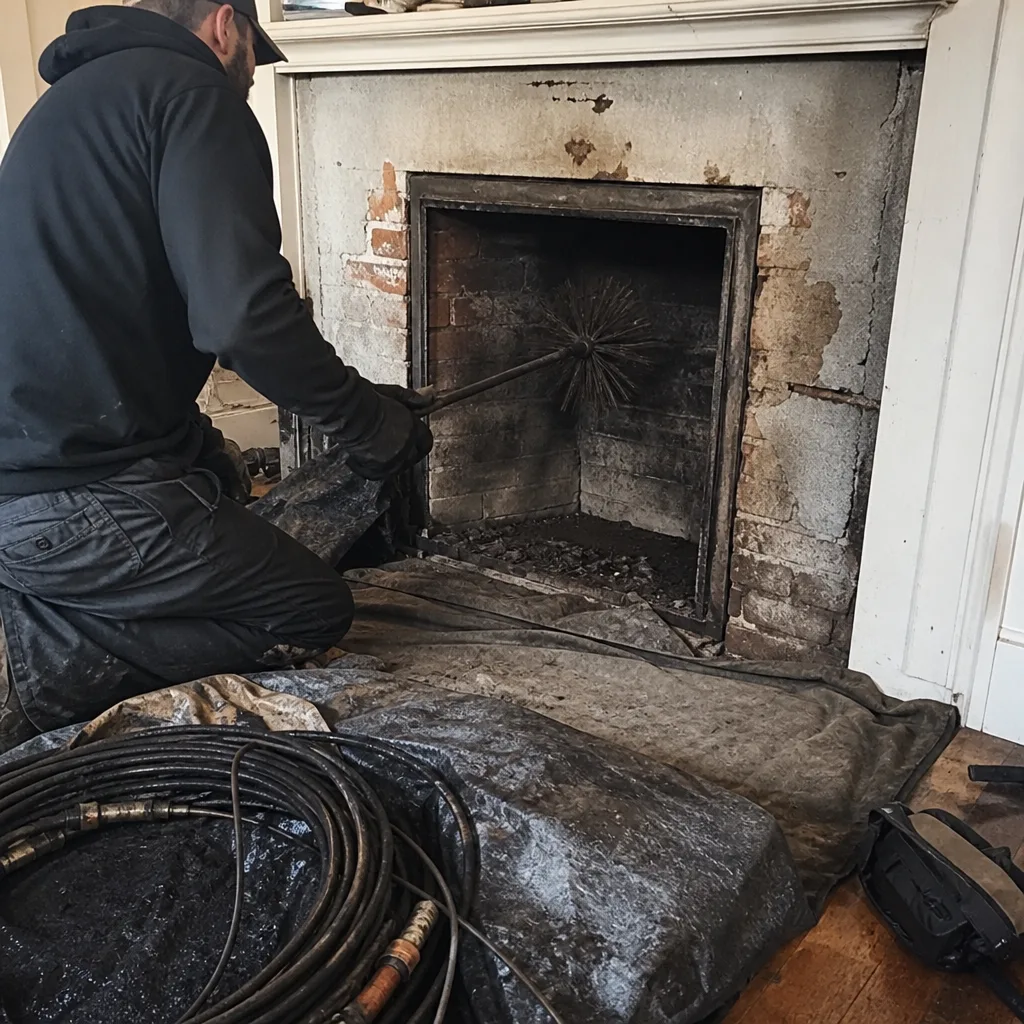 Before
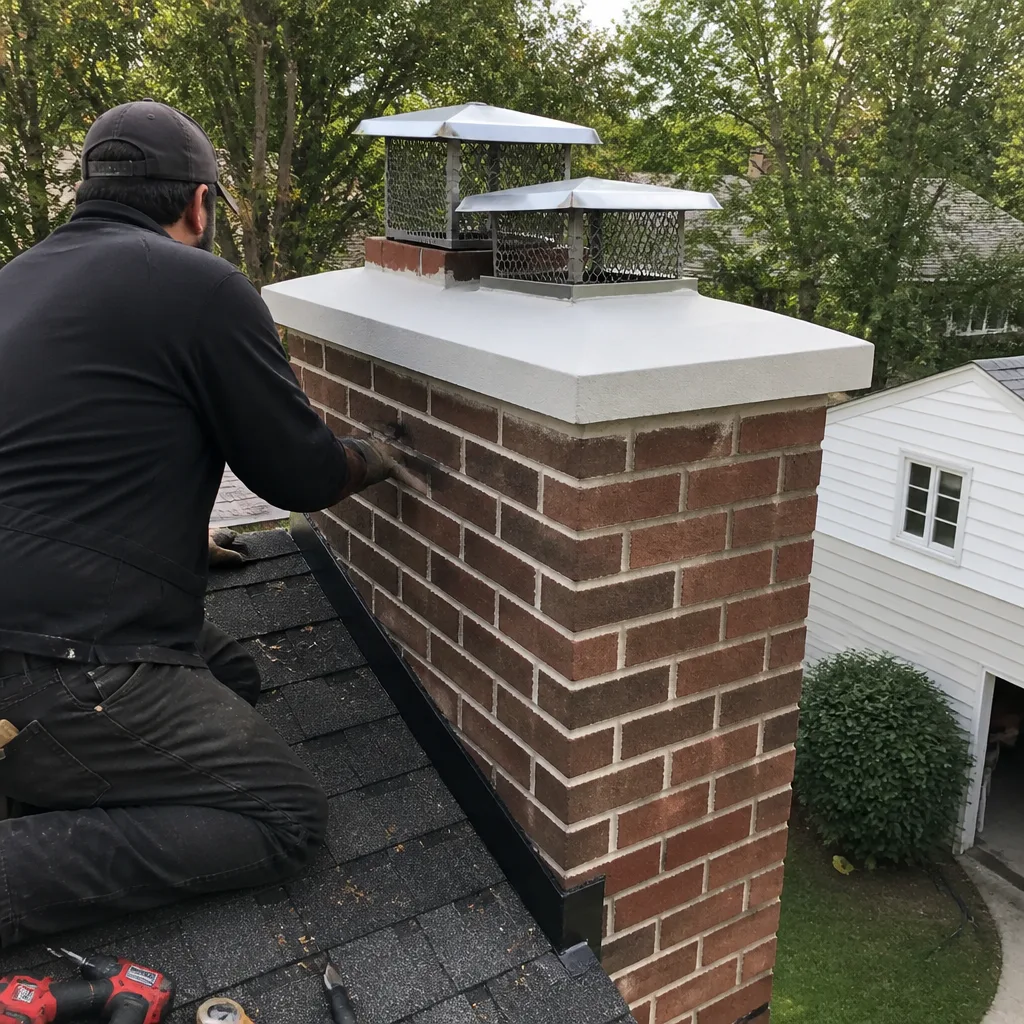 After
After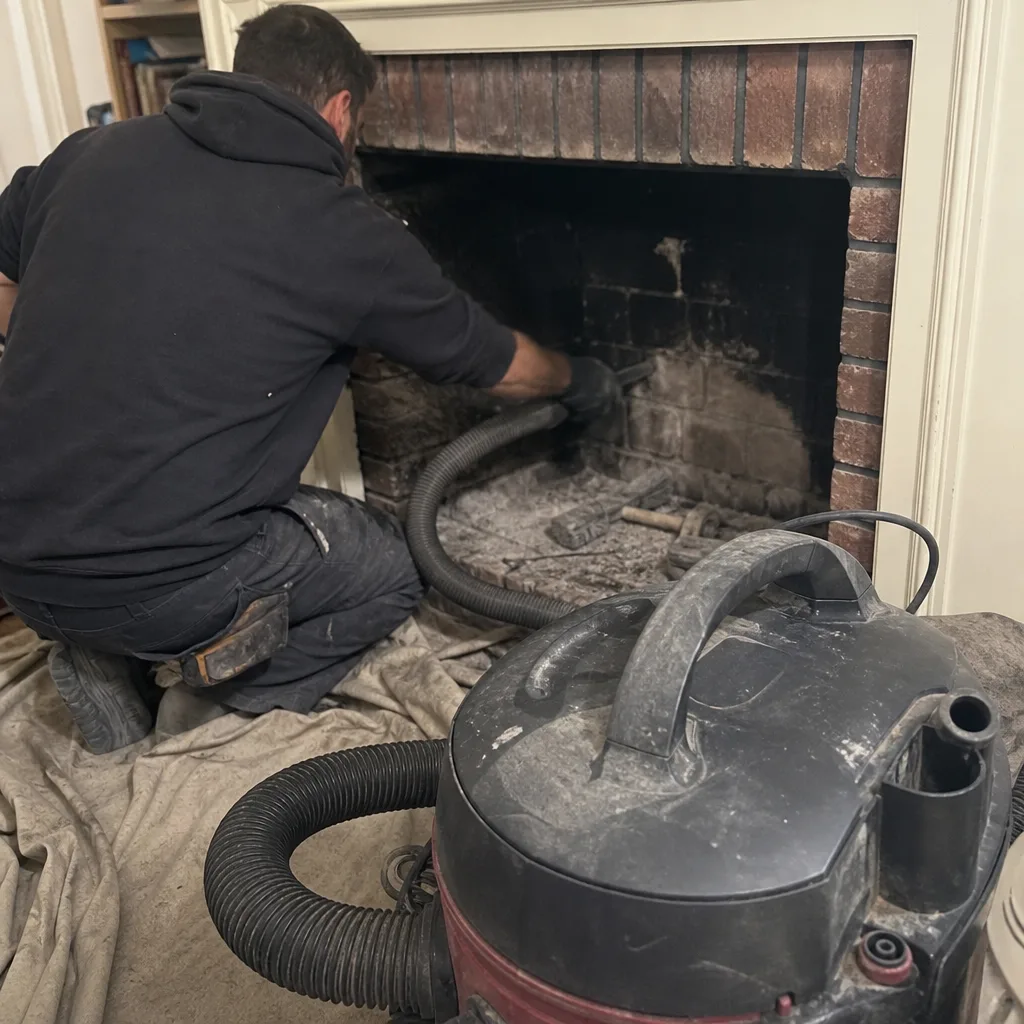 Before
 After
After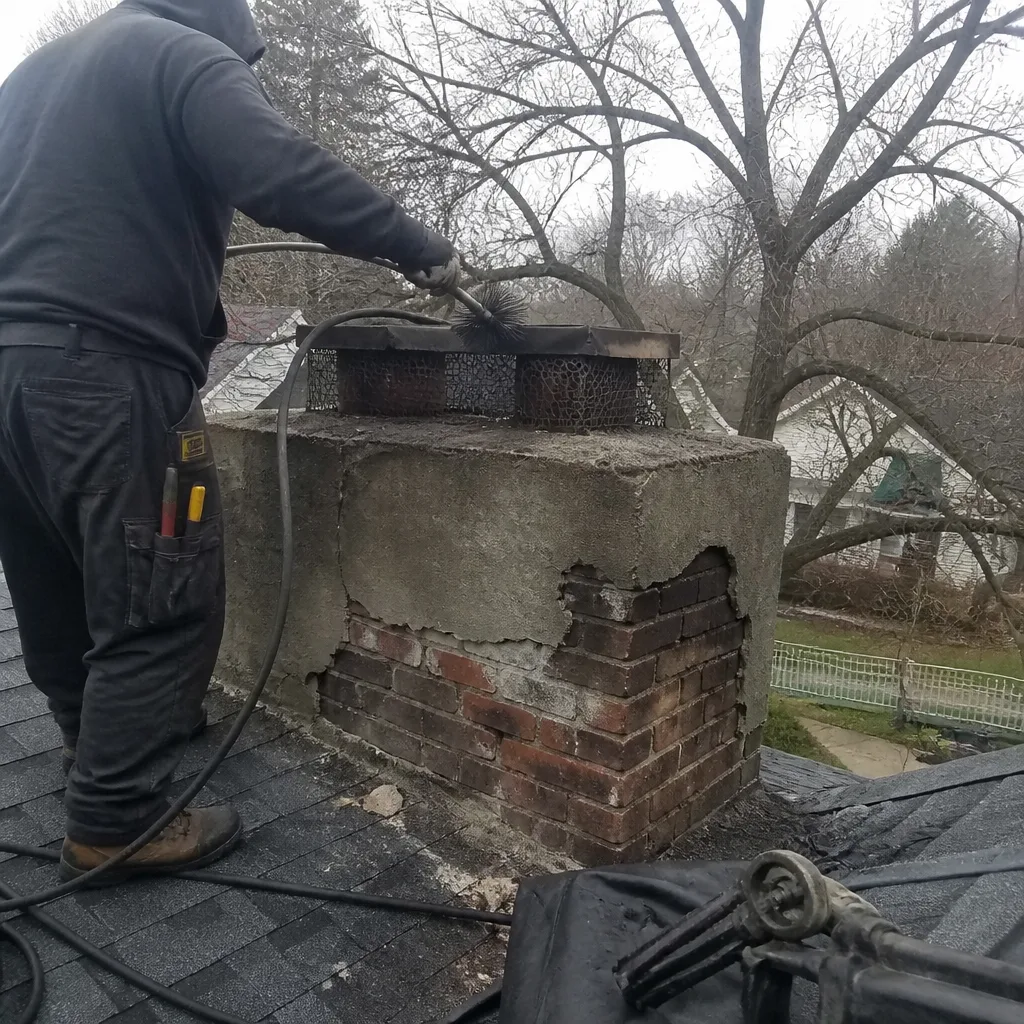 Before
 After
AfterReplacement Cost & What’s Included
Most Gelco crown repairs in New York run between $400 and $900 installed. The lower end is a clean crown with hairline cracking that just needs proper prep, CrownCoat application, and tooling. The upper end includes patching damaged mortar, rebuilding a section of crown edge, mounting staging for difficult roof access, or working on a crown that needs multiple coats and extended cure time between them.
What’s included in that number: the CrownCoat material and any necessary mortar or bonding primer, prep work including wire brushing and cleaning the existing crown surface, application, and tooling to direct water away from the flue. We don’t separate a materials line and then surprise you with a disposal fee. The written quote we give you before we start is the price on the invoice. And like every repair we do, the crown work carries our written guarantee. If a covered repair fails, we come back and fix it at no charge. That’s the 365-Day Done Right Promise, and it applies to this job the same as it does a full liner replacement.
DIY or Call Us?
The honest split goes like this: you can safely inspect a crown from the ground with a pair of binoculars. Look for the signs above. You can also check the attic-side chimney chase for water trails after a hard rain. That’s genuinely useful; it tells us where to start. What goes wrong in DIY is the actual repair. Crown work happens at roof height, on a sloped or uneven surface, with masonry tools. A fall from even a low roof in New York is life-altering, not a sprained ankle. Beyond the safety issue, CrownCoat has a specific application window and surface-prep requirement that’s easy to miss if you read the label once and go. A crown that peels because the temp dropped below 45°F mid-cure is a second repair you pay for out of pocket.
If you suspect your crown is opening up, call us at (315) 644-2982 and we’ll put eyes on it. We’ll tell you if it can wait or if it needs attention this season, and we’ll put the number in writing before anything gets scheduled.
FAQ
A properly applied Gelco CrownCoat repair lasts 8 to 12 years in New York’s climate. The freeze-thaw cycles are the main wear factor; the crown moves slightly with the seasons, and a flexible sealant is what lets the repair flex instead of crack. If the crown is rebuilt and then sealed, expect the upper end of that range. Call (315) 644-2982 and we’ll tell you what condition your crown is actually in before we quote anything.
Yes, if the cracks are surface-level and the crown hasn’t separated or shifted. Gelco CrownCoat bonds directly to the existing crown and fills hairline gaps with a flexible waterproof layer. If sections have broken off or the crown is fractured through, we patch those areas first with mortar, then seal the entire surface. We’ll show you what we see on camera before we recommend either path.
Most single-flue crown repairs in New York take one visit, usually two to four hours on site. That includes prep, application, and the first cure check. Cold weather adds time, which is why we schedule these for warmer stretches. We’ll give you a firm window when we book and call ahead to confirm the day before.
We keep Gelco CrownCoat and the necessary bonding primers and mortar repair materials on our trucks as standard stock, along with DuraFlex and HeatShield systems for cases where a different product fits better. If your crown job needs something specific we don’t have on the truck that day, we’ll tell you before you approve anything, and the written quote will reflect it.
If your Gelco crown looks rough and you want a straight answer on whether it’s urgent or can wait, call us at (315) 644-2982. We’ll talk through what you’re seeing, set an inspection if it makes sense, and give you a written price before we touch a single brush. Say the price first, put the findings in writing, and let the work speak for itself.
Written by Nathan Corliss, Owner, Ashby Chimney New York at Ashby Chimney New York, serving New York and nearby areas.