
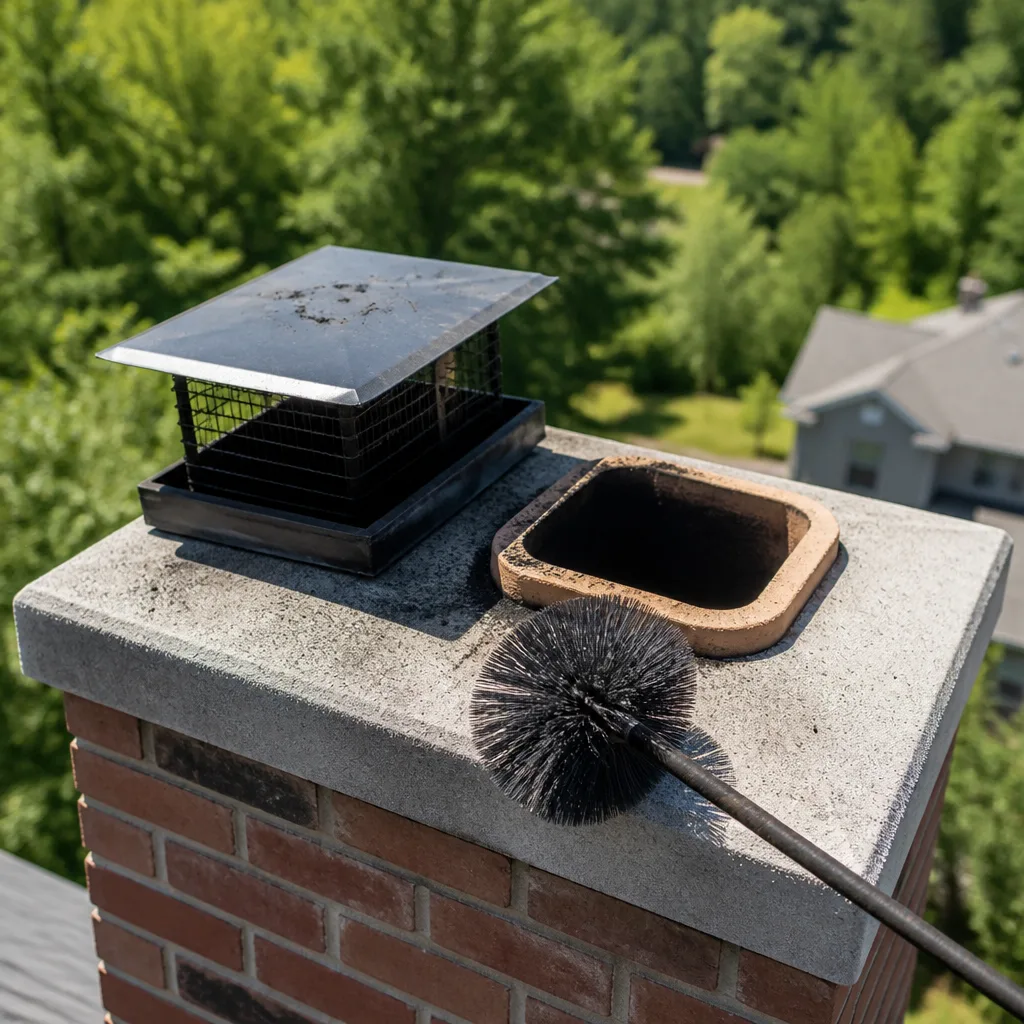
 Sweep & inspection
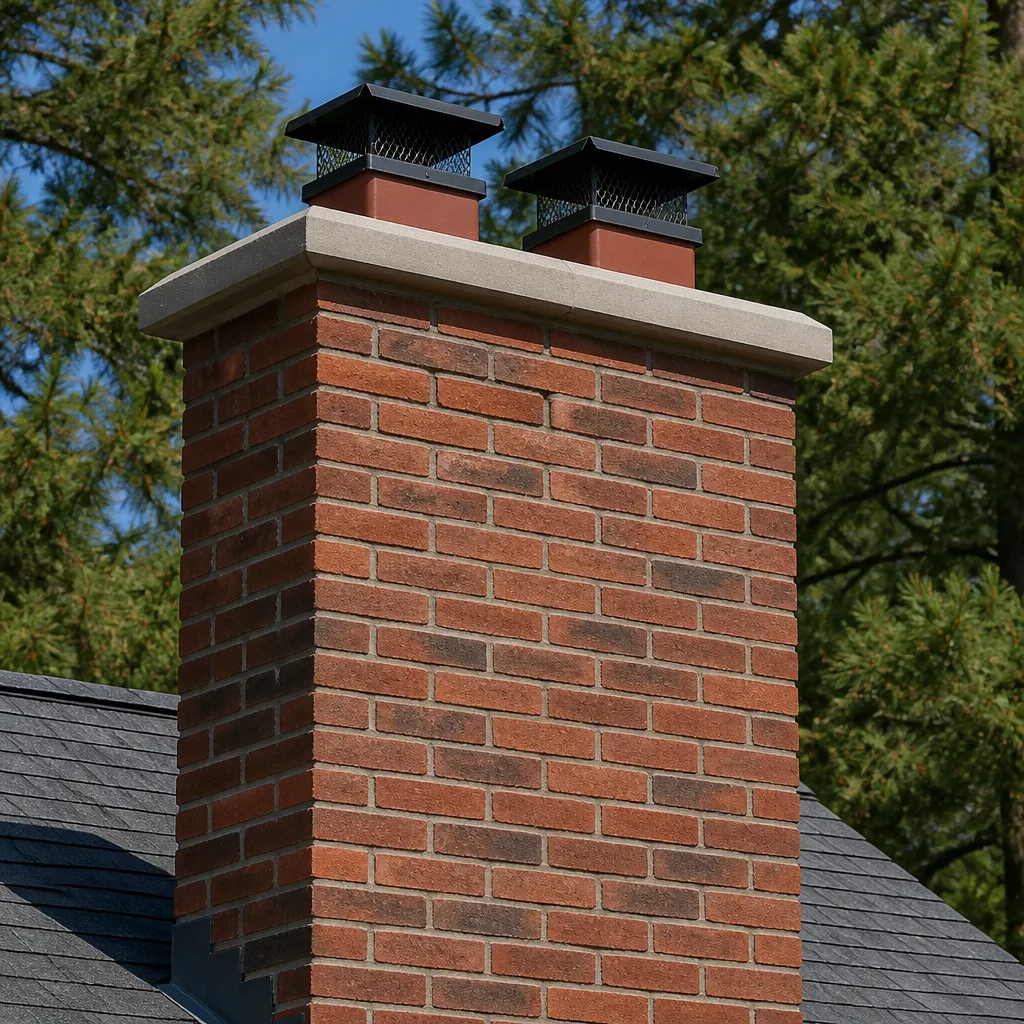 Caps & crowns
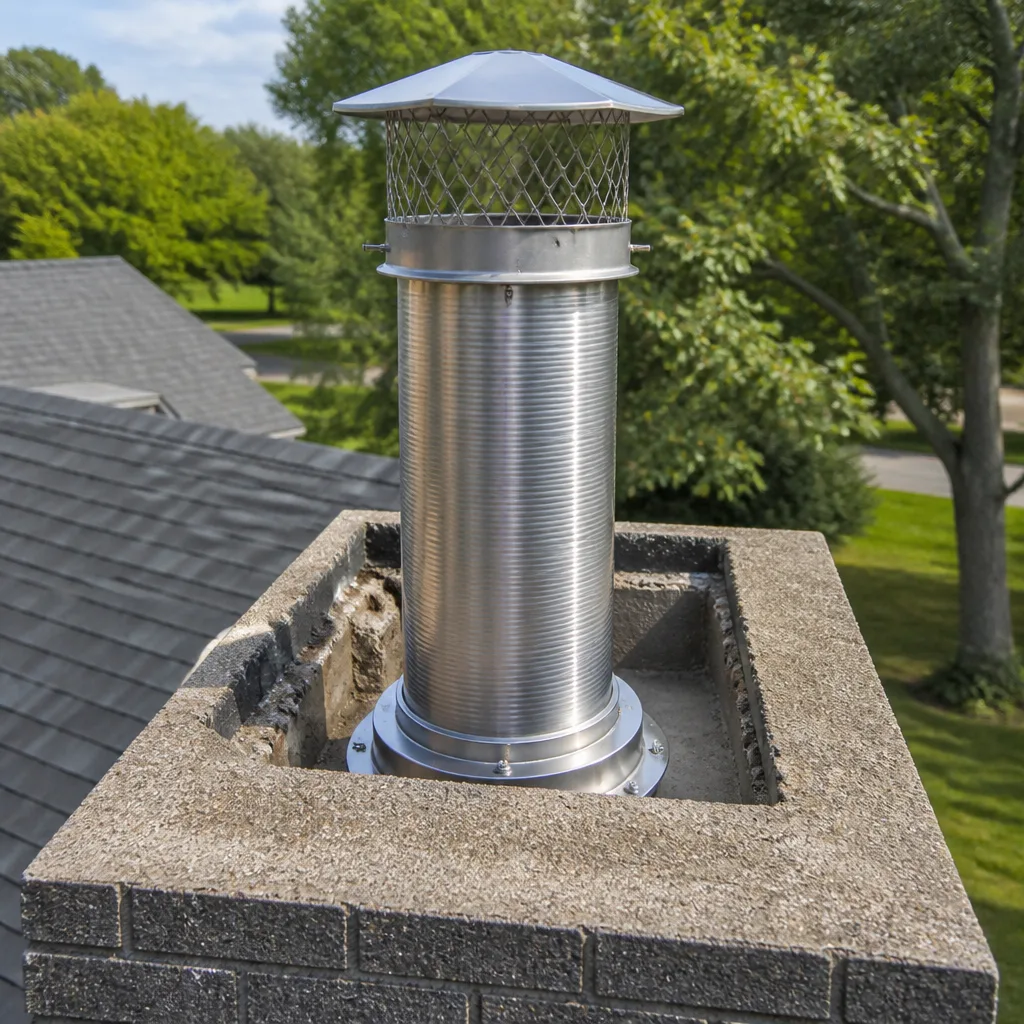 Flue relining
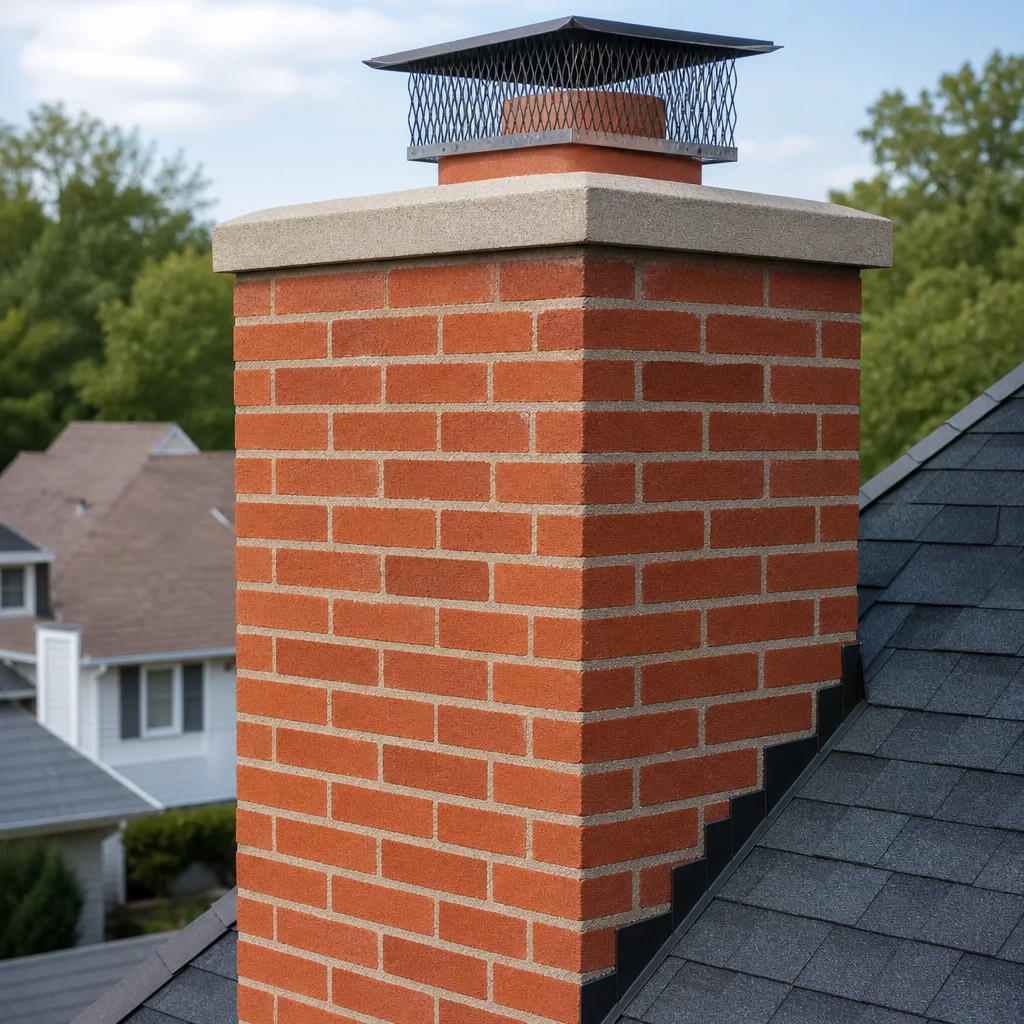 Masonry repair
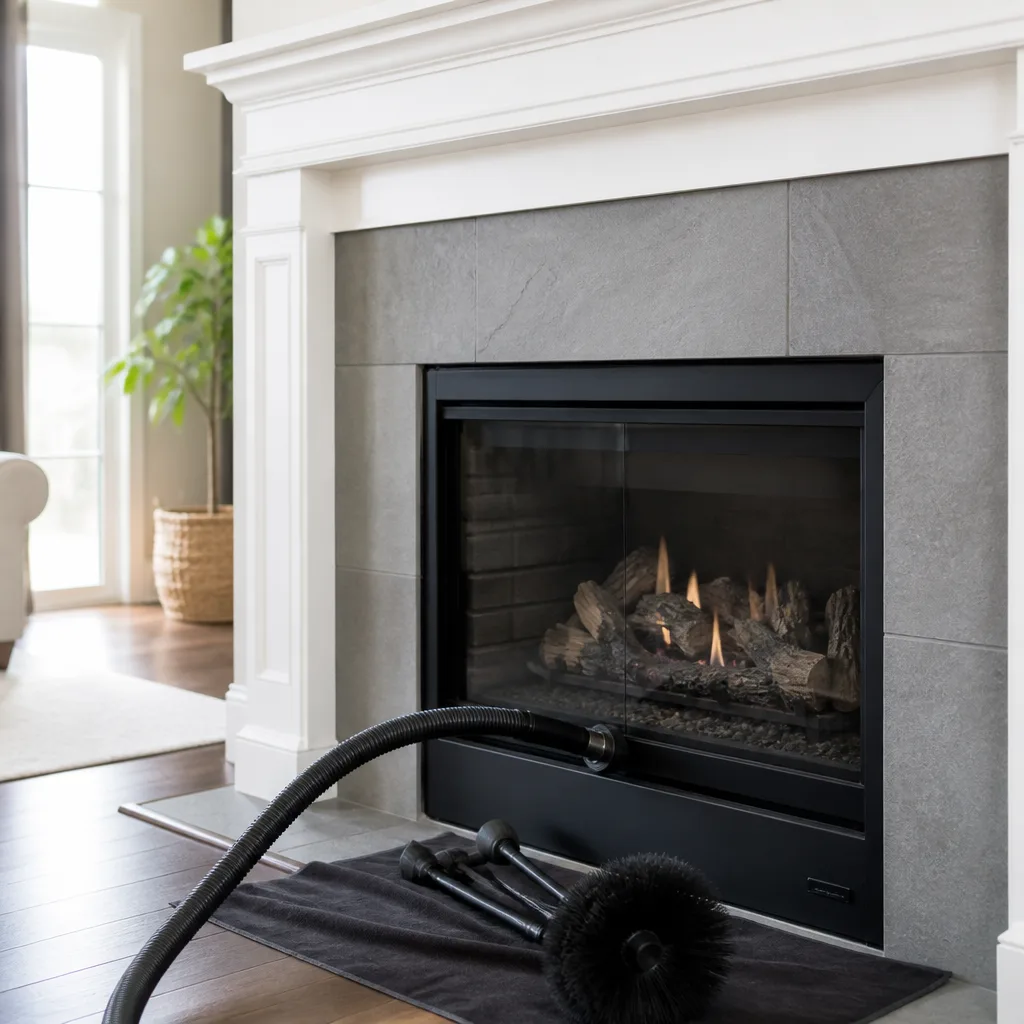 Gas fireplace service
Level 1 sweep and inspection to the NFPA 211 annual standard - flue, crown, cap, and flashing checked and photographed
Chimney sweep logs do not sweep chimneys. They loosen some creosote - which then falls where a brush and vacuum still have to collect it.
Styles & brands we work with
See the difference
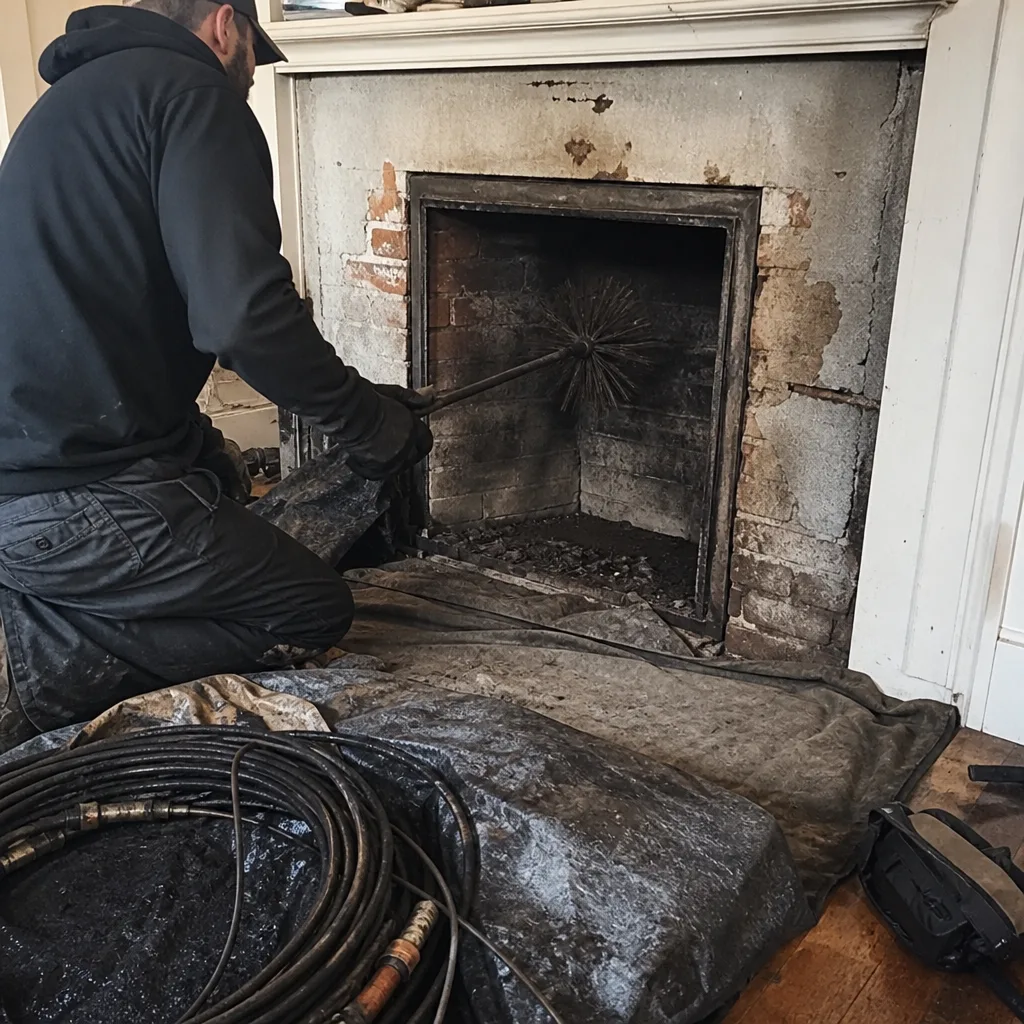 Before
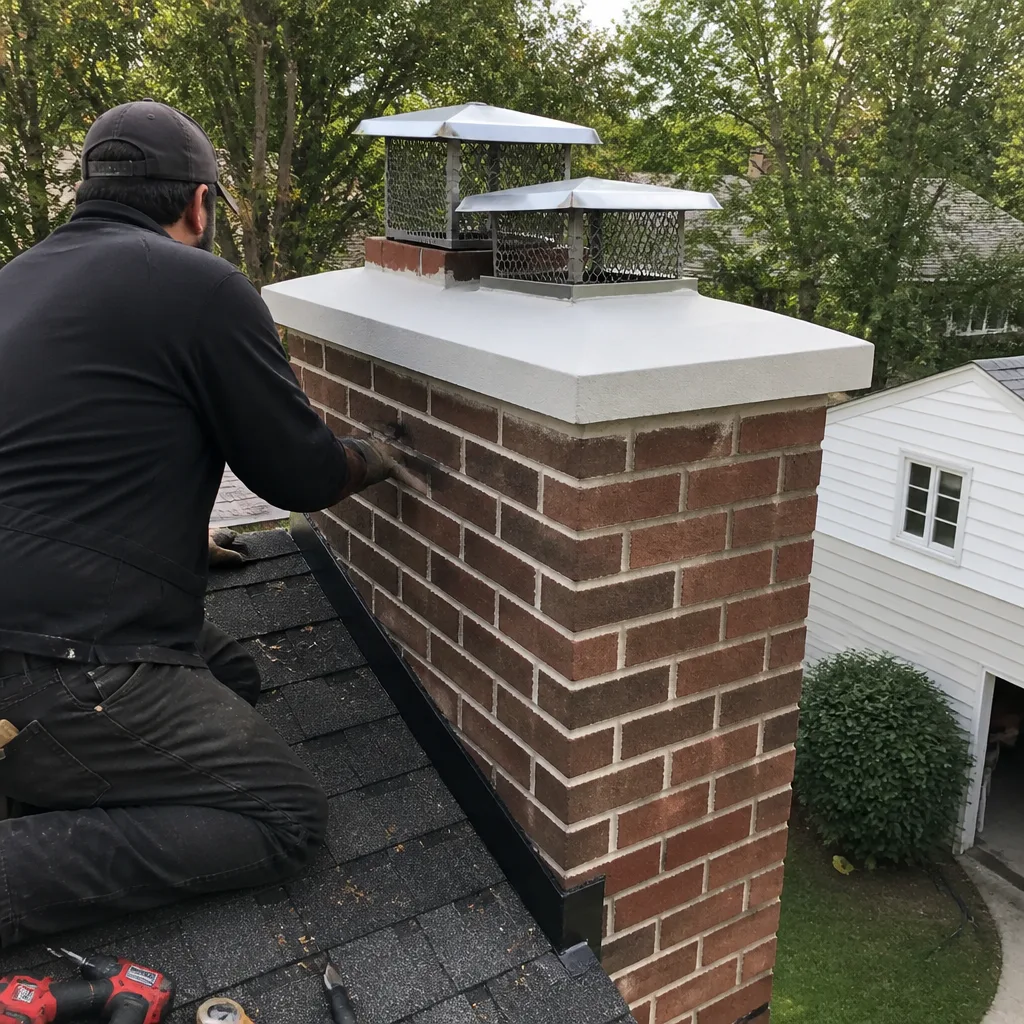 After
After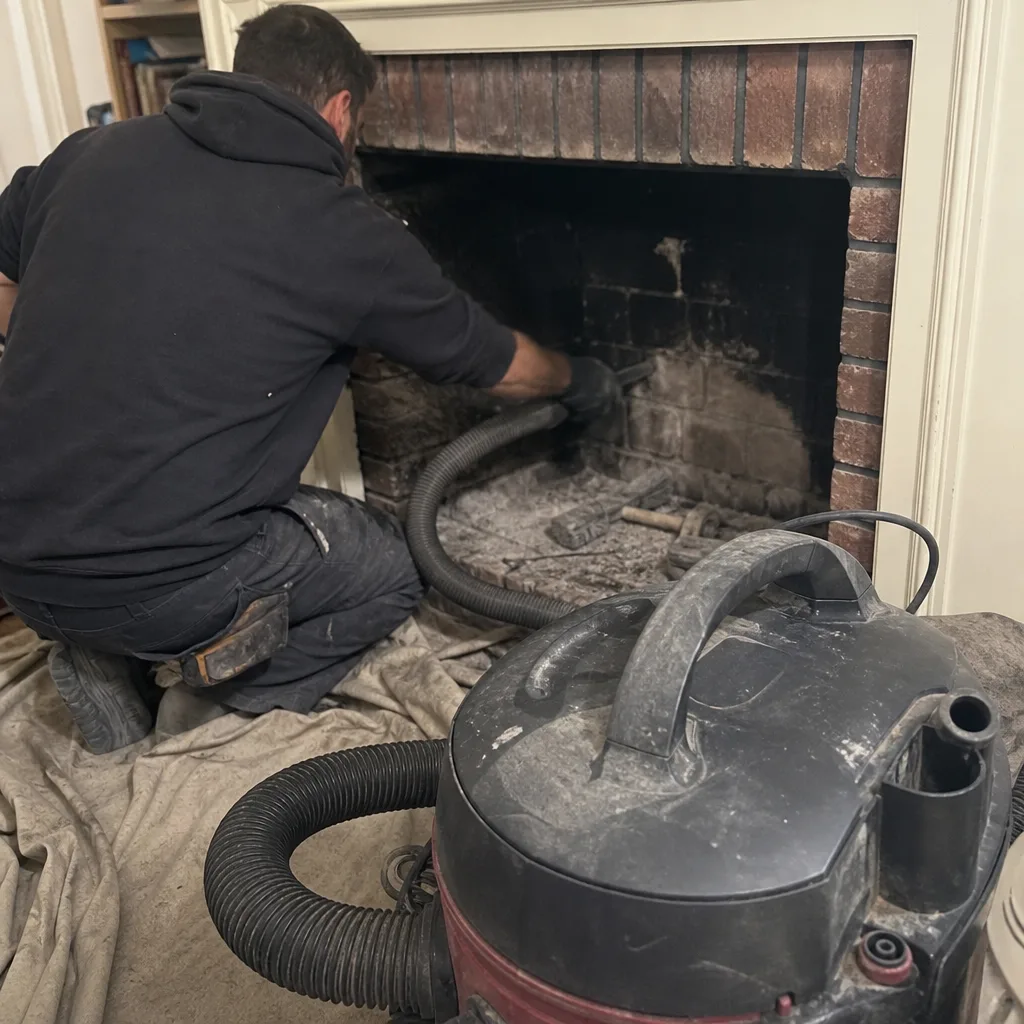 Before
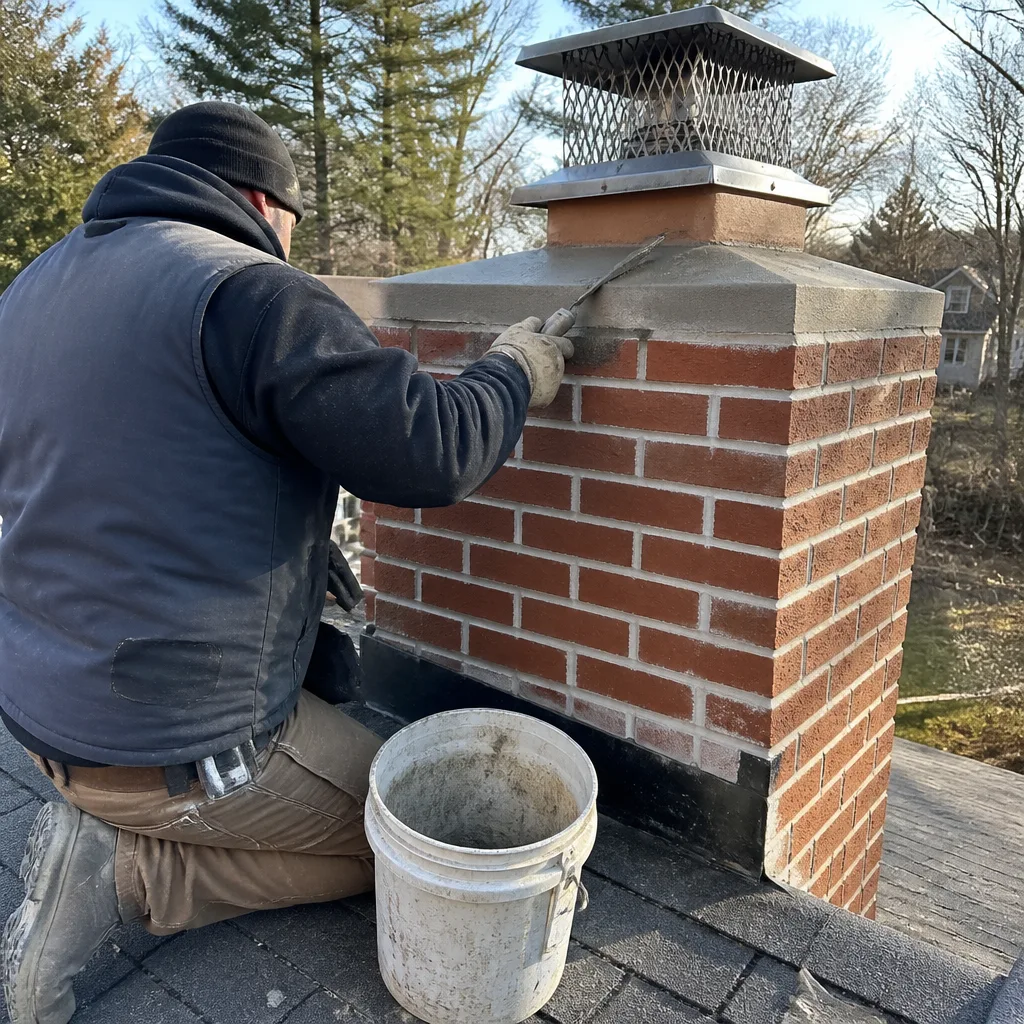 After
After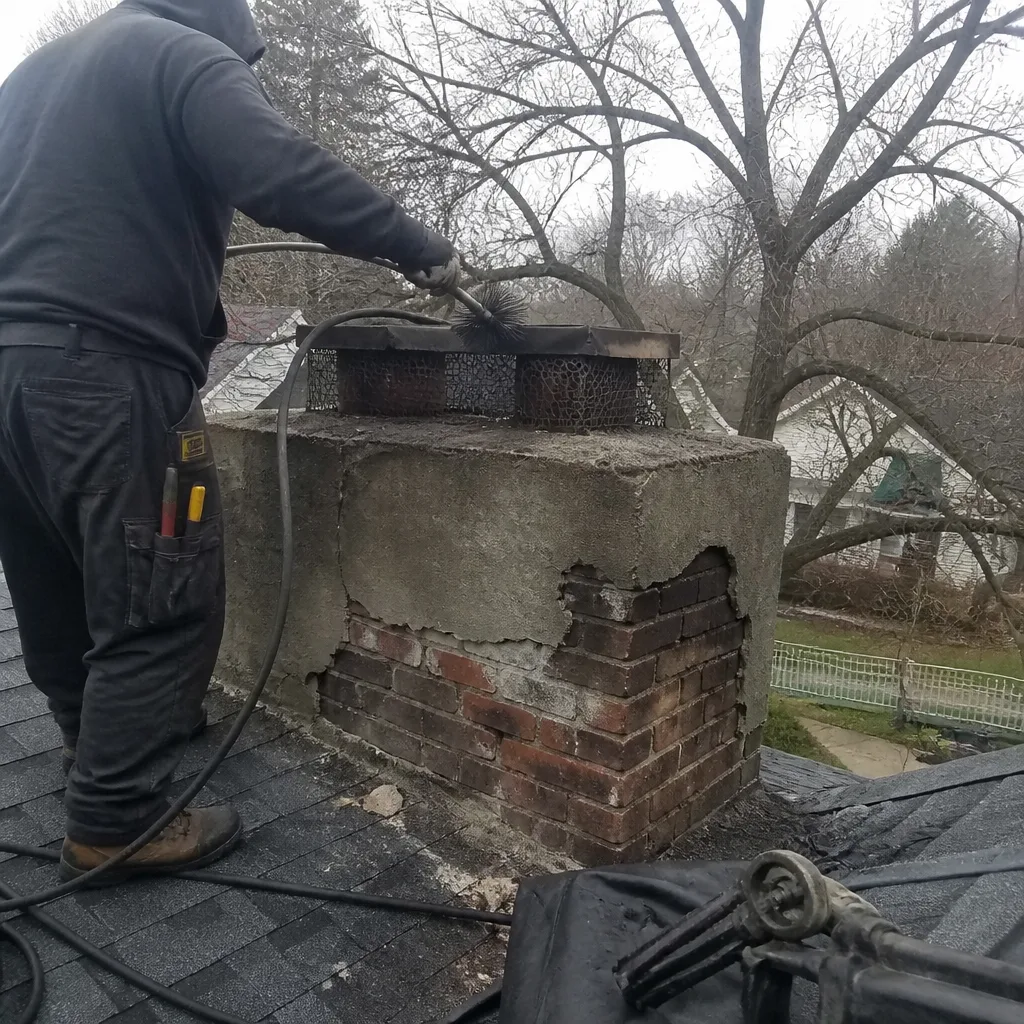 Before
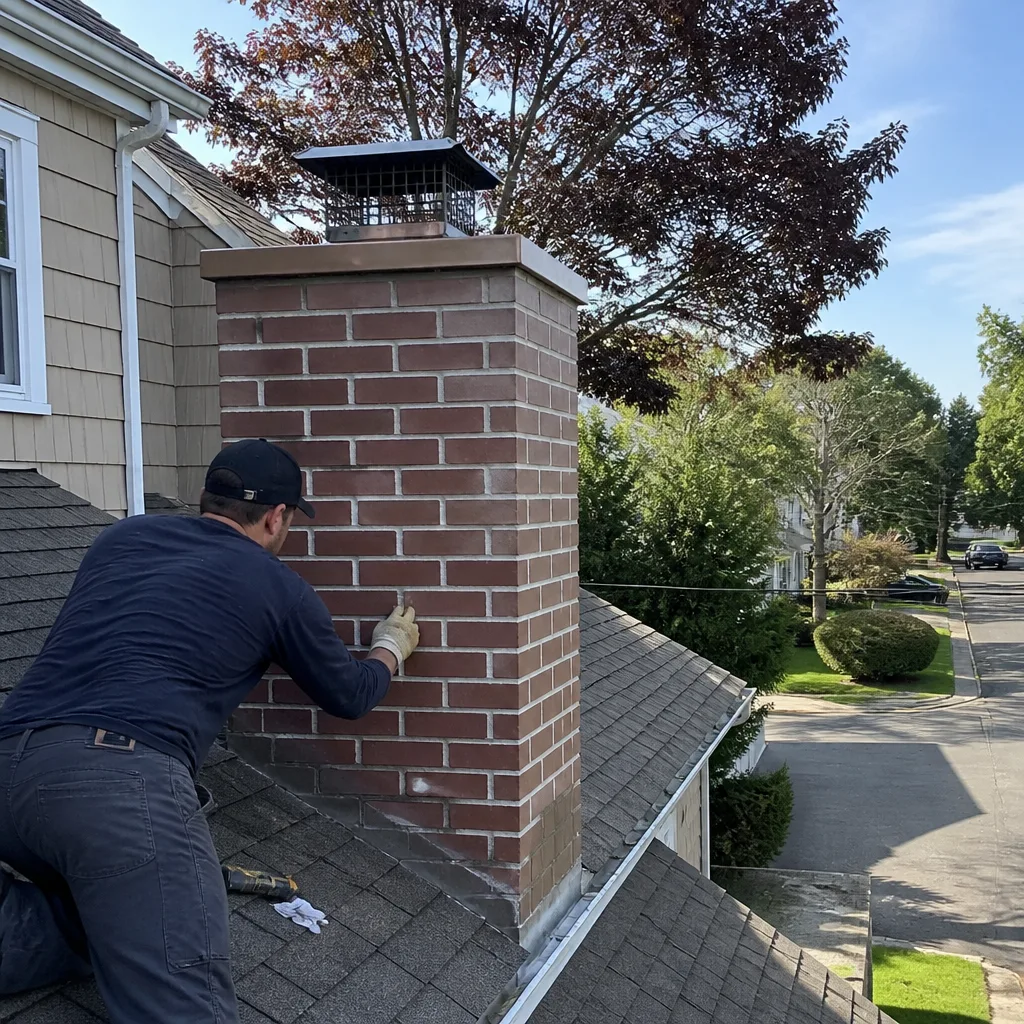 After
AfterSoot Removal in New York, NY
Soot removal in New York typically costs between $180 and $450 depending on how much buildup is present and whether the flue liner needs specialized treatment. Most jobs are completed in under two hours, and at Ashby Chimney New York we give you a written price before any work starts, so the number we quote at the door is the number on the invoice. That’s how we’ve operated since 2002, and it’s the same promise Nathan Corliss makes on every service call we run across the five boroughs.
Soot is the black, powdery residue left behind when wood, pellets, or even natural gas doesn’t burn completely inside your fireplace or heating system. Left alone, it clings to the flue liner (the clay or steel tube that vents combustion gases out of your home), blocks airflow, and creates a genuine fire risk. Our full Chimney Cleaning & Sweep in New York service includes soot removal as a core step, but some fireplaces and heating appliances need dedicated attention above and beyond a standard sweep.
At Ashby Chimney New York, the name fits the work. Ashby carries ash right in the name, and clearing out soot is exactly what we’re built to do. If you’re seeing black streaks above the fireplace opening, noticing a campfire smell that won’t fade, or hearing a faint damper rattle that wasn’t there before, call (315) 644-2982 and we’ll walk you through what’s happening.
When You Need Soot Removal
Not every fireplace needs soot removal as a separate job. A standard chimney sweep clears most routine buildup. But there are specific conditions, common in New York’s older brownstones, prewar apartment buildings, and converted townhouses, where soot demands its own focus. Here’s what we see regularly across Manhattan, Brooklyn, and Queens:
- Black dust settling on furniture near the fireplace. Fine soot particles escape the firebox when the flue can’t draw properly, and you’ll see a greasy black film on mantels, shelves, and fabric within ten feet of the hearth.
- A persistent smoke smell that stays for days after the last fire. Soot absorbs moisture and odor. In New York’s humid summers, that smell gets stronger, not weaker.
- Soot falling back into the firebox when you close the damper. This happens when buildup on the smoke shelf or damper plate has gotten thick enough to flake off in chunks.
- Visible black residue inside the flue opening. If you shine a flashlight up past the damper and see what looks like charred velvet rather than the surface of the liner, you’re looking at creosote and soot that a routine sweep alone may not fully clear.
- A gas fireplace that’s leaving black marks on the glass or logs. Gas logs produce a fine, sticky soot when the air-to-fuel mix is off, and it behaves differently than wood soot. It’s very common in New York apartments where gas fireplaces run daily through the winter.
- An older home with no record of a recent chimney service. Soot buildup compacts over time. In New York, where some flues are 80 to 120 years old, hardened soot becomes a different cleaning job entirely.
If any of these match what you’re seeing, we can come take a look. We answer the phone around the clock, seven days a week, with a live person. No voicemail loops, no waiting through a callback form. Call (315) 644-2982 and tell us what you’re seeing.
Our Soot Removal Process
Nathan Corliss runs every job the same way he has since Ashby Chimney New York started in 2002: say the price, explain the work, put the guarantee in writing. Here’s what happens when we arrive at your home in New York.
- We inspect before we touch anything. Every soot removal starts with a look at the flue, the damper, the smoke shelf, and the firebox. We check the liner condition and identify whether you’re dealing with basic wood soot, hardened creosote, or gas-appliance soot. This sets the scope and the price.
- We give you a written price. Before any brush or vacuum turns on, you get a written quote. If the job turns out to be smaller than expected, you pay less. If it’s bigger, we don’t start until you approve the new number. The invoice matches the quote, always.
- We protect the room. Soot is airborne and it travels. We lay down drop cloths, seal off the hearth opening with a high-filtration vacuum running, and keep the workspace contained. When we leave, the room looks the way we found it, minus the soot.
- We remove the soot with the right tools for your setup. For wood-burning fireplaces we use rotary brushes matched to the liner size. For gas fireplaces we use gentler methods that won’t damage ceramic logs or glass. We always use professional-grade materials from recognized chimney-trade suppliers like Olympia Chimney and Copperfield, not whatever happens to be in the van.
- We check airflow and draft. Soot removal is only half the job. We confirm the flue draws correctly, the damper opens and closes fully, and no blockage remains in the smoke chamber. If we find a problem inside the liner, we’ll show you and explain your options.
- We put the guarantee in writing. Every repair we complete is backed by a written guarantee under the 365-Day Done Right Promise. If the issue returns within the guarantee period, we come back and fix it at no charge. That’s the Kingswell Way: say the price, show up in the window, leave it cleaner, put the guarantee in writing, come back if it fails.
When the job is done, we’ll walk you through what we removed and what we saw. You’ll know the condition of your chimney before we leave, not after you get a surprise follow-up call.
Soot Removal Pricing in New York
Here’s what soot removal costs in New York right now, based on the jobs we run across the city. These are honest ranges, not website teasers. The final number depends on how much buildup you have, your liner type, and how accessible your roof or flue opening is.
| Service | Typical Price Range | What Affects It |
|---|---|---|
| Standard soot removal (wood-burning fireplace) | $180 – $300 | Mild to moderate buildup, single flue, standard brick chimney |
| Heavy or compacted soot removal | $300 – $450 | Years of layered soot, narrow flue, steep roof access common in Brooklyn and Queens row houses |
| Gas fireplace soot removal | $150 – $260 | Glass cleaning, log detailing, and burner air-mix check included |
| Soot removal plus chimney sweep | $280 – $480 | Full cleaning from firebox to cap, including soot extraction at every level |
| Soot stain treatment on brick or stone facing | $120 – $250 | Surface-specific cleaning for black staining around the fireplace opening |
A few things move the number. Older New York homes with unlined or clay-tiled flues often hold more soot because the surfaces are rougher and grab particles. Gas fireplaces that run daily from November through March build up fine, sticky soot faster than occasional wood burners. And roof access matters: a fourth-floor walk-up in Manhattan with a roof hatch costs more to service than a single-story with a ladder-friendly slope.
Every estimate is free. We’ll give you a written price before anything starts. Call (315) 644-2982 and we’ll set a real arrival window, not a four-hour “sometime between noon and whenever.”
Why Soot Builds Up Faster in New York
New York’s housing stock creates soot conditions you rarely see in suburban single-family homes elsewhere. Understanding this helps you know what to expect, whether you’re in a prewar co-op on the Upper West Side or a converted brownstone in Park Slope.
First, many flues in the city are original to buildings constructed between 1880 and 1940. That means unlined brick, rough mortar joints, and interior surfaces that catch soot like sandpaper. Even after a thorough cleaning, these flues re-accumulate soot faster than a modern stainless steel liner like DuraFlex would. We can’t change the age of your building, but we can adjust how frequently you need service and what method we use.
Second, New York’s air itself contributes. City air carries more particulate matter than rural air, and when a fireplace draws combustion air from inside the home, it’s pulling in whatever the building is breathing too. More particulates in the air means more soot forming during incomplete combustion.
Third, space constraints. New York chimneys often run through interior walls with multiple offsets and tight angles. A straight flue in a suburban colonial moves air cleanly. A New York flue that jogs around a beam, a stairwell, and a plumbing stack creates turbulence points where soot drops out of the draft and accumulates in pockets. Those pockets are where we focus during soot removal, because that’s where a standard sweep misses buildup and where future chimney fires start.
If you’re in a building with a shared flue, this gets more complicated. We’ll walk you through what’s actually happening in your specific chimney before we touch anything.
What Happens If You Skip Soot Removal
We don’t do scare tactics, and we won’t tell you your house is about to burn down because that’s not how honest chimney work gets done. But the physical reality of soot is straightforward, and you should know it.
Soot is unburned carbon. It’s fuel, and it sits inside a space that gets hot. When soot accumulates beyond a quarter-inch, it becomes a legitimate fire risk. The chimney fire you’ve heard about happens when that fuel layer ignites. Even without a full chimney fire, soot restricts the flue. Restricted airflow means smoke pushes back into your living space instead of venting up and out, and that smoke carries carbon monoxide.
Then there’s the structural side. Soot is acidic. When it mixes with the moisture that’s already present in a New York flue, it creates a mildly acidic paste that eats at mortar joints and brick faces over time. We see flue liners in Queens and Brooklyn that look structurally fine from the outside but are crumbling inside because twenty years of soot sat there unattended.
None of this is urgent in the next ten minutes. But if you’re seeing soot falling into the firebox or catching that smell weeks after burning, the buildup isn’t going to fix itself. Call (315) 644-2982 and we’ll come look. The estimate is free.
FAQs – Soot Removal
How much does soot removal cost in New York?
Soot removal in New York typically runs between $180 and $450, with most standard wood-burning fireplace jobs landing in the $180 to $300 range. Gas fireplace soot removal usually costs $150 to $260, while heavy or compacted soot in older flues can reach $450. Ashby Chimney New York gives you a written price before any work begins, and estimates are always free. Call (315) 644-2982 for an exact quote on your fireplace.
Is soot removal the same as a chimney sweep?
No. A chimney sweep clears the full system from firebox to cap, including loose soot, creosote, and debris. Soot removal is a focused service for heavy or sticky soot that needs more attention than a standard sweep gives it, often because it’s compacted, coating a gas fireplace, or leaving stains on visible brick. We’ll tell you which one you actually need after we inspect, and we won’t sell you the bigger job if the smaller one is right.
Can you remove soot from gas fireplace glass and logs?
Yes. Gas fireplace soot is different from wood soot, it’s finer, stickier, and it clings to glass and ceramic logs. We clean the glass with non-abrasive methods, detail the logs without damaging the ceramic surface, and check the air-to-fuel mix so the soot doesn’t come right back. Most gas fireplace soot removal jobs in New York run $150 to $260 and take about an hour.
How often should soot be removed from a New York chimney?
For most New York homes with wood-burning fireplaces, a full chimney sweep that includes soot removal should happen once a year, ideally in late summer or early fall before burning season starts. Gas fireplaces should be checked and cleaned every one to two years depending on use. Homes with older unlined flues or daily gas fireplace use through the winter often need attention more frequently. We’ll give you a straight recommendation after your first inspection, based on what we actually see in your flue.
Will soot removal make my house smell better?
It usually does. Soot traps moisture and holds onto the smell of every fire you’ve ever burned, and in New York’s humid months that smell seeps back into the room. Removing the soot removes much of the odor source. If the smell continues after cleaning, the problem is usually a draft issue or moisture in the flue, and we’ll diagnose that while we’re there. Call (315) 644-2982 and we’ll help you figure out what’s going on.
Do you use harsh chemicals to remove soot?
Rarely. Most soot removal is mechanical, brushes and vacuum systems, plus soot sponges for visible surfaces. We use chemical treatments only when the job genuinely requires them, and we always tell you before we use anything that isn’t a brush and a vacuum. The materials we use come from established chimney-trade suppliers like Famco and Copperfield, so you know exactly what’s going into your home.
Key Takeaways
- Soot removal in New York typically costs $180 to $450, depending on buildup, liner type, and access.
- Ashby Chimney New York has served New York since 2002, with background-checked, uniformed technicians on every visit.
- Every job gets a written price before work begins and a written guarantee under the 365-Day Done Right Promise.
- If a covered repair fails during the guarantee period, we return and fix it at no charge, no exceptions.
- We answer the phone 24/7 with a live person. Call (315) 644-2982 for a free estimate and a real arrival window.
Get Your Soot Problem Handled
If soot is collecting around your fireplace, falling into your firebox, or leaving black streaks on your walls, the fix is straightforward. We’ll come look, give you a written price, and do the job right the first time. Since 2002, Nathan Corliss and the team at Ashby Chimney New York have been cleaning New York’s chimneys the Kingswell Way. You’ll get a live person on the phone, a technician who arrives when we said he would, and a written guarantee on every repair.
Call (315) 644-2982 for a free estimate. We serve all of New York, and we’ll schedule a visit that works around your day, not the other way around.
Written by Nathan Corliss, Owner at Ashby Chimney New York, serving New York.