
Last updated October 15, 2026
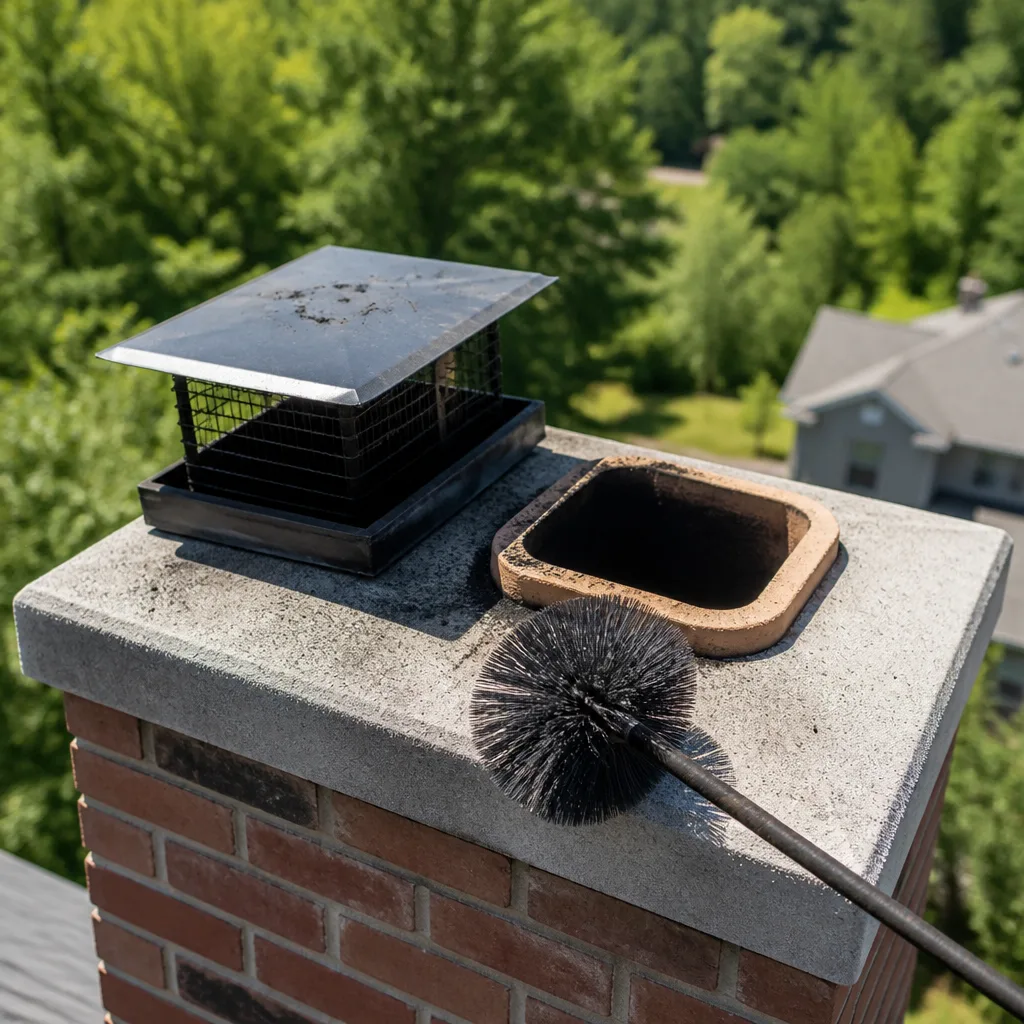 Sweep & inspection
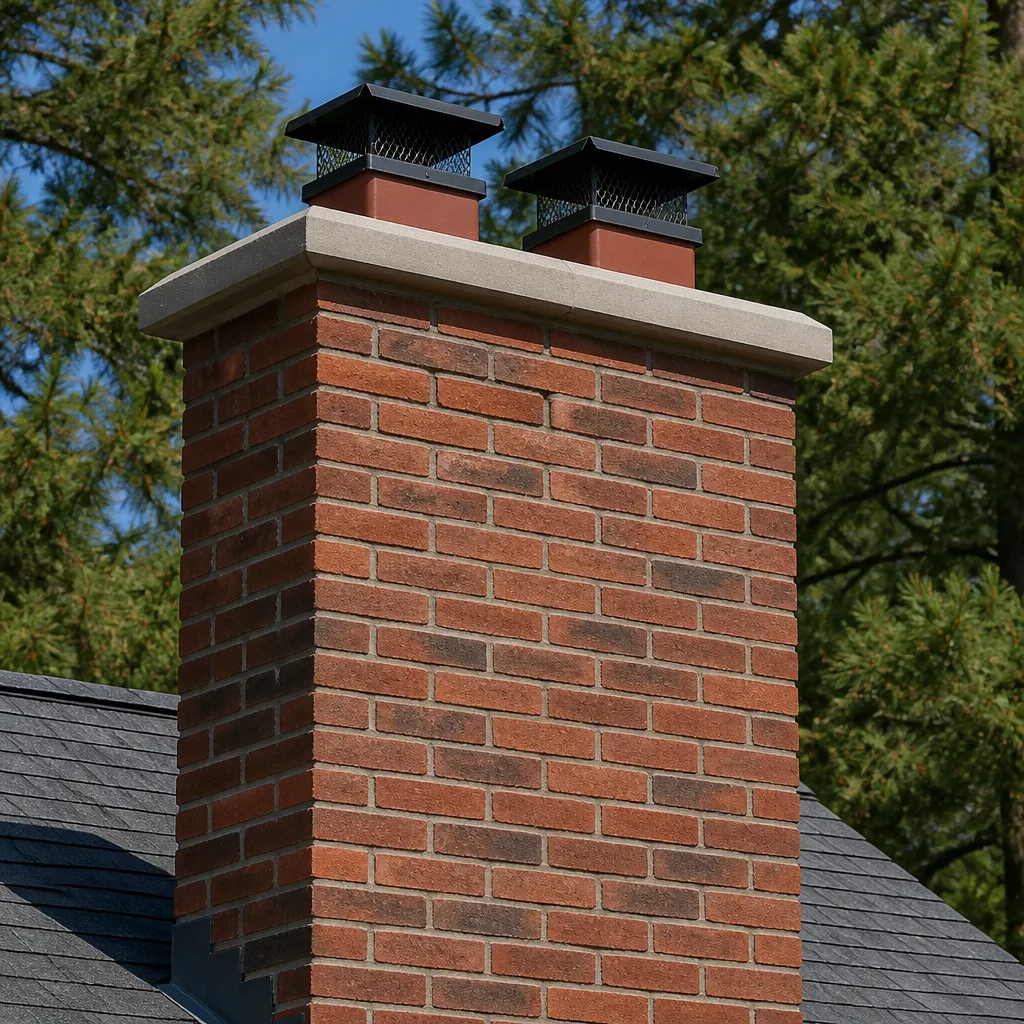 Caps & crowns
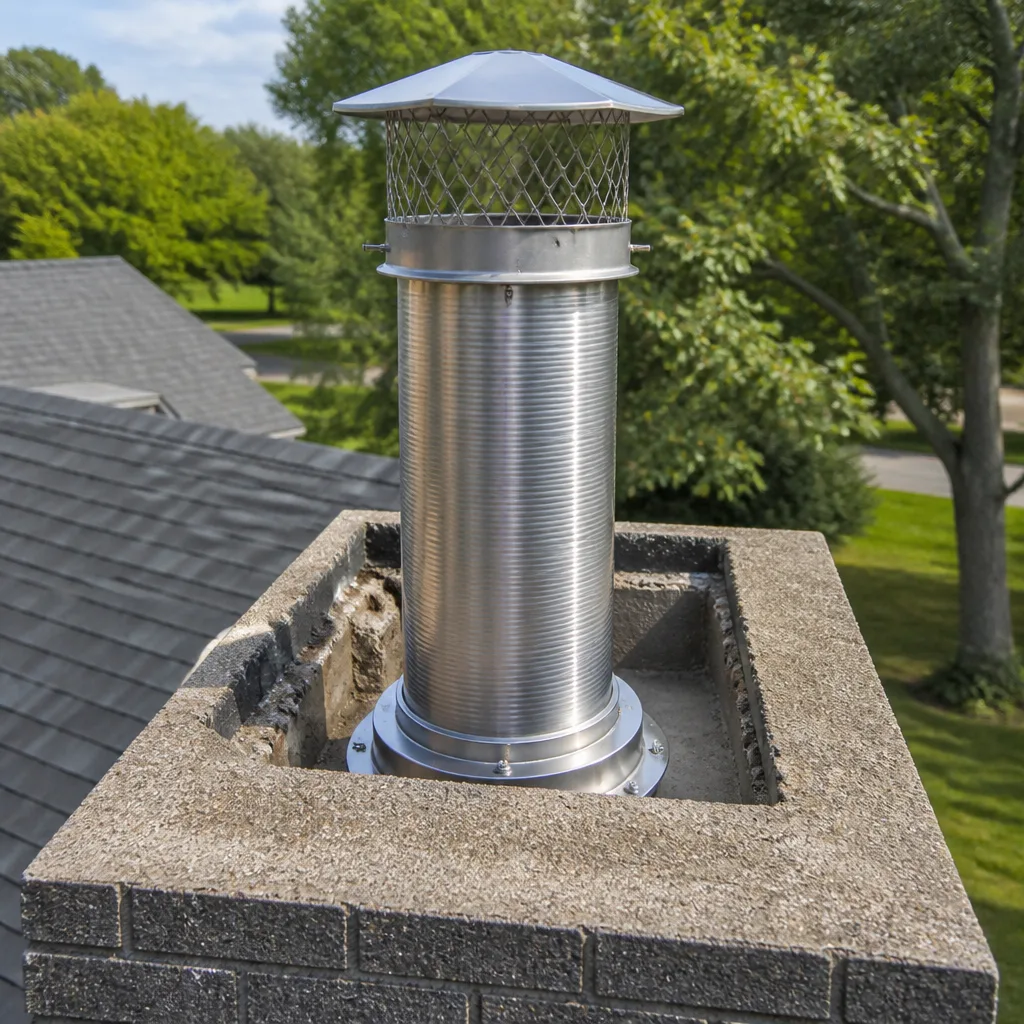 Flue relining
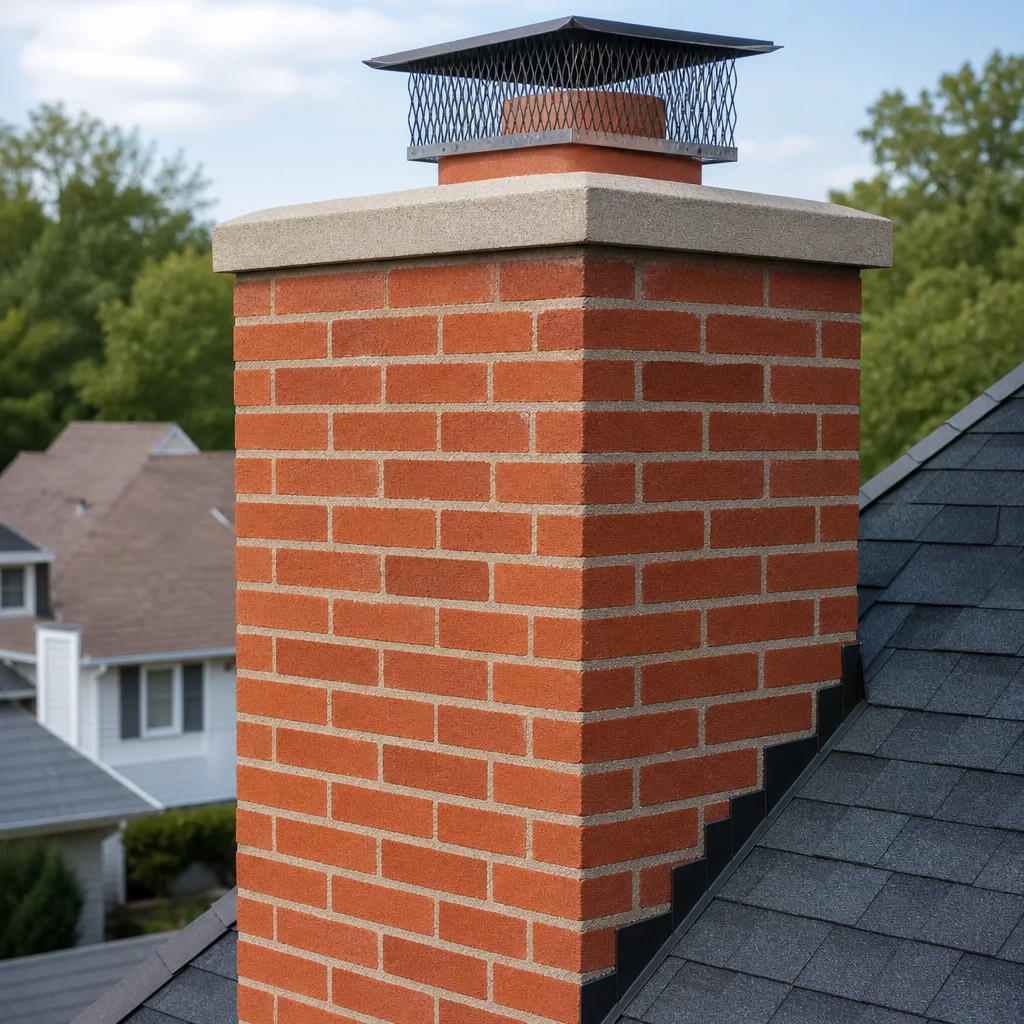 Masonry repair
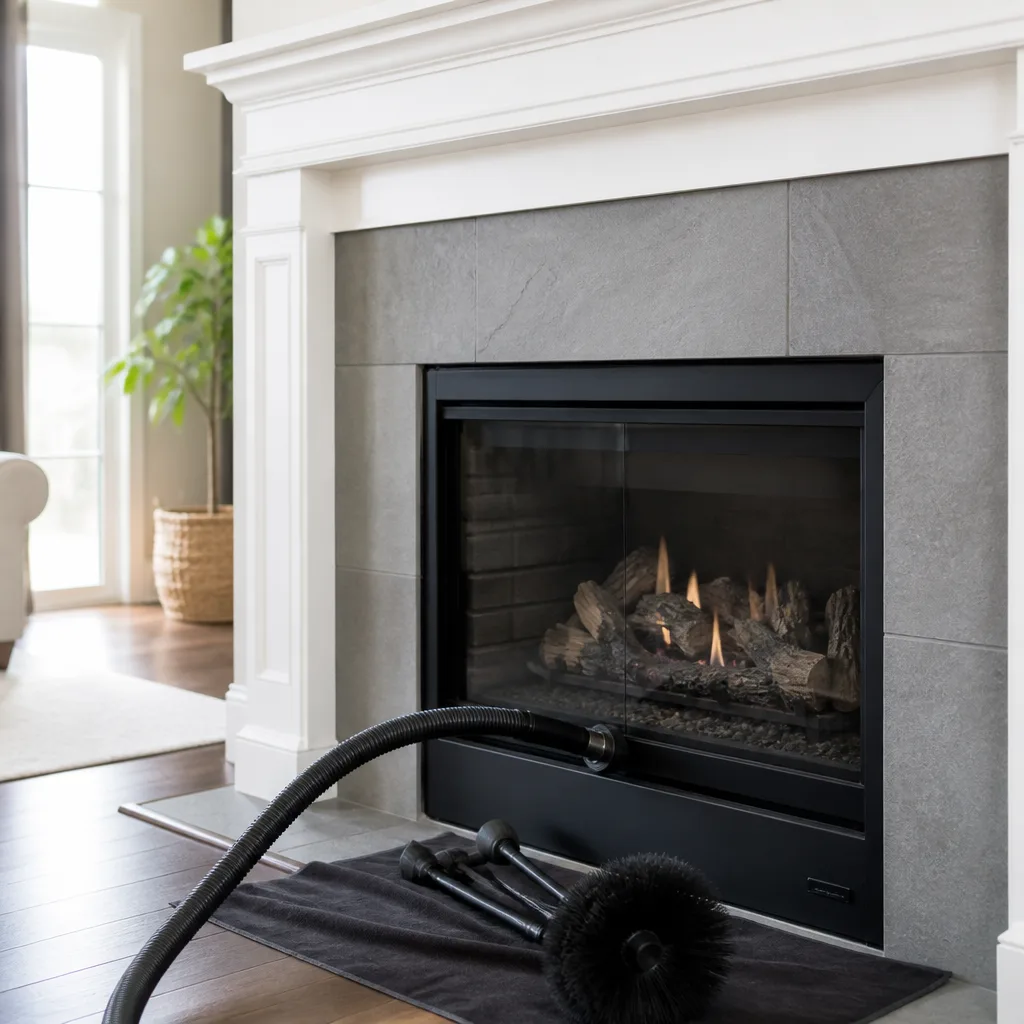 Gas fireplace service
Level 1 sweep and inspection to the NFPA 211 annual standard - flue, crown, cap, and flashing checked and photographed
Chimney sweep logs do not sweep chimneys. They loosen some creosote - which then falls where a brush and vacuum still have to collect it.
Chimney Cleaning Warning Signs: A New York Homeowner’s Reference Guide
Here’s a number most New York homeowners never hear: a standard chimney sweep in the five boroughs and surrounding suburbs runs between $189 and $340, while a full stainless reline can push past $4,000. The gap between those two figures is where a lot of bad advice lives. This guide walks through the warning signs that actually matter, the ones that can wait, and how to photograph what you’re seeing so you have a record before anyone shows up with a camera of their own. For a deeper dive, see our Complete Guide to Chimney Cleaning in New York. You’ll learn to triage chimney issues the way an honest sweep does, starting with what’s urgent and ending with what’s cosmetic. This is how we work in New York, and it’s what you should expect from any company you invite into your home.
Styles & brands we work with
Quick Answer
The most reliable chimney warning signs in New York homes are smoke backing into the room while the damper is open, flaking or spalling brick on the exterior, a strong odor coming from the fireplace in humid weather, and white staining (efflorescence) that keeps returning after rain. None of these automatically means you need an expensive reline. The first step is always the same: get a Level 1 or Level 2 inspection with camera documentation before agreeing to any repair. Cosmetic issues like a single hairline crack in the firebox or mild efflorescence usually just need monitoring, not a sales pitch.
Table of Contents
- The Tiered Warning-Sign System: How to Triage What You’re Seeing
- Smoke Backing Into the Room: Five Causes, Five Very Different Urgencies
- Efflorescence and Other White Stains: When Moisture Is Cosmetic vs. Structural
- Warning Signs More Common in New York Than Anywhere Else
- Carbon Monoxide: Chimney-Related Signs Most Homeowners Misattribute
- How to Photograph and Document Warning Signs Before a Contractor Arrives
- Common Mistakes to Avoid
- When to Call a Professional
- Frequently Asked Questions
- The Bottom Line
The Tiered Warning-Sign System: How to Triage What You’re Seeing
Most chimney warning-sign guides are written backwards. They start with a list of scary symptoms and end with a phone number. That’s a sales funnel, not a homeowner resource. Here’s the system we actually use when a New York homeowner calls us and describes what they’re seeing. It’s the same three-tier approach Nathan Corliss has used at Ashby Chimney New York since 2002, and it works because it separates danger from delay.
Tier 1: Act Today
These signs warrant a call within 24 hours, not because all of them are emergencies, but because delaying can turn a $300 repair into a $3,000 one. And one of them is a genuine life-safety issue.
- You smell smoke or fireplace odor in rooms far from the fireplace when the fireplace hasn’t been used in days. This can indicate backdrafting, a blocked flue, or a damaged liner.
- Water is actively dripping into the firebox during or after rain, not just a damp spot but actual water. This means the crown, cap, or flashing has failed in a way that’s letting significant moisture in.
- Visible flame where there shouldn’t be flame: a glow around the chimney chase, sparks from the chimney top, or fire in the wall cavity. Call the fire department first, then a sweep.
- You notice a new stain on the ceiling or wall adjacent to the chimney that has grown after rain. That’s active water intrusion moving through the building envelope.
These four signs are the only ones we tell New York homeowners to treat as same-week priorities. Everything below them can breathe.
Tier 2: Schedule Within the Month
These are genuine issues that should be addressed before the next heating season or before winter’s freeze-thaw cycles in New York make them worse. They’re not emergencies, but they’re not going to fix themselves.
- A quarter-inch or larger gap between the clay flue tiles visible from the top of the chimney with a flashlight. This is a liner that’s starting to separate, and gas or embers can escape through the gaps into combustible framing.
- Flaking brick faces or “spalling” on any section of the chimney more than a few bricks wide. In New York, this is almost always freeze-thaw damage. Each winter cycle makes it worse.
- Recurring efflorescence that reappears within weeks of cleaning, especially on an interior wall or on both sides of a chimney breast. That’s a sign of ongoing moisture migration, not just surface salts.
- Rust on the damper or firebox floor that appeared recently. This points to a top-seal or cap problem allowing water to run down the flue.
- Chimney odors that follow rain, not just humidity. Rain-activated odor usually means water is pooling in the smoke shelf and mixing with creosote.
Tier 3: Monitor and Revisit
These are the signs that get photographed for a lot of contractor pitches but usually don’t justify a service call on their own. Document them. Check them again in three to six months. If they’ve changed, move them up a tier.
- Hairline cracks in the firebox smaller than a credit card’s thickness. These are common in New York homes with original fireplaces and often remain stable for decades.
- Mild efflorescence that appears once, cleans off easily, and returns only after a long stretch of rain. This is cosmetic moisture staining, not structural decay.
- A small amount of creosote buildup at the smoke shelf. Creosote is a normal byproduct of wood burning. The question is how much and what grade it is, not whether it exists at all. See our full Chimney Sweep in New York page for what a standard cleaning actually covers.
- Slightly sticky damper operation without other symptoms. Worth noting, but not worth a service call on its own.
- Staining on the exterior chimney crown without cracks or pitting. The crown seal may be aging, but if it’s still shedding water, it’s doing its job.
The discipline here is what saves money. Most New York chimneys have several Tier 3 items. None of them individually justifies the four-figure repair estimates that some companies generate from a single inspection photo. If a contractor’s entire pitch for a reline is built on one hairline crack and some surface staining, the pitch is built on sand.
Smoke Backing Into the Room: Five Causes, Five Very Different Urgencies
This is the warning sign that scares people most, and it’s the one most often misdiagnosed in a way that leads to an unnecessary reline. In our experience at Ashby Chimney New York, smoke backing into the living space accounts for a meaningful share of the service calls we get in New York, and the cause is usually not what the homeowner assumes. Smoke entering the room during normal operation means the flue isn’t drafting correctly. But the reason matters more than the symptom. Here are the five distinct causes we see in New York homes, ranked from most common and least expensive to least common and most expensive.
- Cold flue reversal (most common, cheapest to fix). New York’s abrupt fall temperature swings create a column of cold, dense air sitting in the chimney. When you light a fire, smoke follows the path of least resistance, which is into the room, not up the flue. The fix is pre-warming the flue: hold a lit roll of newspaper near the damper for 30-60 seconds before lighting kindling. Cost to fix: $0.
- Negative pressure from a tight house or competing appliance. New York homes are increasingly retrofitted with better windows, door sweeps, and insulation. That’s good for heating bills, but it means your fireplace has to compete with bathroom fans, range hoods, and water heaters for combustion air. Open a window an inch while the fire gets going. Cost to fix: $0.
- Obstructed smoke shelf or lodged debris. Birds, raccoons, dead squirrels, and 40 years of soot can block the smoke shelf in a way that forces smoke back through the throat of the fireplace. A sweep with a camera can identify and clear this in one visit. Cost to fix: the sweep, typically $189-$340 in New York.
- Damaged or improperly sized damper. A warped damper that won’t fully open, or a damper that was replaced with a wrong-size unit, restricts the throat opening and sends smoke back. This is a straightforward repair. Cost to fix: $150-$400 depending on the damper type.
- True flue/liner failure (least common, most expensive). Only when the first four causes are eliminated should a liner replacement be considered. A cracked or separated liner that leaks smoke into a wall cavity is serious, but it’s also the rarest cause of the five. A real diagnosis here requires a camera inspection and photo documentation, not a visual peek from the roof. Cost to fix: $2,800-$6,000 depending on liner type and height, which is why you should never agree to this based on a “visual inspection” alone. Our Chimney Inspection in New York page explains the difference between Level 1 and Level 2 inspections and when each is the right call.
The pattern here matters. Four of the five causes of smoke backing into a room cost less than $400 to address. Only one justifies a reline. If a contractor looks at smoke backing into your living room and immediately quotes a liner replacement without pre-warming the flue, checking negative pressure, or running a camera, you’re not talking to a diagnostician. You’re talking to a salesperson.
Efflorescence and Other White Stains: When Moisture Is Cosmetic vs. Structural
Efflorescence is the white, chalky, powdery stain you see on brick chimneys across New York, from the brownstones of Brooklyn to the colonials of Westchester. It’s caused by water moving through masonry, dissolving soluble salts inside the brick or mortar, and carrying those salts to the surface. When the water evaporates, the salts remain. The stain itself is harmless. The question is what the water is doing on its way through, and the answer depends on where the efflorescence appears, how often it returns, and what the brick looks like underneath.
Here’s how to distinguish cosmetic efflorescence from a moisture warning sign.
Cosmetic efflorescence:
- Appears on the exterior chimney only, typically the top few feet, and disappears with gentle brushing or a dry cloth
- Returns only after extended rain, not after light showers or high humidity alone
- The brick beneath is sound, with crisp edges and no visible flaking
- There are no interior stains on the ceiling or walls adjacent to the chimney
Warning-sign efflorescence:
- Appears on an interior wall, especially on both sides of a chimney breast, meaning water is migrating through the flue and into the building envelope
- Returns within days of removal even in dry weather, indicating a constant moisture source rather than occasional rain
- The surrounding brick is soft, crumbling, or flaking at the edges
- You see a corresponding dark stain or musty smell in the same area, especially in New York’s humid summer months
One more note on this. We’ve heard from New York homeowners who were told by another company that efflorescence automatically means a failed crown and a $2,000 repair. Sometimes it does. Often it doesn’t. The honest way to tell the difference is a moisture meter and a camera, not a photograph and a scare. If the crown is cracking but still shedding water, it can usually wait. If water is actively moving through the flue and showing up inside the house, it can’t.
Warning Signs More Common in New York Than Anywhere Else
Every city has a chimney personality. New York’s is shaped by 100-year-old attached housing stock, aggressive freeze-thaw cycles, and a building culture where the chimney was often an afterthought in mechanical renovations. These are the warning signs we see more often in New York than anywhere else in the country, and they’re worth knowing because most national chimney guides never mention them.
Shared-flue odors in attached brownstones
In New York’s row houses and brownstones, chimneys often share a party wall or a flue structure with the building next door. When a neighbor’s flue has a drafting problem, the odor can migrate horizontally through shared masonry and enter your home through cracks in the common wall. This is a uniquely New York problem. If you smell fireplace smoke or old creosote odor in your home and you haven’t burned anything, ask your neighbors if they have. The fix is not a reline on your side, it’s repointing the shared wall or sealing the migration path. This is exactly the kind of wrong diagnosis that costs New York homeowners thousands of dollars a year.
Mortar erosion from acid rain and freeze-thaw cycles
New York’s winter freeze-thaw cycles are brutal on chimneys. Water enters hairline cracks in the mortar, freezes and expands, and widens those cracks microscopically with every cycle. Over a decade, that’s thousands of expansion cycles. Add New York’s air quality, which makes the rain slightly more acidic than in most of the country, and mortar dissolves faster here than in drier climates. If you see sandy grit at the base of the chimney, that’s dissolved mortar falling out. If you see deep, rounded-out mortar joints, that’s active erosion. Neither is an emergency today, but both are moving in one direction, and New York winters don’t give brickwork a year off.
Corbeled brick damage from building settling
Corbeling is the stepped, decorative brickwork where the chimney flares out at the top. In older New York buildings, subtle settling over decades can put stress on those corbeled courses, causing cracks that start small and widen gradually. The gray area is that corbel cracks often look like structural damage waiting to happen but actually stabilize once the building settles. The honest read is a crack that sits under 1/8-inch and doesn’t change between inspection seasons. The warning sign is a crack that widens year over year, especially if the chimney also begins to lean slightly. That’s when you need a mason, not a chimney sweep, and you need one before the next freeze cycle.
We cover more city-specific chimney issues, including what a standard cleaning actually includes, on our Ashby Chimney New York home page, which links to all three of our core services.
Carbon Monoxide: Chimney-Related Signs Most Homeowners Misattribute
Carbon monoxide is the one warning sign where you don’t wait for the symptom, because the symptom is often a headache that feels like a cold and a fatigue that feels like a long week. By the time it feels specific, it’s dangerous. In New York homes, especially those with gas-converted fireplaces or shared mechanical rooms, chimney-related carbon monoxide is often misattributed to a faulty furnace or a gas stove, because those are the appliances people think about. The chimney is invisible, so it gets blamed last. Here are the signs that a chimney problem, not an appliance, may be producing carbon monoxide.
- Headaches that start after the heating system or fireplace has been running and fade when you leave the house. This is the most common early sign of low-level CO exposure.
- Excessive condensation on windows in the same room as the fireplace or the mechanical room, especially in cold weather. This can indicate a backed-up flue pushing combustion byproducts back into the living space.
- Soot streaks around the fireplace opening or on the wall above a gas log set. Carbon monoxide is invisible, but the soot that accompanies incomplete combustion isn’t. Black streaks above the firebox mean combustion gases are entering the room.
- Pilot light burning yellow instead of blue in a gas fireplace. A steady yellow flame suggests incomplete combustion, which produces carbon monoxide. Occasional yellow flickers are normal; a consistently yellow flame is not.
- Rust or staining on the flue pipe visible from the basement or mechanical room. Moisture in the flue combines with combustion byproducts to create a mild acid that accelerates metal deterioration and points to a draft problem.
None of this is an argument for panic. It’s an argument for prompt attention. If you have a functioning carbon monoxide detector and it goes off, leave the house and call 911 or your gas company immediately. If you notice the signs above but your detectors are silent, schedule an inspection with a company that will run a camera and actually check the draft, not just shine a flashlight. We recommend a Level 2 inspection for any New York home with a gas-converted fireplace that hasn’t had the flue evaluated in the last five years.
One more specific New York note: in older buildings where the water heater and the furnace were retrofitted to share a flue, the flue was often sized for the original coal or wood appliance, not for today’s lower-temperature gas exhaust. That mismatch can lead to condensation, early liner corrosion, and draft failure. It’s one of the most common things we find during chimney inspections in New York, and it rarely gets caught because no one thinks to look at the flue until there’s a problem.
How to Photograph and Document Warning Signs Before a Contractor Arrives
This is the section most chimney guides skip, and it’s the one that protects you. Here’s the scenario we hear constantly from New York homeowners: they book a sweep, the technician finds “significant damage” that was “pre-existing,” and the quote arrives at $3,500. The homeowner has no way to verify whether the damage existed before the cleaning. This happens often enough that New York’s consumer-protection laws don’t do much to stop it. Your camera is the best defense. Here’s how to build a documentation record before anyone sets foot in your home.
- Start with wide shots. Photograph every side of the chimney you can see from the ground, including the roof line and the area where the chimney meets the roof. These establish context and location. If you can see the chimney from a neighbor’s yard or a fire escape, include that angle too.
- Then get close shots of specific features. The crown, the cap, the flashing, the corbeled brick, and the first few feet of brick below the roofline. Use your camera’s zoom rather than getting on a ladder. Roof work is dangerous. A chimney sweep with proper safety gear can get the close-up photos later; your job is a ground-level baseline.
- Document interior signs with a ruler or a common object for scale. A quarter works well for cracks. A credit card establishes the hairline threshold we mentioned above. If you photograph a crack next to a coin, you’ll know later whether it was 1/16-inch or 1/4-inch, and whether the contractor who “discovered” it is describing it accurately.
- Note the date on every photo. Most phones do this automatically, but make sure your settings are correct. A dated photo is evidence. An undated one is just a picture.
- Upload everything to a cloud folder labeled with the address and date. This creates a timestamped record that’s hard to dispute. Share the folder with anyone else in the household who might be present when the contractor arrives.
- Take a video walk-through of the fireplace and flue opening. Thirty seconds of video while you describe what you’re seeing is worth more than twenty still photos. Describe the condition in your own words: “No visible cracks on the firebox as of today, October 12.”
This ten-minute process accomplishes two things. First, it protects you from the “pre-existing damage” claim on a chimney that was actually fine until the cleaning. Second, it helps you see change over time, which is how you know whether a Tier 3 item has become a Tier 2 one. We’ve had New York homeowners show us photo records from three years prior that made a genuine difference in how we approached their diagnosis. It’s not about catching anyone in dishonesty. It’s about creating a shared, objective starting point.
Also worth knowing: any reputable New York chimney company should be able to provide camera footage or photos from inside your flue after an inspection. If a company quotes you a repair and can’t show you the camera evidence, that’s a warning sign about the warning sign. At Ashby Chimney New York, we include photographic documentation from every inspection, since 2002. That’s the standard we hold ourselves to, and it’s the standard you should hold any contractor to in New York.
Common Mistakes to Avoid
- Agreeing to a reline based on a visual inspection alone. A cracked flue liner is a diagnosis that requires a camera, not a flashlight from the roof. If the quote for a $4,000 reline was generated without camera footage of the damage, get a second opinion from a company that will show you the actual crack on video.
- Ignoring a Tier 2 sign until it becomes a Tier 1 emergency. Flaking brick and recurring efflorescence don’t get better on their own. Every New York freeze-thaw cycle widens what started as a $400 repointing job into a $1,500 crown replacement.
- Rushing to fix a Tier 3 sign. A single hairline firebox crack without other symptoms is usually stable. Paying for a repair that a good sweep would tell you can wait doesn’t make you safer; it just transfers money from you to someone who didn’t earn it.
- Confusing cosmetic efflorescence with structural moisture damage. White staining alone is not a diagnosis. The location, recurrence, and brick condition tell you more than the stain itself. Don’t accept a moisture-related repair quote without a moisture meter reading.
- Not documenting your chimney before a contractor’s visit. It takes ten minutes and it’s the only concrete protection you have against inflated “pre-existing damage” claims. In New York’s competitive chimney market, this one habit pays for itself over years.
- Using the fireplace as a trash incinerator or burning unseasoned wood. Even a well-built chimney accumulates creosote faster when you burn wet wood, cardboard, or construction scraps. The creosote you create is the creosote you’ll pay to remove, and a wet chimney creates more of it. Burn well-seasoned hardwoods, and leave the packaging in the recycling bin.
When to Call a Professional
You’ve read the guide. You’ve done the documentation. Here’s the short version of when to actually pick up the phone. If you have a Tier 1 sign, call the moment you’ve confirmed it’s real. That means active water in the firebox, smoke backing into the room that doesn’t resolve with pre-warming and a cracked window, a new adjacent-wall stain after rain, or a carbon monoxide alarm that’s sounding. A Tier 2 sign means schedule within a month, especially before New York’s freeze-thaw season starts. And when you do call, ask the right questions: Will you show me the camera footage? Is the price written before work starts? Will the guarantee be in writing? A company that answers yes to all three is worth hiring. Ashby Chimney New York offers free estimates in New York, and every quote is written before work begins. Call (315) 644-2982 for a free estimate, and you’ll get a live person on the line, any hour, any day.
Frequently Asked Questions
A standard chimney sweep in New York typically runs between $189 and $340, depending on the chimney’s height, accessibility, and creosote buildup. The price should include a safety inspection of the flue, damper, and smoke chamber. Call (315) 644-2982 for a written quote, which you’ll receive before we start any work.
The National Fire Protection Association recommends a chimney inspection at least once a year, with cleaning as needed. For a wood-burning fireplace used regularly during New York winters, that usually means an annual sweep. Gas fireplaces can go two years or more between evaluate-and-clean visits, but the flue should still be inspected every year regardless of fuel type.
Sometimes a liner can be repaired, and sometimes it genuinely needs replacement. The difference is a camera inspection: a reline is only justified when the camera shows cracks, gaps, or separations that affect the flue’s ability to safely vent combustion gases. If no camera footage was offered and the quote arrived anyway, you haven’t been shown the evidence. Our Fireplace Repair in New York page explains how we diagnose liner damage and what the repair options are. For an honest answer about your liner, call (315) 644-2982.
Skipping a chimney sweep when creosote is present increases the risk of a chimney fire, which can reach 2,000 degrees Fahrenheit and crack clay flue tiles, damage the masonry, and in severe cases spread to the house framing. Skipping an inspection when a cap is damaged allows water intrusion that gets worse with every freeze-thaw cycle, and New York winters provide plenty of those cycles. The realistic cost of skipping is a $300 sweep becoming a $3,000 masonry job within a few years. Call (315) 644-2982 to schedule a sweep before the next burning season.
You can buy a chimney brush and a fiberglass rod kit and attempt a DIY cleaning, but the results are usually incomplete, and you’re working at height on a sloped New York roof without fall protection. See our DIY vs Professional Chimney Cleaning guide for a full comparison. A proper sweep includes not just brushing but an inspection of the flue, damper, smoke chamber, and crown. The inspection is where the real value is, and that’s not something a flexible rod can see. For safety reasons, especially on a steep roofline, we recommend a trained professional for the actual cleaning.
The odor is usually caused by humid air washing down the flue, mixing with creosote deposits, and carrying that musty, smoky smell back into the house through the fireplace opening. It’s more common in New York than in drier climates because of the city’s summer humidity. A top-sealing damper can prevent much of it, and a thorough cleaning to remove the creosote that’s causing the odor is step one. Call (315) 644-2982 for an exact diagnosis and a written quote, and we’ll explain whether a damper replacement is actually necessary before we quote one.
The Bottom Line
Chimney warning signs exist on a spectrum, and the honest guide is the one that shows you the spectrum, not just the scariest end. Act today on active water intrusion, persistent smoke backup that home remedies don’t fix, new wall stains, and anything involving carbon monoxide. Schedule within the month for flaking brick, recurring efflorescence, and rust appearing on the damper. Monitor hairline cracks and one-time white staining. Document everything with photos, insist on camera evidence for any expensive repair, and get the quote in writing before work starts. That’s the whole system, and it’s the same one we’ve used at Ashby Chimney New York for over two decades. Browse more guides & resources on keeping your chimney safe. If a warning sign is telling you it’s time to call, call (315) 644-2982. You’ll reach a live person, and you’ll get a straight answer.
Written by Nathan Corliss, Owner at Ashby Chimney New York, serving New York since 2002.
See the difference
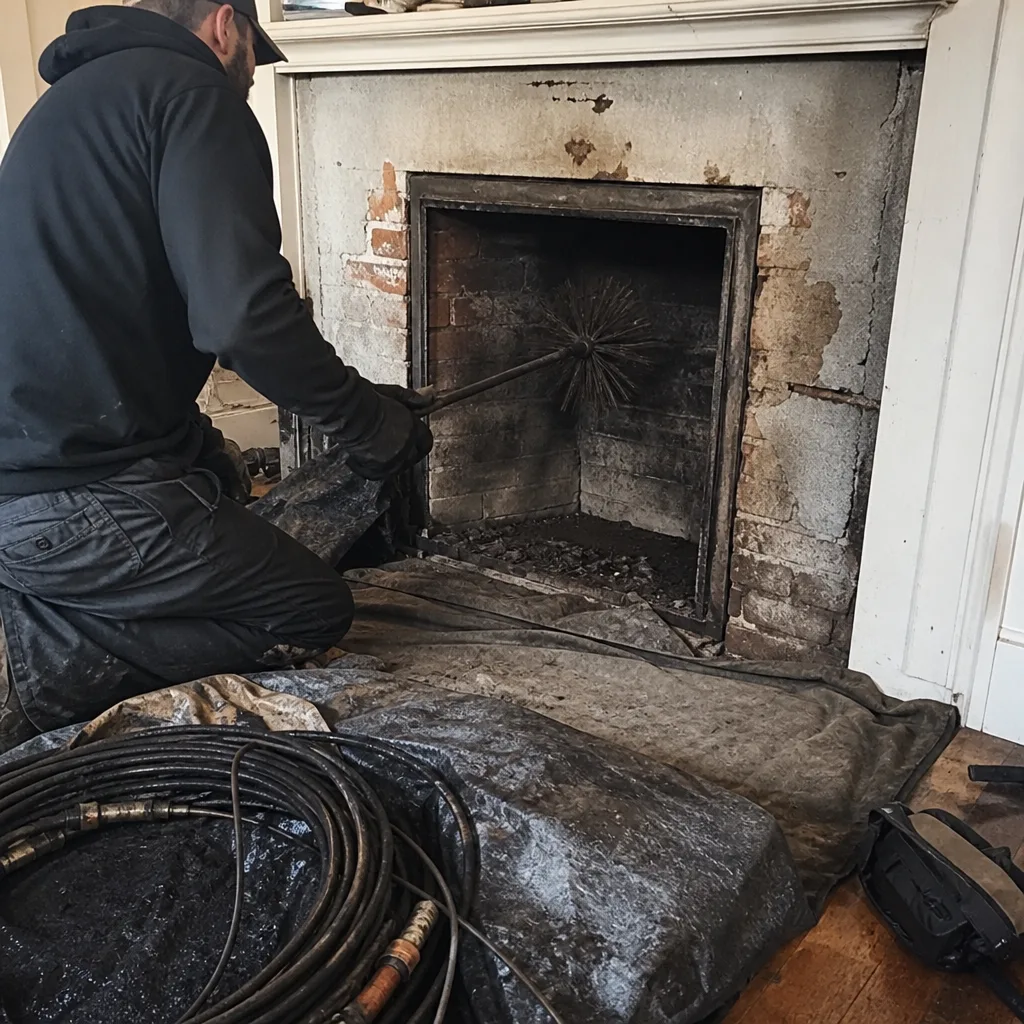 Before
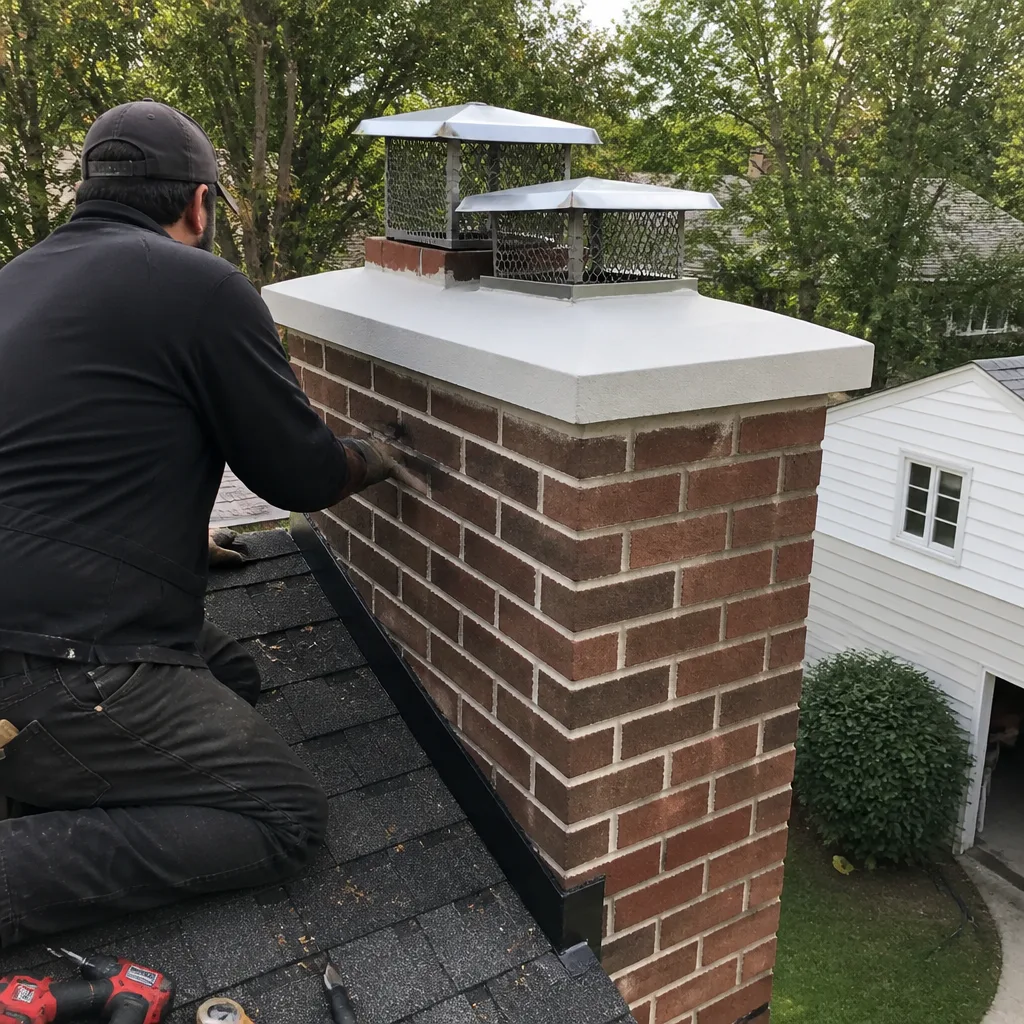 After
After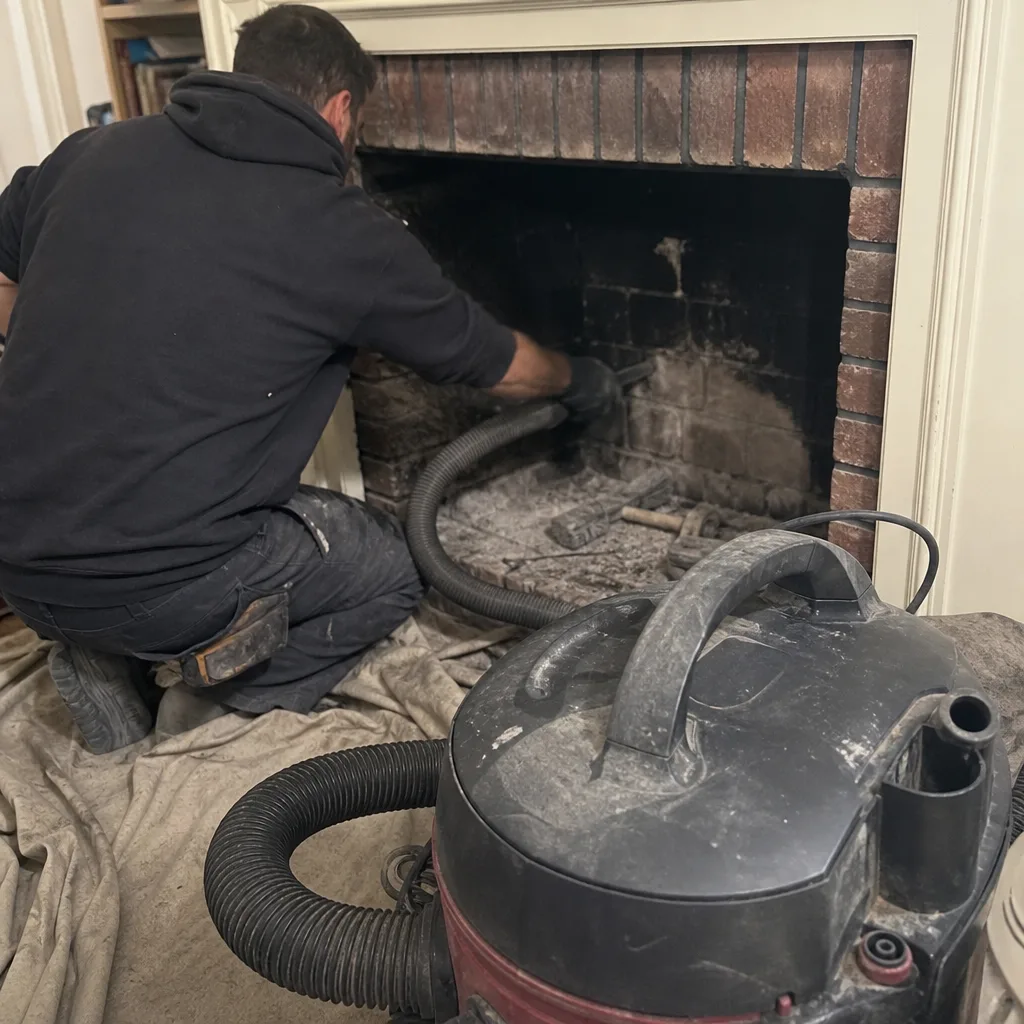 Before
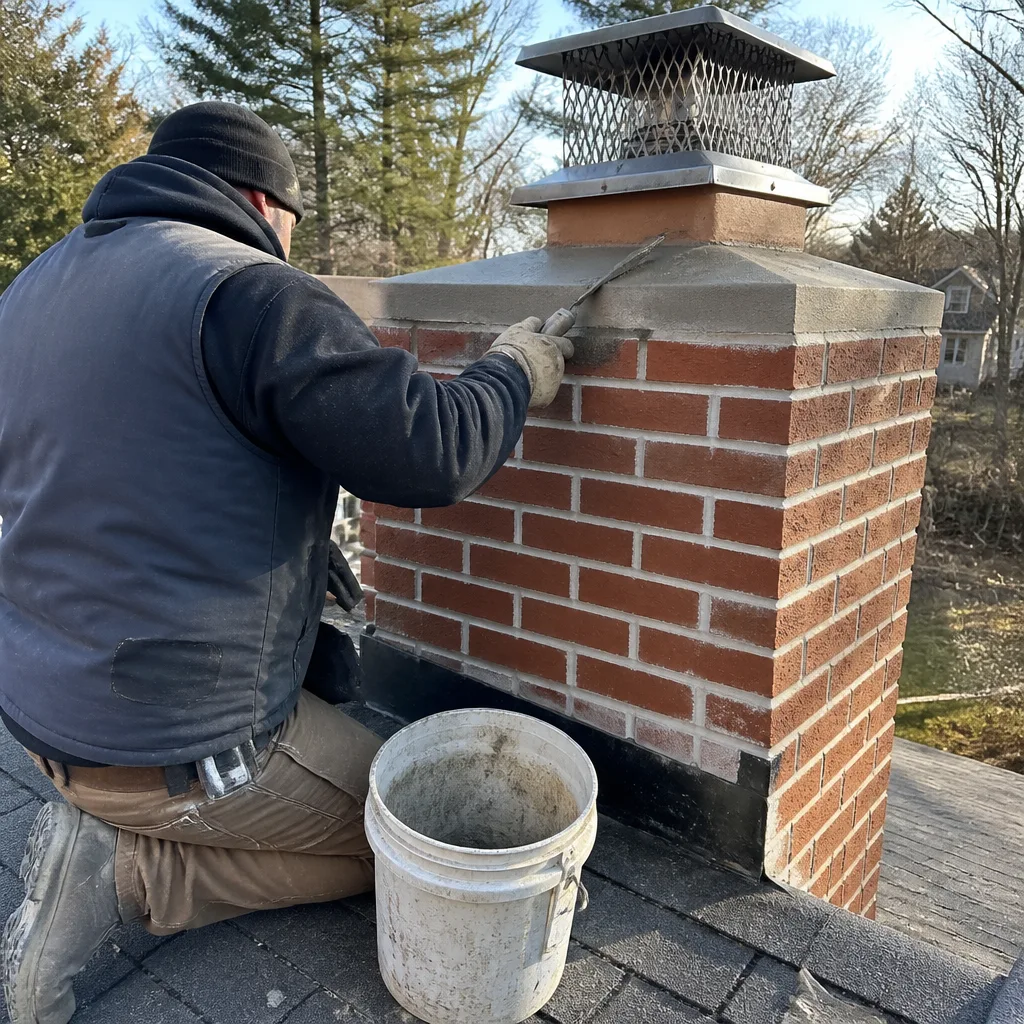 After
After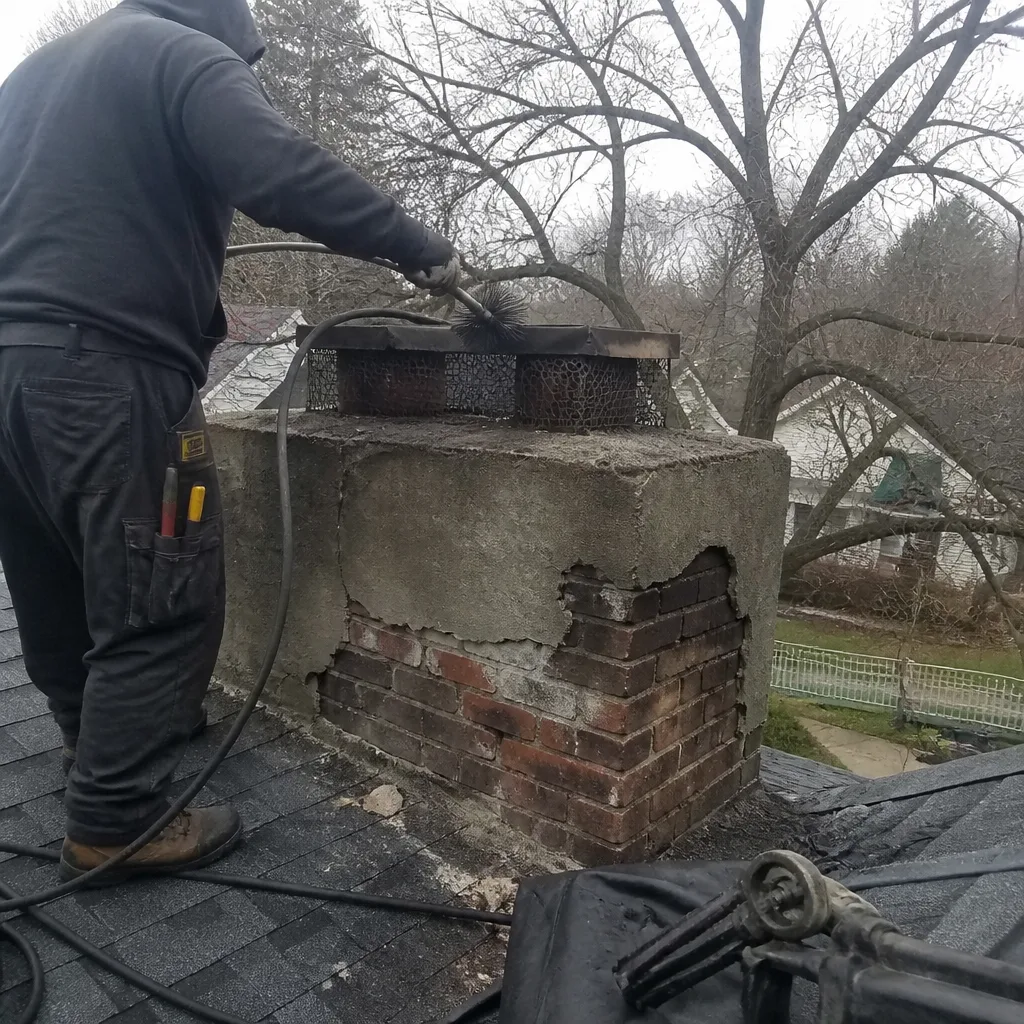 Before
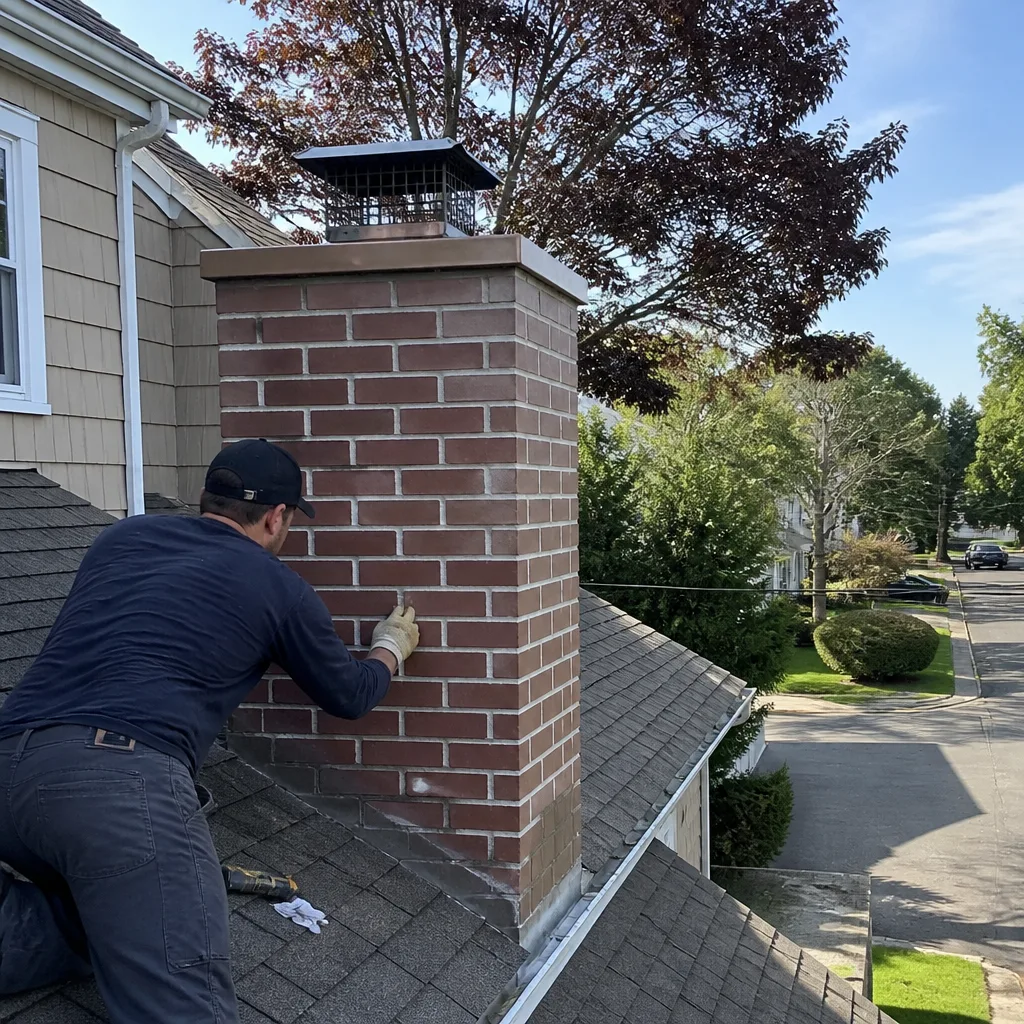 After
After