
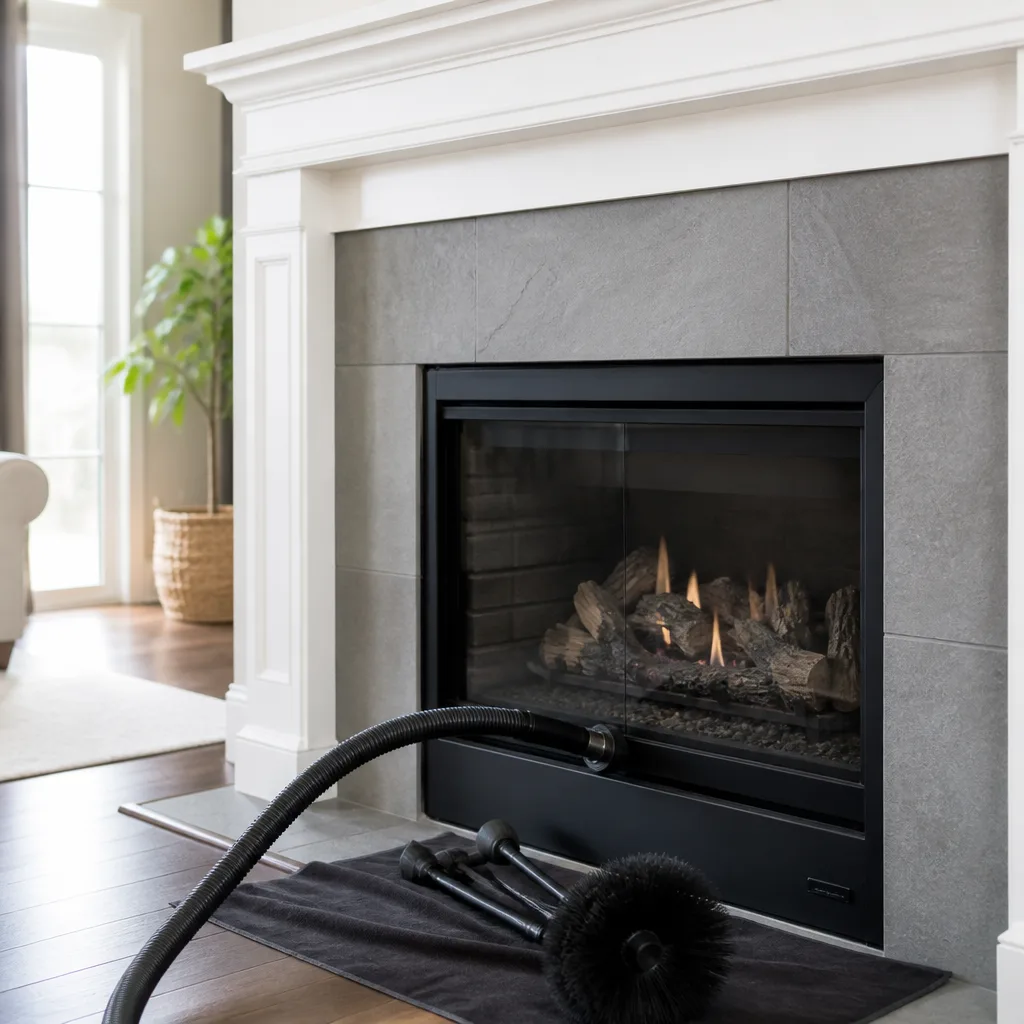
 Gas fireplace service
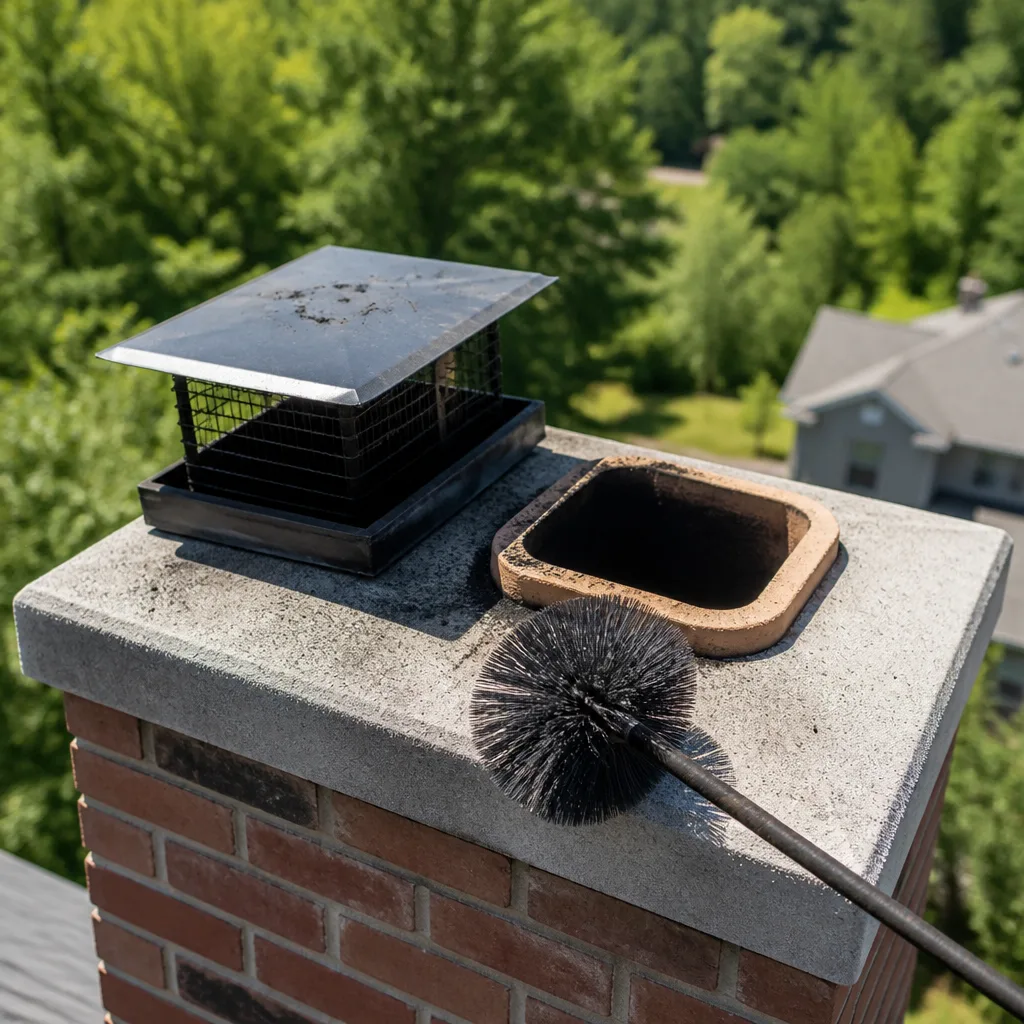 Sweep & inspection
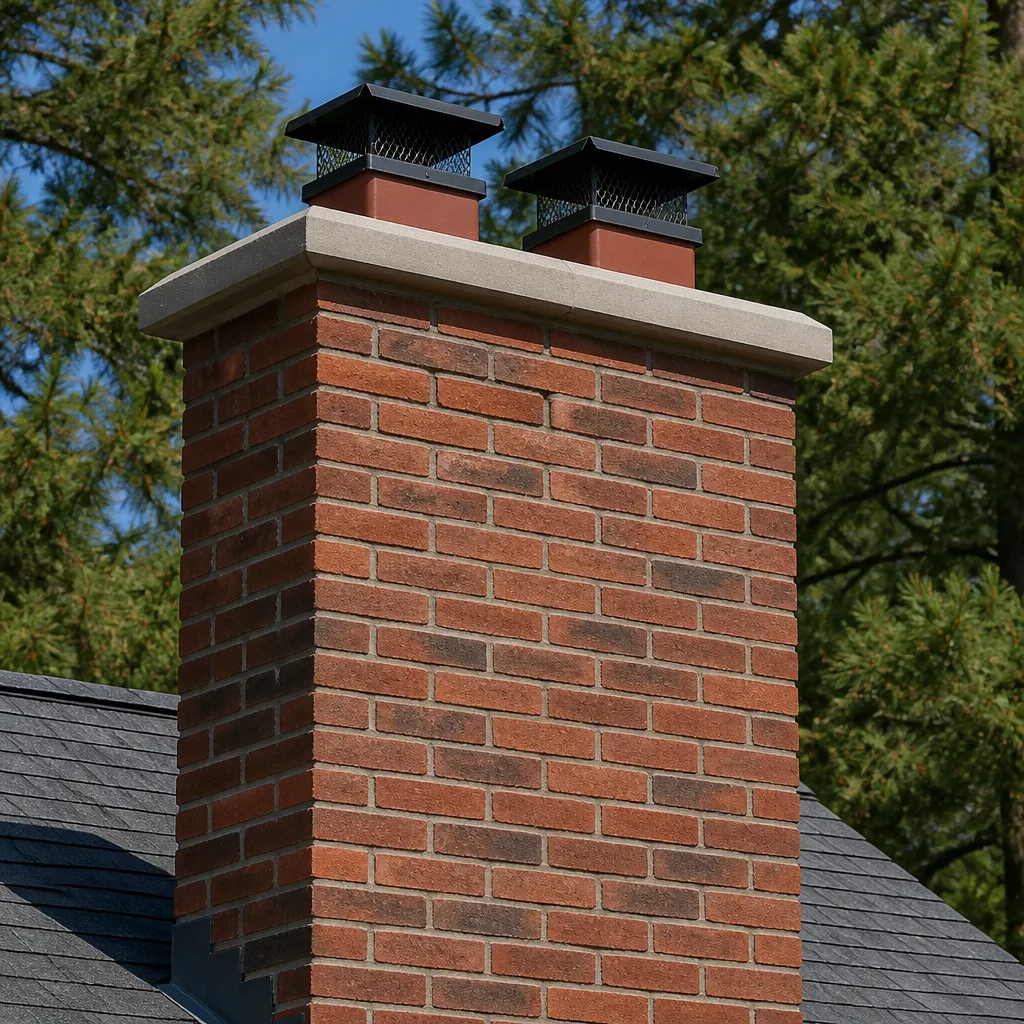 Caps & crowns
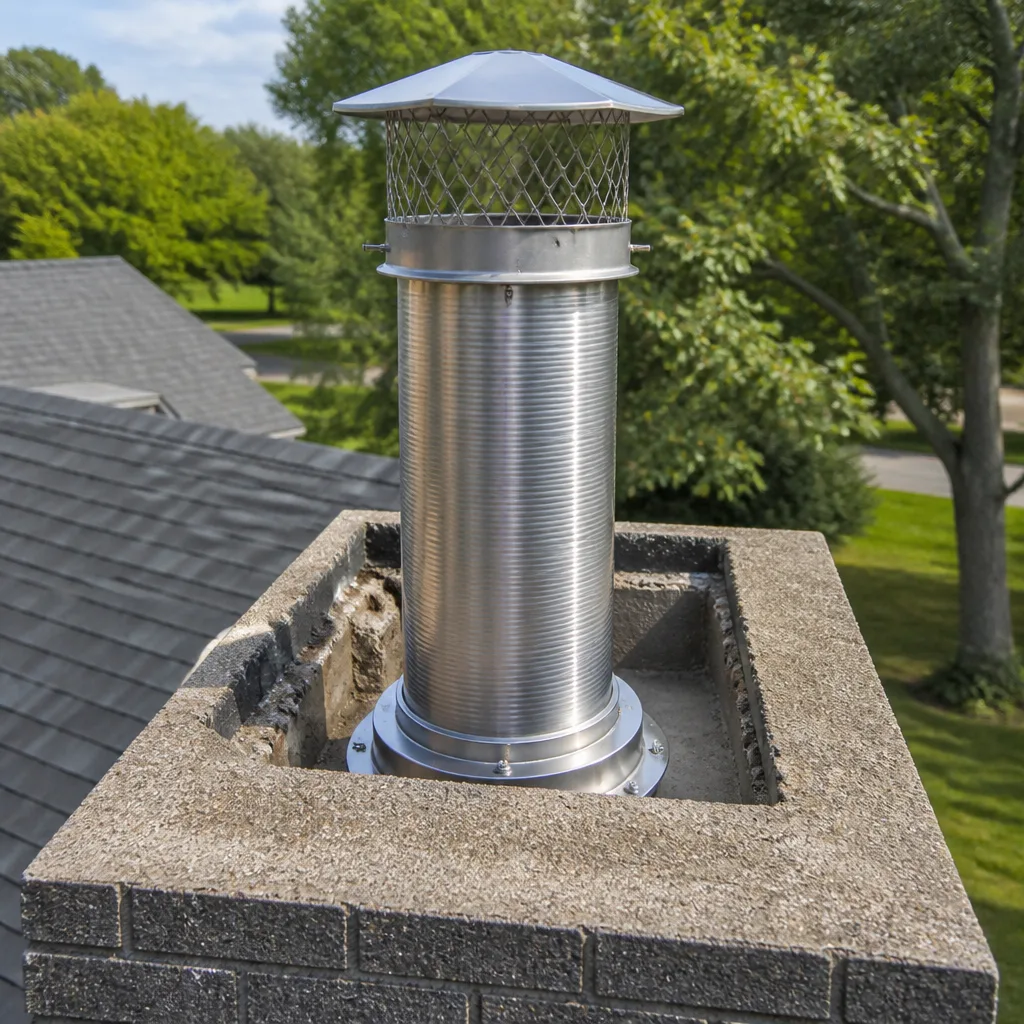 Flue relining
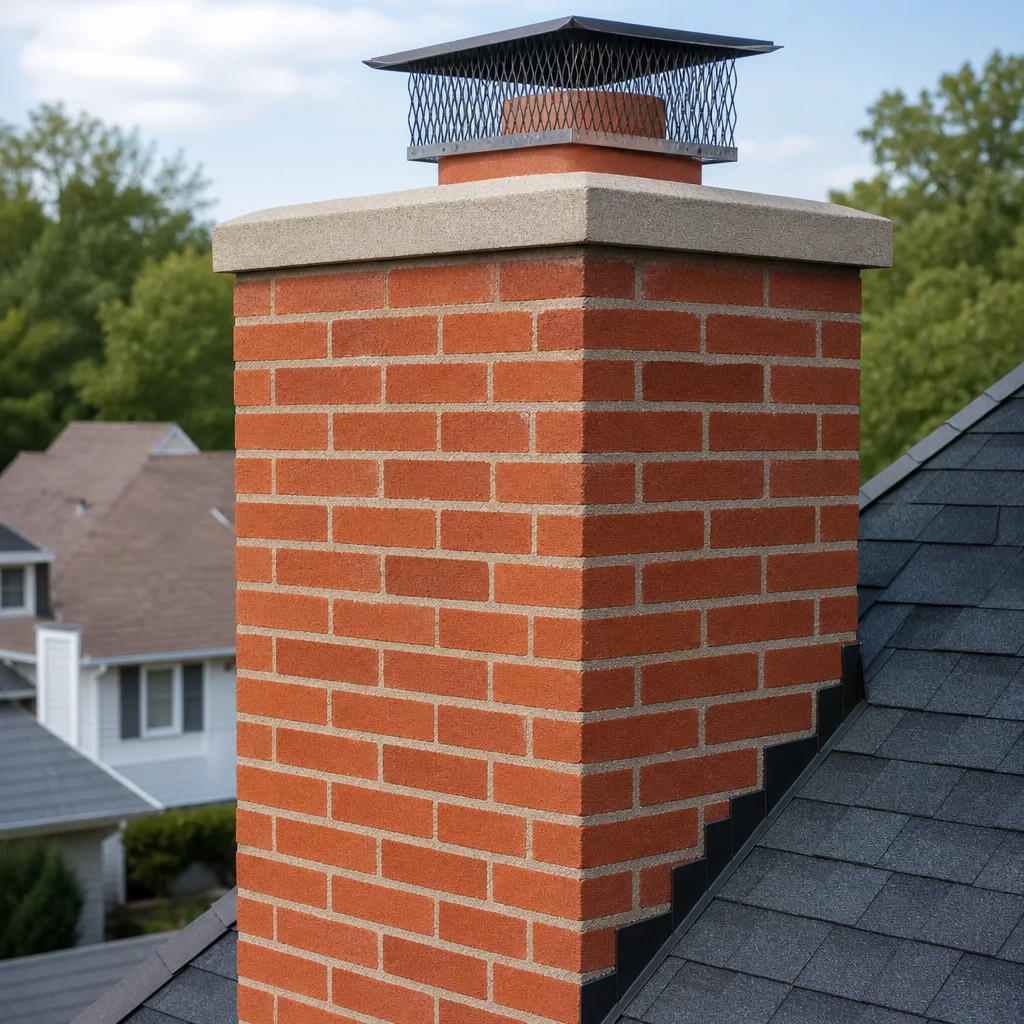 Masonry repair
Level 1 sweep and inspection to the NFPA 211 annual standard - flue, crown, cap, and flashing checked and photographed
Chimney sweep logs do not sweep chimneys. They loosen some creosote - which then falls where a brush and vacuum still have to collect it.
Why New York Homeowners Choose DuraFlex Chimney Cleaning
DuraFlex Chimney Cleaning in East New York, NY is specialized work, and we do it weekly. We’re an independent DuraFlex service provider, not a factory-authorized shop, and that matters: we fix what’s actually failing on these liners in New York City masonry chimneys, from acid-condensate pinholes on 316L steel to glazed creosote on corrugated walls. The quick answer for most New York owners: expect a sweep and inspection between $229 and $389 depending on liner length and condition, and we’ll put that price in writing before a brush touches your flue. Call (315) 644-2982 for a firm quote.
Here’s what our page gives you that a generic national site won’t: New York-specific failure data on DuraFlex liners installed in pre-war brownstone chimneys, where coastal humidity, mixed-fuel venting, and brutal freeze-thaw swings do things to stainless steel that you won’t find in a manufacturer brochure. We’ve worked on DuraFlex 316L, AL 29-4C, Smooth Wall, and Poly-Pro vent systems in buildings across Manhattan, Brooklyn, and Queens. We know which ones corrode where. We know which ones hold up. And we’ll tell you straight which situation you have.
Why Trust Ashby Chimney New York for Your DuraFlex Chimney Cleaning?
Nathan Corliss runs Ashby Chimney New York. He grew up in Los Angeles and learned the trade at Los Angeles Trade-Technical College, then spent years inside flues before bringing that work to New York’s masonry chimneys. His crews have cleaned and inspected everything from prewar fireboxes in Inwood to ornate brownstone chimneys on the Upper West Side, and the pattern holds: a DuraFlex liner is only as good as the installation around it and the fuel burning beneath it.
We work on DuraFlex liners in New York City masonry chimneys every single week. That means we know the exact installation quirks: the way a flexible section sags when support spacing was wrong on the original install, the way seam welds pit when acidic condensate pools at the tee, the way a factory insulation blanket degrades and causes draft reversal. When we clean a DuraFlex liner, we’re not just brushing soot. We’re reading the liner. We know what to look for because we’ve seen the same failures hundreds of times across this city’s housing stock.
We use genuine DuraFlex components when a repair calls for them. For caps, flashings, and mortar we source high-grade aftermarket parts that match or exceed OEM spec. Nathan’s rule is simple: say the price first, put the findings in writing, and let the work speak for itself. That’s how every DuraFlex job runs.
Styles & brands we work with
Common DuraFlex Chimney Cleaning Problems We Fix in New York
These are the failures we actually see on Duraflex repair in New York buildings. If you’re searching for DuraFlex cleaning because something isn’t right, one of these is usually the cause.
- Pinhole corrosion at seam welds on 316L liners. This is the most common DuraFlex failure we find in New York, and it always traces to the same root: acidic condensate from high-efficiency gas appliances. Those furnaces and boilers run cool, and the exhaust they push up the flue condenses inside the liner. That weak acid sits at seam welds and eats through them. In a Park Slope brownstone last year, we pulled a DuraFlex 316L liner with three pinhole leaks within six inches of the tee connection. The homeowner reported a “burning metal” smell. We cut out the corroded section, welded in a new DuraFlex 316L segment, and resealed the tee with high-temp silicone. Downtime was under two hours.
- Creosote glaze accumulation on corrugated inner walls. Wood stoves that burn low and slow produce stage-three creosote, the shiny, hardened glaze that coats corrugated DuraFlex liners and is a genuine fire hazard. This isn’t brushed off with a standard sweep. It requires chemical treatment or mechanical removal with a rotary whip, and in New York’s cold winters, draft issues make the buildup worse. We address it with specific creosote removal methods built for corrugated stainless walls.
- Sagging or kinking of flexible liner sections. Original installers sometimes space support brackets too far apart, and over a few heating seasons the flexible DuraFlex section sags between supports. That creates a low spot where condensate pools, accelerating corrosion. We find this regularly in older New York rowhouses where the original liner was installed in a hurry. Diagnosis happens during a Level 2 inspection; the fix is re-supporting the liner and replacing any kinked section.
- Torn or degraded insulation mesh on factory-insulated liners. The insulation blanket on a factory-insulated DuraFlex liner does real work: it keeps flue gases warm, which maintains draft and prevents condensation. When that mesh tears or the insulation compacts, the liner runs cool, draft drops, and condensation starts. We check insulation blanket integrity during every inspection and recommend replacement before a draft reversal causes appliance backdrafting.
- Mixed-fuel venting stress in converted New York buildings. Many pre-war co-ops and brownstones in New York converted coal fireplaces to gas logs without re-lining the flue, or with a liner meant for a different fuel. A DuraFlex liner rated for wood heat behaves differently when you switch to gas. We see liners in converted buildings that were never matched to the current fuel type, and that mismatch is the hidden problem behind musty odors, slow draft, and early corrosion. Our cleaning includes a fuel-type and liner-material cross-check.
DuraFlex Parts & Our Repair-vs-Replace Approach
Here’s the honest policy, and it’s the same one Nathan has used since 2002: we repair before we recommend replacement unless corrosion exceeds 30% of wall thickness. That’s the line. A liner with scattered pinholes and otherwise sound metal is a repair candidate. A liner with deep pitting across multiple sections, or wall thickness thinned past that threshold, is a liability that should be replaced. No scare-selling. No upselling a full reline because one section failed.
For DuraFlex repairs, we use genuine DuraFlex 316L or AL 29-4C components when the repair calls for matching metallurgy. That’s not negotiable on liner sections: mixing alloys in the same flue creates galvanic corrosion, and anyone who tells you otherwise doesn’t understand the chemistry. For chimney caps, flashings, and mortar crowns, we use trusted aftermarket parts that meet or exceed OEM specifications, because those components aren’t performance-critical the way the liner itself is. We keep common DuraFlex connectors, tees, rain caps, and support brackets on our trucks for New York service calls, which means most repairs happen same-visit rather than waiting on a parts shipment. If you want an honest read on whether your liner needs a patch or a full replacement, call (315) 644-2982. We’ll inspect it and show you the camera evidence before quoting work.
Our DuraFlex Service Process – Step by Step
- 1
Diagnosis and camera inspection. We start with a visual sweep and a video scan of the full liner length. On a DuraFlex system, we’re specifically checking seam welds, support spacing, insulation integrity, and the tee connection where condensate pools. You see the footage. You know what we found before we recommend anything.
- 2
Repair or replacement recommendation with a written price. If the liner needs work, we document exactly what we’ll do, which DuraFlex components we’ll use, and the total price. You approve before we touch the liner. No price changes after the fact.
- 3
Cleaning, repair, or installation. For cleaning, we use brushes suited to the liner’s interior profile, smooth wall or corrugated. For creosote removal, we use the appropriate mechanical or chemical method. For repairs, we use the correct alloy-compatible DuraFlex components and reseal all joints with high-temp sealant.
- 4
Draft test and verification. After the work, we run a draft test to confirm the flue pulls correctly, check for obstructions, and verify the liner is sealed. If we installed or repaired a section, we test the full run.
- 5
Written warranty documentation. Every DuraFlex repair carries our written guarantee. If a covered repair fails inside the guarantee period, we come back and fix it at no charge. That’s the 365-Day Done Right Promise, and it’s not an add-on. It’s the default.
See the difference
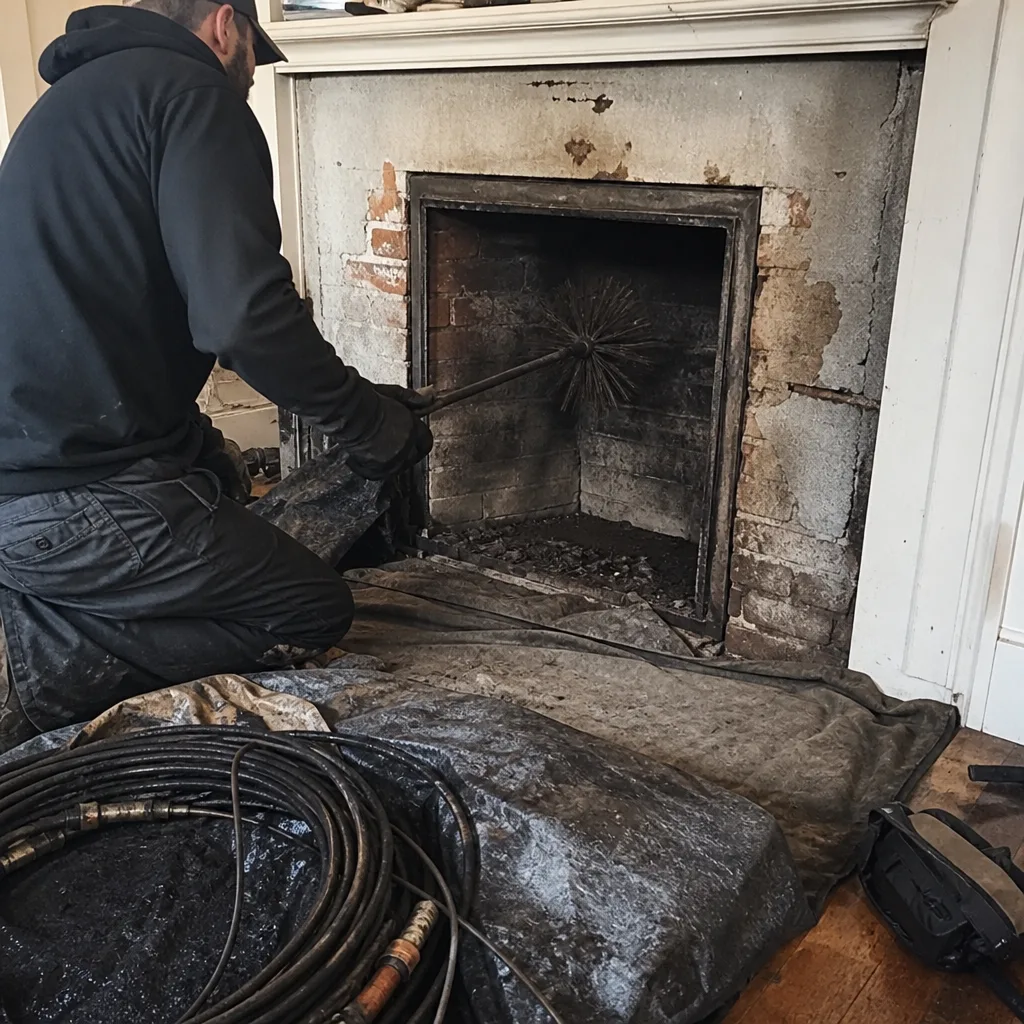 Before
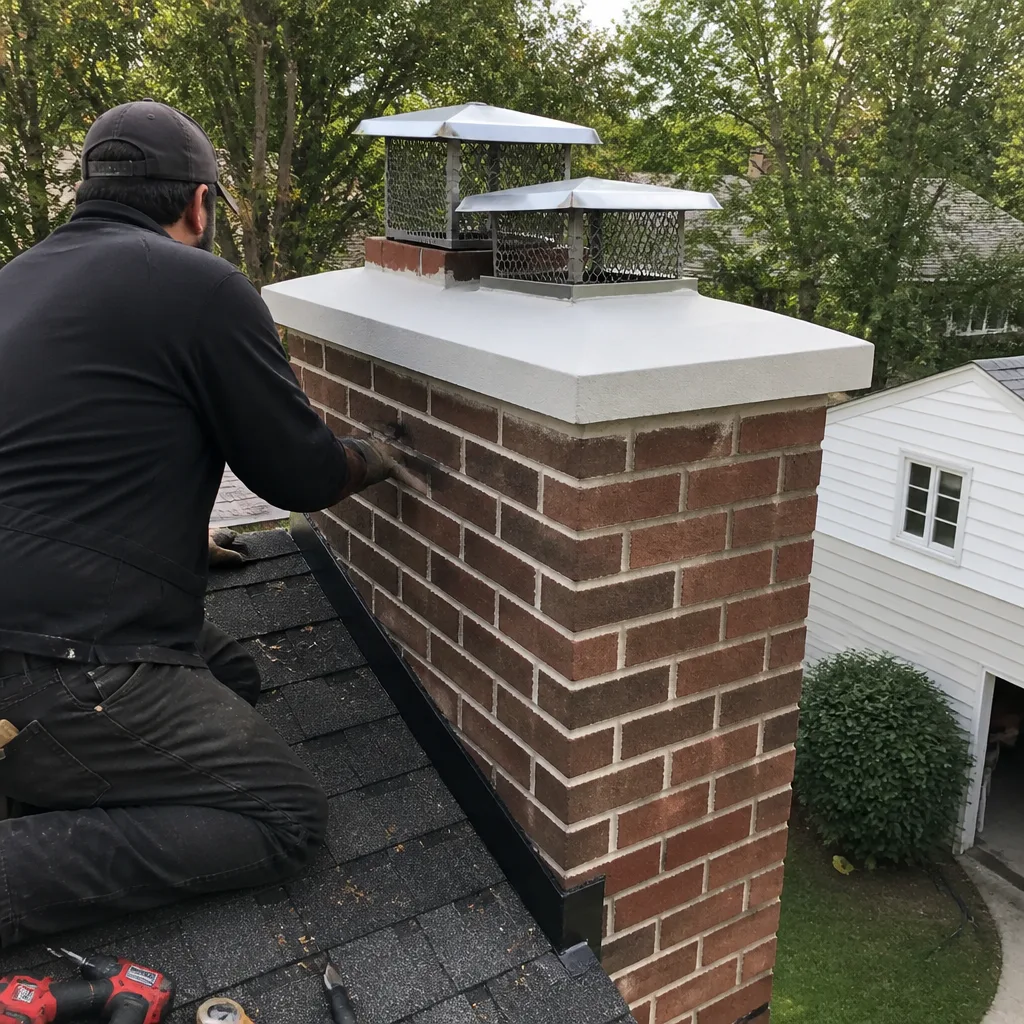 After
After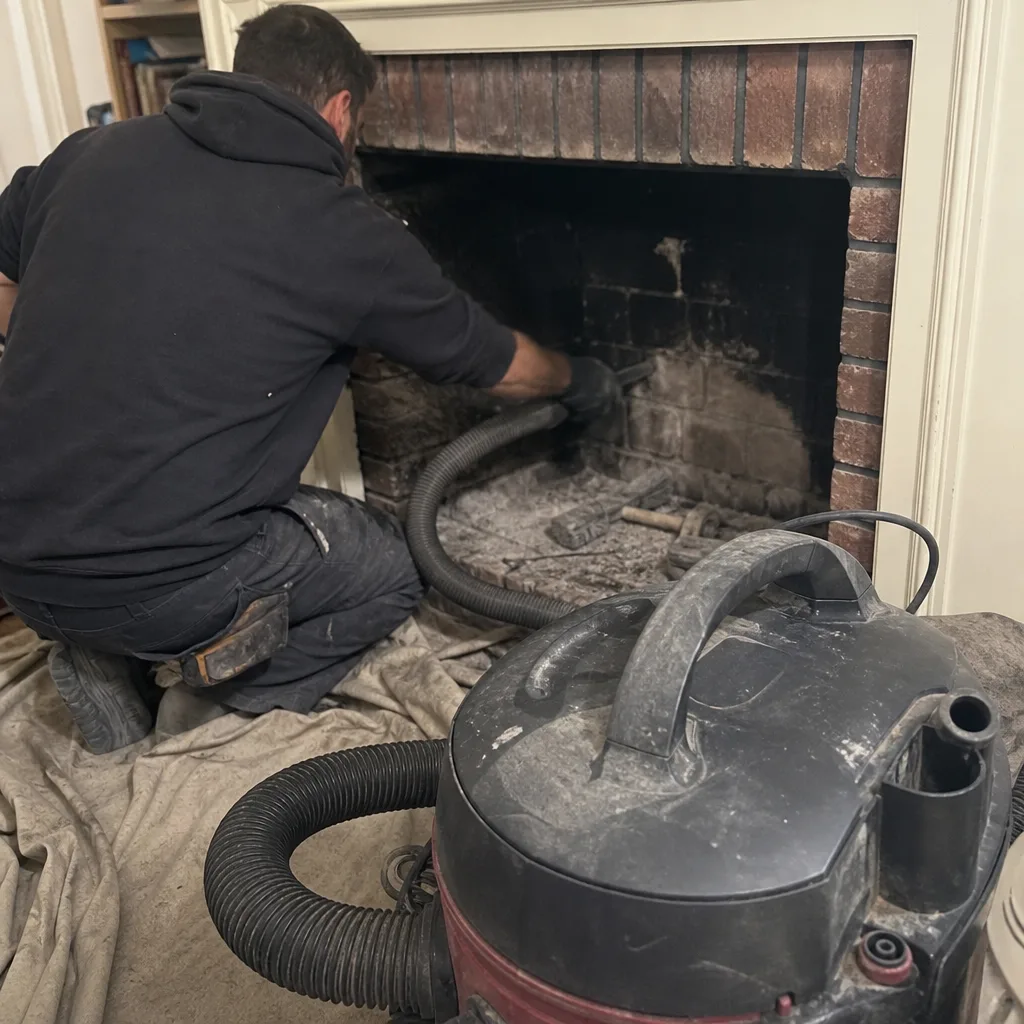 Before
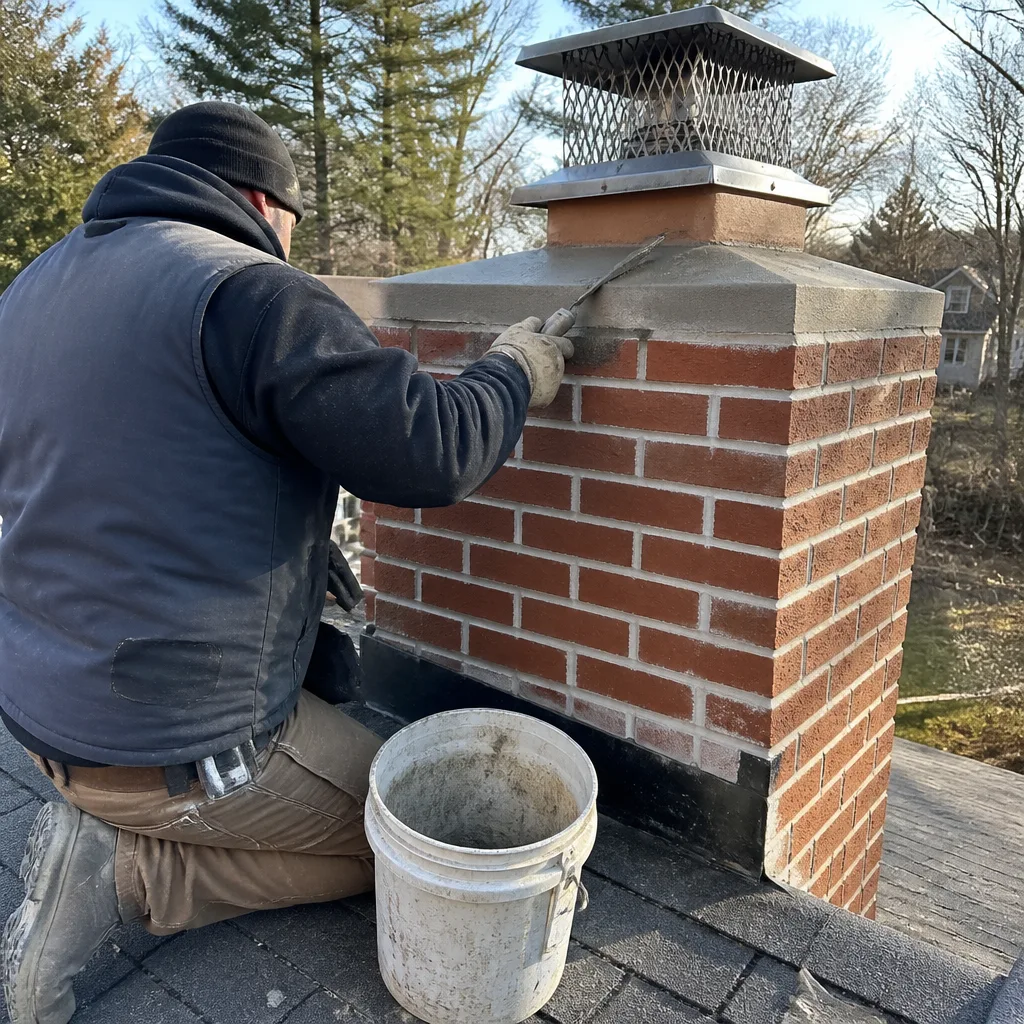 After
After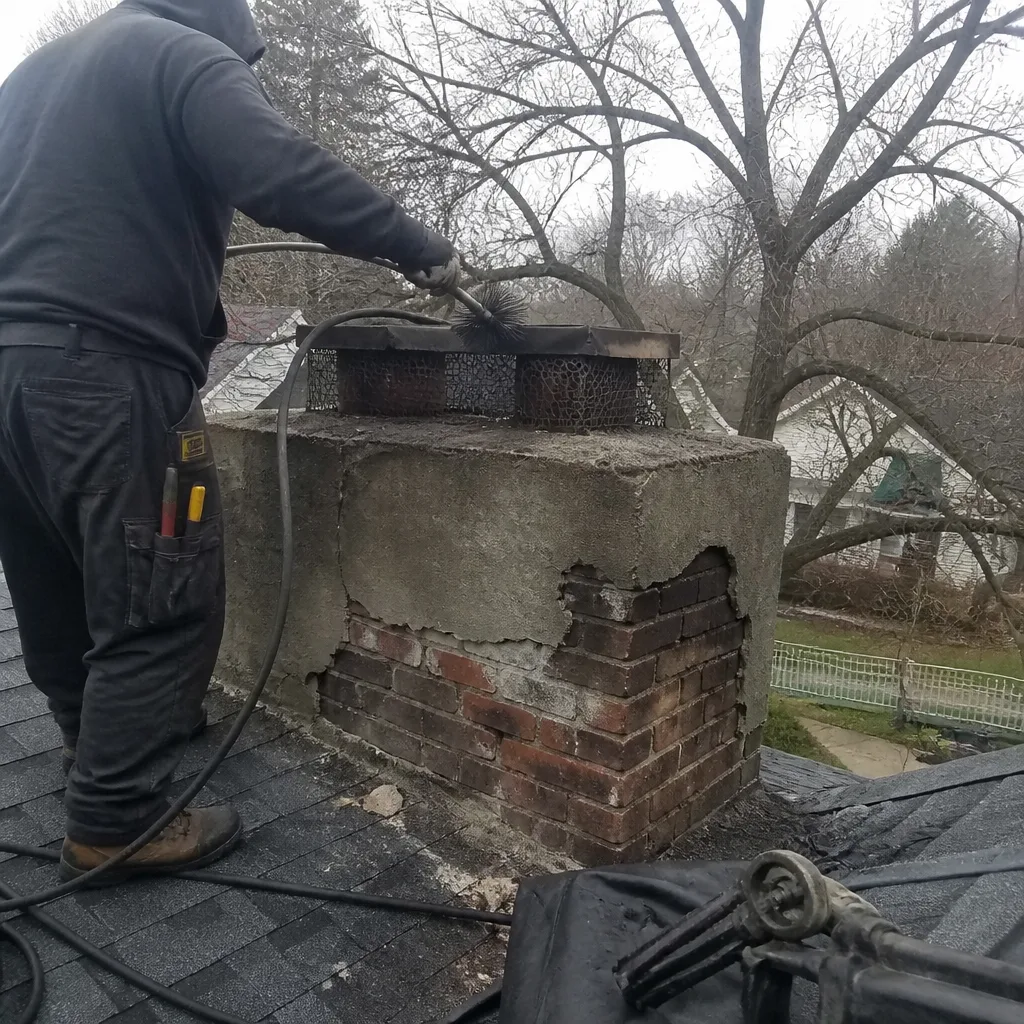 Before
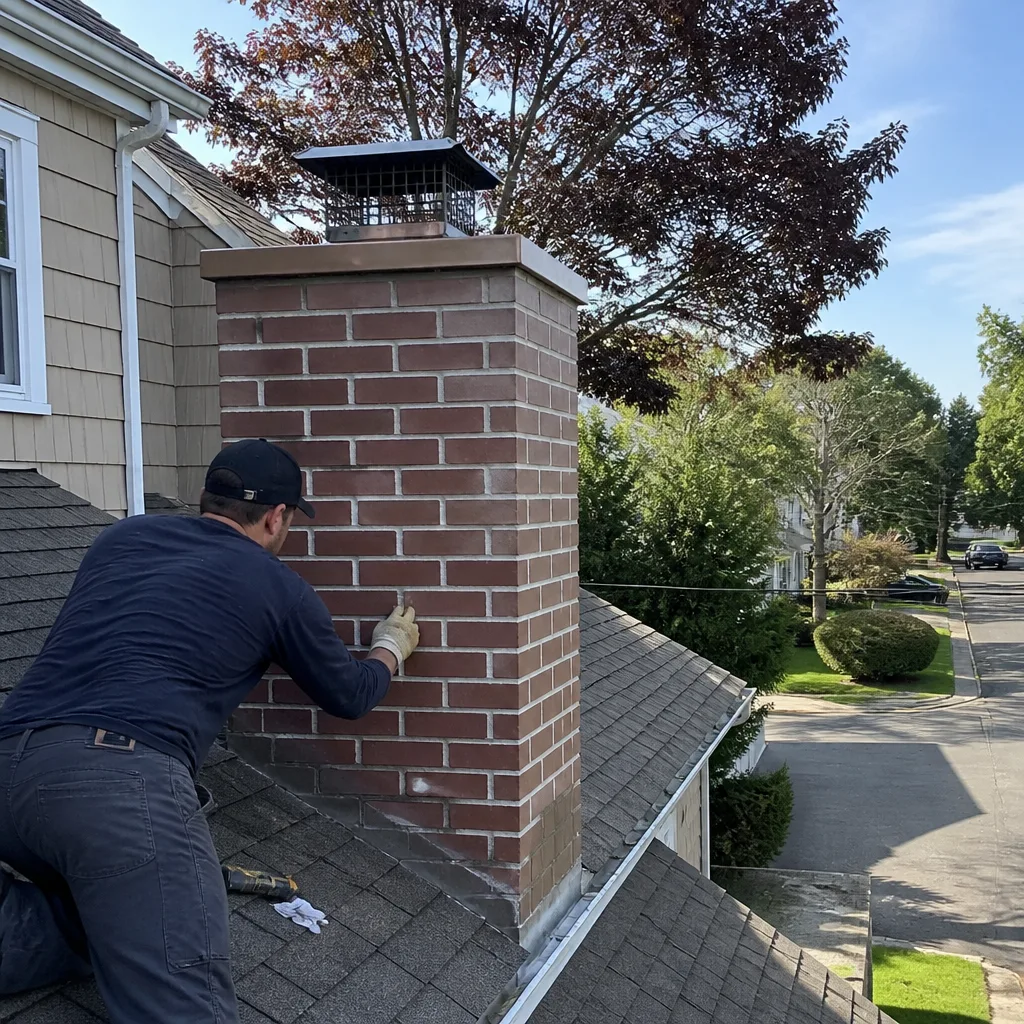 After
AfterDuraFlex Products We Service & Install in New York
We work on the full DuraFlex product range common in New York chimneys: the DuraFlex 316L Stainless Steel Chimney Liner, the DuraFlex AL 29-4C Stainless Steel Liner, the DuraFlex Smooth Wall Liner, and DuraFlex Poly-Pro Vent Systems. Each has its own maintenance profile. 316L is our most-serviced liner in New York, typically on wood stoves and fireplaces. AL 29-4C handles high-efficiency gas appliances, and that’s where condensate corrosion shows up fastest. Smooth Wall liners resist creosote buildup better than corrugated but still need annual inspection. Poly-Pro vent systems are a different animal entirely, used for condensing appliances, and we service those too.
We keep standard DuraFlex components stocked locally for New York service calls: connectors, tees, rain caps, top plates, and support brackets. If your liner needs a specific section or fitting we don’t have on the truck, we can typically source it same-week from our suppliers.
We Also Service These Brands
DuraFlex isn’t the only liner in the city, and we don’t pretend it is. We also service and install HeatShield cerfified flue repair systems and Gelco chimney caps and dampers. A good chimney company works with the right material for the job, not the one brand it happens to have on the truck. That’s how we operate.
FAQs – DuraFlex Chimney Cleaning Service in New York
Can you clean a DuraFlex liner that has a smooth wall interior?
Yes. Smooth wall DuraFlex liners are actually easier to clean thoroughly than corrugated liners, because creosote and soot don’t get trapped in the ribs the same way. We use poly brushes sized to the liner’s interior diameter and take care not to scratch the smooth surface with steel brushes. A smooth wall liner still builds up residue over a heating season, and it still needs annual removal, it just comes off faster and more completely than on corrugated interiors.
Why is condensation forming inside my DuraFlex liner for a gas furnace?
Condensation inside a DuraFlex liner on a gas furnace means the flue gases are cooling below their dew point before they exit the chimney. That’s usually caused by one of three things: the liner is oversized for the appliance, the insulation blanket has degraded, or the masonry chimney is pulling heat out of the liner faster than the appliance can replace it. In New York’s cold winters, undersized gas furnaces in old masonry chimneys are the classic setup for this. The fix depends on which cause we find, and it’s worth addressing because standing condensate in a liner shortens its life significantly. Call (315) 644-2982 and we’ll diagnose it with a camera and a draft test.
How do you remove stage 3 creosote from a DuraFlex corrugated liner?
Stage 3 creosote is the hardened, glazed form that can’t be removed with a standard wire brush. On a corrugated DuraFlex liner, we use a rotary cleaning head with poly or nylon whips, sometimes paired with a chemical creosote treatment that breaks down the glaze. It’s a more aggressive cleaning than a standard Chimney Sweep, and it’s one of the specific skillsets we bring to DuraFlex work in New York buildings where low-burning wood stoves are common. If your liner has heavy glaze, don’t wait, stage 3 creosote is fuel for a chimney fire.
My DuraFlex liner is 20 years old and has surface rust. Is it still safe?
Surface rust on a DuraFlex liner isn’t automatically a failure, but it’s a warning sign we take seriously. The question is whether the rust is cosmetic oxidation or the early stage of pitting that will eat through the wall. We can’t answer that without a camera inspection, and neither can anyone else on the phone. Twenty years is a long service life for any liner in New York conditions, so the smart move is a Level 2 inspection with video documentation. We’ll show you the wall thickness on camera and tell you plainly whether that liner has more seasons in it or needs replacing. Call (315) 644-2982 to book the inspection.
Do you inspect the insulation blanket on a factory-insulated DuraFlex liner?
Yes, every time. The insulation blanket isn’t optional equipment, it’s what keeps the flue gases hot enough to draft properly and condense less. During a Level 2 inspection, we check the blanket’s coverage, look for tears or compression, and identify spots where heat is escaping. A degraded insulation blanket on a factory-insulated DuraFlex liner is one of the most common causes of draft reversal and condensation we find on gas liners in New York. If yours is compromised, we’ll tell you, and we’ll also tell you if it can wait or needs attention before the next heating season.
How much does DuraFlex chimney cleaning cost in New York?
Most DuraFlex chimney cleaning jobs in New York run between $229 and $389. The price depends on liner length, how much creosote or soot buildup we’re dealing with, roof access in your building, and whether it’s a standard sweep or a heavier creosote removal. Every quote comes in writing before we start, and that written price is the price, no adjustments at the door. For a firm quote on your DuraFlex liner, call (315) 644-2982. Estimates are free.
Book Your DuraFlex Service in New York, NY
If you own a DuraFlex liner in New York and you want it cleaned, inspected, or repaired by people who work on these systems every week, call Ashby Chimney New York at (315) 644-2982. We’ll give you a written price before we start, show you what we find on camera, and stand behind the work in writing. That’s the Kingswell Way.
Written by Nathan Corliss, Owner at Ashby Chimney New York, serving New York since 2002.