
 Masonry repair
 Sweep & inspection
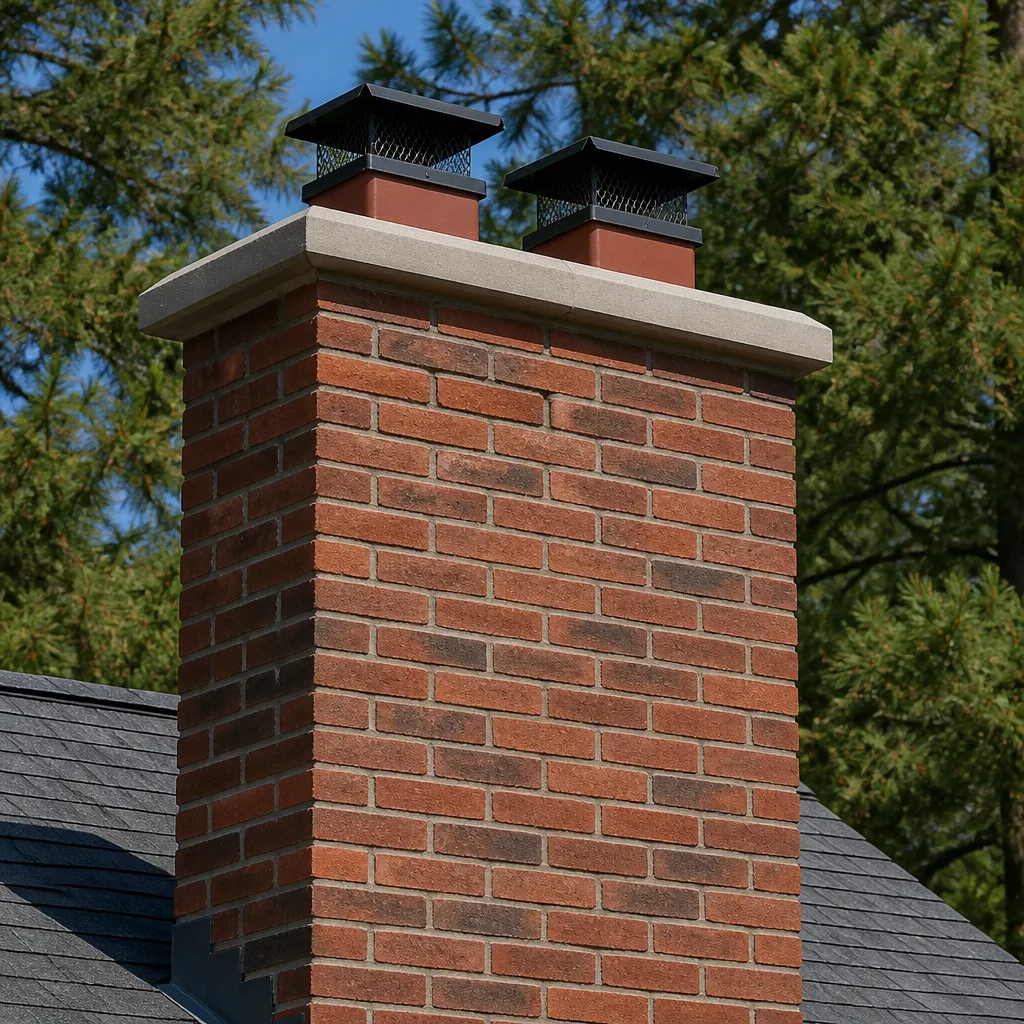 Caps & crowns
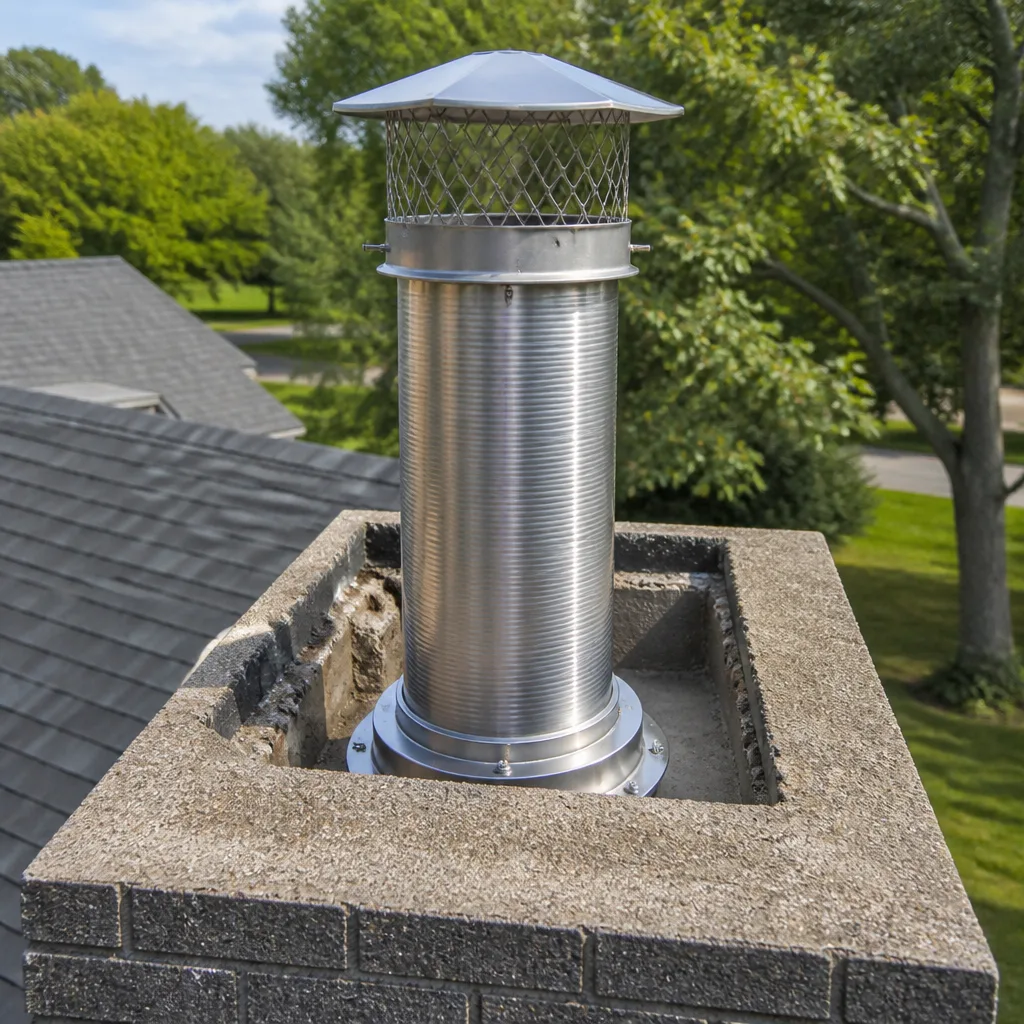 Flue relining
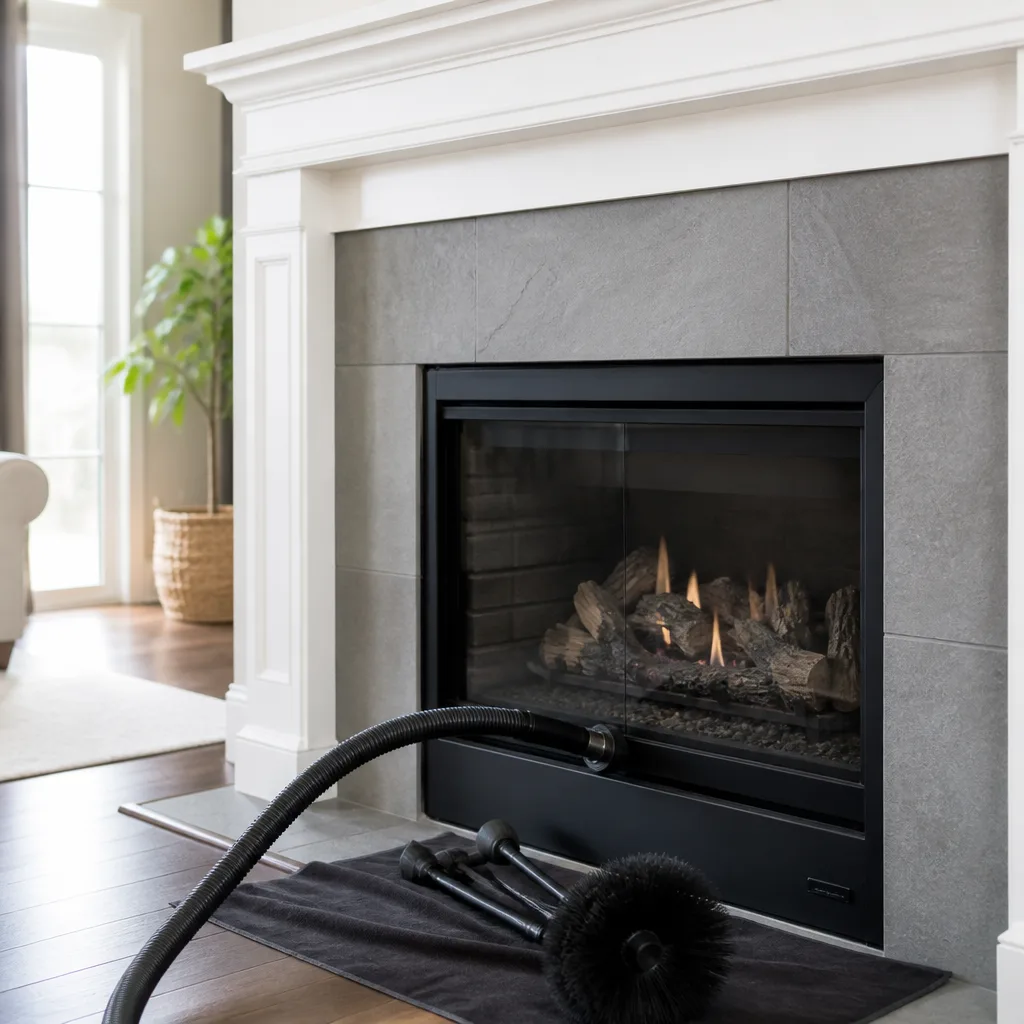 Gas fireplace service
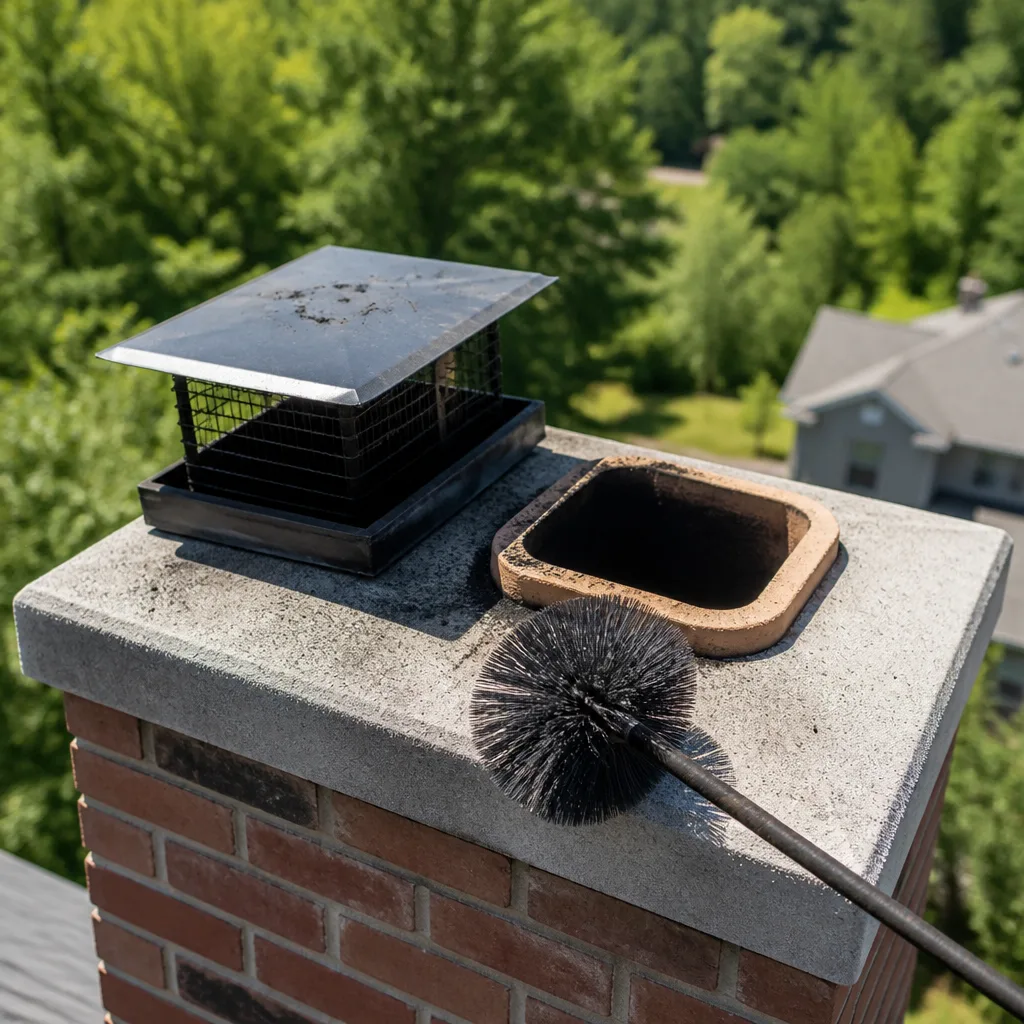
Level 1 sweep and inspection to the NFPA 211 annual standard - flue, crown, cap, and flashing checked and photographed
Chimney sweep logs do not sweep chimneys. They loosen some creosote - which then falls where a brush and vacuum still have to collect it.
Fast, Reliable Fireplace Repair Across East New York
Fireplace repair in East New York usually runs between $180 and $1,600 depending on what’s actually wrong inside the flue, the firebox, or the damper. Most jobs we handle here involve cracked flue tiles, deteriorating mortar joints, or gas fireplaces that won’t stay lit. If you live in a 1900s – 1920s brick rowhouse off Pitkin Avenue, New Lots Avenue, or anywhere between Broadway Junction and the Belt Parkway, call us at (315) 644-2982 and we’ll come scope it with a camera before quoting a single number.
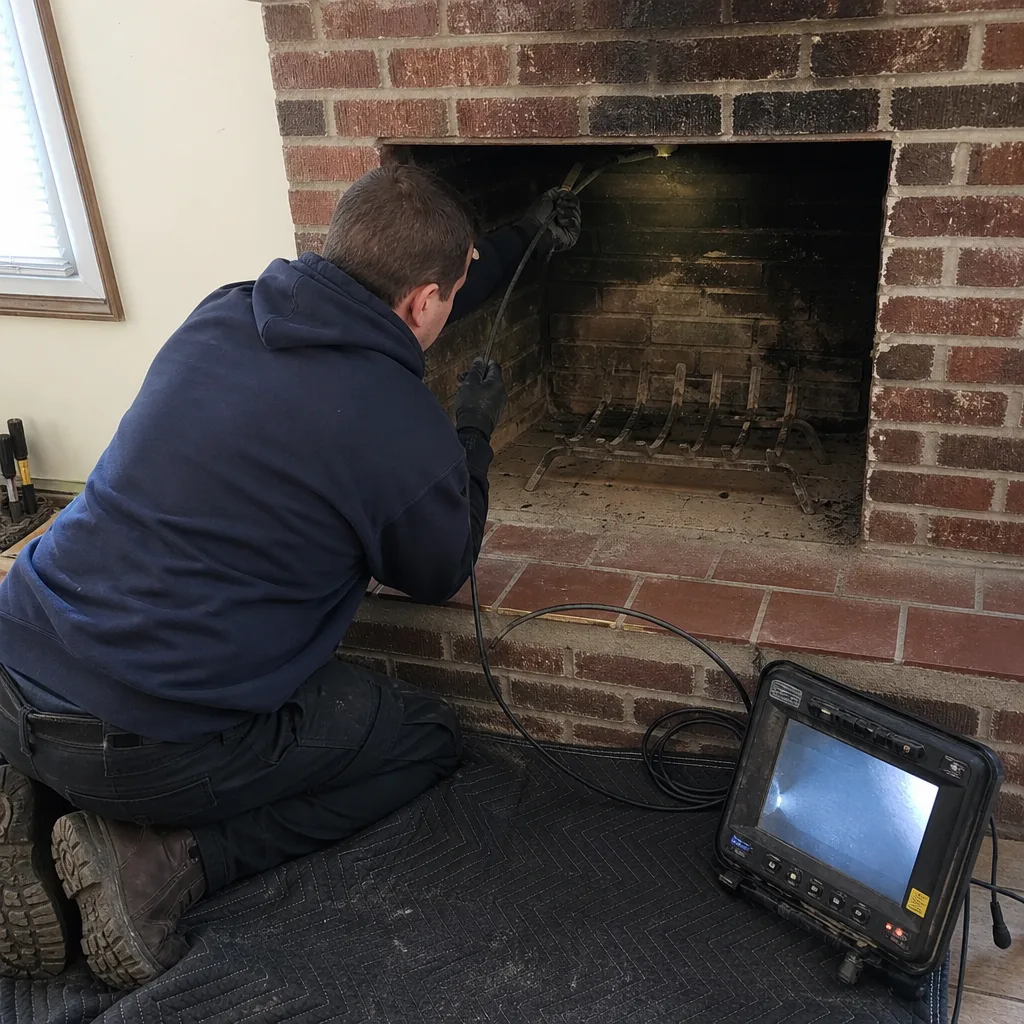
We’ve been repairing fireplaces since 2002, and we know East New York’s housing stock the way only years of crawling through its basements and climbing its party-wall chimneys teaches you. The old attached rowhouses here share flue systems in ways newer neighborhoods never have to think about. That’s exactly why we show you the camera footage before any work gets approved.
Every job gets a written price before we start and a written guarantee when we finish. If a covered repair fails inside the guarantee period, we come back and correct it at no charge. That’s our 365-Day Done Right Promise, and we put it in writing every time. Call (315) 644-2982 for a free estimate.
Why Ashby Chimney New York Is East New York’s Preferred Fireplace Repair Company
Ashby carries ash right in the name, which suits a company whose job is to clean it out and repair what it leaves behind. We’ve been doing this work across East New York since 2002, long enough to know that a fireplace here is rarely a standalone feature. In most of the rowhouses east of Pennsylvania Avenue and north of Linden Boulevard, the fireplace flue shares a masonry chimney with something else – usually a cast-iron steam boiler venting from the basement. That shared configuration drives most of the repairs we do.
Our techs are background-checked and uniformed on every visit, so you know exactly who’s walking through your door. When we arrive in East New York, we’re not guessing at your building. We know the two- and three-family layout, we know the interior masonry stacks, and we know what decades of wet boiler exhaust does to clay flue tiles. Nathan Corliss, who leads our team, insists on one rule above all: no recommendation without camera evidence the homeowner can see for themselves. If we can’t show you the crack or the spalling or the creosote buildup on a screen, we don’t ask you to pay for a fix.
East New York homeowners call us because they’ve been burned before – a no-show tech, a price that doubled at the door, a liner that cracked again six weeks later. We answer the phone with a live person 24/7, we show up in the window we promised, and the number on the invoice matches the number we quoted. That’s the Kingswell Way: say the price, show up, leave it cleaner, put the guarantee in writing, come back if it fails.
If you were searching for Fireplace Repair help from a company that actually understands East New York’s older buildings, you’ve landed in the right place. And if you want to see what else we do across the neighborhood, our Fireplace Repair in East New York page covers the full picture.
Styles & brands we work with
Gas Fireplace Service in East New York
Gas Fireplace Service in East New York typically runs between $160 and $420 depending on whether we’re replacing a thermocouple, cleaning burner ports, or diagnosing a venting issue tied to a shared flue. In prewar rowhouses here, gas fireplaces are often retrofit units installed decades after the building went up, which means venting was adapted rather than designed. That adaptation is where problems start.
Most gas fireplace calls we run in East New York come down to one of three things: the pilot won’t stay lit, the burner lights but produces soot or a weak flame, or the unit smells musty in summer. All three are fixable, and all three should be looked at by someone who understands how gas exhaust moves through old masonry. If your building still vents a steam boiler through the same stack, gas fireplace performance issues can be an early sign of flue deterioration.
Pilot Light and Ignition Repairs
When a pilot light won’t hold, East New York’s damp winters are often part of the story. Moisture intrusion through cracked mortar or a missing chimney cap can make thermocouples fail faster than they should. We replace the failed part and then check whether water or draft conditions caused the failure in the first place. A pilot repair without addressing the moisture source is just a temporary patch.
Venting Corrections for Prewar Units
Many gas fireplaces in East New York rowhouses vent into flues built for coal or wood, not for the cooler, wetter exhaust gas appliances produce. That mismatch leaves deposits on flue walls and can pull combustion byproducts back into living spaces. We scope the full run, show you what we find, and recommend only what the footage supports.
Fireplace Insert Installation in East New York
Fireplace Insert Installation in East New York typically costs between $1,100 and $3,800 including the insert, the liner if needed, and the labor. The wide range comes down to whether your existing flue is sound enough to handle the insert’s exhaust or needs a stainless liner added first. In this neighborhood’s older rowhouses, the liner is usually needed.
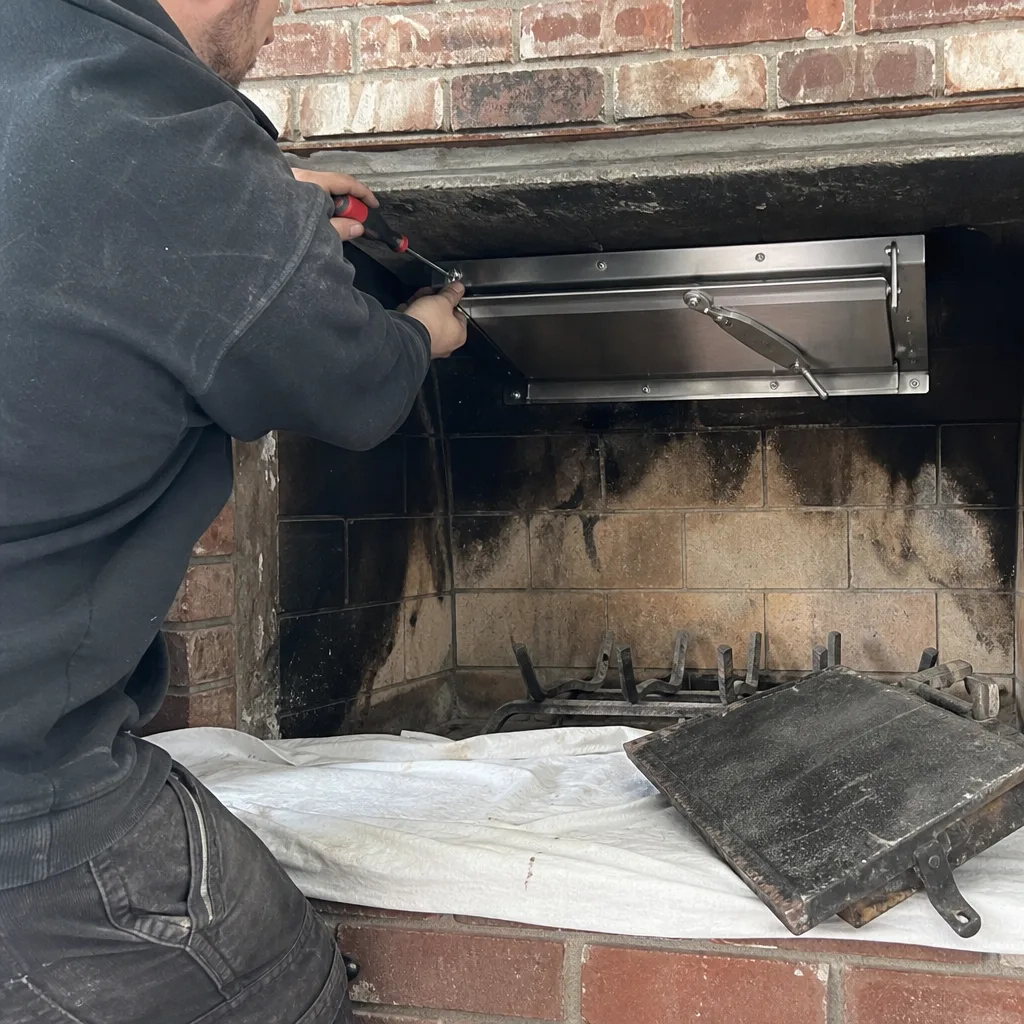
Inserts are a smart retrofit for East New York homeowners who want real heat from a fireplace that currently sends most of its warmth up the chimney. They also solve draft problems that old open fireplaces are famous for. But an insert installed into a deteriorating flue is a hazard, not an upgrade. We camera-scope every flue before quoting an insert job, and we never skip the liner assessment just to hit a cheaper number.
Lining Before Installing
Most East New York chimneys were built with clay tile or no liner at all. Run a modern insert’s exhaust through that and you’re asking for a chimney fire or carbon monoxide migration. We install stainless liners from DuraFlex or HeatShield when the scope shows deterioration, and we show you the footage that justifies it before we start.
Sizing and Clearance Work
Insert sizing matters more in East New York than in newer neighborhoods because fireplace openings in these 1900s – 1920s rowhouses were never built to modern clearance standards. We measure the firebox, check combustible clearance to the framing, and recommend an insert rated for the actual space. No guessing, no “it’ll probably be fine.”
Trusted Brands We Service in East New York
We stock repair parts for most major fireplace and insert lines our East New York customers own, and when a liner replacement is called for, we use materials from established chimney-trade suppliers like DuraFlex, HeatShield, and Olympia Chimney. We service what we sell and we service what others installed – gas logs, direct-vent units, wood-burning inserts, and legacy open hearths. Because we track the most common failure patterns in East New York’s older housing stock, we can often confirm the needed part and schedule a single repair visit rather than a diagnose-and-return trip. That saves you time and keeps your fireplace down for fewer days.
See the difference
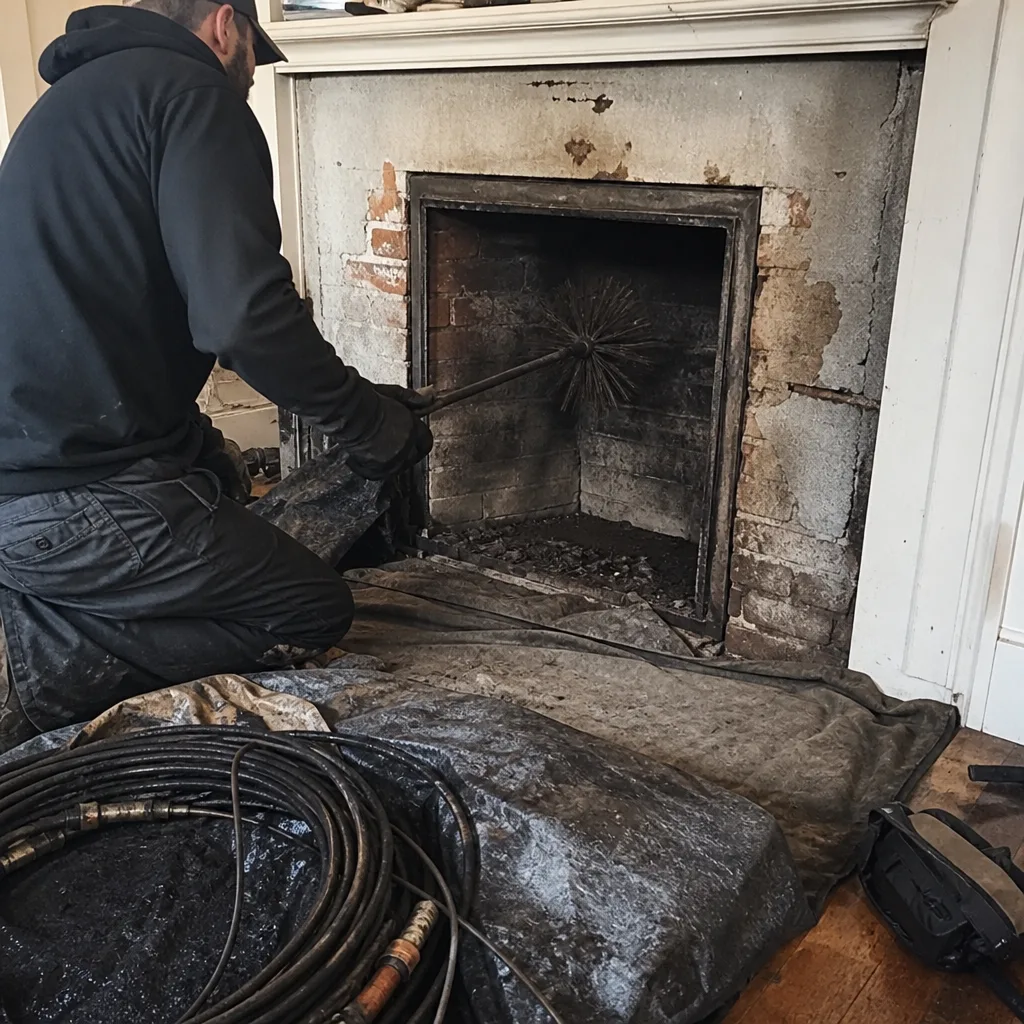 Before
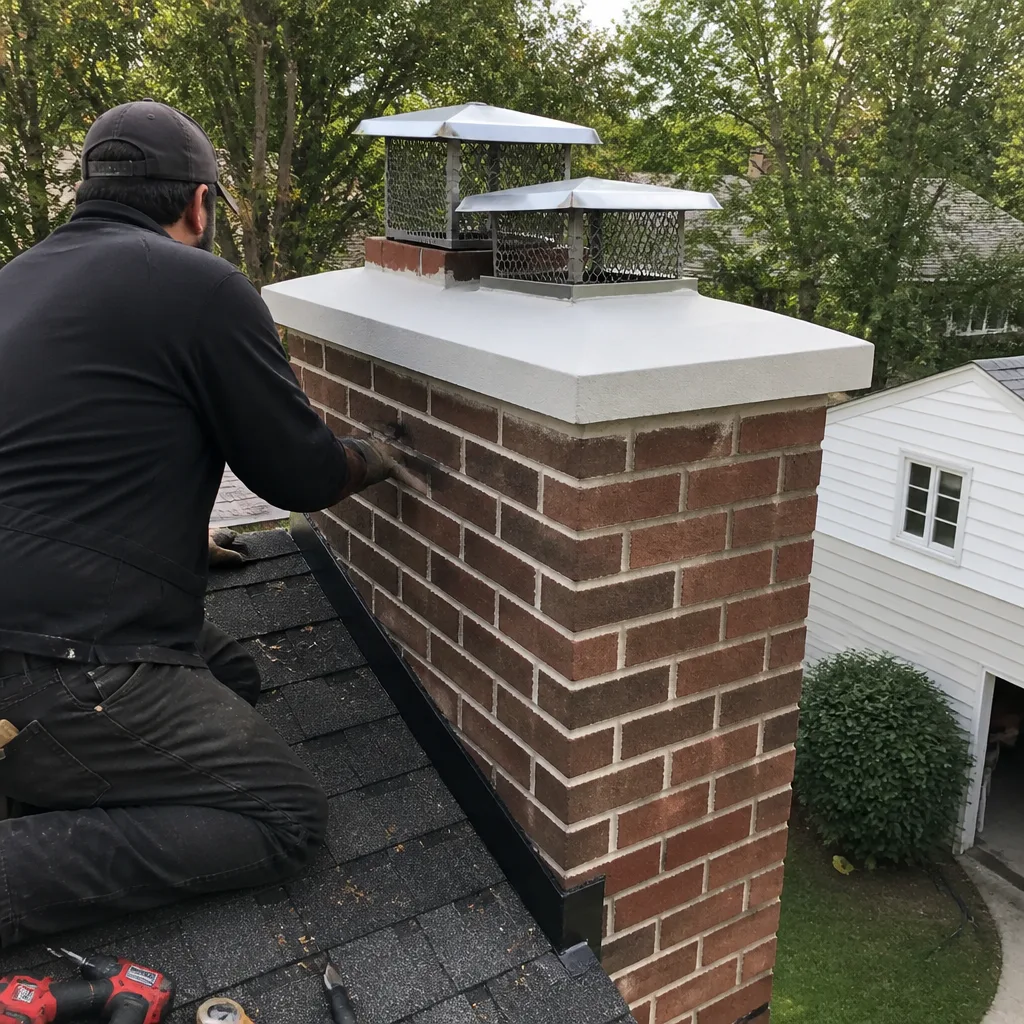 After
After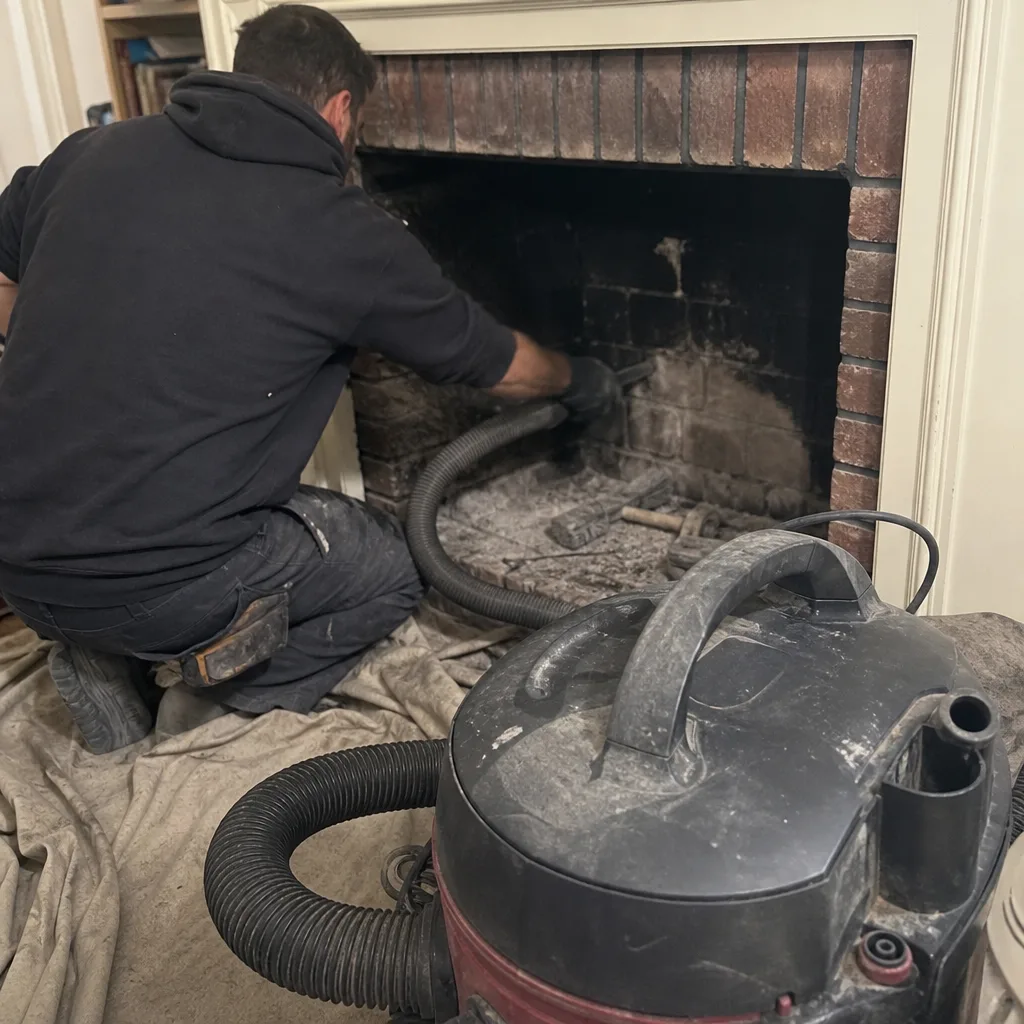 Before
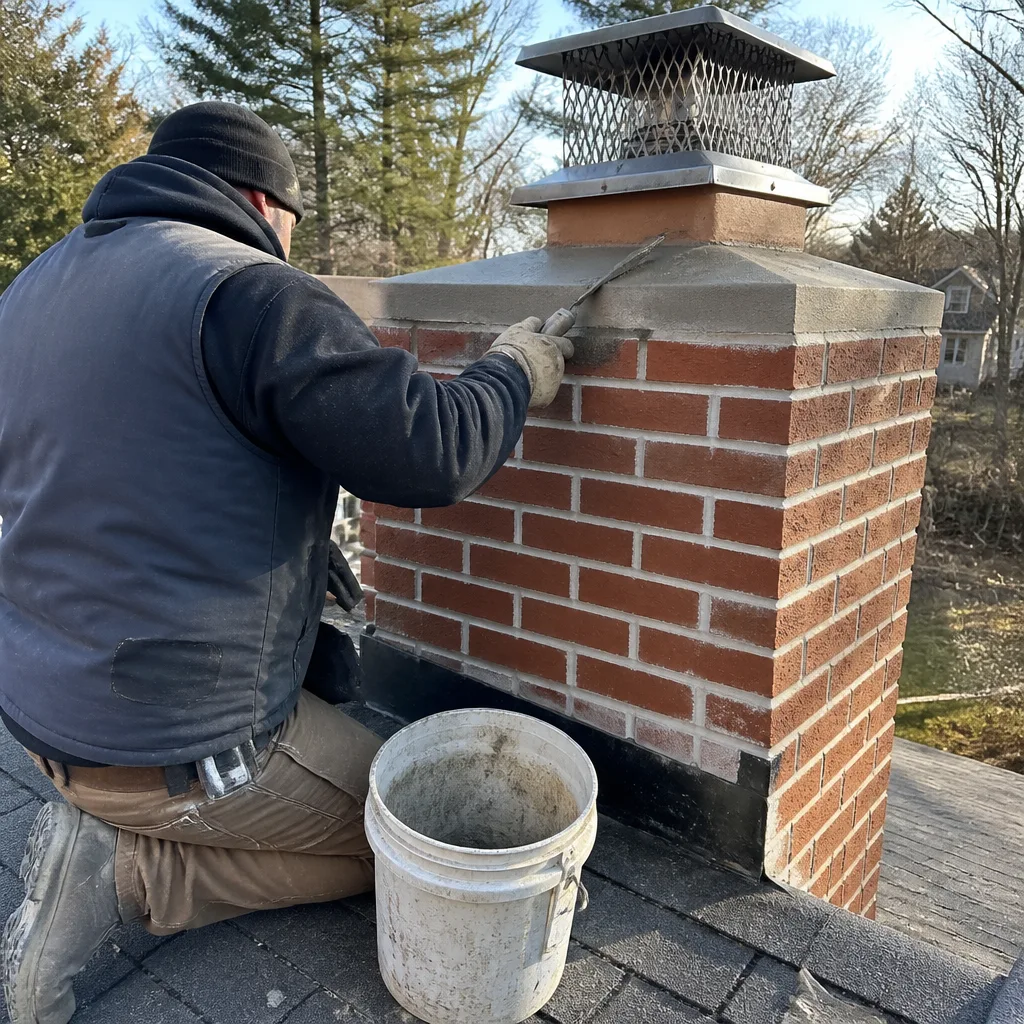 After
After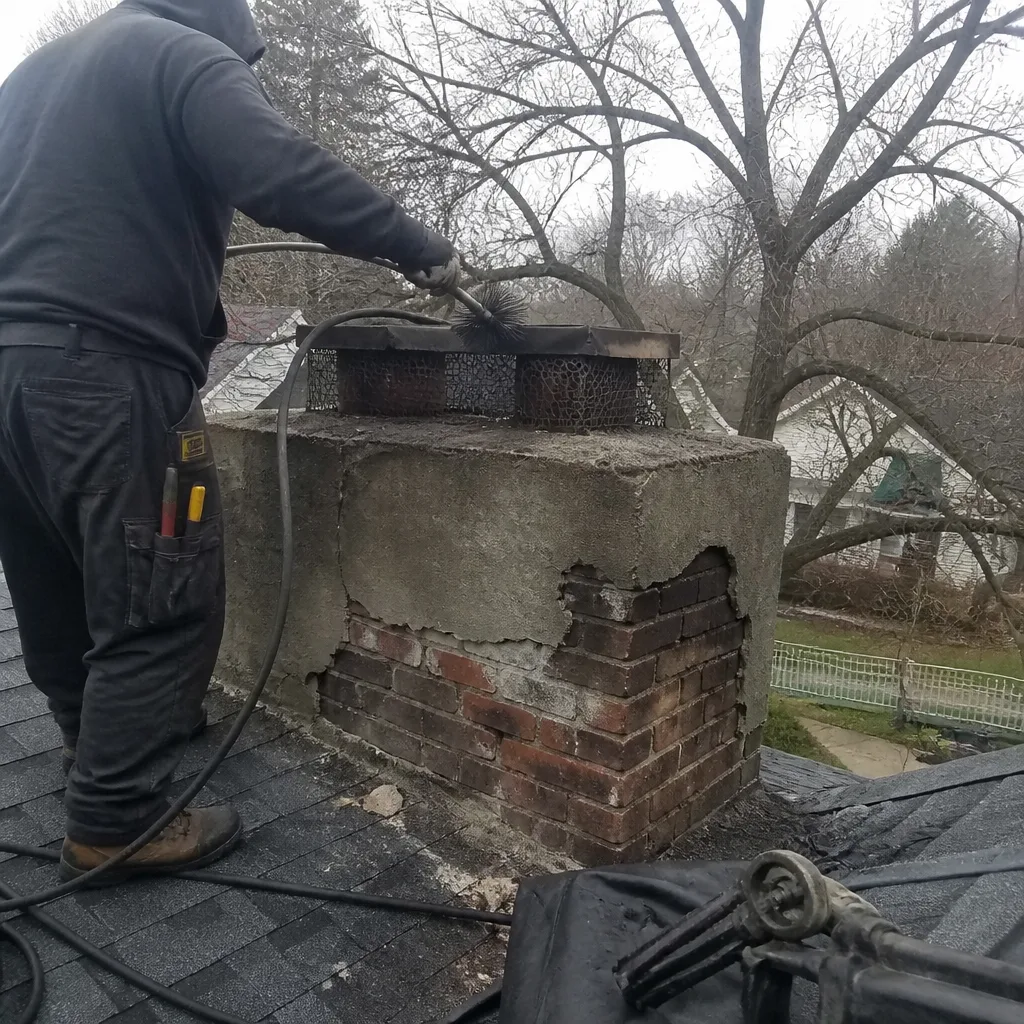 Before
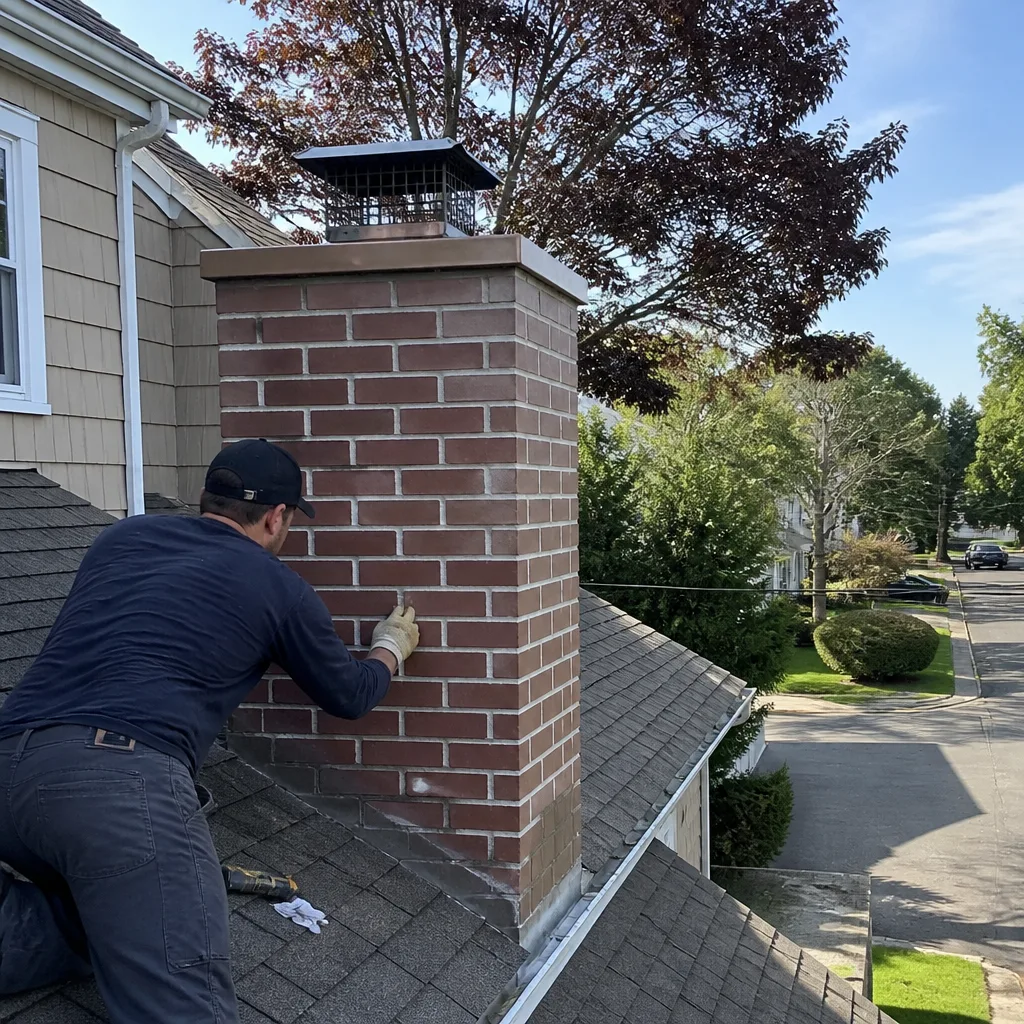 After
AfterCommon Fireplace Repair Problems We See in East New York Homes
- Shared flue damage from steam boiler exhaust. In East New York’s attached rowhouses, many fireplace flues also carry exhaust from cast-iron steam boilers in the basement. The cooler, wetter boiler exhaust accelerates clay flue tile cracking in ways neighboring neighborhoods with separately vented systems rarely see. We find sulfur staining and spalling that go unnoticed until smoke backs up or a carbon monoxide detector trips.
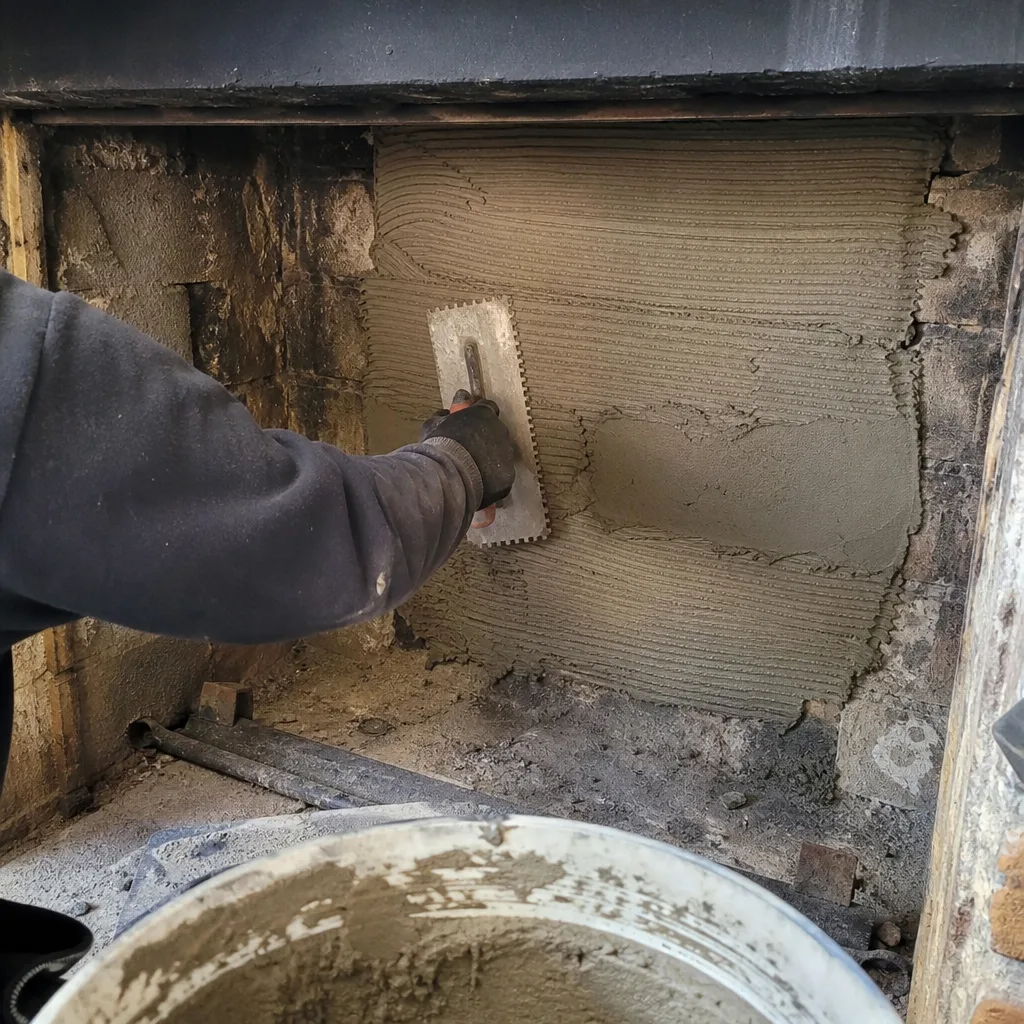
- Deteriorating mortar joints in party-wall chimneys. Freeze-thaw cycles in East New York’s cold, damp winters cause mortar to flake and brick faces to spall. In attached rowhouses, a failing party-wall chimney can allow smoke and gases to migrate into the neighboring unit. We repair joints and rebuild damaged sections with materials matched to the original masonry.
- Unlined flues with heavy creosote accumulation. Older fireplaces in East New York often have no liner at all, just raw brick. Brushes can’t remove third-degree creosote from these surfaces. When we scope an unlined flue with heavy buildup, we show you the footage and recommend the right remediation, which sometimes means a stainless liner rather than endless sweeping.
- Damper and firebox deterioration from years of neglect. High-turnover rental stock throughout East New York means many fireplaces went decades without inspection. Dampers rust through, firebox bricks loosen, and ash dumps clog. We repair or replace dampers, rebuild fireboxes with heat-rated materials, and get these systems back to safe operating condition.
Pricing for Fireplace Repair in East New York, NY
Here’s what we tell East New York homeowners over the phone, because you should know before we arrive. Most gas fireplace repairs in East New York run $160 – $420. Damper repair or replacement runs $140 – $460. Firebox repair, depending on the extent of masonry work, runs $350 – $1,200. Full flue liner replacement with a stainless system from DuraFlex or HeatShield runs $1,800 – $4,200. A complete Fireplace Insert Installation runs $1,100 – $3,800 including liner where needed. What drives the final number is what the camera shows: a simple cracked tile costs less than a full reline, and a repairable damper costs less than a rusted-through replacement. We give every East New York customer a written price before any work starts, and that number is what appears on the invoice. Call (315) 644-2982 for a free estimate and we’ll scope it, show you, and quote it straight.
We Also Serve Cities Near East New York
Ashby Chimney New York works throughout the surrounding area, including New York, Manhattan, Midtown Manhattan, and Brooklyn Heights. If you’re just over the line from East New York and need fireplace repair, call us at (315) 644-2982 and we’ll schedule a visit. Scheduling is coordinated from our New York City office, and crews serve East New York and nearby neighborhoods directly.
Serving East New York, NY - Our Local Coverage Area
We’re based in the East New York area and know this community well. Use the map below to see our service coverage - if you’re nearby, we can almost certainly help.
FAQs About Fireplace Repair in East New York
If your building was constructed in the 1900s – 1920s rowhouse era and still has a cast-iron steam boiler in the basement, there’s a strong chance your fireplace flue and the boiler exhaust share the same chimney stack. It matters because boiler exhaust is cooler and wetter than fireplace smoke, which accelerates flue tile cracking and causes heavy sulfur deposits. Repairs made without accounting for that shared configuration often fail within a season or two. We scope the full run and show you exactly what’s venting where before recommending anything. Call (315) 644-2982 and we’ll check it out.
White stains on brick, called efflorescence, mean water is moving through the masonry, and spalling means freeze-thaw cycles are breaking the brick face apart. Neither is an immediate stop-using-the-fireplace alarm on its own, but both mean the chimney’s structural integrity and draft are compromised. In East New York’s attached rowhouses, a spalling party-wall chimney can allow smoke and gases to migrate between units. We recommend not using the fireplace until we scope the flue and the exterior masonry. Call us at (315) 644-2982 for a camera inspection and a straight answer.
Usually yes. East New York’s humid summers push moisture into flues, and when a gas fireplace vents into an old masonry chimney, creosote and soot absorb that moisture and release a musty odor into the living space. The smell often means the flue isn’t drafting correctly or the liner has cracks allowing moisture and odor to saturate the masonry. We scope the venting run, identify the moisture entry point, and repair it. The fix is often simpler than people expect. Call (315) 644-2982 and we’ll track it down.
You need the camera inspection, and here’s why. The visible firebox is only a few square feet of brick. What’s happening inside the flue – the 15 to 40 feet of vertical run above it – determines whether patching the firebox actually solves anything or just hides a deeper problem for another season. In East New York’s shared-flue rowhouses, the real trouble is usually in the flue, not the firebox you can see. We insist on scoping before quoting because we won’t recommend a repair we can’t prove with footage. If a company quotes a firebox patch without looking up the flue, that’s your signal to call someone else.
Cracked clay flue tiles in chimneys that also vent steam boiler exhaust. In East New York’s 1900s – 1920s attached rowhouses, the fireplace flue and the basement boiler often share the same masonry stack. The boiler’s cooler, wetter exhaust stresses the clay tiles until they crack, then deposits sulfur and soot through the cracks, and eventually smoke or carbon monoxide finds its way into living spaces. Repairs that don’t address the cracked tiles – a firebox patch, a damper swap, a new gas log set – fail because the actual defect is twenty feet above the firebox. Our camera scope finds it, we show you the footage, and we quote the fix that lasts.
On a two-family rowhouse off Pitkin Avenue, our tech scoped a fireplace flue that also carried a basement steam boiler exhaust and found the clay liner cracked in three spots with heavy sulfur staining. We replaced the flue liner with a DuraFlex stainless system and rebuilt the smoke chamber, restoring draft and eliminating basement odors after showing the homeowner the camera footage before any work was approved. That’s how we work in East New York, and it’s why our repairs hold.
Written by Nathan Corliss, Owner at Ashby Chimney New York, serving East New York since 2002.