
Last updated October 15, 2026
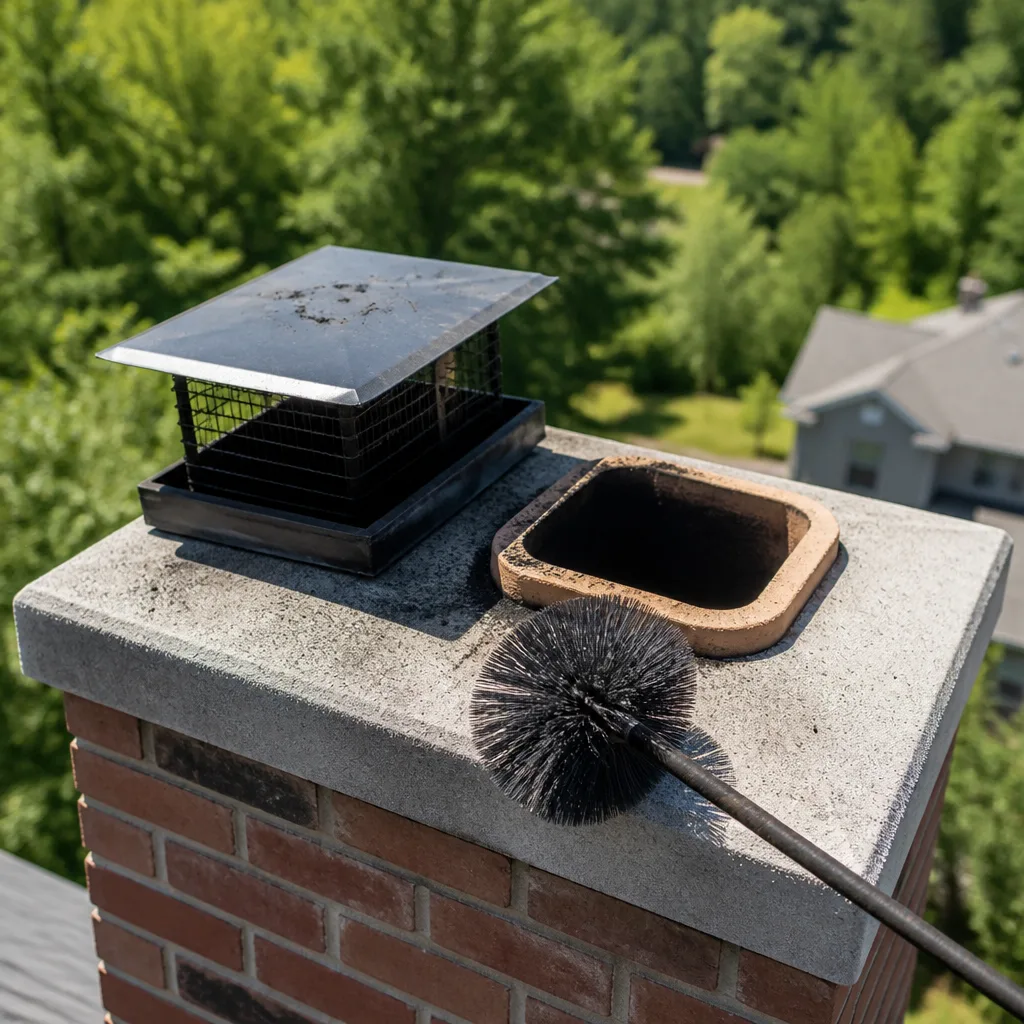 Sweep & inspection
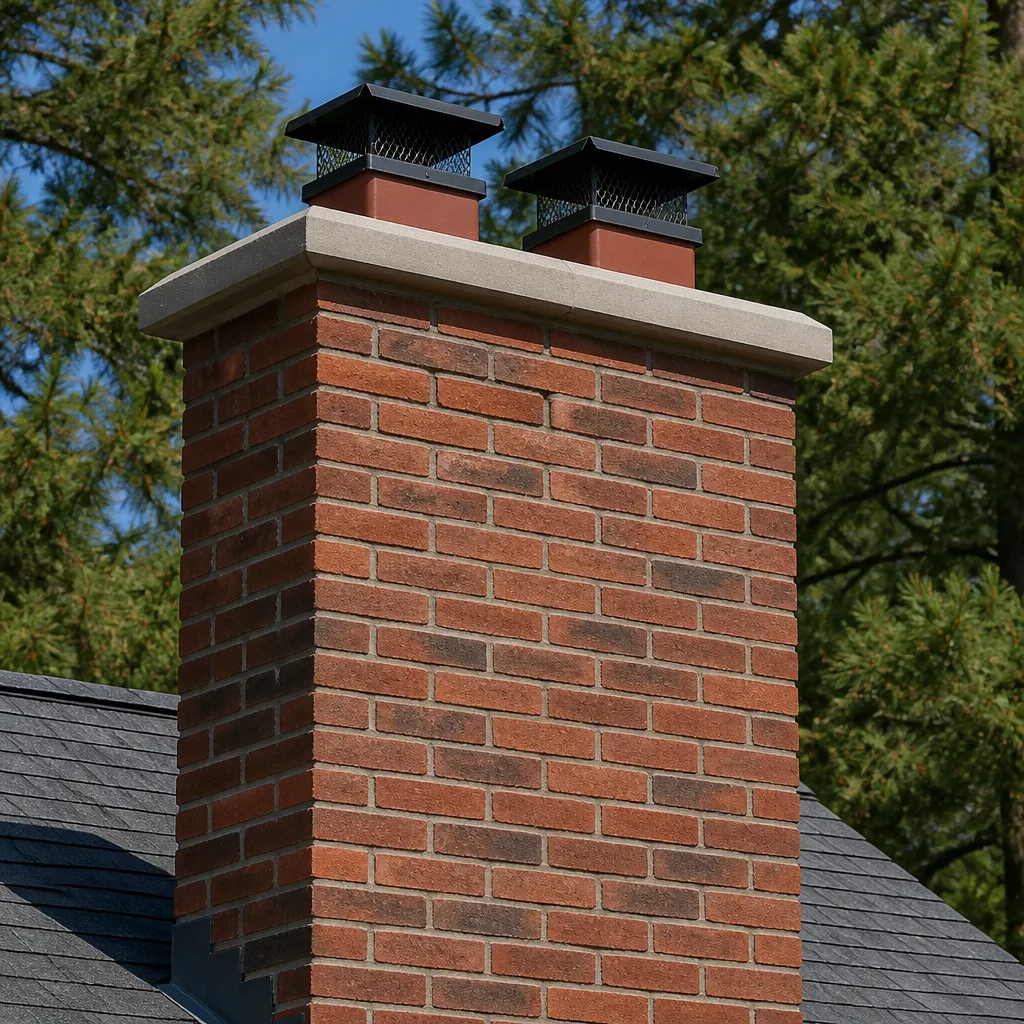 Caps & crowns
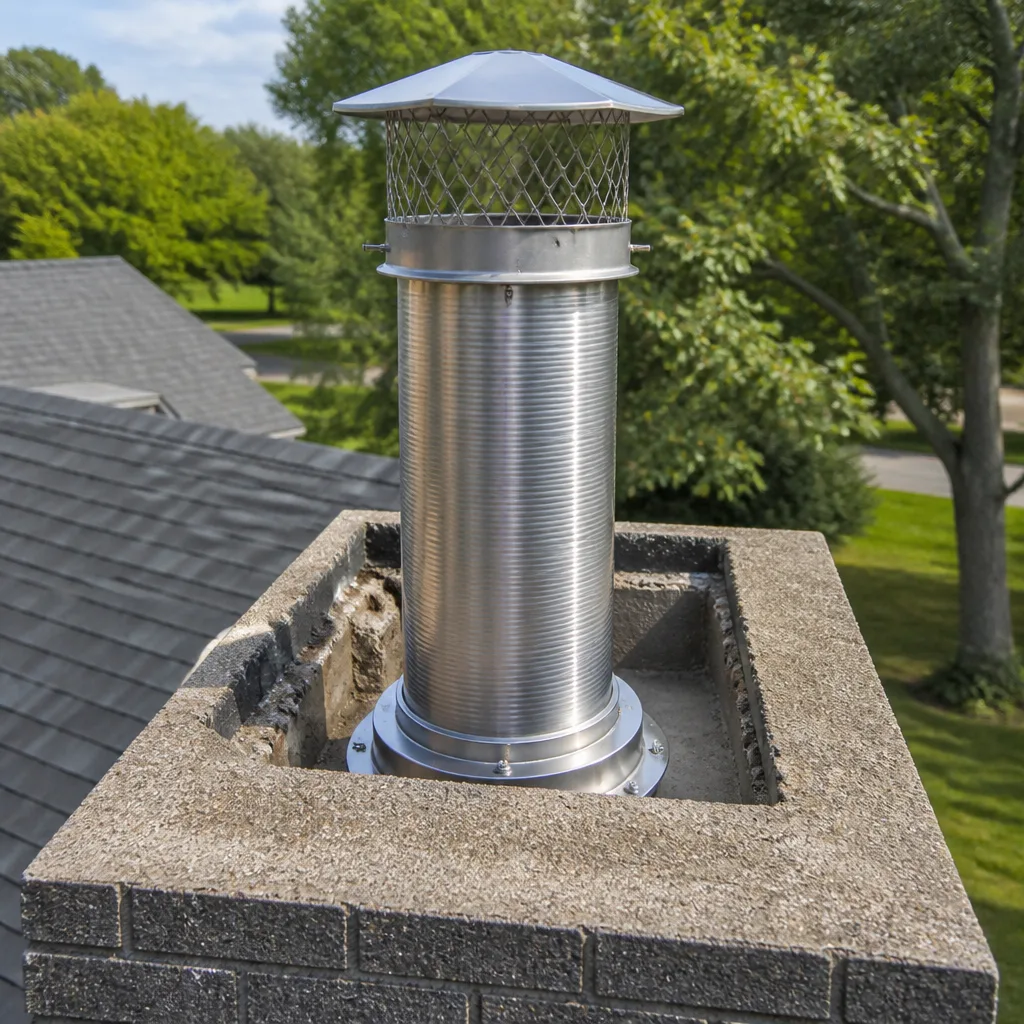 Flue relining
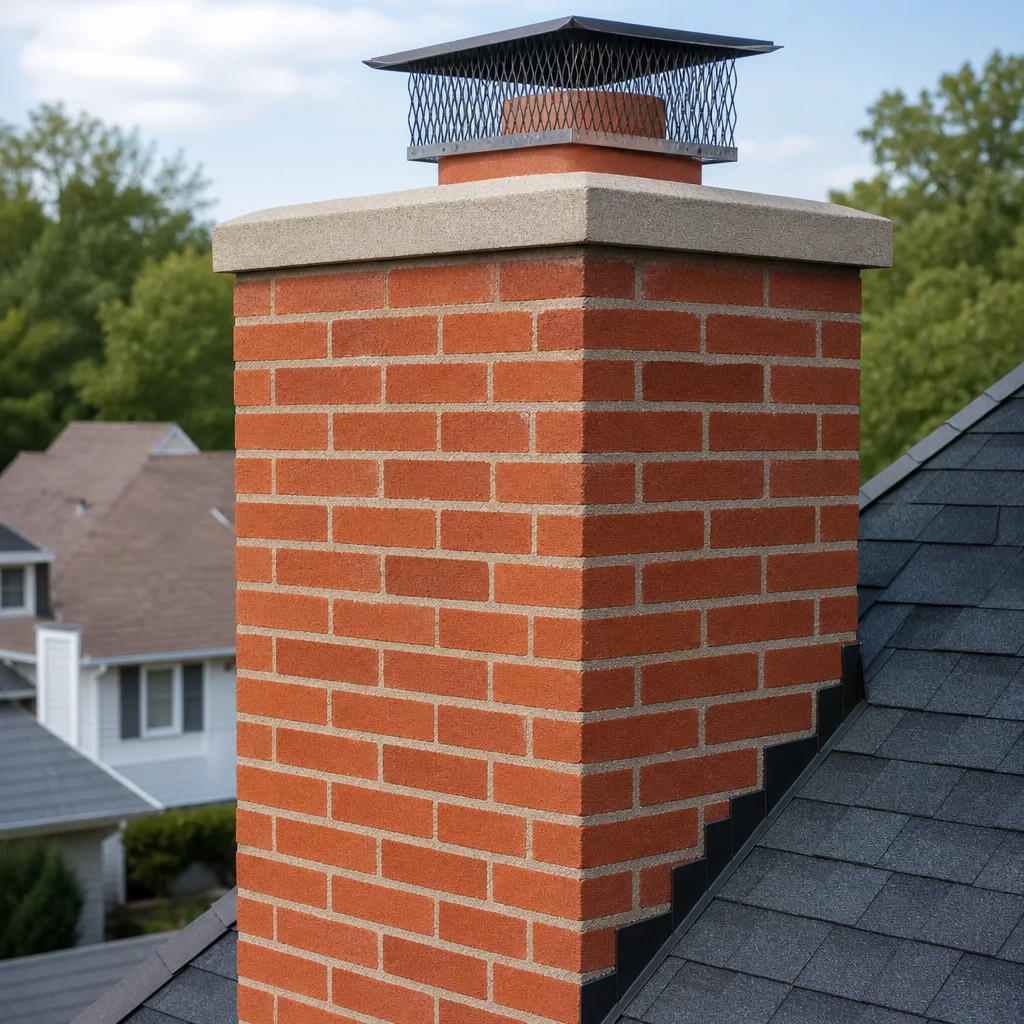 Masonry repair
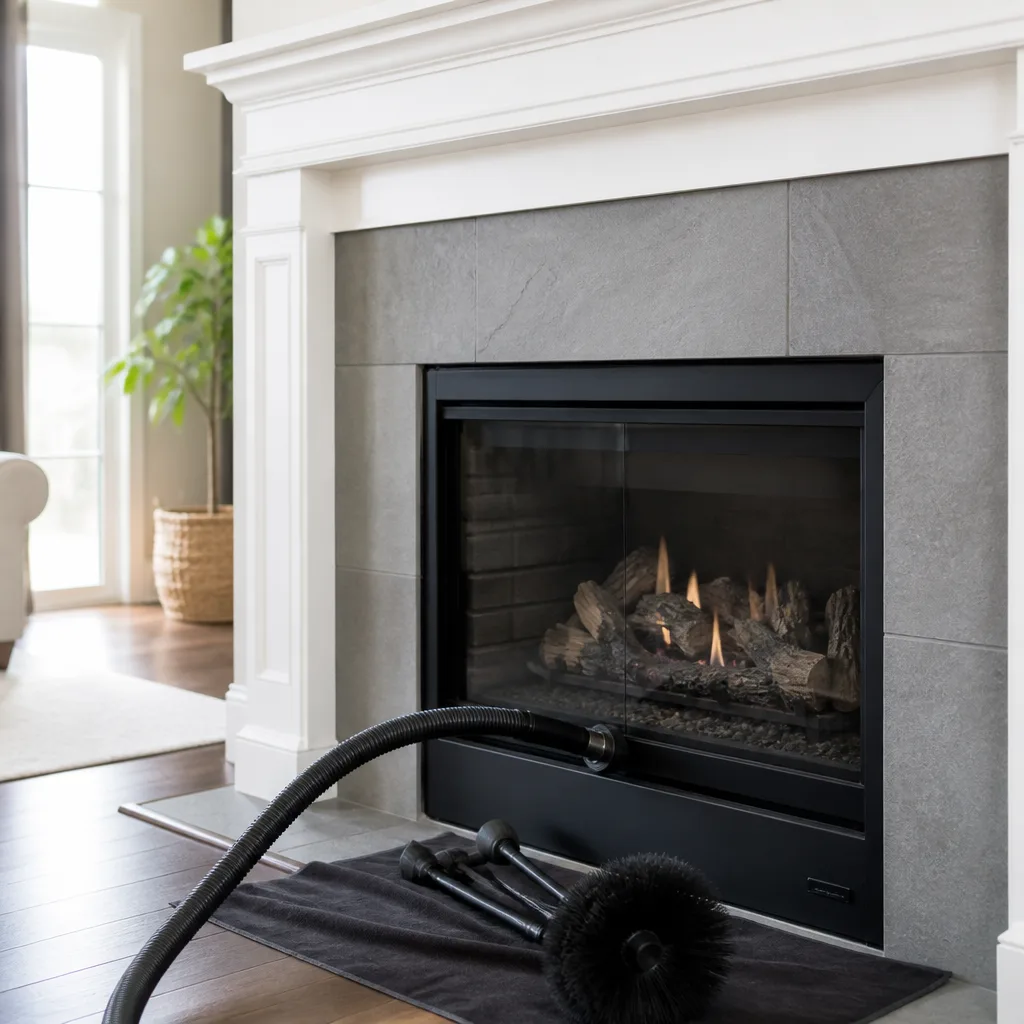 Gas fireplace service
Level 1 sweep and inspection to the NFPA 211 annual standard - flue, crown, cap, and flashing checked and photographed
Chimney sweep logs do not sweep chimneys. They loosen some creosote - which then falls where a brush and vacuum still have to collect it.
The Complete Guide to Chimney Cleaning in New York
A standard chimney cleaning in New York takes between 45 and 90 minutes, but most homeowners can’t name a single thing the sweep does during that time. That’s not a failure of curiosity; it’s a failure of the industry, which has kept its process vague for decades. Vague is profitable. Vague lets a $225 sweep become a $2,400 liner replacement you can’t verify. This guide works the other way: it starts with minute-by-minute detail of what happens inside a New York chimney, so you know exactly what you’re paying for before anyone rings your doorbell. For more guides & resources, visit our blog.
Quick Answer
Chimney cleaning in New York typically costs $189 to $360 for a standard sweep of a single-flue fireplace or wood stove in a private home, with most jobs landing around $225 to $285. The work removes creosote buildup from the flue liner (the clay or steel tube that vents combustion gases out of your home), reduces fire risk, and is usually finished in under two hours. A legitimate New York chimney company will provide a written price before starting so the invoice matches the quote.
Styles & brands we work with
Table of Contents
- What Actually Happens During a Chimney Cleaning in New York
- Why New York Chimneys Are Different From Suburban Ones
- What Does Chimney Cleaning Cost in New York?
- Level 1 vs. Level 2 Inspections: What NYC Conditions Require
- The One Question That Exposes Dishonest Pricing
- How to Read a Chimney Sweep’s Written Report
- How Often Should You Clean a Chimney in New York?
- Common Mistakes to Avoid
- When to Call a Professional
- Frequently Asked Questions
What Actually Happens During a Chimney Cleaning in New York
Here is the step-by-step of a professional sweep, the way a thorough New York technician does it. This is the sequence Nathan Corliss and the Ashby Chimney New York home team follow on most residential jobs.
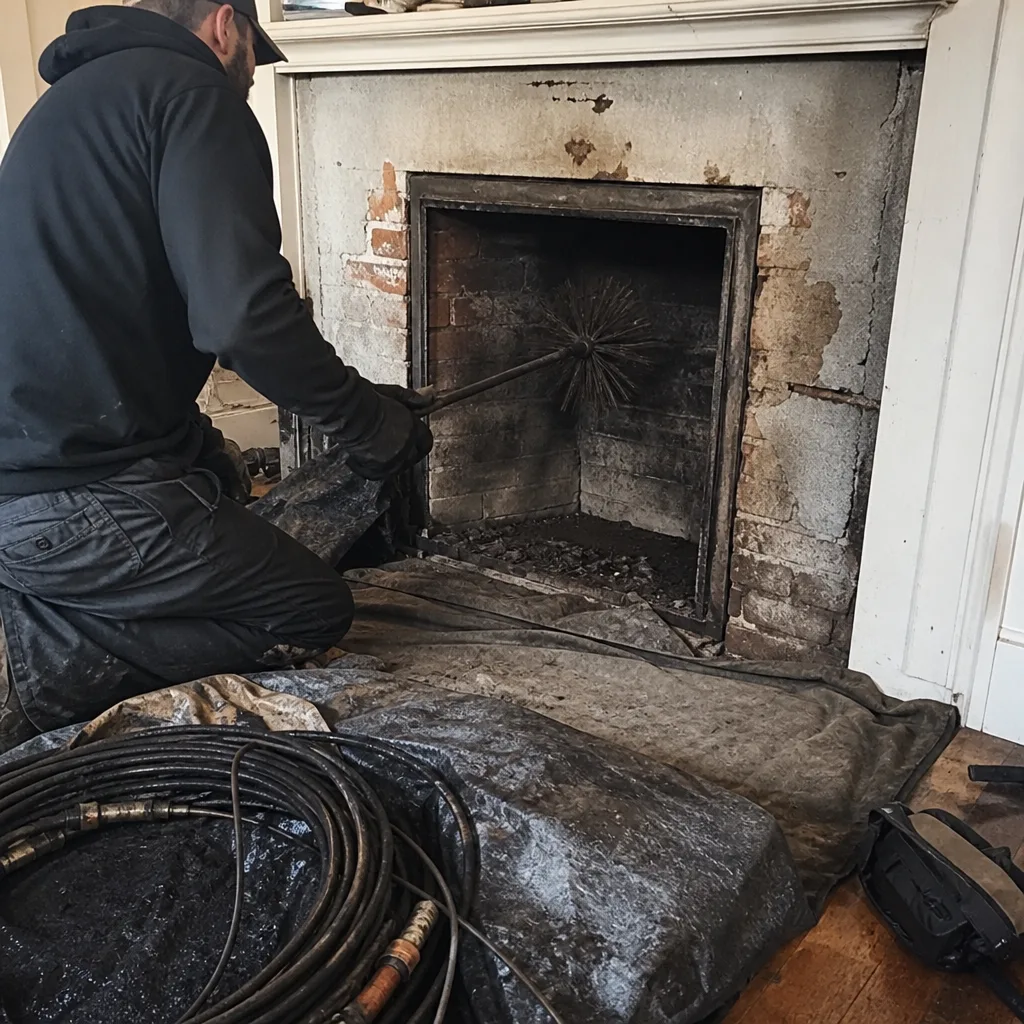
- Protecting the room. The sweep lays canvas or plastic drop cloths from the front door to the fireplace, then seals the fireplace opening with a specialized vacuum shroud. In a pre-war apartment with original parquet floors, this takes longer than in a suburban living room with wall-to-wall carpet. It matters either way. If a company skips this step, you’ll know within an hour.
- Inspecting before cleaning. A quick visual check of the firebox, damper, and accessible flue. The sweep is looking for obstructions (nests, fallen brick), water damage, or signs of previous chimney fires. This pre-check determines whether cleaning can proceed safely.
- Setting up the vacuum. A HEPA-filtered negative-air vacuum runs continuously throughout. In a New York rowhouse where the fireplace sits in a small living room, this is what keeps dust from coating your sofa and bookshelves.
- Brushing the flue. The sweep runs a wire or poly brush, sized to the flue’s exact dimensions, up and down the full length of the chimney. For wood-burning fireplaces, this is mechanical brushing. Rotary systems attach to a drill and spin at speed. Older, more delicate flues may get a gentler hand-brushing. Chemical cleaners (like the treatments used in some masonry repair systems) are occasionally used for stage-three glazed creosote, but that’s a specialty situation, not a routine add-on.
- Cleaning the smoke chamber. The angled area above the damper where smoke gathers before entering the flue. Many landlords and previous owners skip this because it requires reaching up past the damper plate. A thorough sweep includes it. In our experience, this is where most New York fireplace odors originate.
- Cleaning the firebox and damper. Removing ash and debris, checking damper function, and vacuuming the hearth area.
- Documenting the flue condition. A professional sweep should run a camera or at minimum take photos of the flue interior. Ashby documents with photography on every sweep and notes any cracks, gaps, or stage-two or stage-three creosote buildup in a written report.
- Reassembling and reporting. The fireplace is put back together, drop cloths come up, and the sweep walks the homeowner through what was found in plain language, with photos to back it up.
That’s the whole job. Forty-five to ninety minutes of methodical, dusty, skilled work. If a sweep in New York quotes you 20 minutes and a $99 price, one of two things is true: they’re cutting steps, or they’re using the low price to get in the door and sell you something else. Read our DIY vs Professional Chimney Cleaning: The New York Homeowner’s Decision Guide to understand why professional work matters.
Why New York Chimneys Are Different From Suburban Ones
New York’s housing stock is older, denser, and more regulated than almost anywhere else in the country. That changes what a sweep needs to do. A single-family house in Westchester with one flue is a different job from a four-story brownstone in Park Slope with three fireplaces sharing two flues.
Here is what’s different in New York:
- Pre-war multi-flue systems. Buildings from before 1940 often route multiple fireplaces into shared or adjacent flues. Cleaning one apartment’s flue without understanding the building’s full venting layout can miss blockages in shared sections. A thorough sweep checks what they can access and tells you what requires a building-wide look.
- Converted gas fireplaces. Thousands of New York homes had wood-burning fireplaces converted to gas decades ago, then converted again, then abandoned. A gas log fireplace that used to burn wood may still have creosote residue inside the flue. If you’re using a gas insert in a formerly wood-burning chimney, that residue plus gas byproducts can create a corrosive environment. A sweep needs to know the conversion history.
- Co-op and condo board rules. In many New York co-ops, the chimney flue is considered common property. Board approval may be required before any work. A good chimney company in New York knows this and can provide the written report boards typically require. If a contractor tells you not to worry about board approval, that’s a red flag.
- Oil-to-gas conversions. Thousands of New York buildings converted boilers from oil to gas over the past two decades. Gas burns cleaner but hotter and produces more water vapor. A flue that worked for decades with oil can deteriorate quickly after conversion, especially if the liner wasn’t redone at the time. Any Chimney Inspection in New York should include a check for gas-conversion-related liner damage.
- Tight spaces and rooftop access. In Manhattan and dense parts of Brooklyn and Queens, roof access may require an appointment through a super or managing agent. The sweep’s arrival window has to account for that. Ignoring this coordination is how appointments get missed.
New York also has real weather. Freeze-thaw cycles in a city where masonry is exposed to Atlantic storms degrade brick and mortar faster than in drier climates. A sweep in New York isn’t just looking for creosote; they’re looking for spalling brick, deteriorated crown mortar, and water intrusion around flashing.
What Does Chimney Cleaning Cost in New York?
Most chimney sweeps in New York run between $189 and $360 for a standard single-flue cleaning in a private home or apartment with direct access. High-rise work, difficult roof access, or severe creosote buildup can push the job higher. Here’s a realistic breakdown based on what we see across the New York market:
| Service | Typical Range in New York |
|---|---|
| Standard chimney sweep (wood fireplace, single flue) | $189 – $360 |
| Chimney sweep with Level 1 inspection | $225 – $425 |
| Chimney sweep with Level 2 inspection (camera scan) | $325 – $600 |
| Gas fireplace chimney sweep and service | $175 – $300 |
| Wood stove flue cleaning | $200 – $375 |
| Heavy creosote removal (stage two or three, chemical treatment) | $300 – $650 |
These are New York market ranges. Anyone quoting significantly below the bottom of these ranges is either skipping steps or buying their way in to sell repair work. Anyone quoting far above without explaining why (structural issues, difficult access, hazardous conditions) owes you a clear justification.
Ashby Chimney New York gives every customer a written price before any work starts. The number you see on the written quote is the number on your invoice. That’s the Chimney Sweep in New York standard we hold ourselves to in every borough and suburb we serve. If the sweep finds something unexpected, you hear about it with a photo and a price before any additional work proceeds. You approve the work, or you don’t. Nothing happens behind your back.
Level 1 vs. Level 2 Inspections: What NYC Conditions Require
A Level 1 inspection is a visual check of the accessible parts of the chimney: the firebox, damper, smoke chamber, and flue as far as can be seen. It happens as part of a standard sweep. For a wood-burning fireplace used regularly in the same manner by the same household, Level 1 is usually enough.
A Level 2 inspection adds camera scanning of the full flue interior from top to bottom. It also includes inspection of the accessible sections of the chimney exterior and any attic or crawlspace areas the flue passes through.
In New York, several conditions push a Level 2 from “nice to have” to “necessary”:
- You’ve just purchased the property. You have no way of knowing how the previous owner used the fireplace. Camera evidence changes that.
- The chimney has had a change of fuel type. As discussed above, oil-to-gas conversion changes combustion chemistry and can damage liners.
- A storm event has occurred. New York gets Atlantic storms, and high winds, falling debris, or lightning can crack flues that looked fine the year before.
- The building shares a flue or has a complex multi-flue system. A camera scan can identify which flue serves which fireplace and what’s happening in the shared sections.
- The fireplace has a bad odor, or smoke has backed up into the room at any point.
- It’s been more than two years since the last camera inspection.
The phrase “Level 2” is specific and defined by the National Fire Protection Association’s NFPA 211 standard. When a company suggests it, they should tell you exactly why, in regular English. If the explanation is vague, ask for the camera footage. A legitimate sweep shows you what they saw, because the photos justify the recommendation.
The One Question That Exposes Dishonest Pricing
When you call a chimney company in New York, ask this: “Can I see the written report and photos before I hear any repair recommendation?”
The answer tells you almost everything. An honest company says yes, and means it. Show us the photos, hand us the written condition report, then tell us what you think needs attention and what it costs. That’s the Kingswell Way, the standard Nathan Corliss operates under: say the price, show up in the window, leave it cleaner, put the guarantee in writing, come back if it fails.
A less honest company will hedge. They’ll say photos aren’t necessary, or they couldn’t get the camera in, or the report is “in the truck” and they’ll email it later. They’ll describe conditions you can’t see and quote repairs you can’t verify. If the evidence isn’t presented before the recommendation, the recommendation isn’t about your chimney. It’s about your checkbook.
We’ve seen this pattern often enough in New York that we built our entire process around it. Camera photos go in the written report. The written report goes in your hand. The repair recommendation comes with the evidence attached. If a repair is truly urgent, the photos will look urgent. If it can safely wait, we say that too, in writing.
How to Read a Chimney Sweep’s Written Report
A professional chimney cleaning should end with a written report. That report is the most underappreciated document in home maintenance. Here is how to read it so you know which findings are urgent, which are watch-and-wait, and which are sales pitches dressed as safety concerns.
Urgent findings (act on these):
- Stage three creosote accumulation. This is the shiny, tar-like glazed deposit that forms from incomplete combustion. It’s a serious fire risk. The fix is mechanical removal with a chemical treatment, sometimes called a creosote conditioner or pre-treatment. Legitimate and necessary.
- Flue liner cracks, gaps, or missing sections, especially in a chimney that vents gas appliances. This is a carbon monoxide risk. The fix may be a liner repair or replacement using a product like DuraFlex stainless steel. Ask to see the camera evidence.
- Debris blocking the flue, a collapsed flue section, or animal nesting. Obvious obstructions must go before you use the fireplace again.
- Disconnected furnace or boiler venting inside the chimney. This is immediate carbon monoxide exposure. Call a professional now.
Watch-and-wait findings (note these, recheck next visit):
- Minor water staining on the flue interior with no cracks yet. Water intrusion can become liner damage, but if the flue is intact today, you can recheck next season.
- Light surface rust on a steel liner’s lower sections. Common in a New York climate with high humidity and coastal air. Worth watching, not emergency.
- Small gaps in mortar joints in the smoke chamber that aren’t currently allowing gas escape. These can be sealed later with a product like HeatShield, but may not require immediate work.
- Damper wear that still functions. If it opens and closes, note it and move on.
Sales pitches in safety language (get a second opinion):
- “Your flue liner is over 20 years old, so it needs replacement.” Age by itself means nothing. Request the camera photo showing cracking, spalling, or gas leakage.
- “We found light creosote, so you need a chemical treatment.” Light creosote is what brushing removes. Chemical treatment is for stage three glazing, not stage one powder.
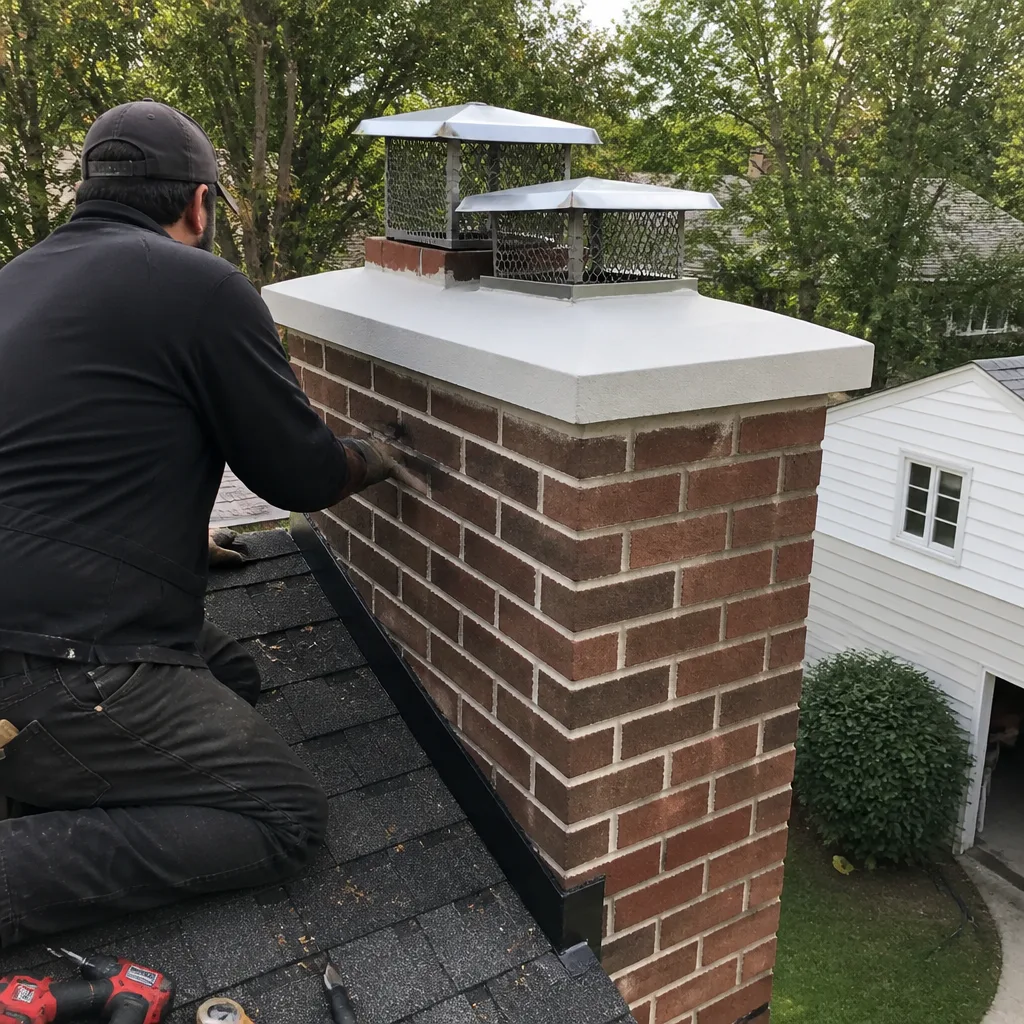
- “Your chimney cap is missing, and that led to all the other issues.” A missing cap is a legitimate issue, but it’s a $150 – $400 fix, not a justification for a full rebuild. If the quote climbs from cap to crown to liner in under three sentences, hang up.
- “This is the worst chimney I’ve seen in New York in 20 years.” It’s remarkable how many technicians have seen the “worst” chimney. Ask for the photos that earned that title.
The rule is simple: no photo, no problem. If it’s real, it’s visible. The Fireplace Repair in New York standards we follow at Ashby require documentation on every recommendation. Nathan Corliss has stood behind that standard since 2002, and every repair carries a written guarantee covering the work inside the guarantee period. If it fails, we come back at no charge. That’s the 365-Day Done Right Promise, and it applies to every repair we complete.
How Often Should You Clean a Chimney in New York?
The National Fire Protection Association says chimneys should be inspected at least once a year and cleaned as needed. “As needed” is the phrase that does the work. Here is what it means for a typical New York homeowner:
- Wood-burning fireplace used weekly during winter: Sweep annually, before the first fire of the season. This is the standard New York schedule.
- Wood-burning fireplace used occasionally (a few fires per month): Sweep every one to two years. An annual inspection is still wise because New York’s freeze-thaw cycle can cause masonry issues even when you haven’t burned anything.
- Gas fireplace used regularly: Service and sweep every two years. Gas creates less particulate, but gas log sets accumulate dust, and the venting system still needs a check.
- Wood stove used as primary heat source: Sweep twice per heating season. This applies to the hearty few in New York’s outer boroughs, Staten Island, and the far reaches of the five boroughs who heat with wood.
- Fireplace not used at all: Inspect every two to three years. An unused chimney still faces water intrusion, animal intrusion, and masonry freeze-thaw damage.
If you’ve just moved into a New York home with a fireplace, get a Chimney Inspection in New York before using it. You have no idea what the previous owner burned or ignored.
Common Mistakes to Avoid
- Hiring the cheapest bid without checking documentation. A $99 New York chimney sweep is a door-opener for an upsell. Ask what the price includes, what the report includes, and whether photos are part of the job. If they won’t tell you, they’ve told you enough.
- Skipping the inspection because the fireplace “looks fine.” The flue is invisible from your living room. Creosote hides where you can’t see it. The inspection is the product, not an add-on.
- Ignoring co-op and condo board requirements. In New York, doing work without board approval can leave you liable for the full cost and potentially in legal trouble with your building. Ask your chimney company for the written report your board will require.
- Converting from wood to gas without addressing the existing flue. Gas produces water vapor that can deteriorate an old clay liner. The conversion is not complete until the venting system is assessed.
- Burning pine and other softwoods as primary fuel. Pine creates more creosote than seasoned hardwoods. In New York, where many people burn whatever is available, this is a common cause of rapid buildup.
- Using the fireplace through a carbon monoxide detector’s beeping. If your CO detector goes off while the fireplace is in use, stop using it and call a professional. That’s not a false alarm; that’s your chimney telling you something.
- Relying on pre-fabricated “creosote cleaning logs.” Those logs can loosen some deposits, but they do not replace mechanical brushing. They are not a sweep. In a New York flue with real stages of buildup, you still need the brush and the vacuum.
When to Call a Professional
If you smell smoke inside your home when the fireplace is running, see visible soot around the fireplace opening, or hear animals in the chimney, call a professional. If your carbon monoxide detector activates while the fireplace is in use, stop using the fireplace immediately and arrange an inspection before lighting another fire. If you’ve just purchased a New York home with a fireplace and have no documentation of its last cleaning or inspection, call before the first use. If it’s been more than two years since a camera inspection, call. Chimney fires don’t announce themselves by mail; they announce themselves by smoke, heat, and often by damage you only discover after the fact. Ashby Chimney New York offers free estimates in New York – call (315) 644-2982.
Frequently Asked Questions
Most chimney sweeps in New York cost between $189 and $360 for a standard single-flue cleaning in a private home, with the average landing around $225 to $285. Prices vary based on flue condition, access difficulty, and whether a Level 1 or Level 2 inspection is included. Call (315) 644-2982 for an exact quote – estimates are free.
You may need a new liner only if the camera inspection shows cracks, gaps, sections of missing clay tile, or direct evidence that combustion gases are escaping into the masonry or living space. Other issues, like minor water staining or surface rust, don’t automatically require replacement. Insist on seeing the photos before approving any liner work.
A chimney used weekly during the New York winter heating season should be swept annually, before the first fire of the season. See our Seasonal Chimney Cleaning Care for New York: Year-Round Homeowner’s Guide for a full maintenance calendar. A gas fireplace should be serviced every two years, and a wood stove used as a primary heat source should be swept twice per season. Even an unused chimney should be inspected every two to three years because New York’s freeze-thaw cycle causes masonry wear independently of usage. Call (315) 644-2982 to schedule – our phones are answered by a live person, 24/7.
Creosote accumulates in the flue and thickens from a powdery residue to a tar-like glaze. In that state, it can ignite and cause a chimney fire, which can crack the flue liner, damage surrounding masonry, and in serious cases spread to the structure of your New York home. If the fireplace vents a gas appliance, skipped inspections can lead to carbon monoxide exposure. The chimney is the one household system that doesn’t beep at you before it fails.
A professional sweep should not be messy. Canvas drop cloths from the front door to the fireplace, a sealed fireplace shroud, and a negative-air HEPA vacuum are standard equipment for any reputable New York chimney company. If the company you’re considering can’t describe their dust-containment process in one sentence, they may not have one.
Yes. New York apartment buildings, co-ops, and condos often require coordination with building management or the board for roof access or flue access, and some require approval before any work proceeds. A chimney company familiar with New York’s specific building requirements can provide the written report and documentation your board will want. Mention your building type when you book so the technician arrives prepared.
The Bottom Line
A chimney cleaning in New York is a defined, documented, 45-to-90 minute process that removes dangerous creosote from your flue and gives you a written record of your chimney’s condition. It should cost between $189 and $360 for a standard single-flue job, and you should never approve repwork without seeing the camera evidence first. The difference between a good chimney company and a bad one in New York is not the tools; it’s the transparency. Get the written price before work starts. Get the written report after the job is done. Get the written guarantee on any repair. And if the company hedges on any of those three, call the next number on your list.
Written by Nathan Corliss, Owner at Ashby Chimney New York, serving New York since 2002.
See the difference
 Before
 After
After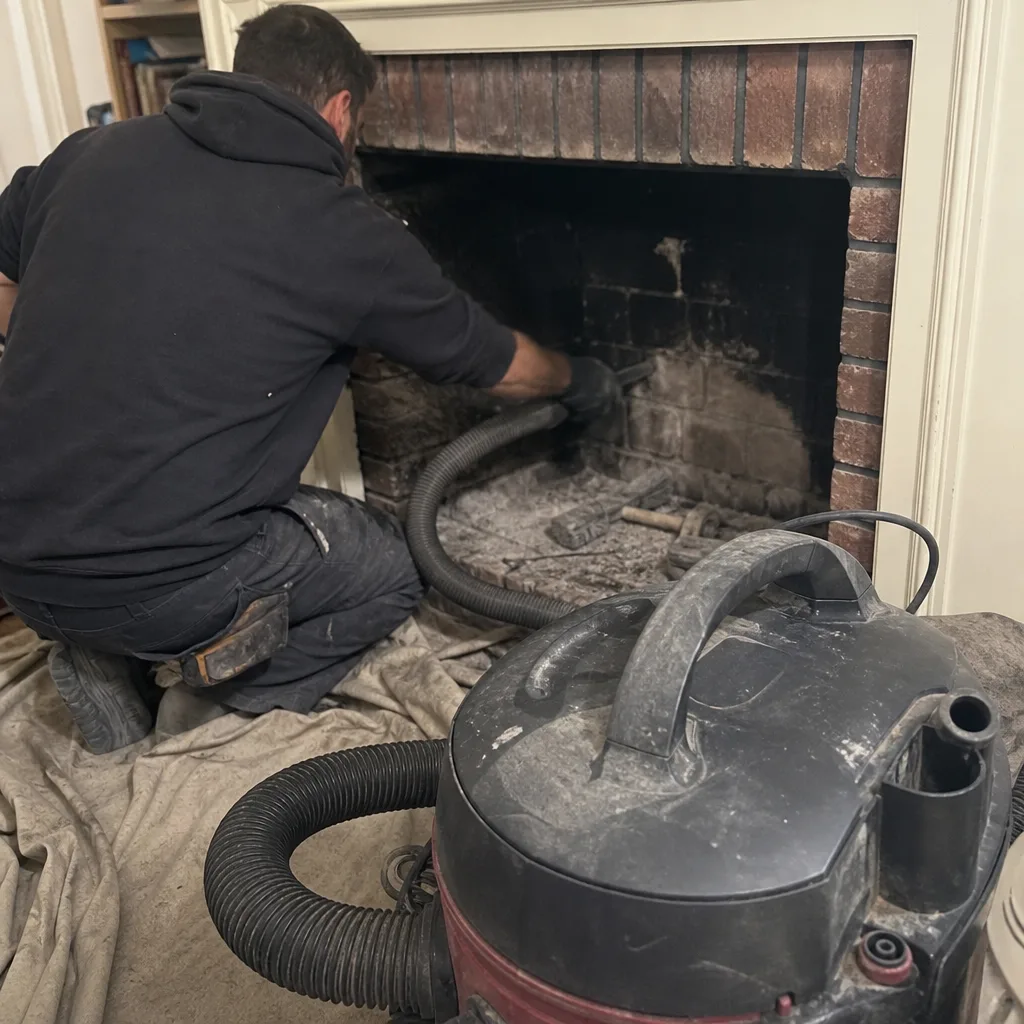 Before
 After
After Before
 After
After