
Last updated October 15, 2026
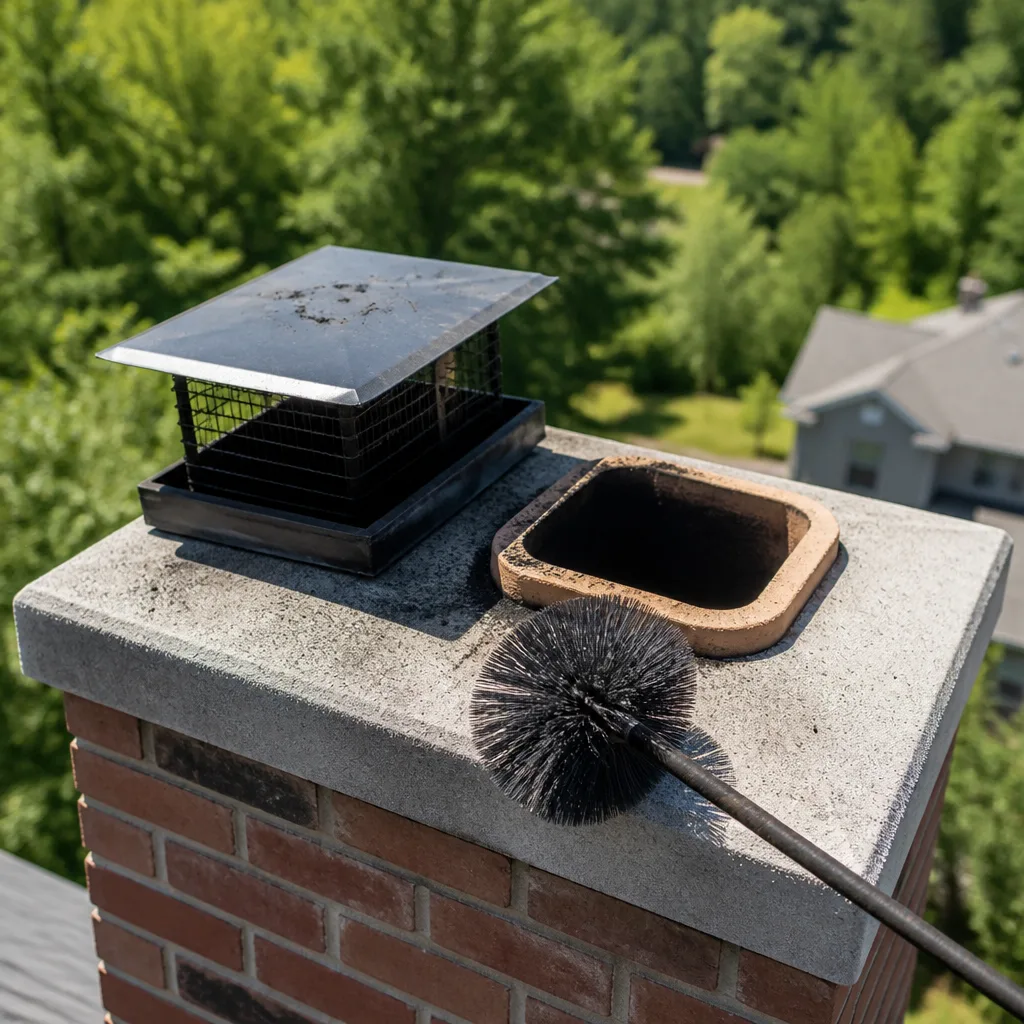 Sweep & inspection
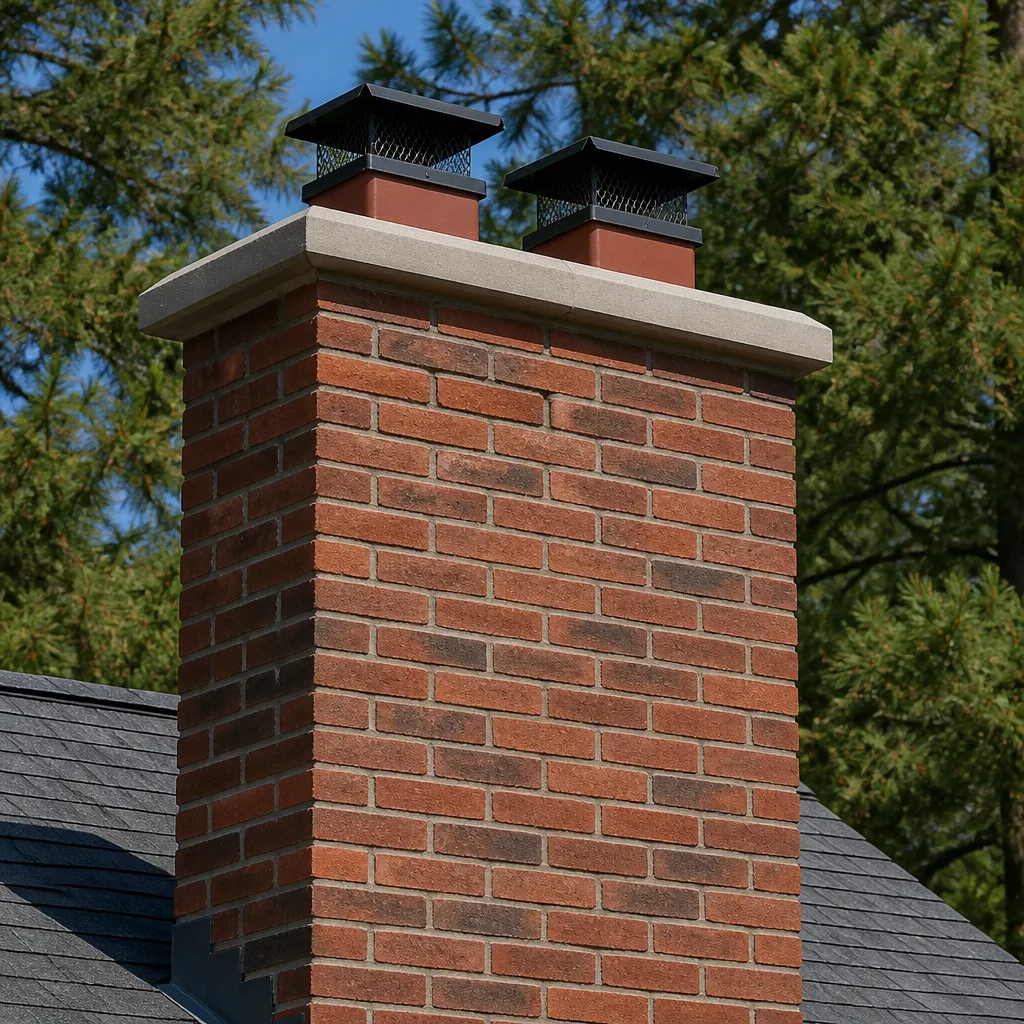 Caps & crowns
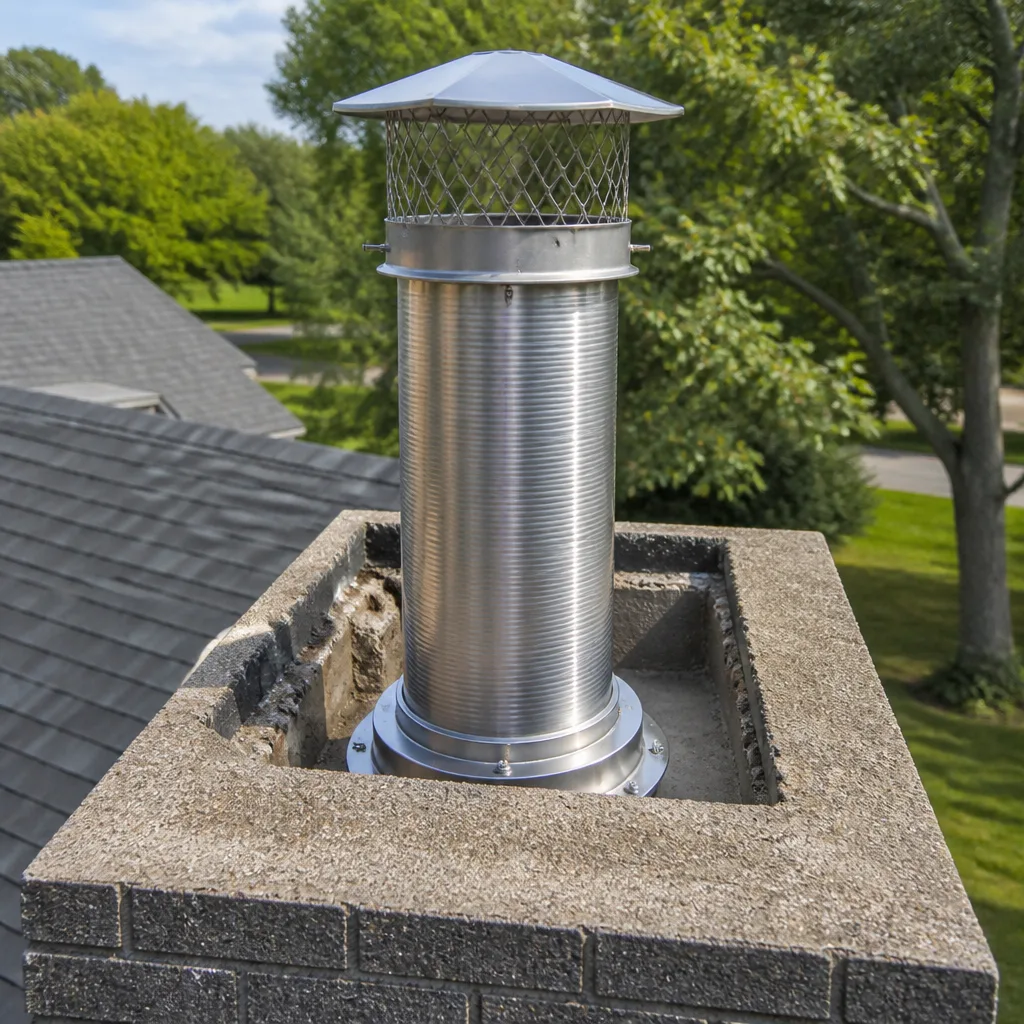 Flue relining
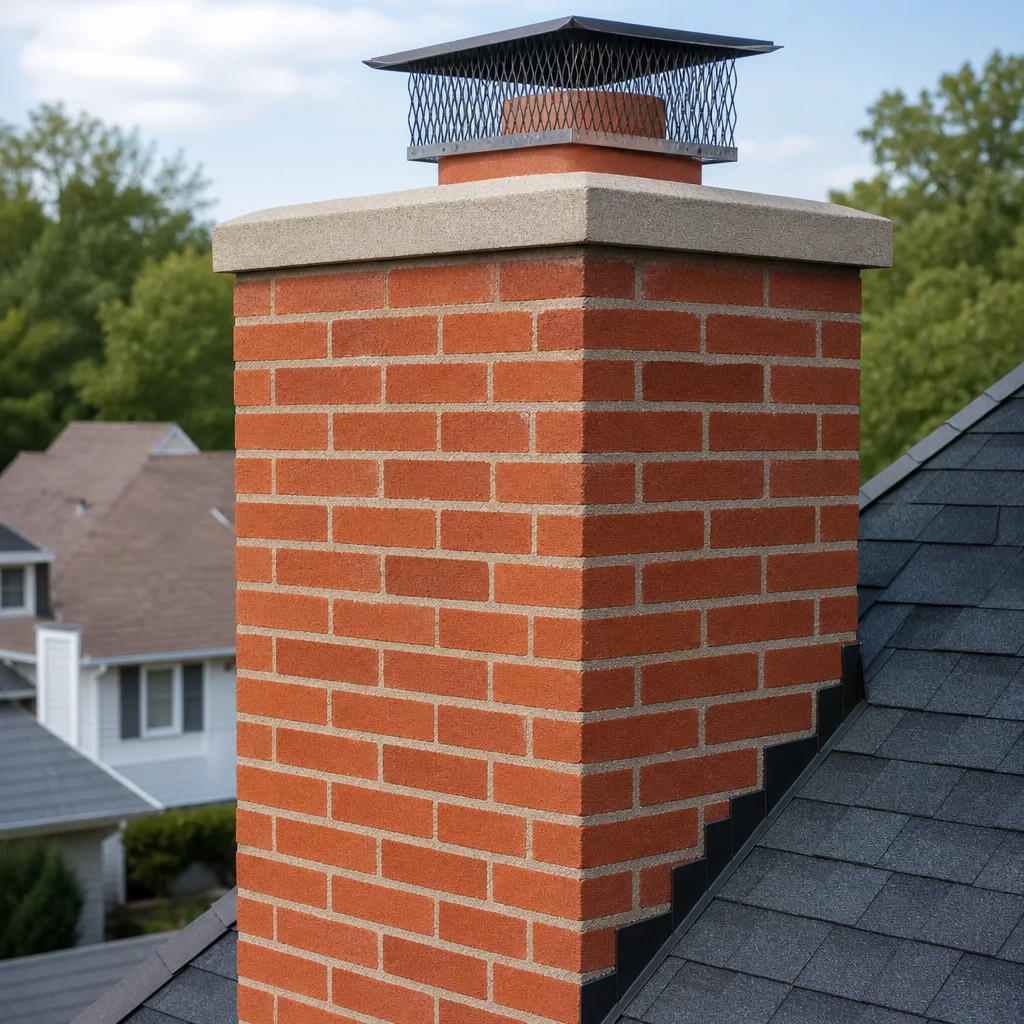 Masonry repair
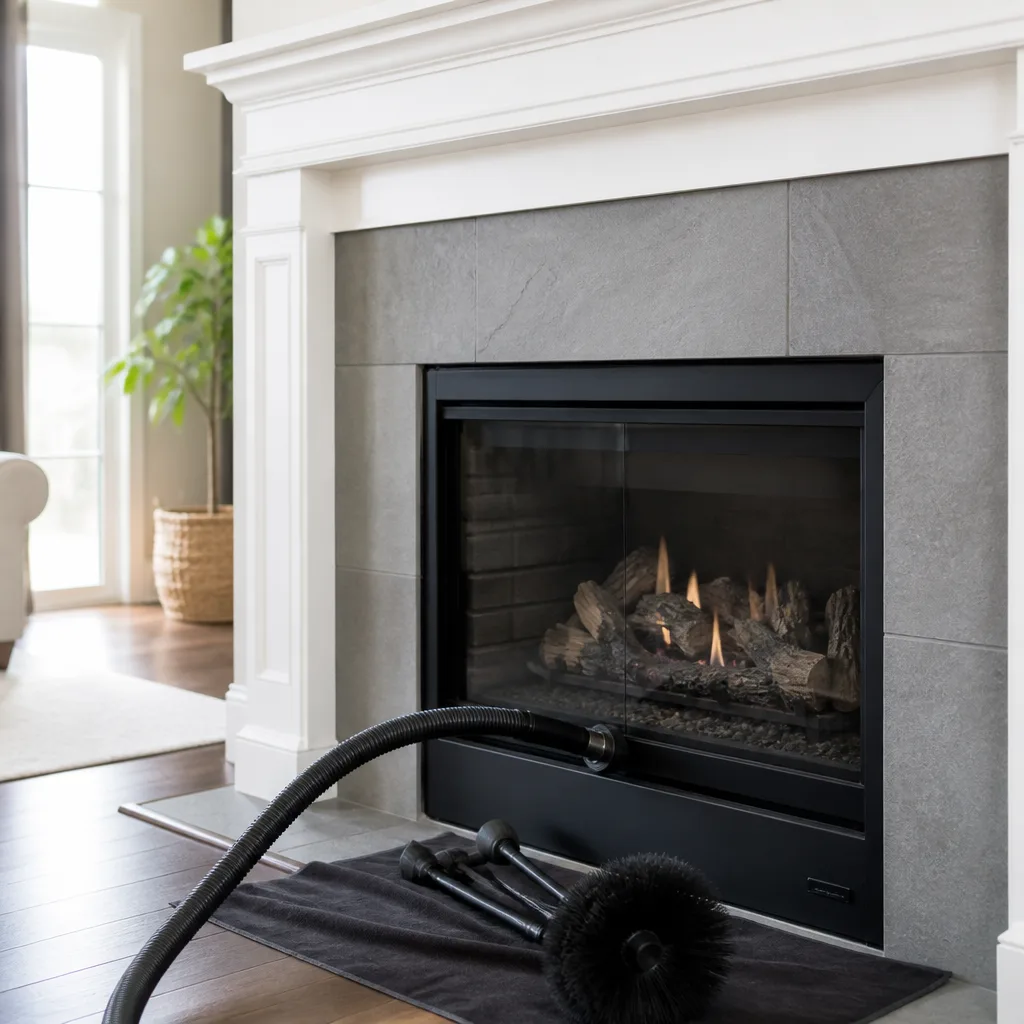 Gas fireplace service
Level 1 sweep and inspection to the NFPA 211 annual standard - flue, crown, cap, and flashing checked and photographed
Chimney sweep logs do not sweep chimneys. They loosen some creosote - which then falls where a brush and vacuum still have to collect it.
How to Hire a Chimney Cleaning Contractor in New York: A Step-by-Step Guide
The New York Attorney General’s office fields hundreds of complaints every year about home-service contractors who bait a homeowner with a low verbal quote, then switch the price once the work is underway. Chimney work is one of the most cited categories, and the reason is simple: you cannot see inside your own flue. When a technician tells you the liner is cracked or the mortar joints are failing, you have no way to verify it without a camera. This guide walks you through the full hiring process, step by step, so you know exactly what to ask for, what to verify, and what to walk away from. Whether you’re in Queens, Staten Island, Westchester, or anywhere else in New York, the rules are the same: get it in writing, check the credentials, and hold the company to its word.
Quick Answer
To hire a chimney cleaning contractor in New York, start by requesting a written price before any work begins, verify the company’s CSIA certification and New York City Home Improvement Contractor (HIC) license using free public databases, and insist on a written guarantee with specific terms and a defined coverage period. A standard chimney sweep in New York typically runs between $180 and $350 depending on flue condition, accessibility, and whether the fireplace has been used heavily. Never accept a verbal quote or a vague arrival window; both are the leading indicators of a company that will switch prices or no-show.
Styles & brands we work with
Table of Contents
- Step 1: Know What a Chimney Cleaning Actually Involves
- Step 2: Verify Credentials Before You Book
- Step 3: Get the Four Documents in Writing Before Work Starts
- Step 4: Spot the Red Flags Specific to New York’s Market
- Step 5: Compare Quotes Without Falling for the Lowball
- Step 6: Read the Guarantee Like a Contract, Not a Slogan
- Step 7: What to Expect on Sweep Day
Step 1: Know What a Chimney Cleaning Actually Involves
A chimney sweep in New York is not a quick vacuum job. A proper cleaning removes creosote, a tar-like byproduct of wood combustion that builds up on the flue walls with every fire you burn. Creosote is flammable. When it accumulates past about an eighth of an inch, the risk of a chimney fire rises sharply. The National Fire Protection Association says you should have your chimney swept when creosote reaches that depth, and inspected at least once a year, whether you burn wood every weekend or only on holidays.
Here is what a legitimate sweep covers:
- Flue brushing with a wire or poly brush matched to the flue’s diameter and material, from the firebox up to the cap, or from the cap down, depending on access.
- Smoke chamber cleaning, the area above the damper where creosote and soot often collect the heaviest.
- Firebox and damper cleaning, including removal of ash and debris buildup around the damper plate.
- Cap and screen inspection for rust, blockages, bird nests, or missing screens that let animals in.
- Visual structural check of the flue liner, mortar joints, crown, and flashing for anything obviously wrong.
We have swept thousands of chimneys in New York since 2002, and the one thing that surprises most homeowners is how much creosote can hide in the smoke chamber even when the firebox looks clean. New York winters are long and cold, which means more fires, which means faster buildup. Homes in neighborhoods like Riverdale, Forest Hills, and Bay Ridge that burn wood three or four nights a week from November through March often need sweeping twice a season. Gas fireplaces produce far less creosote but still warrant an annual inspection; gas logs can soot up, block vents, and hide carbon monoxide problems.
For a more detailed look at what the service includes, see our page on Chimney Sweep in New York.
Step 2: Verify Credentials Before You Book
New York is a dense, competitive market for chimney work, which means two things: there are plenty of excellent certified technicians, and there are plenty of unlicensed operators running ads that make them look legitimate. Before you book anyone, verify three things. This takes less than ten minutes and eliminates most of the bad actors.
- CSIA certification. The Chimney Safety Institute of America sets the industry standard for sweep training and testing. A CSIA-certified chimney sweep has passed a written exam, demonstrated field competence, and agreed to a code of ethics. You can verify certification for free on the CSIA website under “Find a Certified Sweep.” Type in the company name or the technician’s name. If nothing comes up, ask the company directly why they do not hold the credential. Some very good local sweeps choose not to certify, but in New York’s market, you want the verification.
- New York City Home Improvement Contractor (HIC) license. If you live in the five boroughs, any contractor doing chimney repair, relining, or masonry work for more than $200 in labor and materials must hold an HIC license issued by the New York City Department of Consumer and Worker Protection. This license covers chimney cleaning when it is part of a home improvement contract. You can verify an HIC license free through the city’s online license search. Enter the business name or license number and confirm the license is active. Ask the contractor for their license number on the phone; if they hesitate, that is your answer.
- Liability insurance. A chimney tech works on your roof, around your flue, inside your home. If something goes wrong, their insurance covers the damage, not yours. Ask for the company’s insurance carrier name and policy number, then call the carrier or use their online verification portal to confirm the policy is current. Legitimate New York chimney companies provide this without complaint. Anyone who gets defensive or says insurance is “not necessary for a cleaning” should be crossed off your list.
We are independently owned and operated under the Kingswell Guarantee, which means every technician who walks through your door in New York is background-checked and uniformed. You should never have to wonder who is climbing onto your roof.
Step 3: Get the Four Documents in Writing Before Work Starts
This is the step most New York homeowners skip, and it is the step that separates a smooth hire from a dispute. Do not let anyone start work until you have these four documents in hand. Not in a text. Not verbally. In writing, on paper or in an email, before the technician touches a single brick.
- The written price. It should state the total cost of the cleaning, what is included, what is not included, and any conditions that could change the price. If the company says a repair is needed during the visit, the written price for that repair should come before the repair starts, not after. We practice what we call the Kingswell Way at Ashby Chimney New York: we say the price, we put it in writing, and the invoice matches the quote. Every single job.
- The arrival window in writing. “We’ll be there sometime Tuesday” is not a window. A written arrival window is a two-to-three-hour block: “Tuesday between 9:00 a.m. and 12:00 p.m.” If a company will not commit to a written window, they are telling you they do not manage their schedule tightly enough to keep one. That is a no-show waiting to happen.
- The scope of work description. This is a plain-language paragraph describing exactly what the technician will do: clean the flue from firebox to cap, clean the smoke chamber, inspect the damper, check the cap and screen. If the company cannot describe their own service in writing, they do not have a defined service. They have a guy with a brush.
- The guarantee with specific terms. Not “satisfaction guaranteed.” A real guarantee states what is covered, for how long, and what happens if the work fails. Ours is the 365-Day Done Right Promise: if a covered repair fails during the guarantee period, we return and correct it at no charge, and every repair gets a written guarantee automatically. You want the same from whoever you hire in New York.
If a company refuses to provide any of these four, walk away. You have not lost anything except the chance to be the next complaint in the Attorney General’s file. Our page on Fireplace Repair in New York explains in detail how we handle repair guarantees.
Step 4: Spot the Red Flags Specific to New York’s Market
Every market has its own scam patterns, and New York’s density, old housing stock, and seasonal weather create a specific set of them. Here are the ones we hear about most often from homeowners who eventually call us after getting burned.
- Door-knockers after storms. After a heavy winter storm or a summer thunderstorm, unlicensed operators go door to door in New York neighborhoods offering “discounted roof and chimney inspections.” They find damage, pressure for immediate repair, and take a deposit. Then they vanish. Legitimate contractors do not knock on doors after storms. They answer the phone.
- The “free inspection” that always finds $800 of repairs. A free chimney inspection is a sales call in disguise. If a company advertises free inspections, they plan to make their money on repairs they find during that inspection. Some of those repairs are legitimate. Many are not. A paid inspection, like the one we walk through on our Chimney Inspection in New York page, comes with no incentive to fabricate problems. Our inspections include camera documentation, so you see exactly what we see.
- The Manhattan number that dispatches from three states away. Plenty of “New York chimney companies” list a Manhattan phone number but operate out of New Jersey, Pennsylvania, or Connecticut. They hire local subcontractors on a job-by-job basis, which means the guarantee is worthless and the technician may not be licensed in New York at all. Ask the company where their technicians are based. If the answer is vague, that’s a flag.
- Pressure to pay in full upfront. A deposit for materials on a big repair job is normal. Full payment before any work is done is not. No legitimate New York contractor demands 100% upfront for a sweep or a standard repair.
- The quote that expires in 24 hours. This is a manufactured-pressure tactic. A written quote should be good for at least 30 days. If a company tells you the price doubles if you do not sign today, they are not confident in their own pricing.
We have been serving New York since 2002, and the pattern behind almost every bad story is the same: a verbal quote, a vague window, and a final bill that looks nothing like the first number. The fix is equally simple: get it in writing, every time.
Step 5: Compare Quotes Without Falling for the Lowball
One quote comes in at $150. Another at $290. Another at $340. The cheap one is tempting, especially when your chimney has not been cleaned in five years and you are not sure what you are paying for anyway. Here is what the lowball usually means in New York, and the three questions that expose it before you’re locked in.
What a dramatically lower quote usually means:
- The company is not licensed or insured, so their overhead is lower. That savings transfers to the price, and the risk transfers to you.
- The scope is smaller than it should be. A $150 “sweep” might mean the technician brushes the flue but skips the smoke chamber, the cap inspection, and the damper.
- The company does not pay for certification, training, or professional-grade equipment. They show up with a hardware-store brush and a shop vacuum.
- The low quote is a foot in the door. The technician arrives, does a quick visual, and announces you need a $2,400 liner replacement. The sweep was the loss leader; the repair is the game.
Three questions that expose a lowball estimate before you’re locked in:
- “Is the price on this quote the total I will owe if no additional repairs are accepted?” If they hedge, you are looking at a variable price, not a quote.
- “Does this price include the smoke chamber and cap inspection, or just the flue brush?” A partial sweep is not a sweep. If they say the smoke chamber is extra, walk.
- “Who performs the work, and is that person CSIA-certified and covered by your liability insurance?” If the company name is different from the name of the person on your invoice, you are dealing with a subcontractor arrangement, and your guarantee is only as good as the subcontractor’s willingness to come back.
In New York, a fair price for a standard chimney cleaning ranges from $180 to $350. Above $400 starts to require explanation: unusual flue height, heavy creosote glaze, animal removal, or a difficult roof pitch. A company should be able to tell you exactly why the price is what it is, in plain language, without flinching.
Step 6: Read the Guarantee Like a Contract, Not a Slogan
Most chimney companies in New York say they guarantee their work. Very few put that guarantee in writing with specific terms. The difference matters when something goes wrong. Here is what a meaningful guarantee contains, and what “satisfaction guaranteed” trick language hides.
A legitimate written guarantee includes:
- The covered work, specifically. “All repair work performed on the flue liner and mortar joints,” not “any problems you have.”
- The coverage period. A specific timeframe: 90 days, one year, three years. Our Kingswell Guarantee covers every repair we make with a written guarantee, and we do not sell it as an add-on. It comes standard.
- What happens if it fails. The company returns, diagnoses the failure, and corrects it. For us, that is the free second visit inside the guarantee period, no arguments, no prorated nonsense.
- What voids the guarantee. Legitimate guarantees specify this: damage from chimney fires, unauthorized modifications, failure to perform recommended maintenance. Read this section. It tells you how confident the company really is.
Vague language that means nothing when you need to hold someone accountable:
- “We stand behind our work” without a stated period or process.
- “Your satisfaction is our priority” is not a contractual obligation.
- “We’ll make it right” is a promise with no trigger, no remedy, and no deadline.
When we repair a chimney in New York, we use materials from established chimney-trade brands like DuraFlex and HeatShield, because those manufacturers publish stress-test data and installation tolerances we can stand behind. If a repair fails, we already know what the material was rated to handle, which makes the diagnosis and correction faster and fairer. The guarantee is not a marketing line. It is the company’s willingness to put its own money behind its workmanship.
Step 7: What to Expect on Sweep Day
You have booked the company, verified the credentials, received the four documents, and scheduled the job. Here is what a professional sweep day looks like, so you know what normal is and what is not.
- The technician arrives on time. Inside the written window. If a delay happens due to weather or traffic, someone from the company calls and tells you. You do not sit around wondering. Our phones at Ashby Chimney New York are answered by a live person 24 hours a day, 7 days a week, so if a schedule change happens, you hear about it from a human, not a voicemail loop.
- The technician is identifiable. A uniform, a company vehicle, and an introduction by name. You should know exactly who is entering your home.
- They protect your floors. Drop cloths or runners from the entry door to the fireplace. Your home should be left at least as clean as they found it. The Kingswell Way says leave it cleaner.
- They explain what they found. After the sweep, you should get a plain-language summary: how much creosote came out, the condition of the flue liner, the state of the cap and crown, and any recommended follow-up. No jargon, no pressure.
- They provide written documentation. A written record of the visit, any photographs or camera footage from an inspection, and a written quote for any recommended repairs, valid for a reasonable period.
If any of these five things is missing, the company cut a corner. A chimney sweep is a service you should feel good about when it ends, not one that leaves you wondering what you actually paid for. For context on how an inspection differs from a sweep, see our Chimney Inspection in New York guide.
What Does a Chimney Cleaning Cost in New York?
Most chimney cleanings in New York run between $180 and $350. Where you land in that range depends on a few factors that are easy to check.
| Service | Typical New York Price Range | Notes |
|---|---|---|
| Standard chimney sweep | $180 – $350 | Depends on flue length, creosote load, and roof access. |
| Sweep plus Level 1 inspection | $250 – $450 | Inspection confirms condition of accessible interior and exterior. |
| Level 2 inspection with camera | $350 – $600 | Used for real estate transactions or after a chimney fire. |
| Animal removal | $150 – $500 | Varies by species and access. Often quoted after a visual. |
| Flue liner repair (HeatShield resurfacing) | $2,000 – $4,500 | Pricing depends on flue height and damage severity. |
| Full stainless liner replacement | $3,500 – $7,500 | Includes removal and installation. Never quoted without camera inspection. |
These are honest market ranges for New York as of 2026. If a quote falls below or above these numbers, ask why. A legitimate company will explain the variance in plain language. Our page on Ashby Chimney New York home offers more on how we price our work.
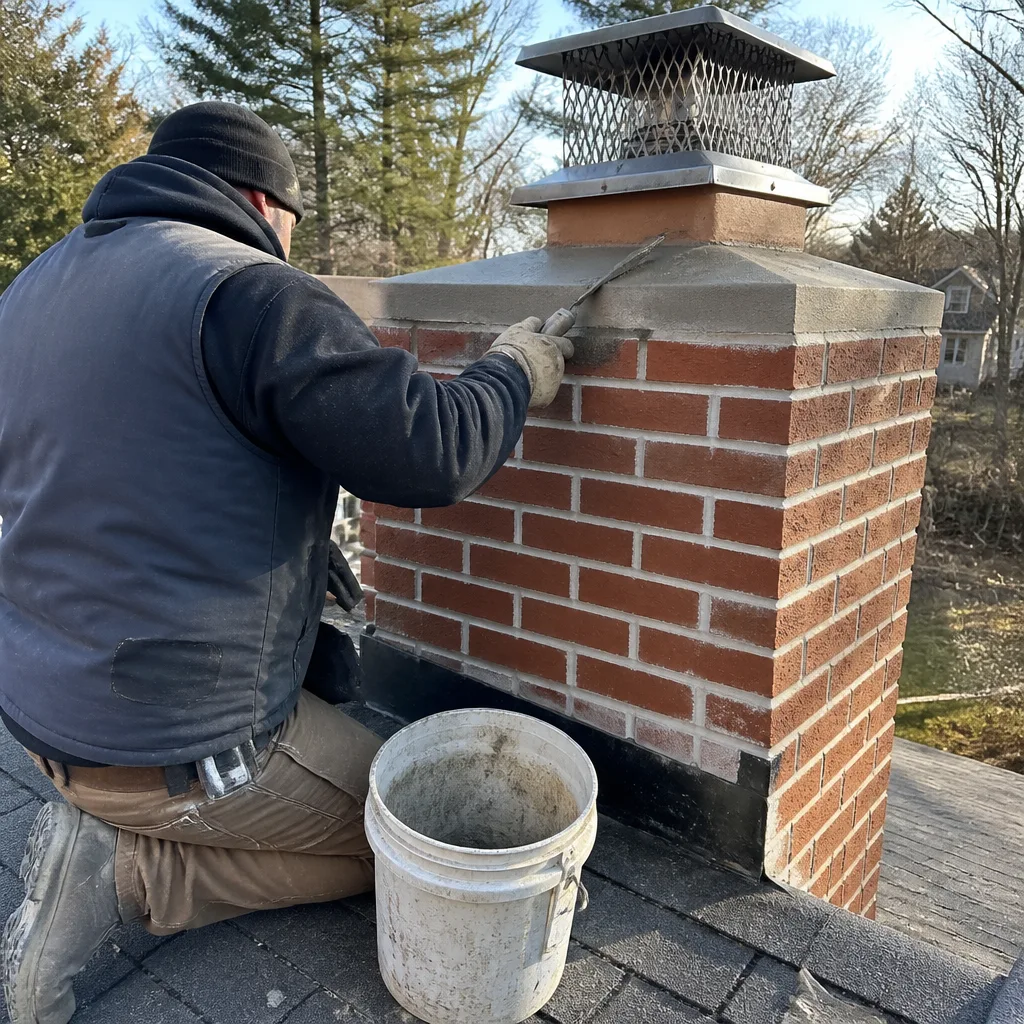
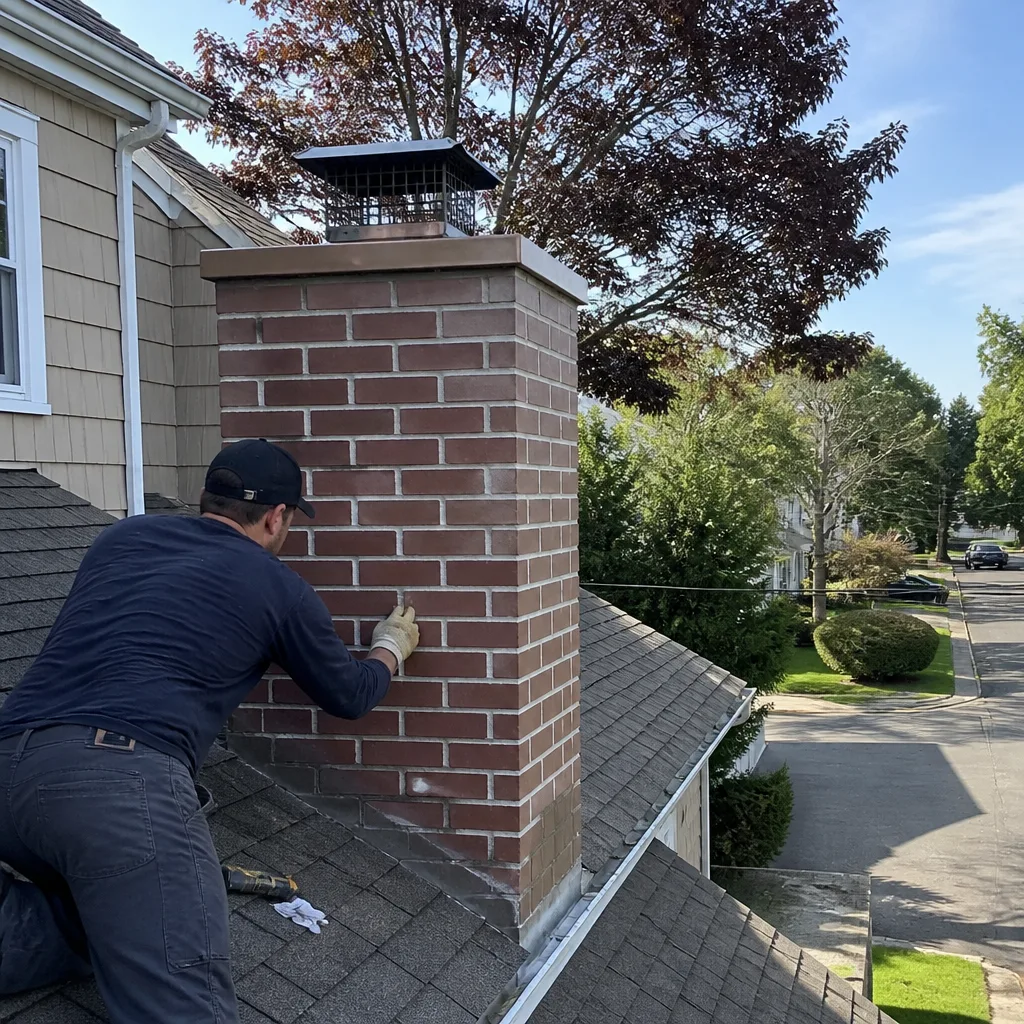
See the difference
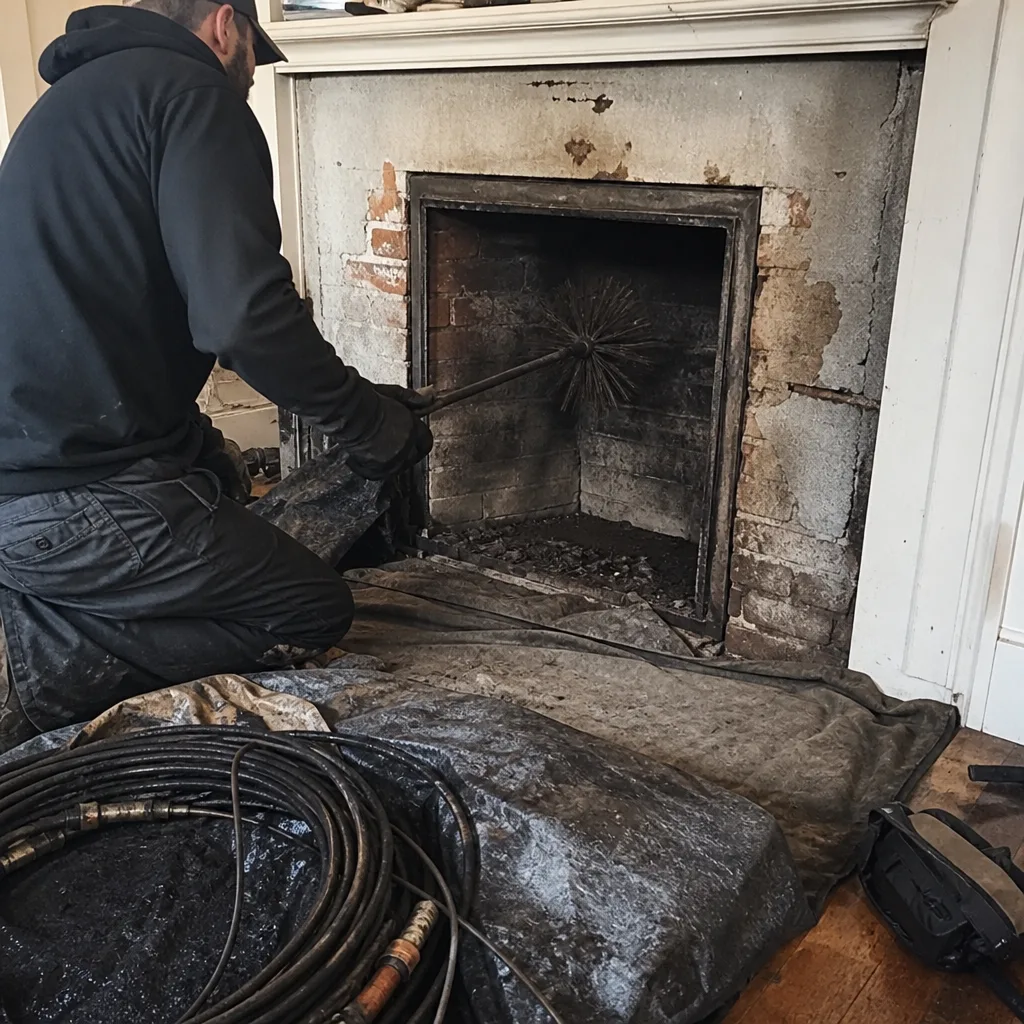 Before
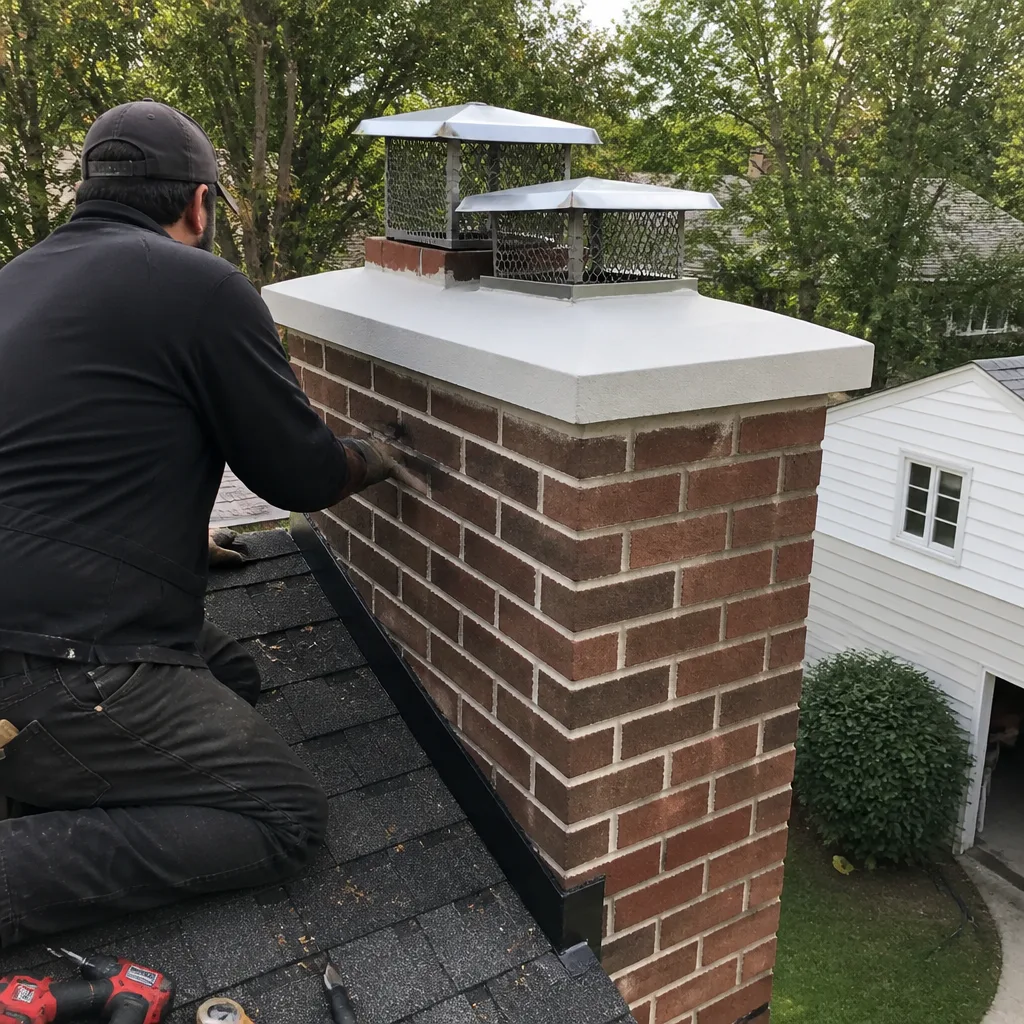 After
After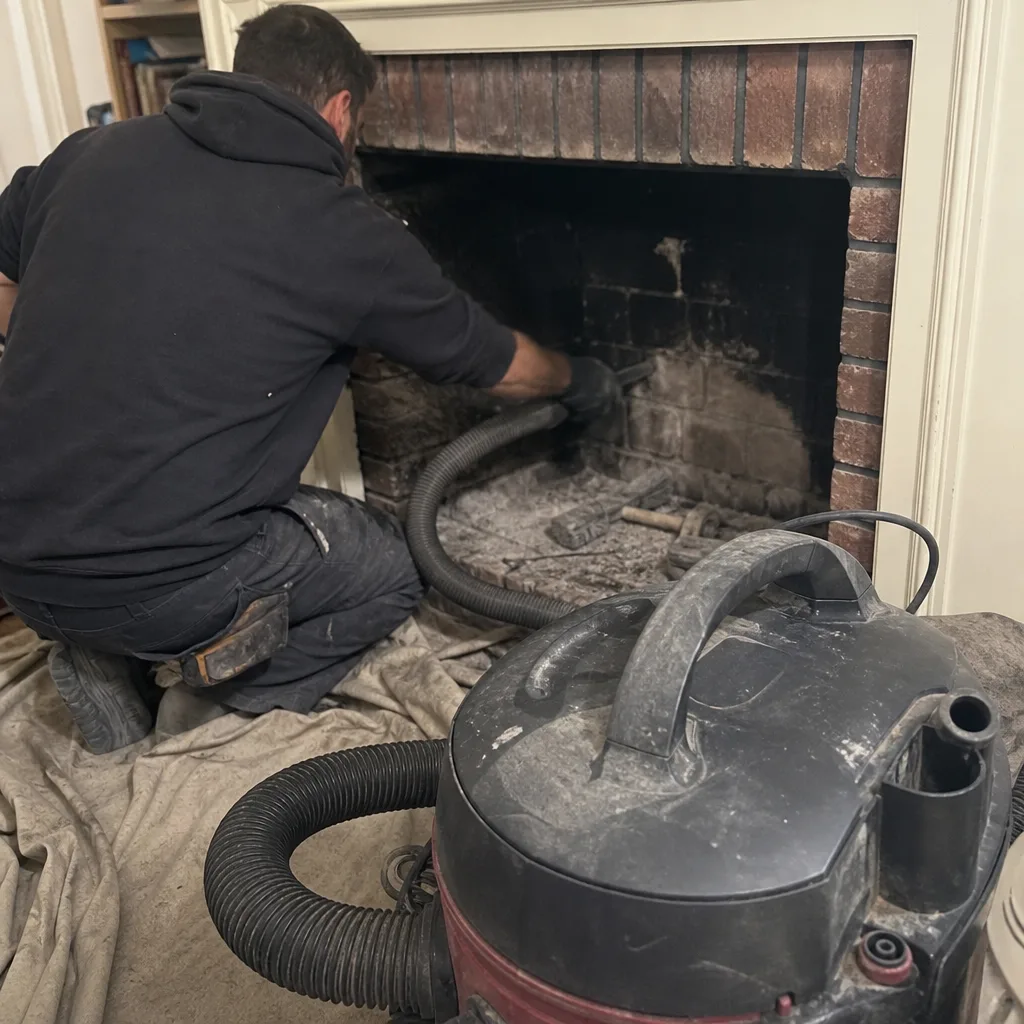 Before
 After
After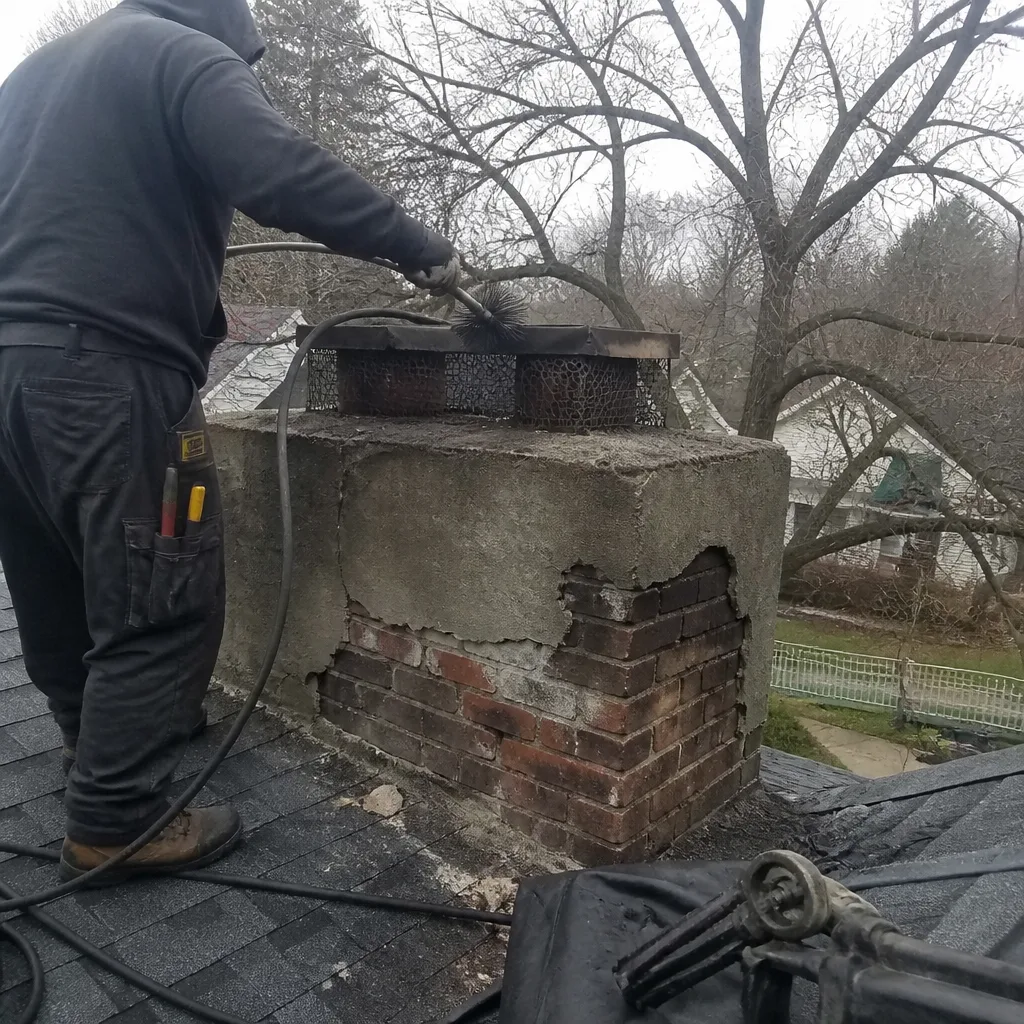 Before
 After
AfterCommon Mistakes to Avoid
- Accepting a verbal quote. In New York’s market, a verbal quote is not a quote. It is an opening bid. Without it on paper, you have no record of what was said when the invoice arrives.
- Skipping the credential check. Ten minutes on the CSIA and NYC HIC license databases saves you from hiring a company with no certification, no insurance, and no accountability.
- Booking the cheapest quote. The lowball contractor is low for a reason. Usually that reason is missing training, missing insurance, or a scope of work that silently excludes half the job.
- Ignoring the guarantee section. “Satisfaction guaranteed” is a slogan, not a contract. You want specific terms, a defined period, and a stated remedy.
- Hiring after a storm without checking. Door-knockers who appear after severe weather are counting on your anxiety. Legitimate New York contractors do not need to knock.
- Paying full price upfront. A deposit for materials is standard on larger repair jobs. Full prepayment for a sweep is a red flag.
- Not asking who actually does the work. If a Manhattan number dispatches a subcontractor from out of state, your written guarantee may be worth exactly nothing.
When to Call a Professional
Call a professional chimney company when you notice any of these: smoke backing up into the room during fires, a strong burnt smell that lingers between fires, visible soot falling into the firebox, animal noises in the flue, or water stains on the ceiling near the chimney. Any of these suggests the flue is not venting properly or the structure is compromised. If you have not had an inspection in over a year and you burn wood regularly, schedule one now. New York winters are too long to gamble on a chimney you cannot see into. Ashby Chimney Sweep in New York offers free estimates; call (315) 644-2982 and speak with a live person, any hour, any day.
Frequently Asked Questions
A standard chimney sweep in New York typically costs between $180 and $350, depending on the length of the flue, how much creosote has built up, and whether roof access is straightforward. Homes with heavy wood use, long flues, or difficult roof pitches trend toward the upper end. Call (315) 644-2982 for a written quote specific to your home, no obligation.
The National Fire Protection Association recommends inspection at least once a year, with sweeping whenever creosote reaches one-eighth of an inch. In practice, New York homeowners who burn wood three or more nights per week from November through March should plan on at least one sweep per season, and often two. Gas fireplace users still need an annual inspection to check for venting issues and carbon monoxide risk.
For work inside New York City, you can verify an HIC license through the NYC Department of Consumer and Worker Protection’s free online license search. Enter the company name and confirm the license is active. You can also verify CSIA certification through the Chimney Safety Institute of America’s online directory. Both checks take under ten minutes total.
A complete chimney cleaning includes brushing the flue from firebox to cap, cleaning the smoke chamber, cleaning the firebox and damper, inspecting the cap and screen, and doing a visual check of the liner, mortar joints, crown, and flashing. If a company quotes a price for “just the flue,” you are not getting a full sweep.
Not necessarily. A reputable company will show you camera footage of the damage before recommending a liner repair or replacement, and will provide a written quote with the specific problem identified. If a technician recommends a multi-thousand-dollar repair after a visual-only inspection, get a second opinion. Ashby Chimney New York includes camera documentation with every inspection, so you see exactly what we see. Call (315) 644-2982 to schedule.
Creosote accumulates, hardens into glaze, and narrows the flue opening. That glaze is highly flammable and can ignite a chimney fire that cracks your liner, spreads to the roof structure, and threatens the house. Skipping inspections also allows minor issues, like a corroded cap or a cracked crown, to grow into expensive repairs. The cost of a sweep is a fraction of the cost of a liner replacement or fire restoration.
The Bottom Line
The biggest mistake New York homeowners make when hiring a chimney cleaning contractor is not skipping the credential check. It’s accepting a verbal quote and a vague arrival window, which is exactly how price-switching and no-shows happen. The fix is procedural: get a written price, a written window, a written scope of work, and a written guarantee with specific terms. Verify the CSIA certification and HIC license. Compare quotes with the three questions that expose lowball estimates. Then book, and hold the company to everything it put on paper. Ashby Chimney New York has done it this way since 2002, and the Kingswell Guarantee is our way of putting that process in writing.
Written by Nathan Corliss, Owner at Ashby Chimney New York, serving New York since 2002.