
Last updated October 15, 2026
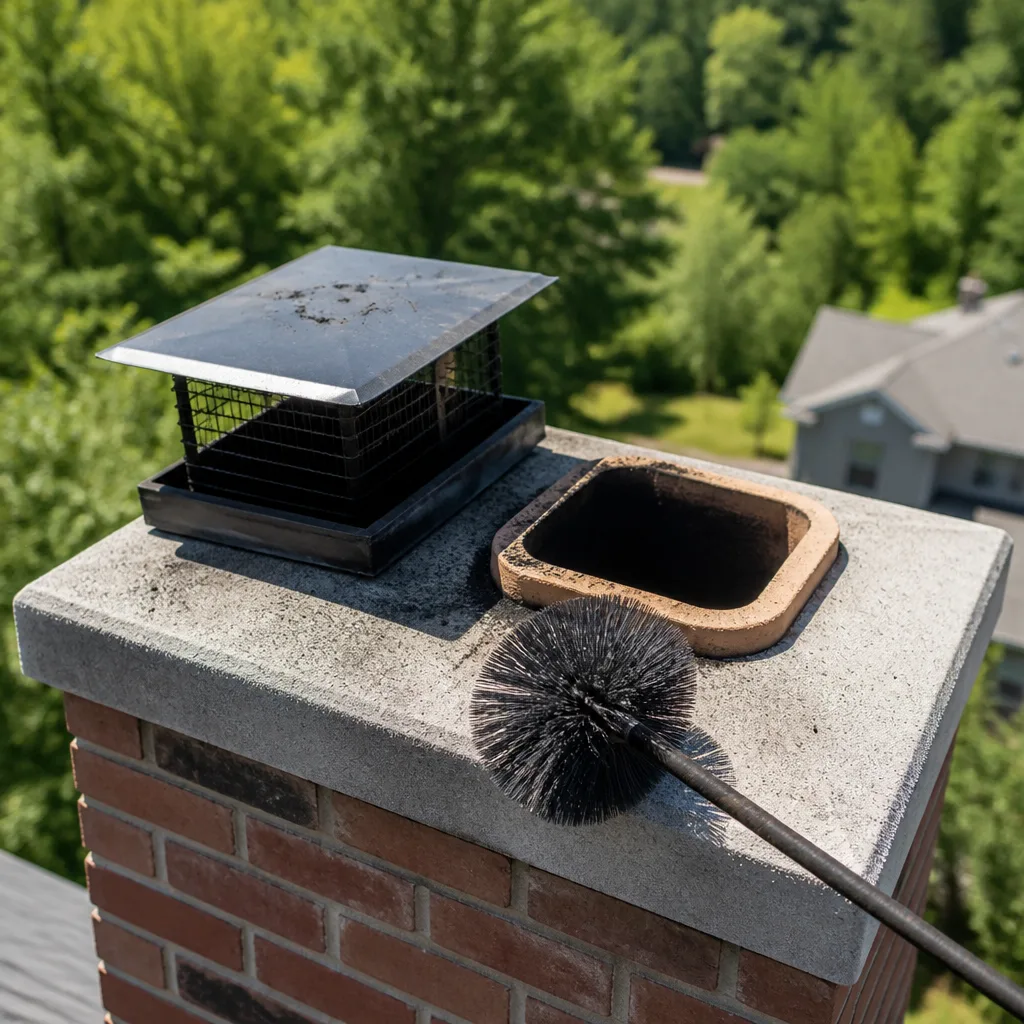 Sweep & inspection
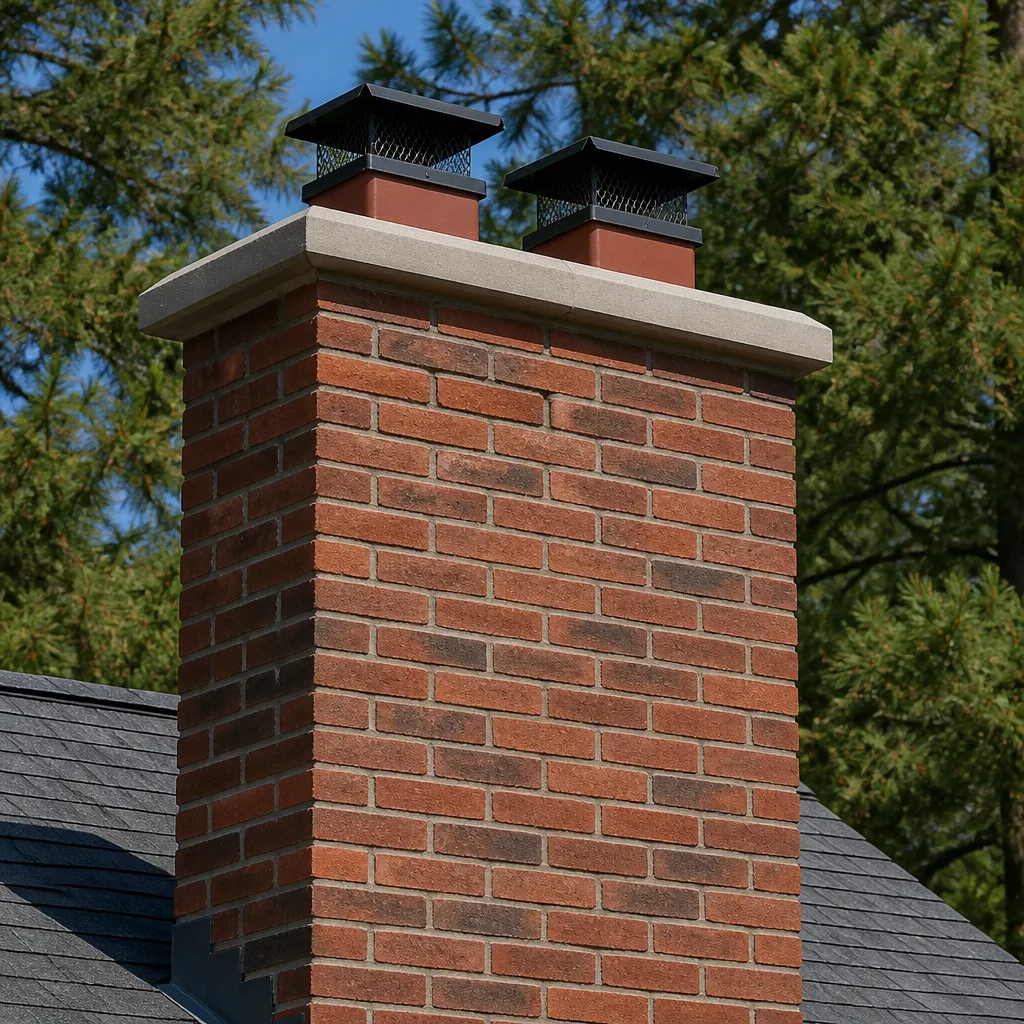 Caps & crowns
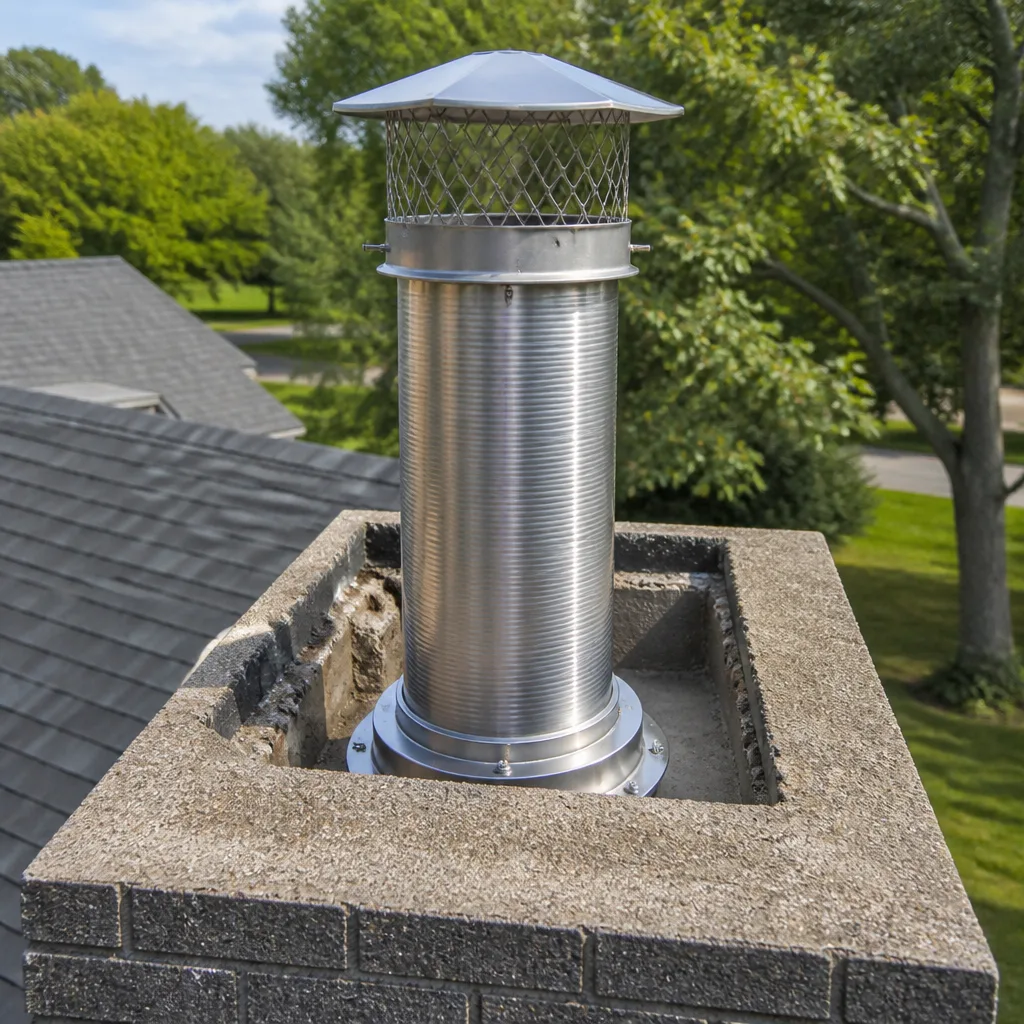 Flue relining
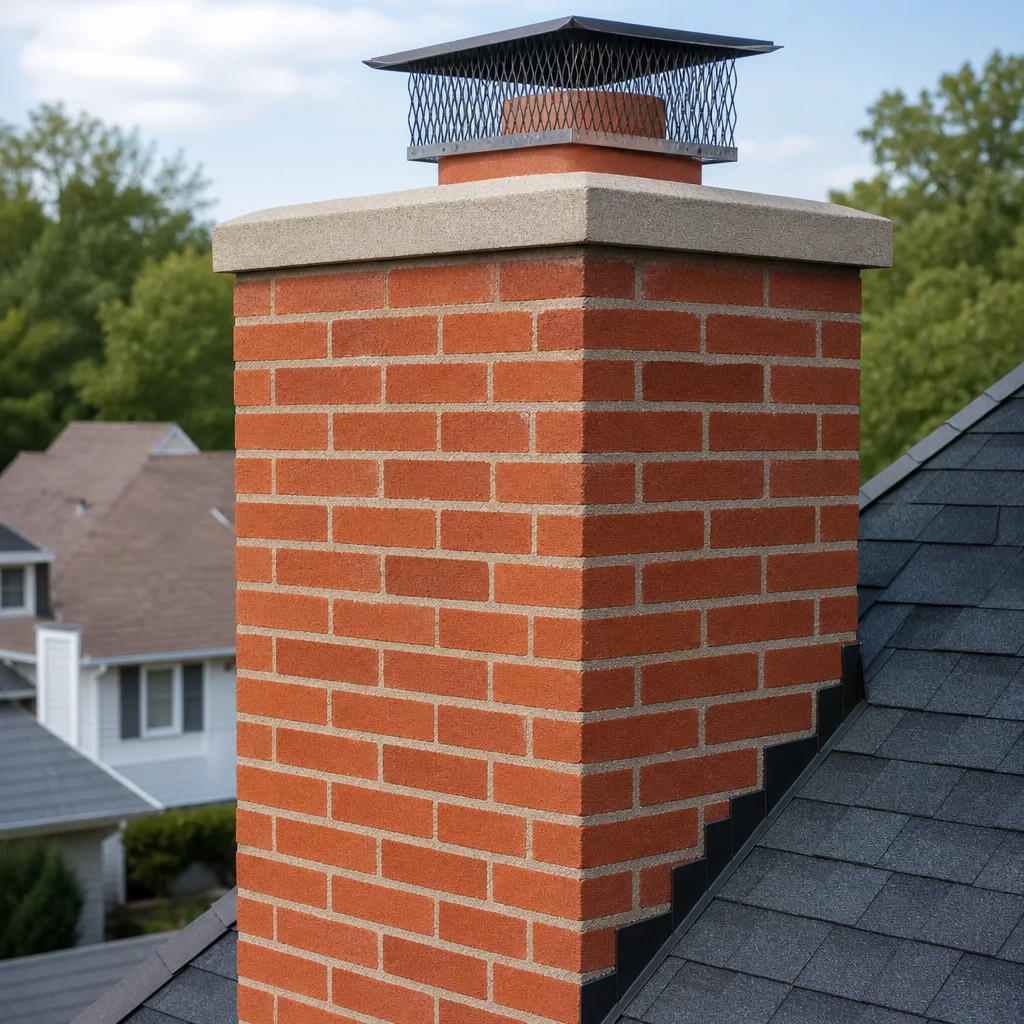 Masonry repair
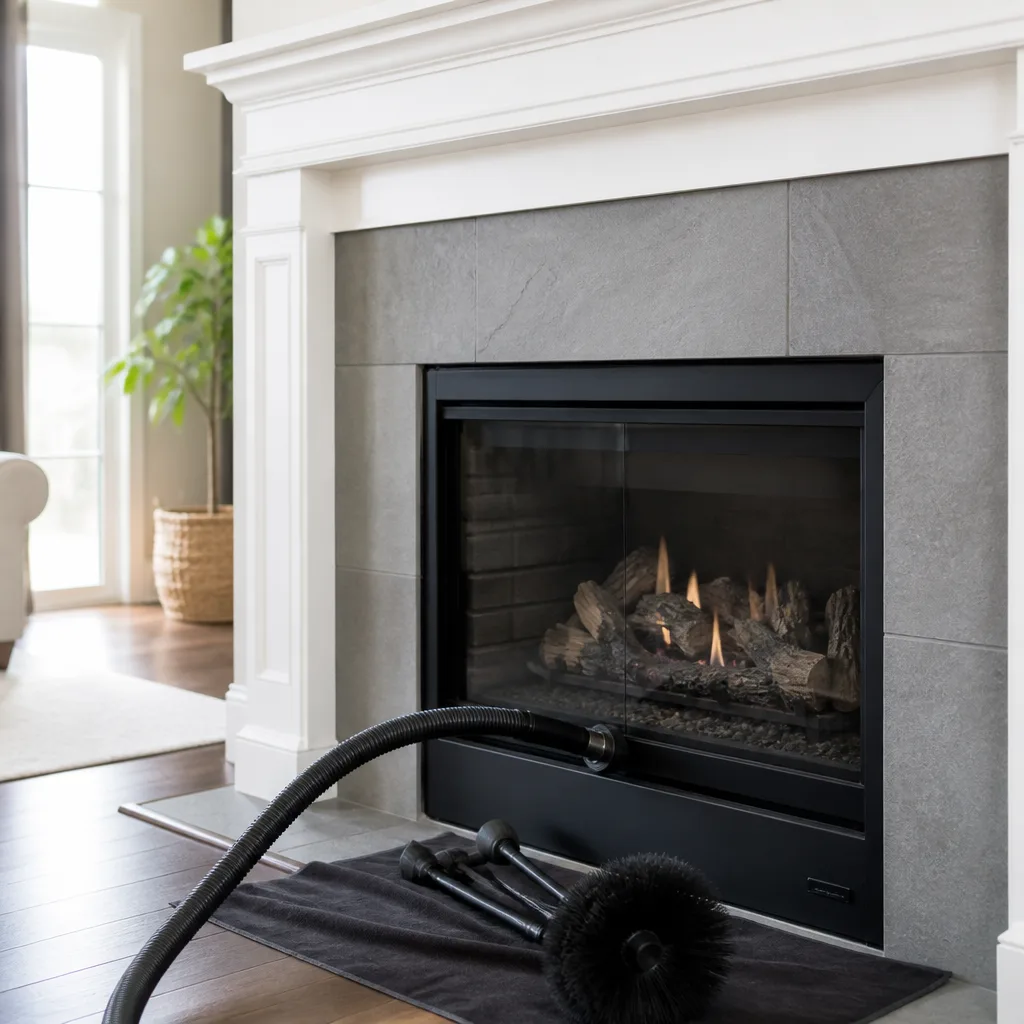 Gas fireplace service
Level 1 sweep and inspection to the NFPA 211 annual standard - flue, crown, cap, and flashing checked and photographed
Chimney sweep logs do not sweep chimneys. They loosen some creosote - which then falls where a brush and vacuum still have to collect it.
Chimney Sweep Maintenance Checklist for New York Homeowners
Chimney companies love sending annual blanket reminders, but the truth is a gas fireplace used twice a week in a Murray Hill co-op needs different attention than a wood-burning hearth in a weekend home in Westchester, and one checklist rarely fits both. What matters more than the calendar is what you look for between sweeps, what you keep records of, and where you draw the line between a careful homeowner’s own eyes and a camera pushed up a flue. This guide breaks New York chimney maintenance into two honest columns: what you can responsibly check yourself, and what needs Chimney Sweep services with a brush and a scope. You’ll also get a record-keeping template and a straight answer on how often each type of system realistically needs service.
Styles & brands we work with
Quick Answer
A New York chimney maintenance checklist has two parts: monthly visual checks you can do from the hearth and around the roofline, and an annual or semi-annual professional sweep and inspection based on your fuel type, as detailed in The Complete Guide to Chimney Cleaning in New York. Wood-burning fireplaces used regularly need a sweep every 40 to 60 fires; gas log sets need an inspection every 12 to 24 months; oil-heat flues need annual attention because oil soot is acidic. The homeowner’s job is to watch for water stains, mortar dust, damp odors, and damper changes, then call for a camera inspection at (315) 644-2982 when any of those appear.
Table of Contents
- The DIY vs. Professional Chimney Checklist
- New York-Specific Triggers Beyond the Calendar
- Fuel Type Differences: Wood, Gas Logs, and Oil
- The Record-Keeping Template Every Homeowner Should Keep
- How to Tell if Last Year’s Sweep Actually Cleaned the Flue
- What Chimney Maintenance Costs in New York
- Common Mistakes to Avoid
- When to Call a Professional
- Frequently Asked Questions
- The Bottom Line
The DIY vs. Professional Chimney Checklist
Most New York homeowners don’t need a chimney professional every time the seasons change. What they need is to know exactly what their own eyes can reliably catch, and what only a camera or a brush can reach. Here’s the line drawn plainly.
What you can check yourself, every month during heating season:
- Damper operation. Open and close it fully. If the lever sticks, grinds, or won’t seat completely, note it. A damper that won’t close lets conditioned air escape up the flue year-round.
- Visible mortar cracks in the firebox. Shine a flashlight around the firebrick and the joints. Surface cracks under a quarter-inch wide are normally cosmetic. Wider gaps, loose bricks, or crumbling mortar between the firebox panels are worth a photo and a phone call.
- Smoke shelf debris. Put your head in the fireplace (when it’s cold and the damper is open) and look up. If you see flakes of creosote, fallen mortar chips, or nesting material sitting on the smoke shelf, that’s a professional-level problem. Debris there blocks airflow and becomes kindling for a chimney fire.
- Water stains on the ceiling near the flue. Brown rings, peeling paint, or damp drywall around the chimney chase in your attic or top floor mean water is getting past the flashing or crown. That is not a sweep issue, but it is an urgent repair issue, because water plus creosote makes a corrosive acid that eats mortar from the inside.
- Odd smells after rain. A wet-campfire smell in the room after heavy rain usually means the flue is holding moisture. It can be a cracked crown, a missing rain cap, or a porous masonry surface. Note when it appears and whether it fades in dry weather.
What needs a professional, no exceptions:
- Flue liner condition. The flue liner, the clay or steel tube that vents combustion gases out of your home, cannot be properly evaluated from the hearth. It takes a camera. Clay liners crack and spall. Steel liners corrode at the seams. Both conditions are invisible from outside until they leak gases into the house or heat into the framing.
- Creosote thickness and stage. Creosote comes in three stages: dusty soot, crumbly flakes, and hardened glaze. Stage three is fuel for a chimney fire and requires mechanical removal. No homeowner can gauge thickness accurately without scraping and measuring, and guessing wrong is how houses burn.
- Chase cover and cap integrity. On a prefabricated chimney, the metal chase top and rain cap are on the roof. Inspecting them from the ground tells you almost nothing. A rusted chase cover leaks for years before the damage becomes visible on the ceiling below.
- Flue draft and carbon monoxide performance. Professional draft testing measures whether combustion gases are actually moving upward under all conditions: cold start, windy day, exhaust fans running. This is a safety test, not a visual one.
We have walked into New York homes where the homeowner had been dutifully checking the damper and firebrick for years and never knew the flue liner had collapsed halfway up. That is not a criticism of the homeowner. It is just the truth of what a fireplace will and won’t show you from the hearth.
New York-Specific Triggers Beyond the Calendar
In New York, chimney maintenance is not only a calendar event. Three local situations should push you to have the flue inspected even if a year hasn’t passed since the last sweep.
After a Con Ed outage or extended power loss
When New York neighborhoods lose power in a winter storm and homes run generators or switch to fireplace heat, several things happen that stress chimney systems. A wood-burning fireplace that has been dormant for years gets pressed into service hard, which can crack a clay liner through thermal shock. Portable generators placed too close to a fresh-air intake or a basement flue can pull carbon monoxide into the house through backdrafting. If you burned more than three or four fires during a sustained outage, or if you used a generator near any vent opening, a draft test and carbon monoxide check are prudent before you use the fireplace again.
After a neighbor’s chimney fire
Chimney fires in attached New York homes, whether a Brooklyn brownstone or a Queens rowhouse, do not always stay in the chimney they started in. A hot flue can radiate enough heat to crack the mortar joints in an adjacent shared masonry wall. If a neighbor two doors down had a chimney fire, at minimum check your flue for new cracks or fallen debris. If you can see soot on your smoke shelf that was not there before, or if your damper feels looser, have a camera inspection done. The cost is far less than chasing a slow leak through a party wall.
After roof or parapet work on a shared building wall
New York’s attached housing stock means a roofer working on one building often steps on, ties off to, or runs materials across a neighboring chimney. Re-pointing, parapet rebuilding, and roof membrane replacement all produce vibration, falling debris, and traffic across chimney crowns and caps. If your building shared a roofline with construction, check for shifted flashing, cracked crown mortar, or a missing rain cap. Most roofers are careful, but a chimney is not their scope of work, and damage is often only found when water shows up on the third floor ceiling.
These are the maintenance triggers New York homeowners actually live by, not the generic “every fall” reminder that ignores how the city’s attached housing and local utilities shape chimney use.
Fuel Type Differences: Wood, Gas Logs, and Oil
A flue is not a flue. The fuel you burn determines what deposits collect, how quickly they collect, and what failure looks like. New York homes run all three major fuel types, sometimes in the same building.
Wood-burning fireplaces
Wood produces creosote, a sticky, flammable tar that condenses on the cooler upper walls of the flue. How fast it builds depends on wood moisture, how hot you burn, and how often you use the fireplace. The National Fire Protection Association says any visible creosote deposit thicker than one-eighth of an inch needs removal. In practice, most regularly used wood fireplaces in New York need a sweep every 40 to 60 fires, which for a family that burns three fires a week from November through March works out to once a year. For a weekend home in the Hudson Valley that only sees fires between Thanksgiving and New Year’s, every two to three years is more realistic.
Gas log sets
Gas logs do not produce creosote. What they produce is carbon soot that can build up on the logs, the damper, and the flue walls if the set is not adjusted correctly. More significantly, a gas log set burns with a much lower flue gas temperature than wood, which means condensation is more likely, which means the flue is more likely to stay damp. Damp flues deteriorate. Gas log systems should have the gas line, the valve, and the log placement checked every 12 to 24 months, and the flue inspected on the same visit. Do not assume a gas fireplace needs nothing just because there’s no ash to clean.
Oil-heat flues
Oil burners produce acidic soot and water vapor together. The acid eats mortar. The water keeps the flue wet. Oil flues should be cleaned and inspected annually, not as a nice-to-have but because an oil flue that is not maintained becomes porous and leaks combustion gases into the house. If you recently converted from oil to gas, the old oil flue often needs a liner regardless of its apparent condition, because the existing liner surface is already compromised from years of acid exposure.
Matching service frequency to your fuel type prevents the two most common New York mistakes: overpaying for a sweep on a gas-only flue that barely needs it, and underpaying attention to an oil flue that quietly corrodes itself every winter.
The Record-Keeping Template Every Homeowner Should Keep
New York co-op boards ask for maintenance records before they approve fireplace work. Insurance companies want evidence of regular maintenance when a chimney fire claim comes in. Home inspectors flag missing chimney service history when you sell. Keeping a simple one-page log per chimney solves all three.
Here is a template you can copy into a notebook or a document:
- Date of service. Include the company name and the technician’s name if you have it.
- Type of service. Sweep only, inspection only, or sweep plus inspection. Specify whether a camera scope was used.
- Fuel type and usage since last service. Write down approximate fire count or burner run hours. This tells the next technician more than the calendar ever will.
- Findings. Any cracks, water intrusion, creosote stage, liner condition notes, or damper issues. Ask the technician to write these down on the invoice, not just tell you verbally.
- Work performed. What was removed, what was repaired, what materials were used. If a liner was installed, note the brand. Ashby Chimney New York installs liners from DuraFlex and Olympia Chimney, and that information belongs in your file because it tells the next technician exactly what is in the flue.
- Recommendations and timeline. What did the technician say to watch, and when should the next visit happen?
- Guarantee terms. If a repair was done, write down what is covered and for how long. Ashby provides a written guarantee with every repair. Keep that paper with the log.
A homeowner who can produce a clean service history at a co-op board interview or a closing table has a quieter negotiation. A homeowner who cannot is arguing from memory, and memory does not satisfy a board or an underwriter.
How to Tell if Last Year’s Sweep Actually Cleaned the Flue
Some homeowners overpay for what they never received. Telling the difference between a real chimney sweep and an inspection that was called a sweep comes down to three things.
Ask what came out of the flue
A real sweep produces debris, and the technician should tell you how much and what kind. A sweep of a wood-burning flue that has been actively used should remove measurable creosote, often a coffee can to a gallon depending on burn volume. If the invoice says “sweep performed” and the technician cannot tell you what came out, or says the flue was already clean, that is possible but should be supported by other evidence. A flue that was somehow spotless after a full burning season is a flue that was probably not actually swept.
Ask whether a camera was used
A brush removes deposits. A camera verifies that the liner is intact and that the sweep actually reached the top. This is the most important question to ask when booking. Our Chimney Sweep in New York service always includes a camera check after the brushing, because looking at the flue after a sweep is the only way to know the sweep worked and the liner survived it. If your last company didn’t use a camera, you cannot know what condition the flue is in, and “cleaned” is unverified.
Look at the smoke shelf and damper
After a real sweep, the smoke shelf should be visibly clear of loose debris, and the damper should operate smoothly. If there are still creosote flakes on the shelf a week later, or the damper is gummed with soot that was allegedly cleaned, the brush never got there. Some sweeps skip the smoke chamber because it requires a second tool and extra time. Ask specifically whether the smoke chamber was brushed. If the answer is vague, the job was vague too.
This is one place where the cheap bid reveals itself. A thorough Chimney Inspection in New York after a sweep costs more than a brush-only job because it takes more time and equipment. You are paying for verification. That is the part that matters.
What Chimney Maintenance Costs in New York
Price transparency is how we do business at Ashby Chimney New York, and this guide should be no different. Here are realistic ranges for what New York homeowners can expect to pay for chimney work in the city’s market.
| Service | Typical Range | What It Includes |
|---|---|---|
| Standard chimney sweep (wood fireplace) | $180 – $340 | Brushing the flue, smoke chamber, and smoke shelf; removal of creosote; basic visual check. |
| Sweep plus camera inspection | $280 – $450 | Everything in a standard sweep, plus a full flue camera scope with photos or video. |
| Level 2 inspection (real estate or after an event) | $350 – $550 | Camera scope, attic and roof access, draft assessment. Often required for property transfers. |
| Gas log fireplace inspection | $140 – $260 | Log set check, gas valve and line test, combustion check, flue assessment. |
| Oil flue cleaning | $220 – $400 | Full brushing of acidic soot, liner condition check, draft test. |
| Chimney cap replacement | $180 – $420 installed | Removing the old cap, installing a new one, checking the chase or flue top. |
| Flue liner installation (stainless steel) | $2,400 – $6,500 | Depends heavily on flue height, access, and whether a tear-out is needed. Includes camera verification after install. |
| Crown repair or rebuild | $450 – $1,800 | Filling small cracks versus full tear-off and recasting. |
These are New York market numbers, which means they run higher than the national average because of roof access, building height, and parking realities. Any company that quotes you $89 for a sweep is not paying a technician a living wage in this city, which means they’re cutting something else, usually time or verification. Ashby Chimney New York gives every customer a written price before any work starts, so the number on the invoice matches the number quoted at the door. Call (315) 644-2982 for an exact price on your fireplace.
Common Mistakes to Avoid
- Assuming a gas fireplace needs no flue maintenance. Gas logs generate water vapor and soot. The flue still needs periodic inspection, and the gas valve and line need testing. Skipping it because there’s no creosote is how small gas leaks go unnoticed.
- Burning pine or wet wood because it was free. Softwoods and unseasoned wood create creosote faster than anything else. Free wood that costs you a chimney fire is not free.
- Skipping the rain cap because it’s “one more expense.” A missing rain cap lets rain, birds, and squirrels into the flue. The damage from one nesting season costs far more than a cap.
- Trusting an inspection that didn’t include a camera. You cannot see the flue from the hearth. A mirror and a flashlight do not count. If there’s no camera footage, there’s no inspection.
- Waiting until water stains appear on the ceiling. By the time water shows up inside the house, it has been entering the chimney for months or years. The repair bill has already grown.
- Hiring the first company that picks up the phone without asking about guarantee terms. If a company won’t put its guarantee in writing, the guarantee doesn’t exist. Ashby puts every repair under the Kingswell Guarantee, and you get the terms on paper before you pay.
When to Call a Professional
You need a chimney professional, not a checklist, when you see water stains near the flue, smell damp soot after rain, hear debris falling when the wind gusts, notice the damper won’t stay where you put it, or have burned more than 50 fires since the last sweep. You also need one after any event that could have disturbed the flue: a chimney fire, a roof replacement, or a major storm that dropped branches on the crown. None of those conditions fix themselves, and none of them improve with waiting. Ashby Chimney New York offers free estimates anywhere in the New York metro area. Call (315) 644-2982 and we’ll give you a written price before any work starts.
Frequently Asked Questions
Wood-burning fireplaces used regularly should be swept every 40 to 60 fires, which for most New York families works out to once a year. Gas log sets need inspection every 12 to 24 months. Oil flues need annual cleaning because oil soot is acidic and corrodes mortar. A family that only burns a few fires over the holidays may safely go two to three years between sweeps, and a good tech will tell you that plainly. Call (315) 644-2982 and we’ll assess your usage honestly rather than putting you on an automatic annual plan you may not need.
Only if the current liner is cracked, spalled, or separated at the joints, and the only way to know that is with a camera. In our experience at Ashby Chimney New York, roughly a third of liners we inspect are fine, a third need minor heat-shield repair, and a third need replacement. We show you the camera footage before recommending anything, and you keep the photos. No one should ever tell you to replace a liner sight-unseen.
You accumulate creosote, which is flammable. The risk is a chimney fire, which can crack the liner and spread heat into the framing. Some flues tolerate neglect for years without incident. Others do not. The problem is that you cannot know which kind you have without looking, which is the entire case for getting a camera inspection even when you’re sweeping less often. The cost of a sweep is trivial compared to the cost of a house fire.
You can buy a brush kit at a hardware store and run it down the flue, and some New York homeowners do, as discussed in our DIY vs Professional Chimney Cleaning: The New York Homeowner’s Decision Guide. What you cannot do yourself is inspect the liner after you brush it, or clear a third-stage creosote glaze, or safely work on a steep New York roof without training and fall protection. Rooftop work on a city rowhouse is genuinely dangerous and not worth the saved sweep fee. This is one of the few home maintenance tasks where DIY is rarely worth the risk.
New York City and New York State do not mandate annual chimney sweeping by law for private homes. Insurance companies may require evidence of maintenance after a fire claim, and co-op boards may impose their own inspection schedules. The practical guidance is the fuel-based schedule above, not a blanket annual rule. The calendar is less important than the fire count.
Ask whether the price is written before work starts, whether the inspection includes a camera, and whether the guarantee is in writing with a defined term. If any of those three answers is vague, keep looking. Ashby Chimney New York operates under the Kingswell Guarantee: a written price before any work, a written guarantee on every repair, and a free return visit if a covered repair fails. We answer our phones with a live person 24/7. That’s the whole standard: say the price, show up in the window, put it in writing, come back if it fails.
The Bottom Line
A chimney maintenance checklist only works when it tells you what you can see and what you cannot. New York homeowners should check the damper, firebox, smoke shelf, and ceiling for water stains monthly during heating season, keep a running service log with camera findings and material brands, and let a professional handle flue liners, creosote measurement, chase covers, and draft testing. Match service frequency to your fuel type, not to a marketing calendar. And after any New York event that shakes, floods, or overheats the building, have the flue looked at. If you want an honest assessment with a written price and no pressure, call Ashby Chimney New York at (315) 644-2982. We have been sweeping New York chimneys since 2002, and we put our word in writing on every job. For more on how we work, visit the Ashby Chimney New York home page or read about our Fireplace Repair in New York services.
Written by Nathan Corliss, Owner at Ashby Chimney New York, serving New York since 2002.
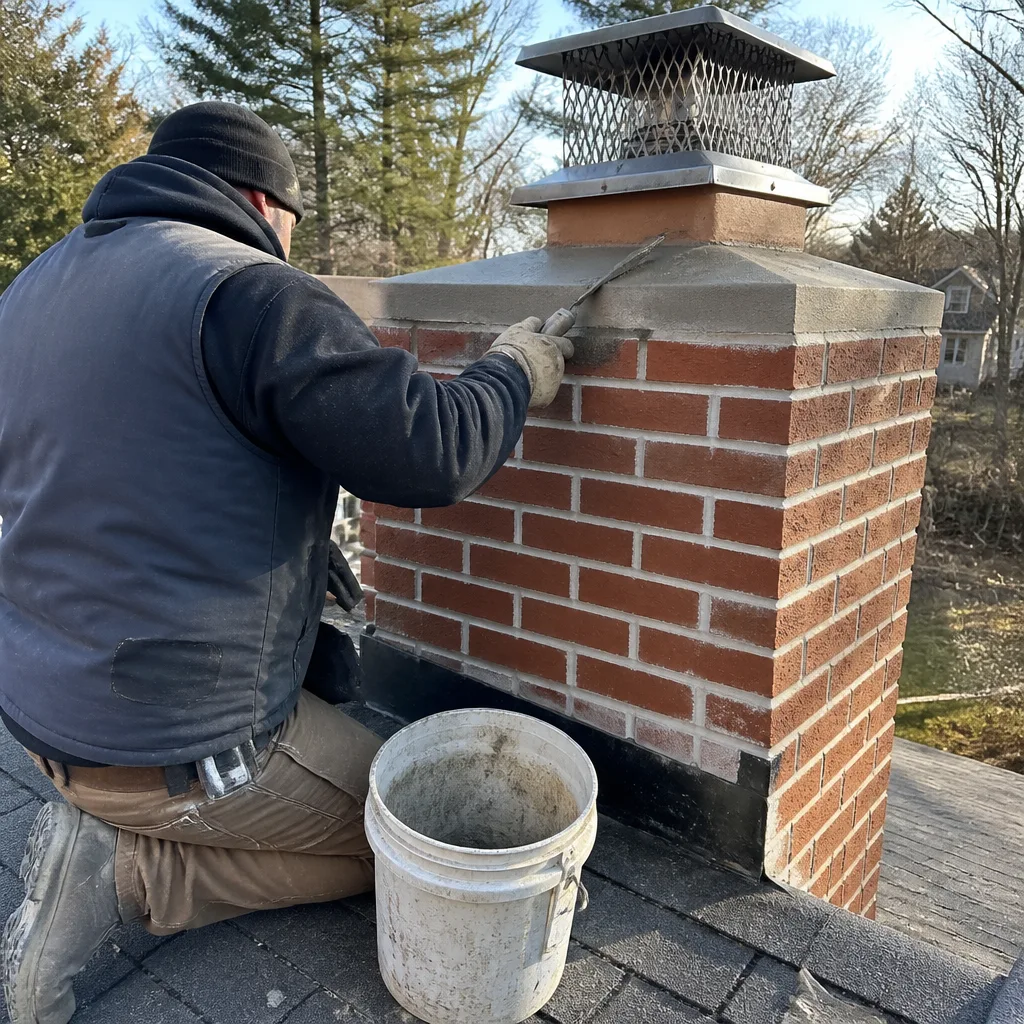
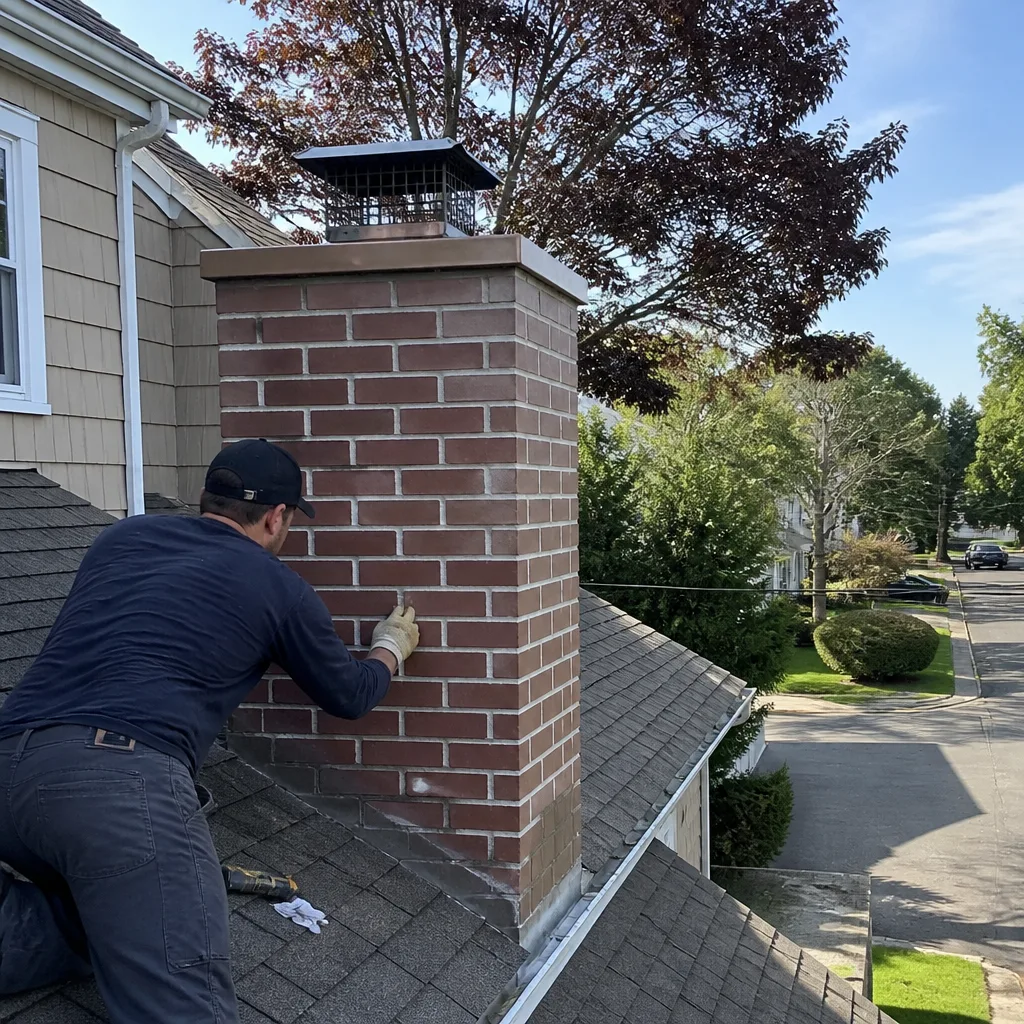
See the difference
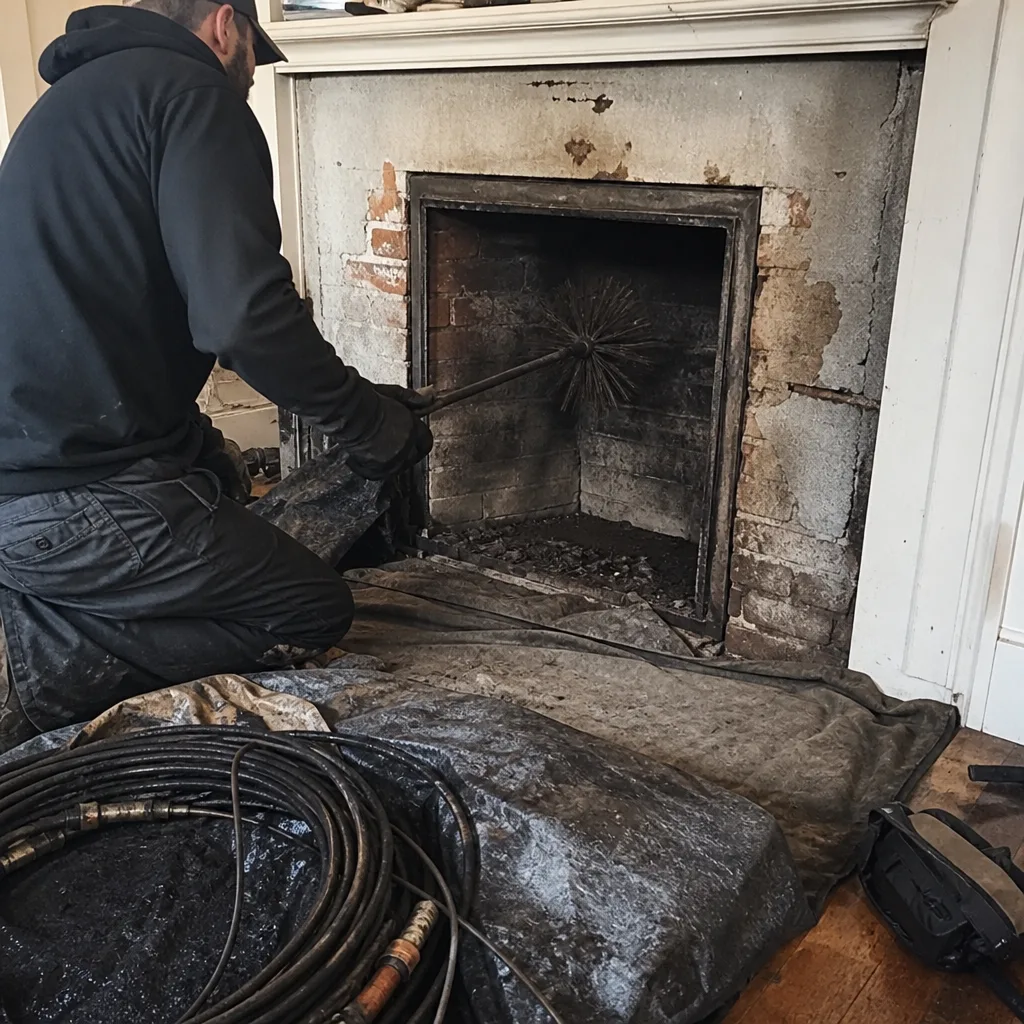 Before
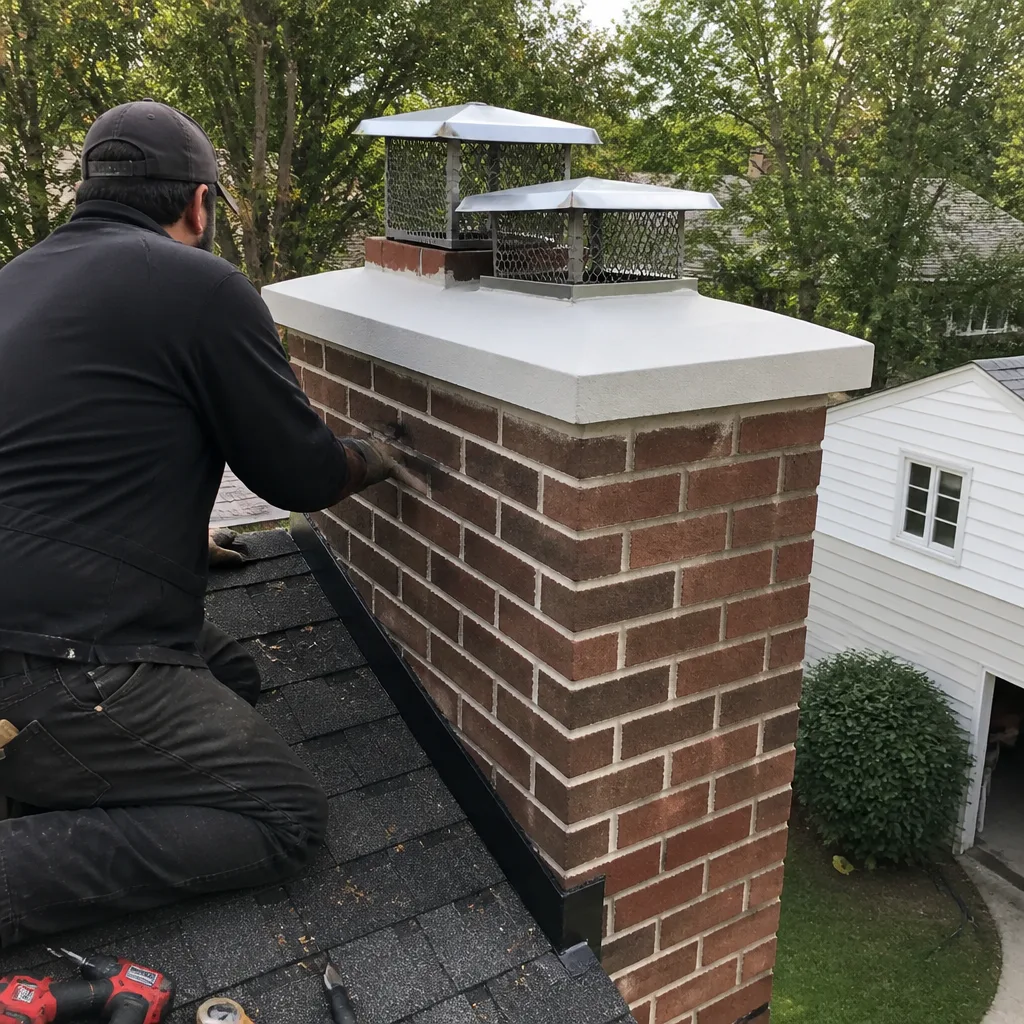 After
After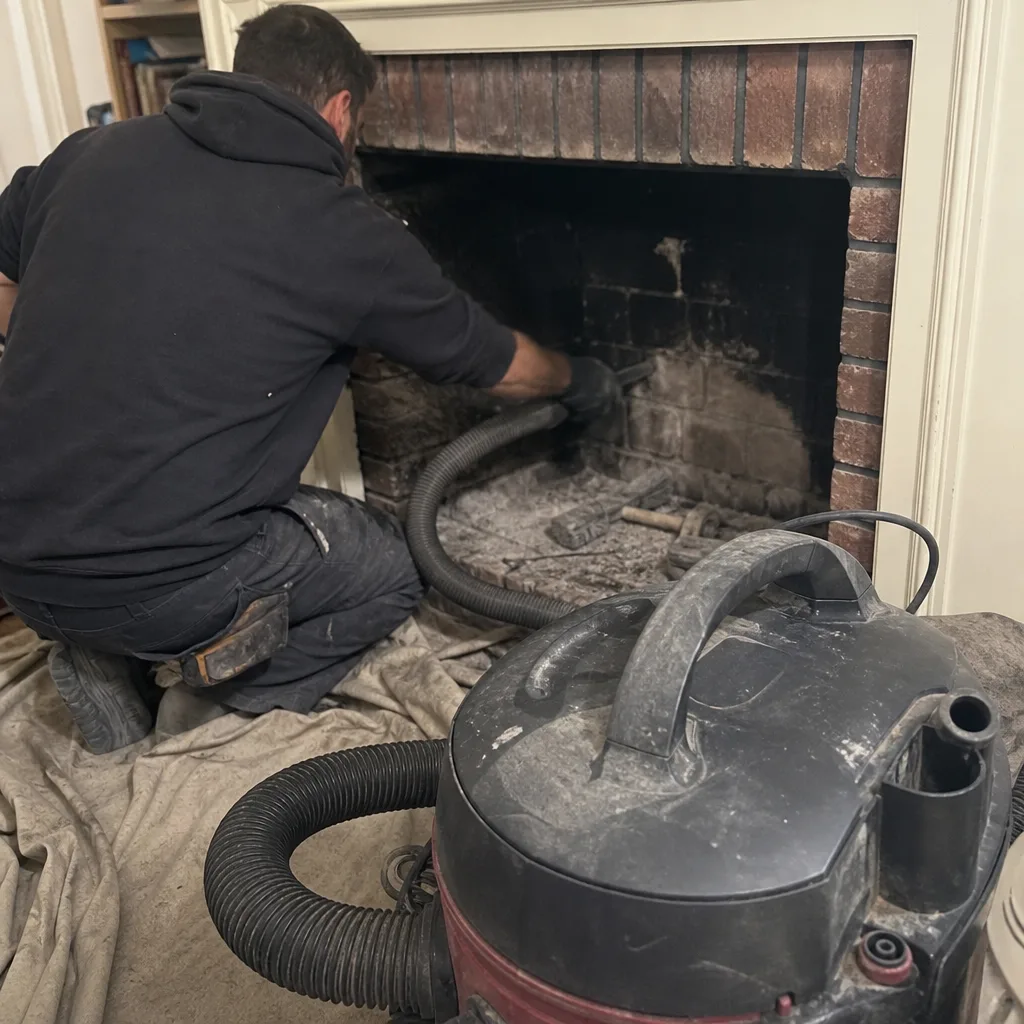 Before
 After
After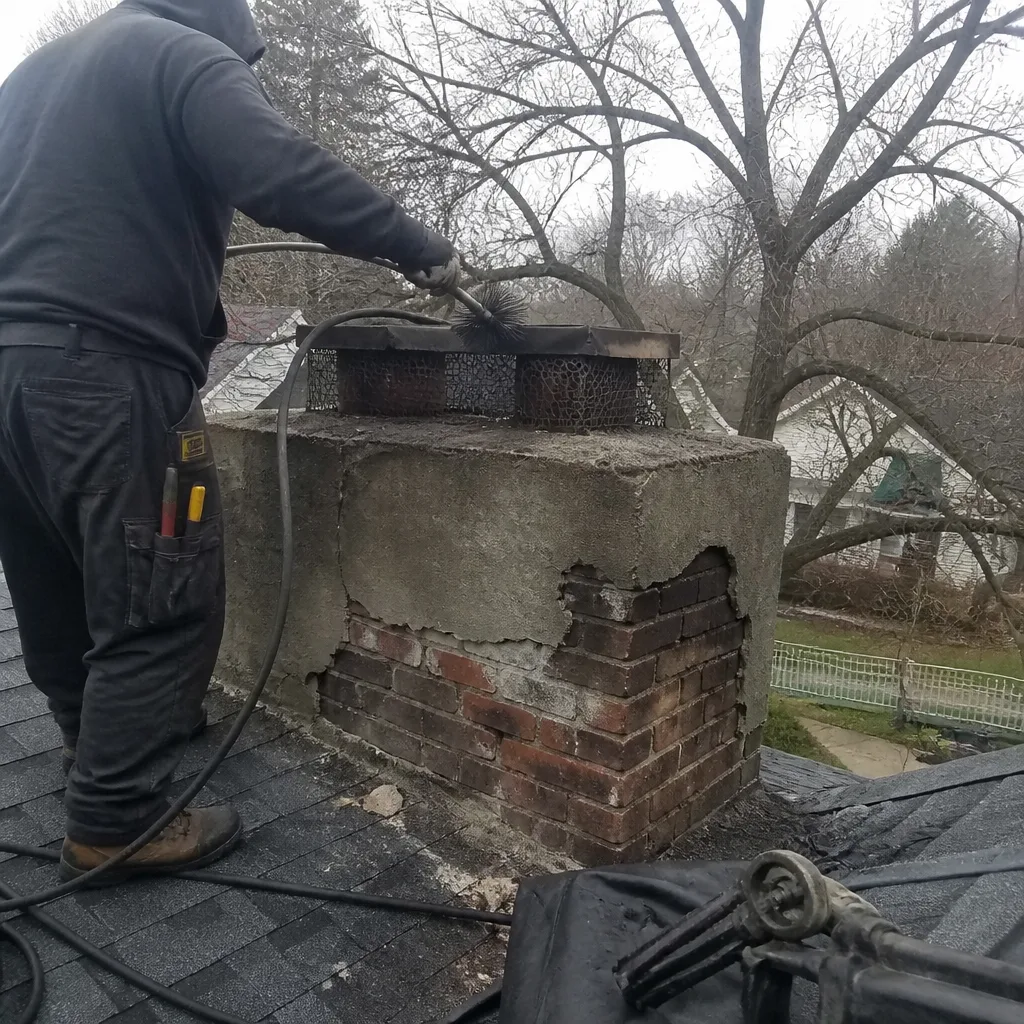 Before
 After
After