
Last updated October 15, 2026
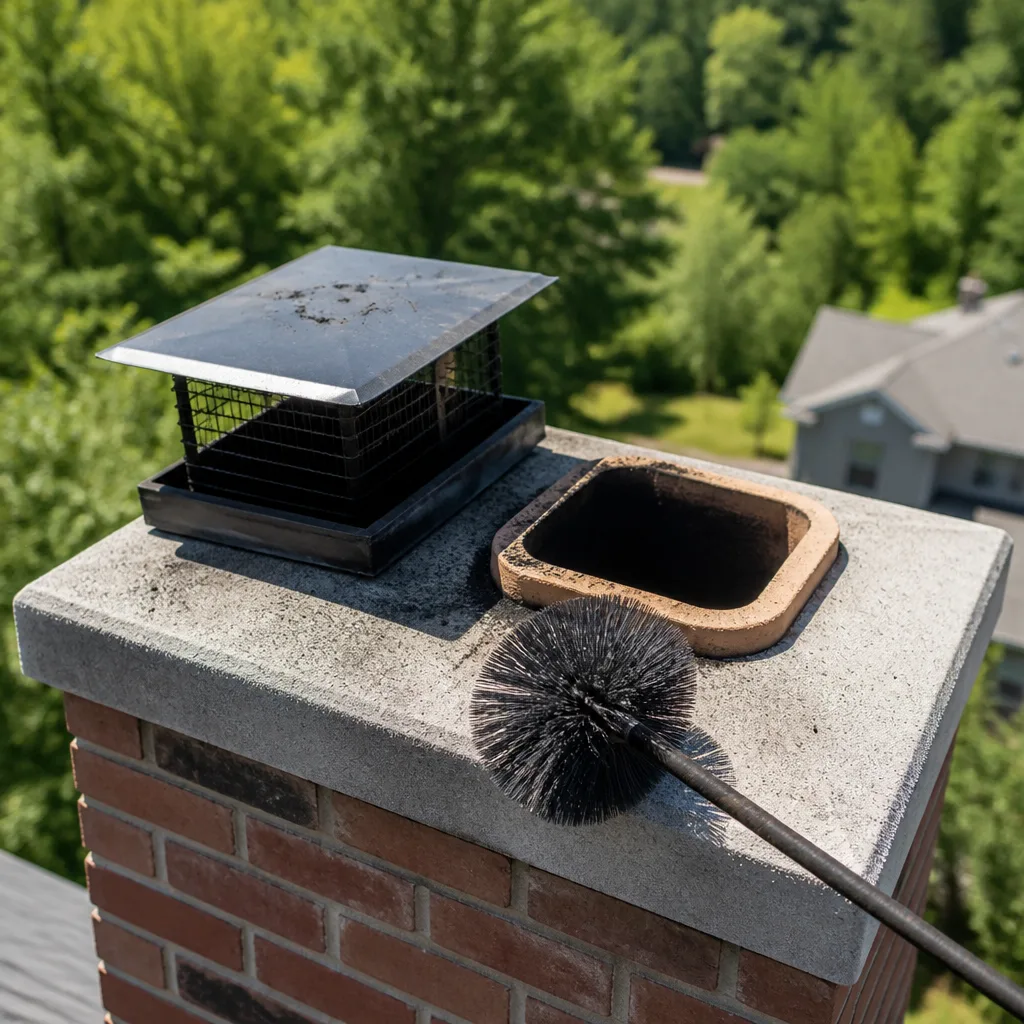 Sweep & inspection
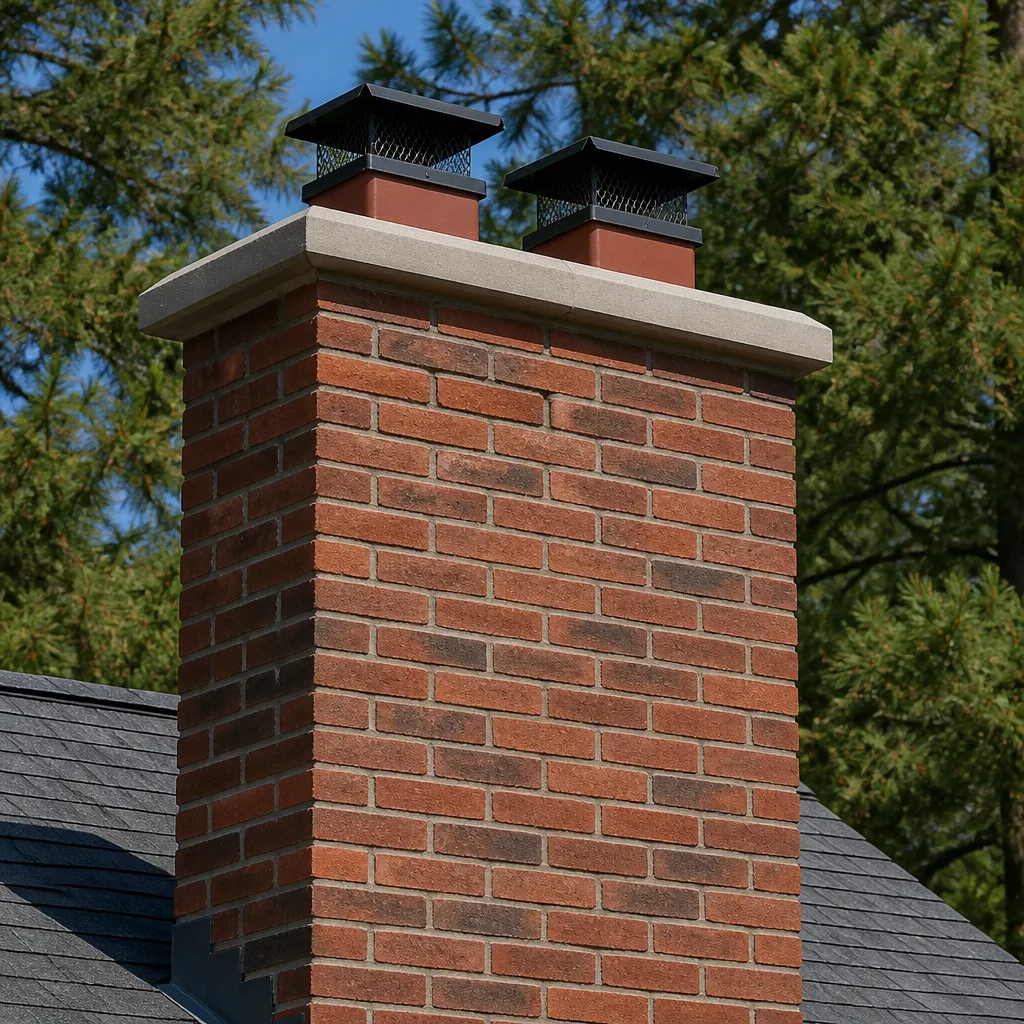 Caps & crowns
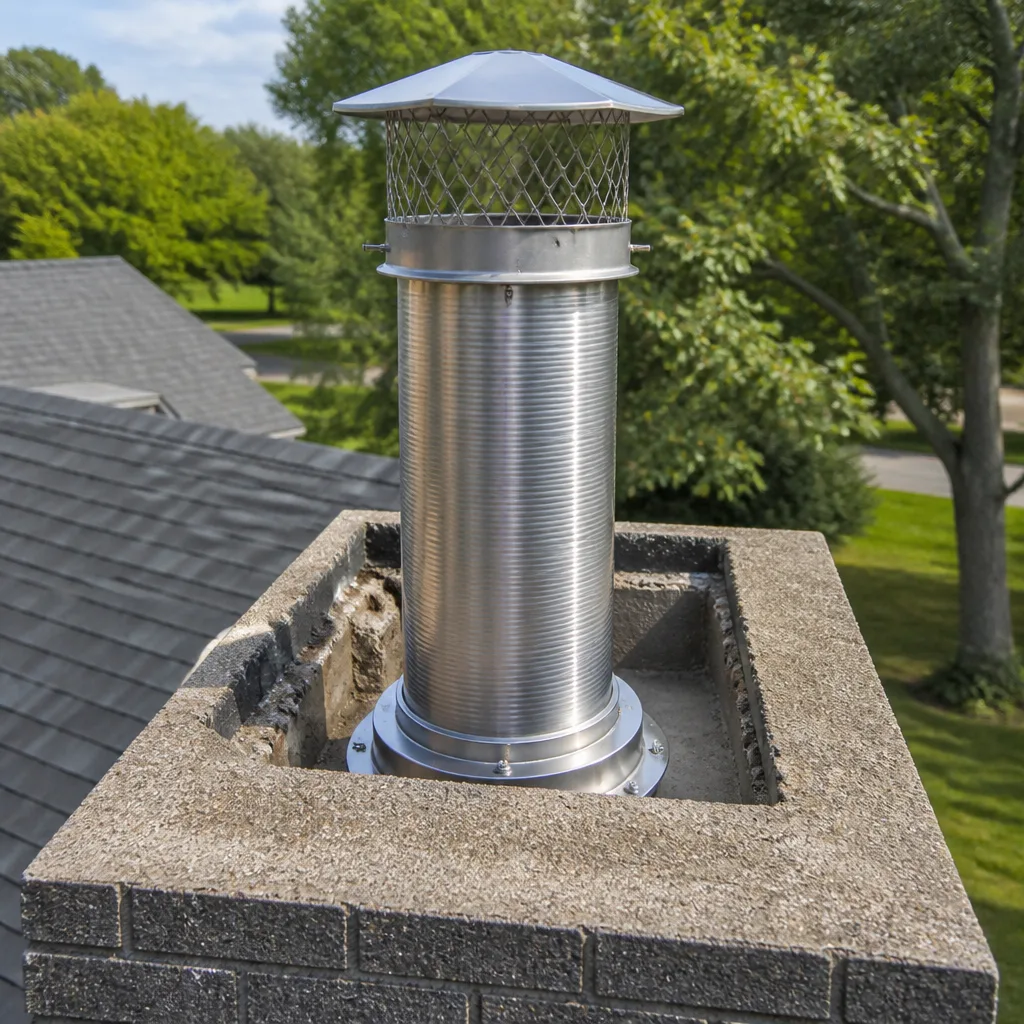 Flue relining
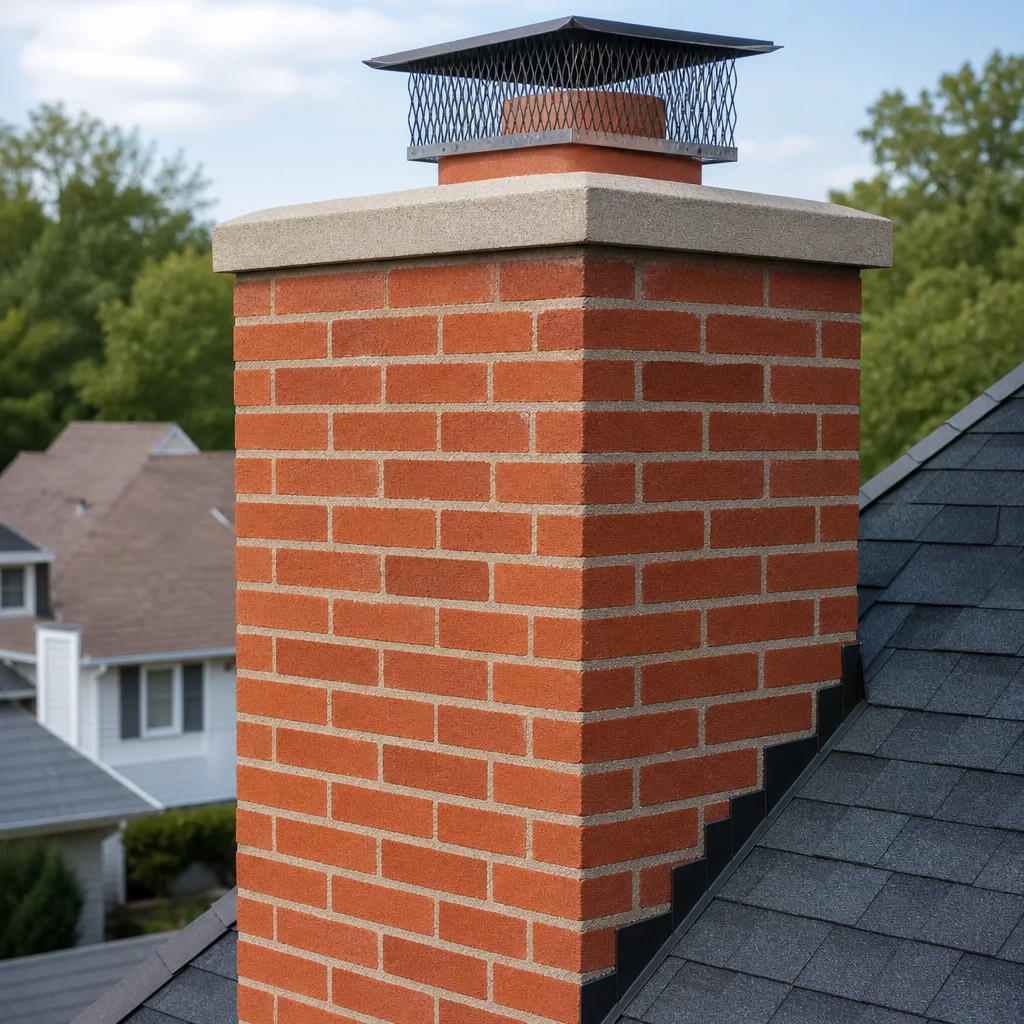 Masonry repair
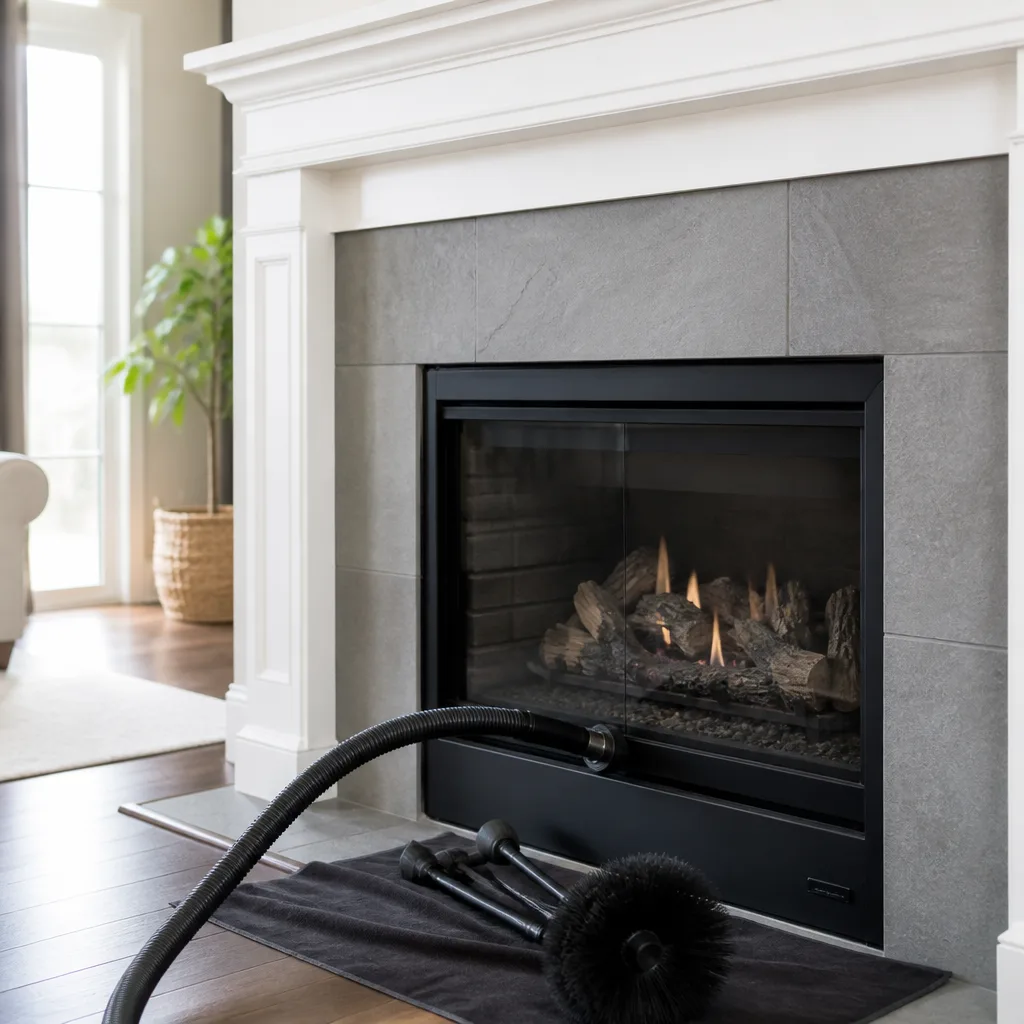 Gas fireplace service
Level 1 sweep and inspection to the NFPA 211 annual standard - flue, crown, cap, and flashing checked and photographed
Chimney sweep logs do not sweep chimneys. They loosen some creosote - which then falls where a brush and vacuum still have to collect it.
Chimney Cleaning Permits, Codes & Inspections in NY: What You Need to Know
Here’s the counterintuitive truth that surprises most New York homeowners: the simple act of sweeping a chimney requires no permit anywhere in the state, yet thousands of homeowners in Manhattan, Buffalo, and Rochester discover they have a code problem the day they try to sell, file an insurance claim, or satisfy a co-op board. The problem is rarely the cleaning. It’s the repair work that a previous owner paid someone cash to do without pulling a permit. This guide and our Complete Guide to Chimney Cleaning in New York walk you through where the permit line sits, which inspections are legally required versus merely smart, and how to clean up a mess you inherited. You’ll learn how New York’s building codes treat residential chimneys, what FDNY and DOB actually enforce, and how to verify a chimney’s paperwork before you buy a home or hire a contractor.
Quick Answer
Chimney cleaning and Level 1 inspections do not require a permit anywhere in New York State. However, most structural chimney repairs in New York City, including relining, rebuilding, or modifying a flue, require a Department of Buildings (DOB) permit under NYC Building Code Chapter 28. Outside the five boroughs, permit requirements vary by municipality, but unpermitted structural work carries the same insurance risk everywhere in New York.
Styles & brands we work with
Table of Contents
- Chimney Cleaning vs. Chimney Repair: Where the Permit Line Sits
- NYC Building Code Chapter 28: What It Actually Says About Chimneys
- How FDNY Inspections Interact with DOB Permits
- Local Law 11 and Chimneys: What Co-op Owners Need to Know
- How to Look Up Open Permits and Violations on a Property
- Unpermitted Chimney Work: Identifying It, Legalizing It, and Who’s Liable
- Chimney Permits and Homeowner’s Insurance in New York
- Common Mistakes to Avoid
- When to Call a Professional
- Frequently Asked Questions
Chimney Cleaning vs. Chimney Repair: Where the Permit Line Sits
Here’s the distinction in plain language. Cleaning a chimney removes creosote and soot from surfaces that already exist. You are not changing the structure, the flue opening, the liner, or the firebox. Nothing about the cleaning alters the building’s fire safety characteristics in a way that a building inspector would need to verify. New York treats chimney sweeping the same way it treats gutter cleaning or painting: routine maintenance, no permit required.
Repair is different. Once you start replacing a flue liner, rebuilding a crown, parging the smoke chamber, or relining with a stainless steel system like a DuraFlex liner or a HeatShield resurfacing treatment, you are now modifying a fire-rated assembly. The New York City Building Code treats that as construction. So do most town and village building departments upstate. The permit exists so an inspector can confirm the work was done to code, which protects the current owner and every future owner for the life of that chimney.
In our experience, the confusion starts when a contractor tells a homeowner, “You don’t need a permit for this.” Sometimes that’s true. A Chimney Sweep in New York performing a routine sweeping and a visual inspection is doing non-permitted maintenance. But if that same sweep finds cracks in the flue and recommends a repair, the repair itself is a different legal category. It’s the repair that needs the paperwork, not the cleaning that led you there.
A useful rule of thumb: if the work involves removing material, changing dimensions, or installing something new inside the chimney, assume a permit may be required until you confirm otherwise with your local building department. If the work involves brushes, vacuums, and rods, it’s maintenance and nobody in New York requires a permit for it-though our Chimney Sweep Maintenance Checklist for New York Homeowners can help you stay on track.
NYC Building Code Chapter 28: What It Actually Says About Chimneys
New York City’s Building Code Chapter 28 governs maintenance of existing buildings, and it is where the city’s chimney permit requirements live. The code does not say “you need a permit to clean a chimney.” What it says, in effect, is that you need a permit to alter, repair, or replace a chimney in a way that affects its structure or performance.
Here’s the practical breakdown of what requires a DOB permit in New York City:
- Flue relining: Replacing a clay tile liner or installing a stainless steel liner typically requires a permit. The liner is a fire-safety component, and the DOB wants a licensed contractor to sign off on the install.
- Chimney rebuild: Rebuilding a chimney from the roofline up, or taking down and reconstructing a section, is structural work. It requires a permit, full stop.
- Fireplace modification: Changing the firebox dimensions, installing a new damper assembly, or enlarging the opening changes the appliance’s operating characteristics. That triggers permit review.
- Crown repair with resurfacing product: A simple crown patch with sealant is maintenance. A full crown rebuild with new concrete is borderline in many municipalities. In NYC, if you are forming and pouring new concrete, pull the permit.
- Routine sweeping and Level 1 inspection: No permit. This is the only category that a homeowner can schedule anytime without involving the DOB.
One thing we hear often: “My contractor said he’d handle the permit.” Good. Ask to see the permit number before work starts, and check it on the DOB website. A legitimate contractor in New York City has a DOB-issued license and pulls permits under their own name. If the contractor is hesitant or tells you the permit is “optional” for a reline, find another contractor. We do Chimney Inspection in New York work regularly, and our team expects to see permit documentation on prior repair work, not shrugs.
How FDNY Inspections Interact with DOB Permits
New York has two separate agencies that care about your chimney, and they do not coordinate with each other. The DOB cares about construction standards: was the work built right, is it safe, is it documented. The FDNY cares about fire prevention in occupied buildings, particularly multi-family properties. These agencies serve different purposes, and homeowners sometimes assume that passing one means they’ve satisfied the other. That assumption is wrong.
In New York City, most one- and two-family homes are not subject to routine FDNY chimney inspections. The FDNY focuses its inspection resources on commercial buildings, residential buildings with three or more units, and any occupancy that requires a Certificate of Fitness. If you own a brownstone in Park Slope that’s been converted to three apartments, your chimney may be on the FDNY’s radar. If you own a single-family home in Staten Island, it probably is not.
Here’s the interaction that causes headaches: an unpermitted chimney repair that was never reviewed by the DOB becomes a red flag during an FDNY inspection because the inspector cannot verify the work meets fire code. The FDNY inspector flags the chimney, which triggers a DOB review, which triggers a violation, which triggers the homeowner needing to legalize work that was done years earlier. The fix is not to hope the inspector misses it. The fix is to make sure any repair that needed a permit got one in the first place.
For multi-family building owners, the practical takeaway is this: keep a file with every chimney permit, every inspection report, and every repair invoice. When the FDNY inspector asks about the chimney, you should be able to hand over documentation. If you cannot, you are inviting a violation.
Local Law 11 and Chimneys: What Co-op Owners Need to Know
Local Law 11, formally the Façade Inspection and Safety Program (FISP), applies to buildings in New York City that are six stories or taller. The law requires a licensed engineer or architect to inspect the building’s exterior walls and appurtenances every five years and file a report with the DOB. Chimneys are included in that inspection because they project from the roofline and are considered part of the building envelope.
If you own a co-op in a high-rise and your chimney needs work, you will often get swept up in a building-wide compliance cycle. The co-op board hires the engineer, the engineer identifies chimney issues, and the board passes the repair cost through to shareholders. What surprises most shareholders is that the repair is not optional. If the chimney is flagged in the FISP report as “unsafe,” the building has a legal deadline to fix it. The board cannot defer it because shareholders voted to wait.
For shareholders, the important move is to attend the meeting where the engineer presents the FISP findings. Ask specifically what condition the chimney is in, what the engineer recommended, and whether the DOB has issued any violations related to the chimney. If the building is doing a chimney rebuild or reline, verify that the contractor filed a permit and that an inspection will occur. In a co-op, you are financially on the hook for your share of the work, so you have a right to know the paperwork is in order.
This is also the scenario where an honest contractor makes a difference. When a building needs a reline, a contractor who says “we can do this without a permit” is putting the building at risk of a DOB stop-work order and a failure to certify under FISP. The building pays twice: once for the work, and once to fix the paperwork problem.
At Ashby Chimney New York home service area appointments, we regularly help owners and boards distinguish between maintenance work that requires no filing and repair work that does. That distinction is the difference between a clean FISP cycle and a phone call from the building’s attorney.
How to Look Up Open Permits and Violations on a Property
Before you buy a home, refinance, or hire a contractor for chimney work in New York City, look up the property’s history. The DOB has a public database called the Building Information System, known as BIS. It is free, it is searchable by address, and it shows every permit, violation, and complaint filed on a property going back decades.
Here are the exact steps for a New York City property:
- Go to the DOB’s BIS search page (nyc.gov / dob).
- Enter the house number and street name. Do not enter a unit number.
- Click on the property address in the results to open the property profile overview.
- Look for a section called “Actions” or “Permits.” This shows every permit application ever filed, with a status indicating whether it was approved, issued, or withdrawn.
- Look for a section called “Violations” or “OATH Summonses.” This shows any open or resolved violations.
- If you see a violation that mentions “chimney” or “boiler flue,” click on it. The detail page shows the disposition, whether it was resolved, and what agency filed it.
What should you look for? First, any open violation related to the chimney, boiler, or flue. Second, any permit that was filed but never signed off, which shows as “open” or “no final inspection” in BIS. Third, any complaint filed by a neighbor or inspector that relates to smoke, odors, or fire safety. Those complaints often lead back to a chimney problem.
If you find an open violation on a home you are buying, you can negotiate with the seller to resolve it before closing. If the seller refuses, you can walk away or price the repair into your offer. The buyer who checks BIS before signing has leverage. The buyer who doesn’t inherits the violation.
Outside New York City, the equivalent database lives with the local building department. Most towns and villages in New York have some form of online permit lookup, though the interface varies widely. Call the building department directly if you cannot find an online system, and ask for any open permits or violations related to the property address. You are entitled to that information as a prospective buyer.
Unpermitted Chimney Work: Identifying It, Legalizing It, and Who’s Liable
Unpermitted chimney work exists in every New York market, from old Victorians in Syracuse to prewar co-ops on the Upper West Side. The work was often done decades ago by a handyman who charged cash and left no paper trail. The current owner usually has no idea the work was never permitted until something surfaces it: a home inspection, an insurance claim, a co-op sale package, or a chimney fire.
Identifying unpermitted work is not always easy, but here are the signals we look for in our Chimney Cleaning Warning Signs: A New York Homeowner’s Reference Guide:
- A stainless steel liner that appears relatively new, but the BIS system shows no permit for a reline ever filed on the address.
- A chimney crown that is clearly newer than the rest of the masonry, again with no permit history.
- A firebox that has been resurfaced or rebuilt in a style that does not match the age of the home, with no corresponding DOB filing.
- A seller who cannot produce any paperwork for chimney work they claim was done “a few years ago.”
- A home inspector’s report that flags the chimney but notes “no permits were available for review.”
Are you liable? In New York, building code liability generally attaches to the current owner regardless of who did the work. The DOB will issue violations to the present owner, not to the contractor or the prior owner who may have disappeared. If a fire occurs and the insurer determines the flue was modified without a permit, the claim gets complicated quickly. The insurer’s position is simple: they priced your policy assuming code compliance, and unpermitted work is a material change they never underwrote.
The path to legalizing work without a full rebuild goes through a process the DOB and other New York building departments call “legalization of existing conditions.” Here are the steps in plain terms:
- Hire a New York State licensed professional engineer or registered architect to inspect the chimney and assess its condition.
- The professional files a report describing the existing condition and certifying that, in their professional judgment, the work is safe and meets the current code to the extent feasible.
- The building department reviews the filing and may require a physical inspection.
- If the work passes, the department issues a permit or a letter acknowledging the legalized condition. If it does not pass, the department issues a violation and you must bring the chimney up to code, which may mean a full rebuild.
Legalization is not free. Expect to pay an engineer $800 to $2,500 for the inspection and filing, depending on the complexity and the municipality. But legalization is almost always cheaper than doing nothing, because an unresolved unpermitted condition haunts the property sale, the insurance renewal, and the co-op board application.
If you are considering a fireplace repair on a chimney that already has unpermitted work, deal with the permit issue before or as part of the repair. Do not layer a permitted repair on top of an unpermitted reline and hope the inspector does not notice. The inspector will notice.
Chimney Permits and Homeowner’s Insurance in New York
This is where the permit question becomes a financial one. New York homeowner’s insurance policies contain language requiring you to maintain the home to code and to notify the insurer of material changes. A relined flue is a material change. If the reline was never permitted and a chimney fire later damages the home, the insurer has a basis to deny the claim. They will argue, correctly, that the unpermitted work prevented any code enforcement official from verifying the repair was safe.
We are not insurance attorneys, and this is not legal advice. But we have talked to enough adjusters and homeowners to know how this plays out. The insurer’s first question after a chimney fire is typically whether the chimney had been inspected and whether any repairs were permitted. If the answers are “no” and “unpermitted,” the claim is in trouble.
There is also a subtler insurance issue: some New York insurers now ask screening questions about chimney condition when you buy a policy. If you answer “no known issues” but the chimney has a 30-year-old clay liner with visible cracks that a prior inspector flagged, and a fire occurs, the insurer can allege misrepresentation. The California and New York markets have led this trend, and other states are watching.
The takeaway for New York homeowners: a Fireplace Repair in New York that includes a permit is not just a building code requirement. It is the paperwork that keeps your insurer on the hook when something goes wrong. That is worth the permit fee every time.
Common Mistakes to Avoid
- Assuming a clean chimney means a safe chimney. A sweep removes creosote, but only an inspection reveals cracks, gaps, or a deteriorated liner. Clean and safe are not the same thing, and we’ve swept plenty of chimneys in New York that were clean on the surface and unsafe underneath.
- Taking a contractor’s word that “you don’t need a permit” without checking. The contractor who says this often means “I don’t want to deal with the permit.” Call your local building department and ask. The five-minute call saves you years of headaches.
- Buying a home without checking the BIS permit history. The property profile is free and public. Skipping it is like buying a used car without running the VIN. If there’s an open violation, you want to know before you own it.
- Confusing an FDNY inspection with a DOB approval. These are separate agencies with separate standards. Passing one does not satisfy the other, especially in multi-family buildings.
- Deferring a known chimney defect because “we don’t use the fireplace.” A cracked flue is a fire and carbon monoxide risk even when the fireplace is dormant, especially if the chimney also vents a boiler or water heater. In New York’s older housing stock, that shared flue situation is common.
- Using a handyman for a reline or rebuild. A stainless liner installed incorrectly is worse than no liner at all, because it can block the flue or create a false sense of safety. This work belongs with a licensed chimney contractor who pulls the permit.
When to Call a Professional
Call a chimney professional when you see spalling bricks, crumbling mortar, a rusted damper, or water staining around the firebox. Call one if you have not had the chimney inspected in three years, even if you never use the fireplace. Call one if you are buying a home and the inspector flagged the chimney but could not see inside the flue. And call one before you file an insurance claim related to any fireplace or chimney event, because the adjuster will ask for documentation you will wish you had. Ashby Chimney New York offers free estimates in New York; call (315) 644-2982 and we will tell you what we see, what it costs, and whether a permit applies. No surprise fees, no scare talk.
Frequently Asked Questions
Most chimney cleanings in New York run between $180 and $350 for a standard sweep of an open fireplace with a single flue. If the chimney requires special access, has significant creosote buildup, or serves a wood stove, the price can run higher. Call (315) 644-2982 for a specific quote on your chimney; estimates are free and we give you a written price before any work starts.
The National Fire Protection Association recommends a chimney be swept and inspected at least once a year for wood-burning fireplaces that see regular use, and the same standard applies in New York. If you burn less than a cord a year or use the fireplace only occasionally, an inspection every other year is often sufficient, but the safe answer is annually until you know how your specific chimney behaves.
Yes. Relining a flue is a structural modification of a fire-rated assembly, and the DOB expects a permit when the liner is replaced or installed. A licensed contractor files the permit, and the work is signed off by a DOB inspector. Outside New York City, check with your local building department, but most municipalities follow the same principle: reline equals permit.
The most common outcome in New York is a slow buildup of creosote in the flue and the gradual deterioration of the clay liner, neither of which is visible from the firebox. By the time a problem announces itself, it is usually through a chimney fire, water damage, or a carbon monoxide reading. The chimney does not care whether you use it; time and weather work on it regardless. Call us to catch it before it catches you.
Yes, and winter is one of the busiest seasons for Chimney Inspection in New York work precisely because the chimney is in use and problems become apparent. We inspect chimneys in every month of the year. The one constraint is severe snow or ice on the roof, which can make exterior access unsafe until it clears.
New York State does not have a state-level chimney sweep license, which is why anyone can show up with brushes and call themselves a sweep. New York City requires a Home Improvement Contractor license for any residential chimney work above a certain threshold, and structural repairs require a licensed contractor with DOB registration. This is exactly why you want a company that carries the paperwork and shows it to you before starting. We do.
The Bottom Line
Chimney cleaning in New York is a permit-free maintenance task. Chimney repair is where the legal obligations begin, and New York City’s DOB enforces that line through Chapter 28 of the Building Code. FDNY inspections, Local Law 11 compliance, and insurance underwriting all converge on one point: the paperwork matters as much as the work itself. For more guides & resources, visit our blog. Before you buy a home, check the BIS database. Before you hire a contractor, ask to see the permit number for any structural repair. Before you assume a chimney is fine because it looks fine, get a Level 1 inspection. In New York, the cheapest chimney problem is the one you catch before it becomes a violation, a denied claim, or a fire.
Written by Nathan Corliss, Owner at Ashby Chimney New York, serving New York since 2002.
See the difference
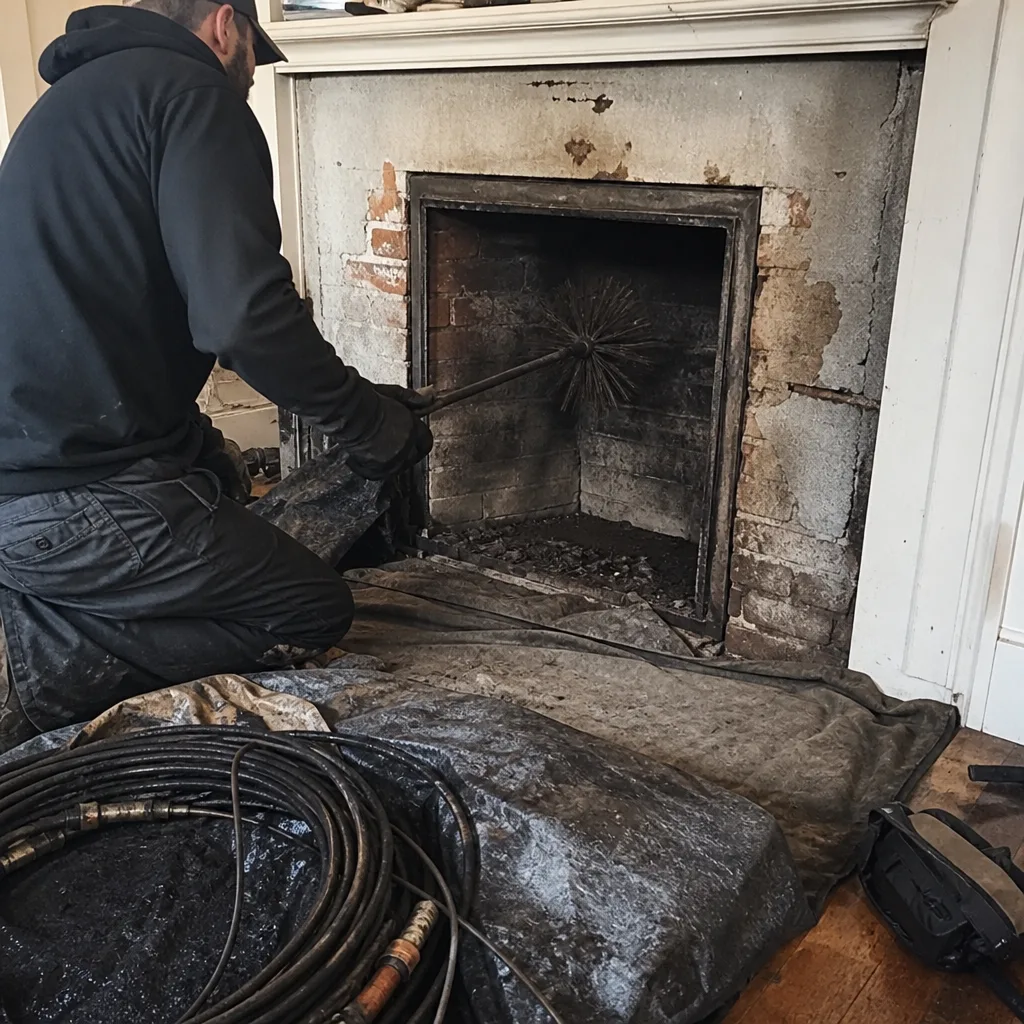 Before
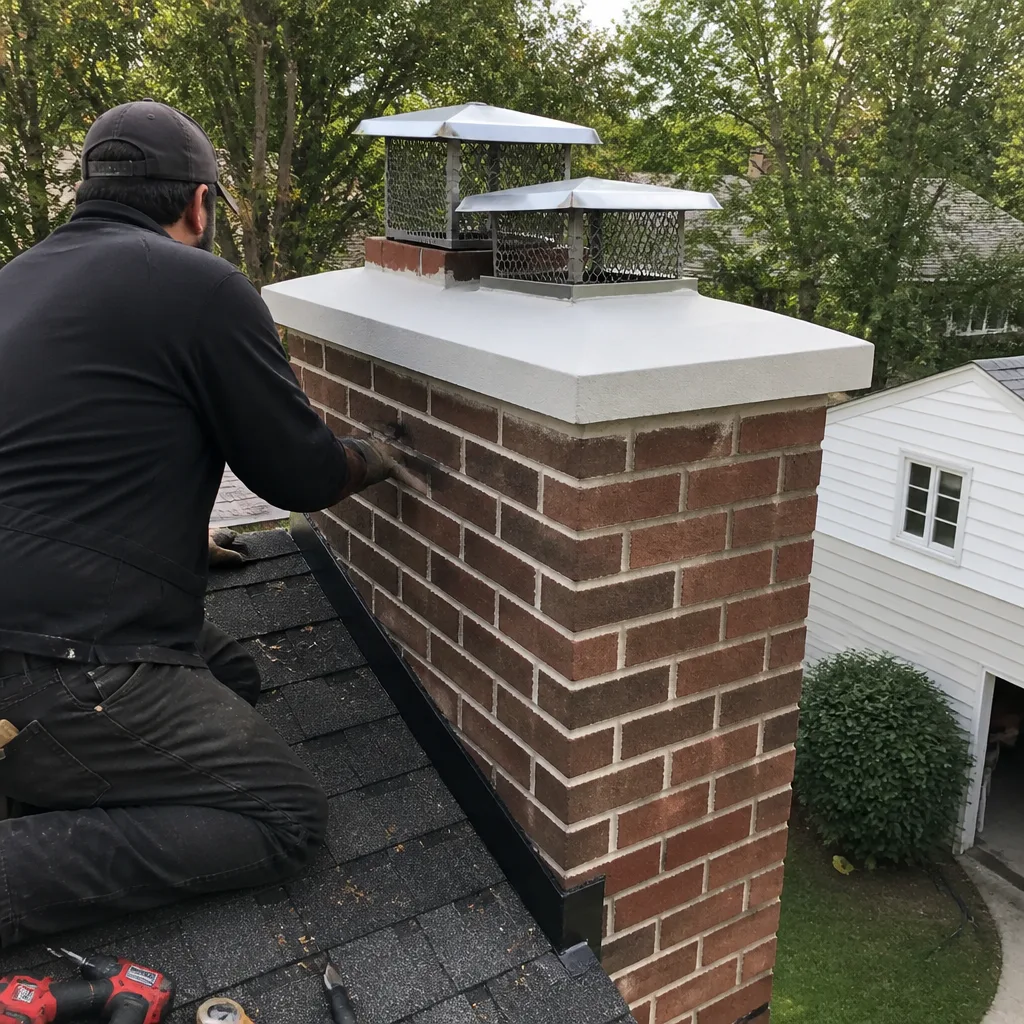 After
After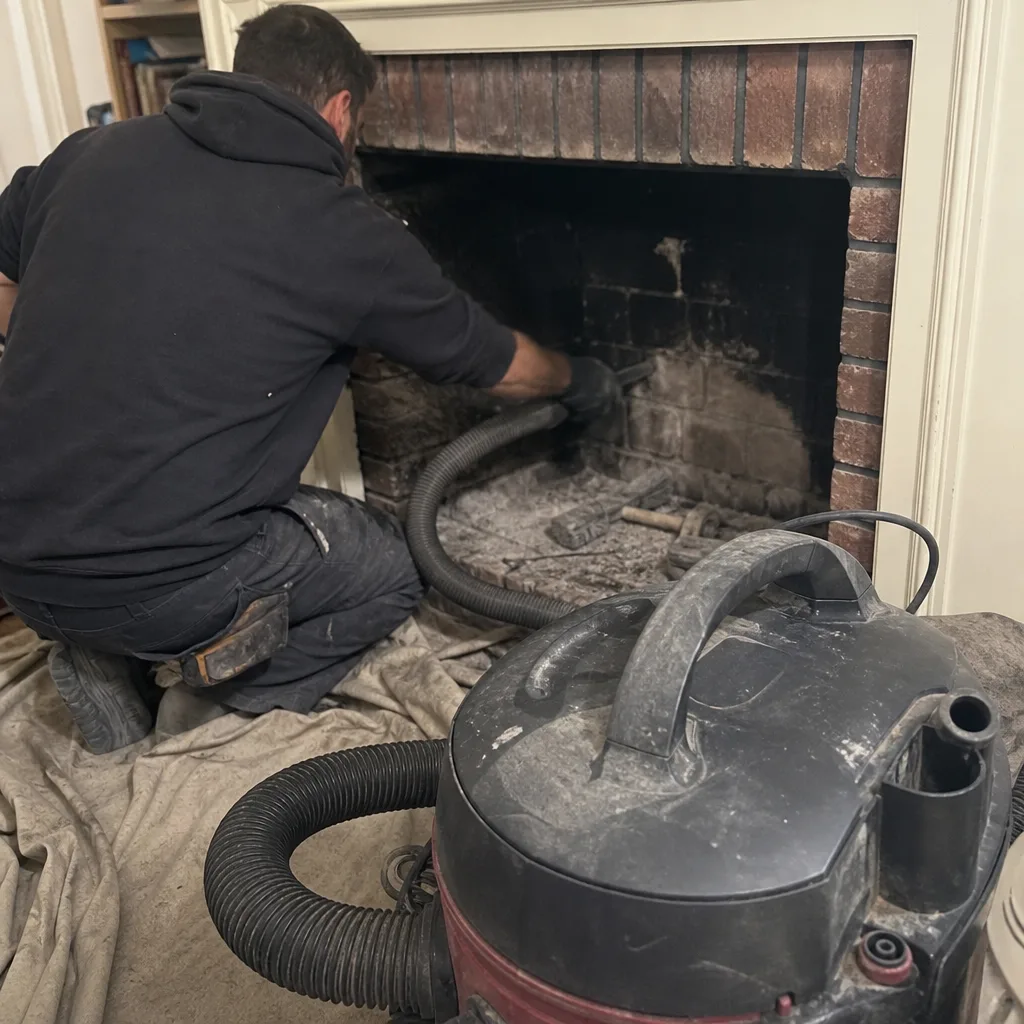 Before
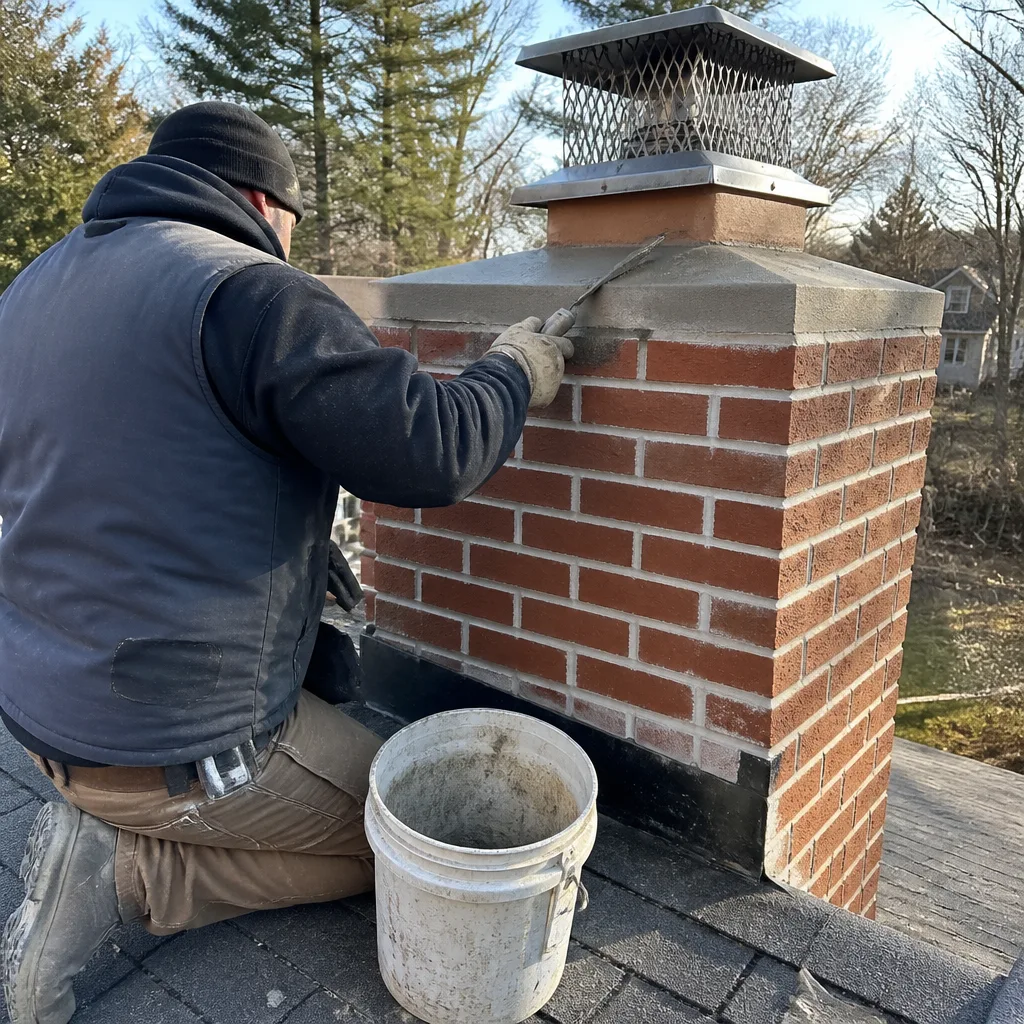 After
After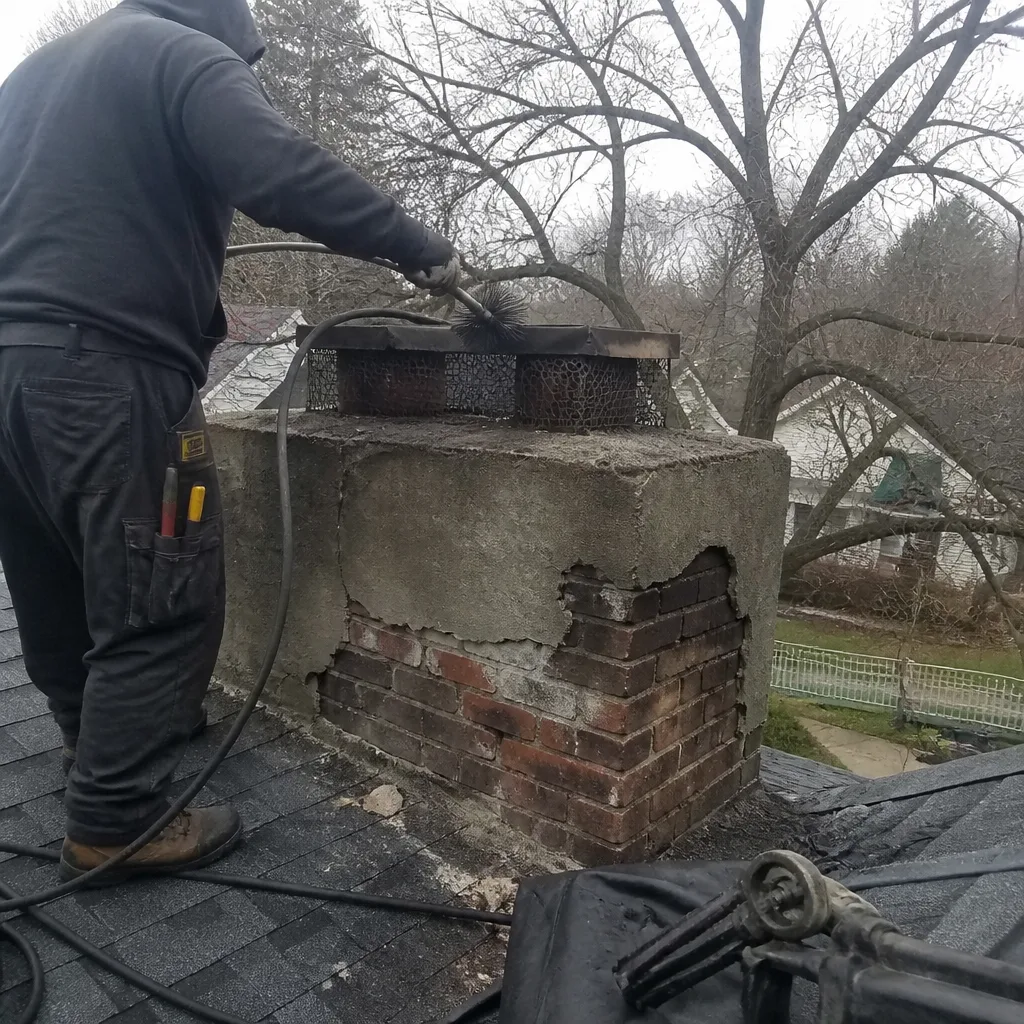 Before
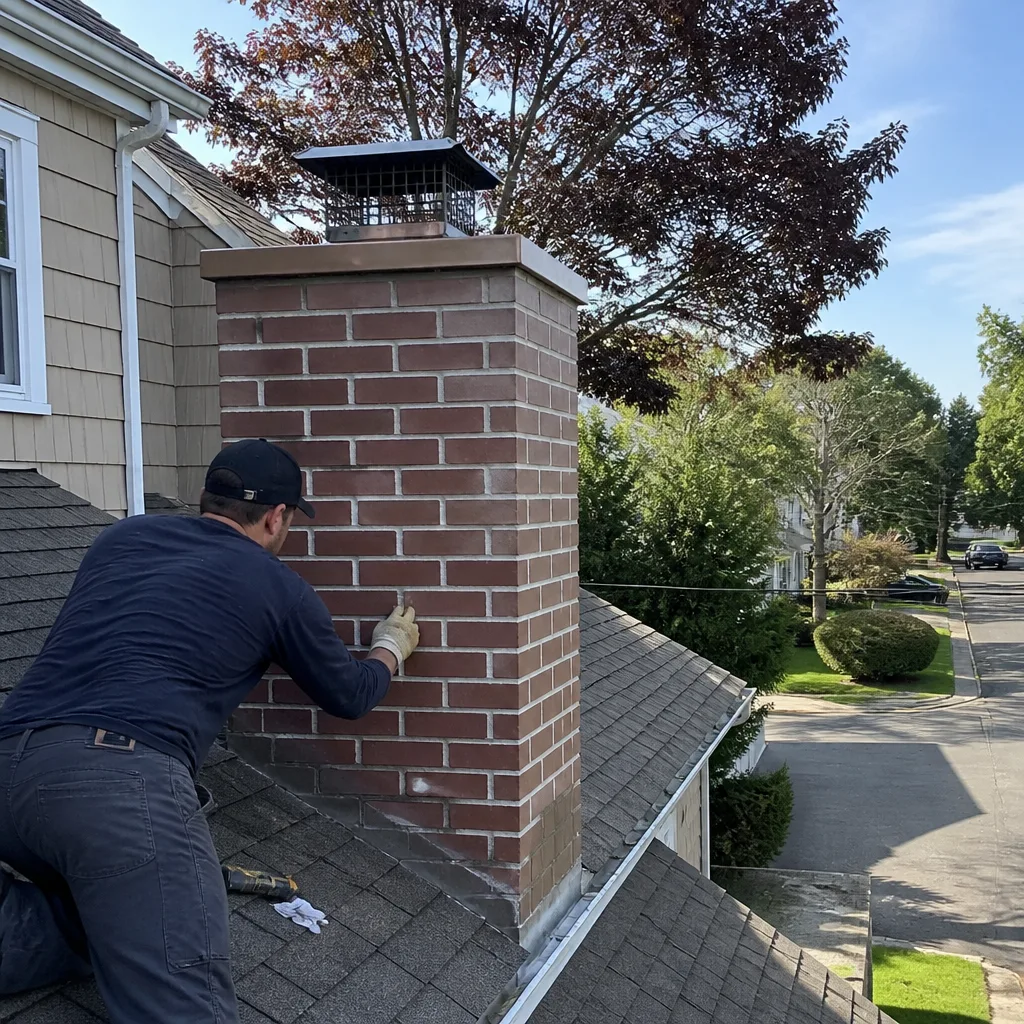 After
After