
Last updated October 15, 2026
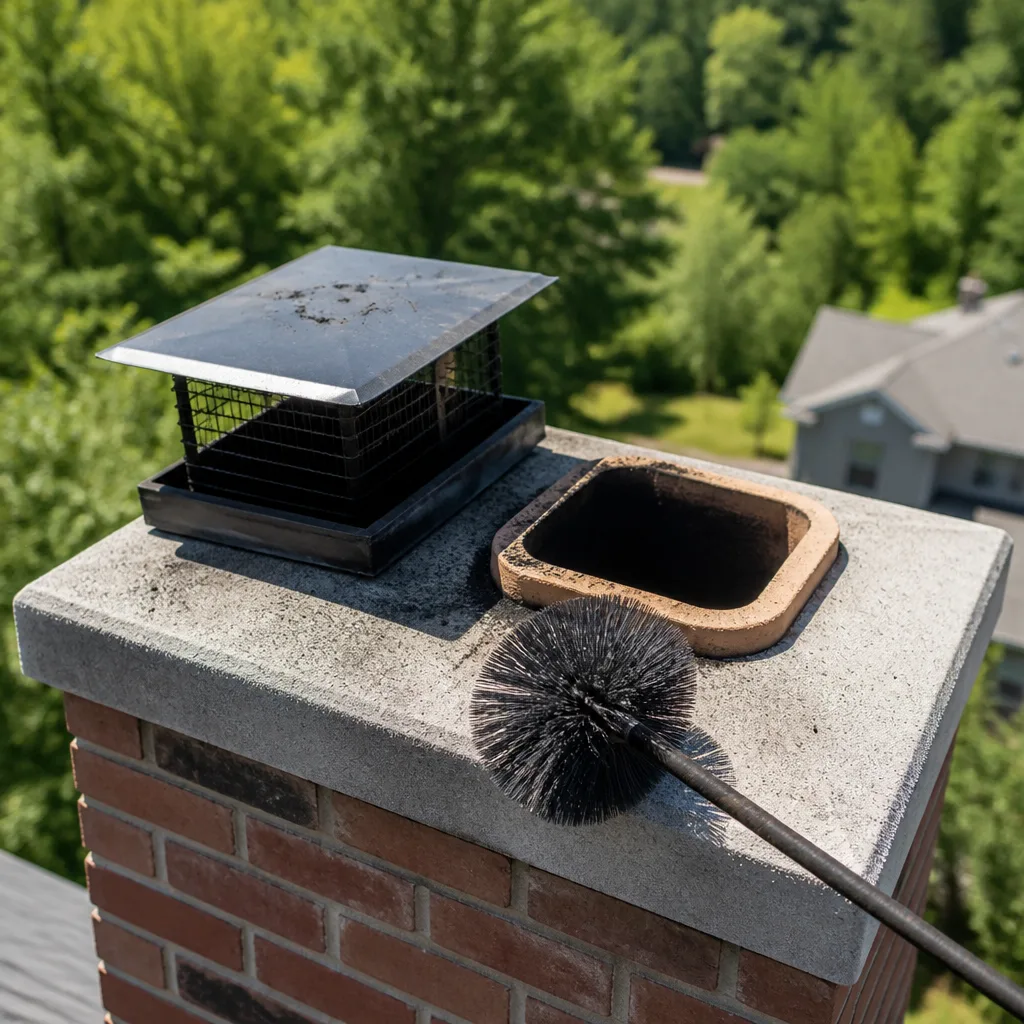 Sweep & inspection
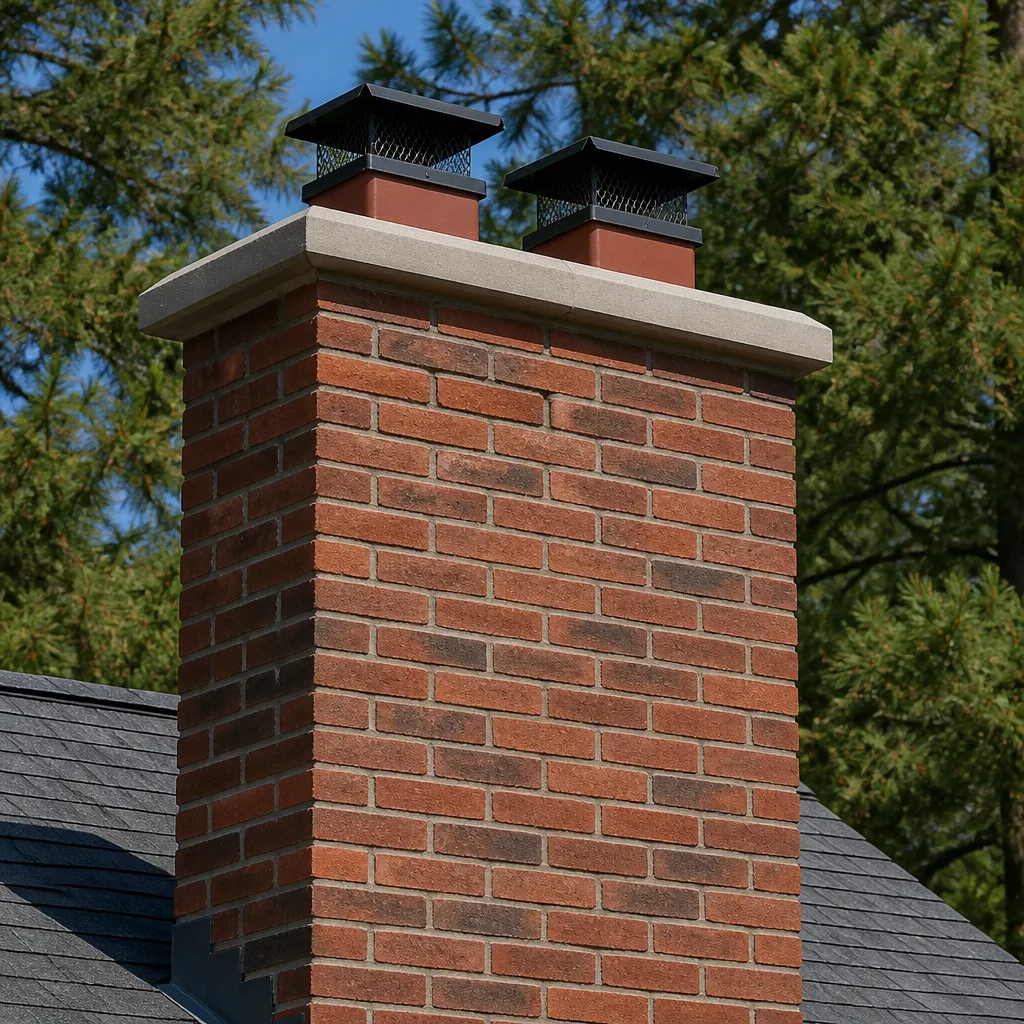 Caps & crowns
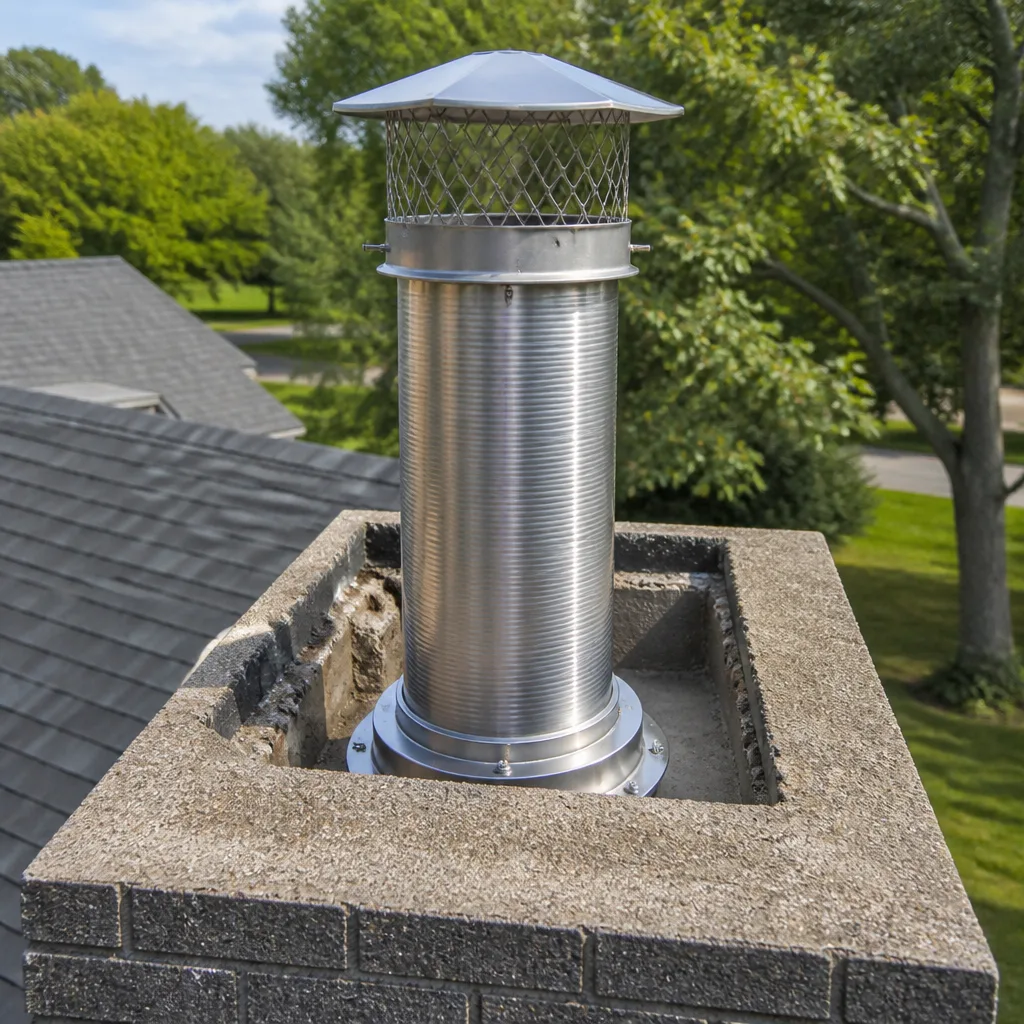 Flue relining
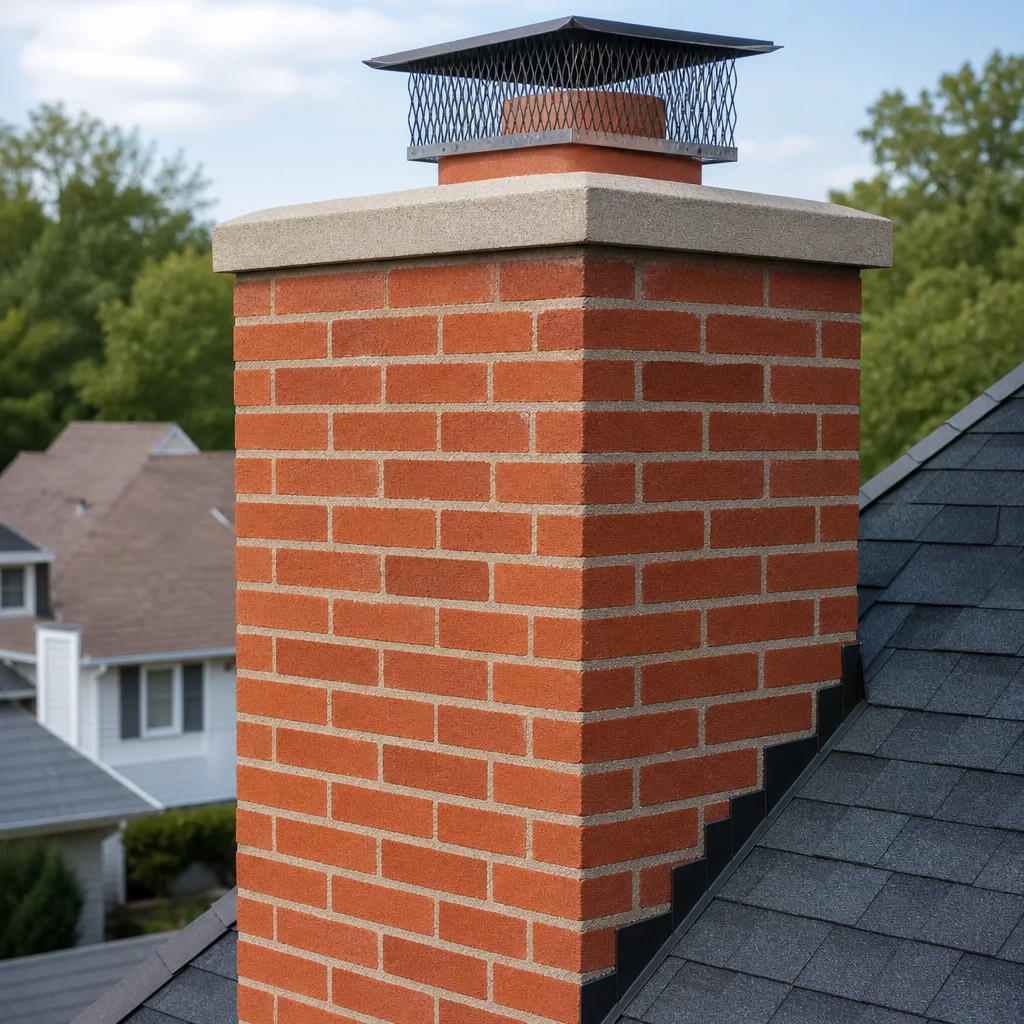 Masonry repair
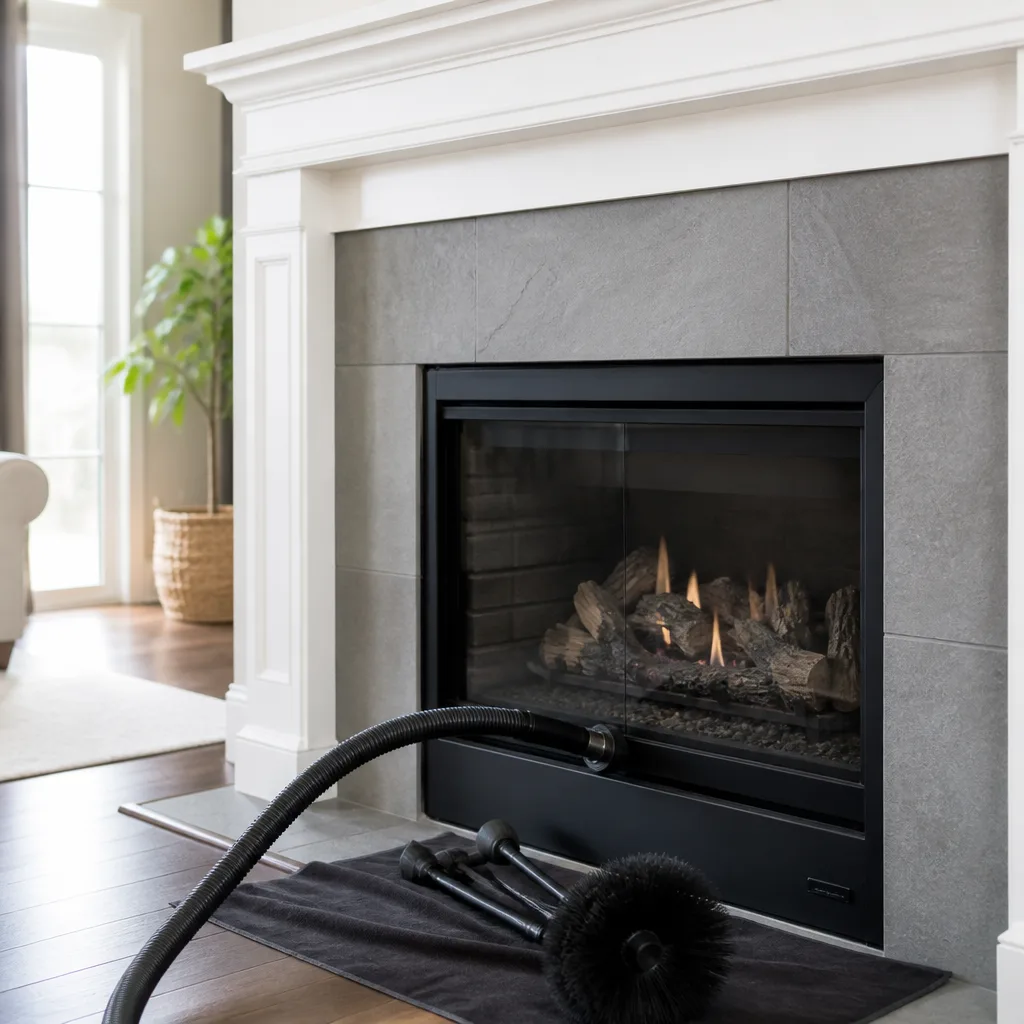 Gas fireplace service
Level 1 sweep and inspection to the NFPA 211 annual standard - flue, crown, cap, and flashing checked and photographed
Chimney sweep logs do not sweep chimneys. They loosen some creosote - which then falls where a brush and vacuum still have to collect it.
Seasonal Chimney Cleaning Care for New York: Year-Round Homeowner’s Guide
September is the most profitable month for chimney companies, which is why every chimney company tells you September is the right month to call. But if you burned less than two cords of wood last winter, you likely don’t need a fall cleaning at all. This guide will walk you through what your chimney actually needs in each season here in New York, how to calculate your own cleaning frequency based on what you burn, and what the freeze-thaw cycle does to masonry that nobody sees from the ground. By the end, you’ll know when to clean, when to inspect, and when to leave the thing alone for another year.
Styles & brands we work with
Quick Answer
Chimney cleaning in New York should follow your actual usage, not a calendar. Burn more than two cords of wood per winter and you need an annual sweep; burn less and every other year is usually enough, provided a camera inspection confirms the flue is clear. The right time to do it is late spring through early fall, when demand is lower and any repairs have time to cure before heating season, as detailed in our Chimney Cleaning Permits, Codes & Inspections in NY: What You Need to Know.
Table of Contents
- Season-by-Season Chimney Care for New York
- How Often Should You Actually Clean Your Chimney?
- Summer: The Underrated Maintenance Window
- What to Check Before Lighting a Dormant Flue
- How New York’s Freeze-Thaw Cycle Damages Your Chimney
- What a Homeowner Can Safely Check (and What to Leave Alone)
- Common Mistakes to Avoid
- When to Call a Professional
- Frequently Asked Questions
- The Bottom Line
Season-by-Season Chimney Care for New York
A chimney does not need the same thing in January that it needs in July. New York’s climate swings from hard freezes to humid summer heat, and each season stresses different parts of the system. Here is what actually matters as the year turns.
Winter (December through February): Burn Season
During burn season, the flue is doing its job, moving combustion gases up and out. Your job is mostly paying attention. Listen for a rumbling sound in the chimney when the fire is going well, a low-frequency noise that can indicate a chimney fire trying to start in creosote buildup. Watch for smoke backing into the room when you open the stove door or fireplace screen. Both are signs that airflow is restricted, and in New York, where homes are sealed tight against cold, negative pressure from bathroom fans and kitchen exhaust can pull smoke back down the flue. If you see a quarter-inch or more of soft, feathery creosote accumulating on the damper or firebox walls, that is enough fuel to sustain a chimney fire and it is time to schedule a sweep, even mid-winter, as covered in our Chimney Cleaning Warning Signs: A New York Homeowner’s Reference Guide. Nathan Corliss has seen January sweeps where the homeowner had no idea they had a problem until the smoke started behaving strangely.
Spring (March through May): Post-Winter Assessment
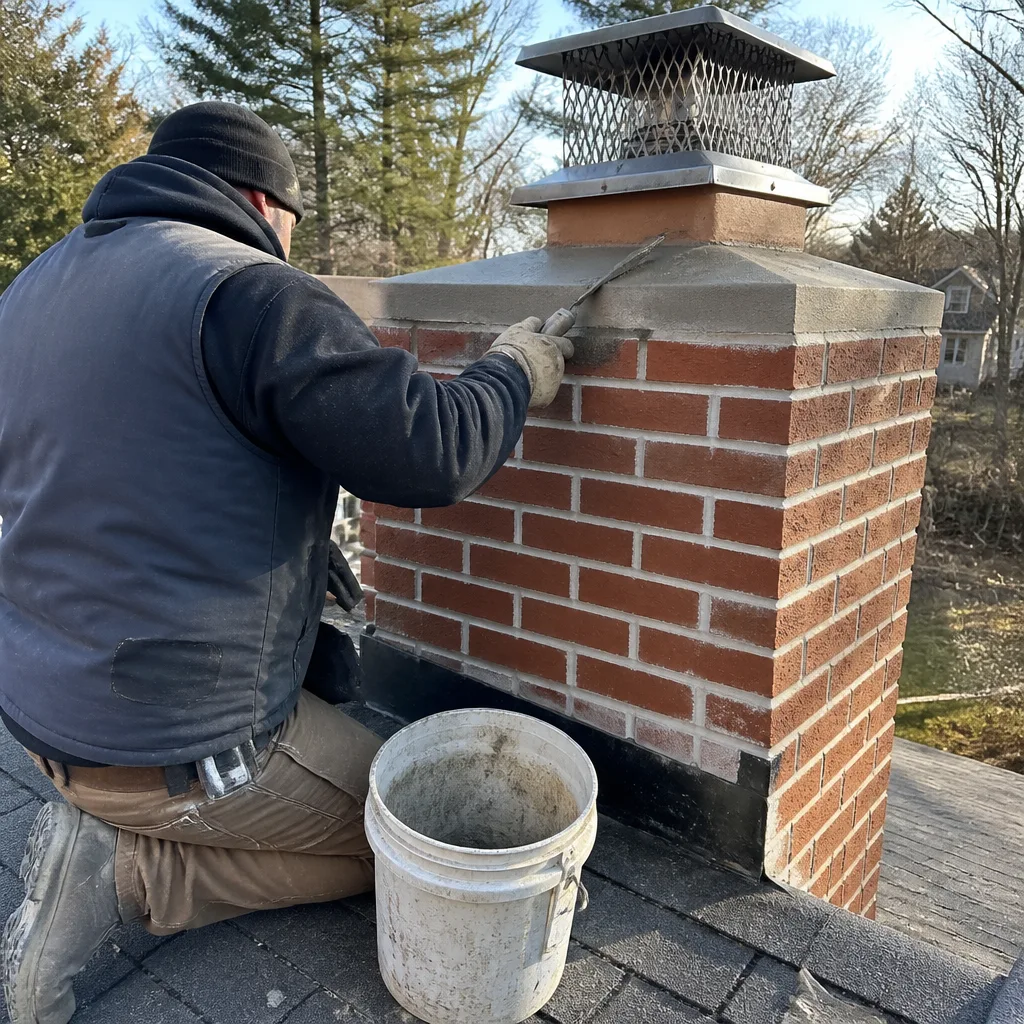
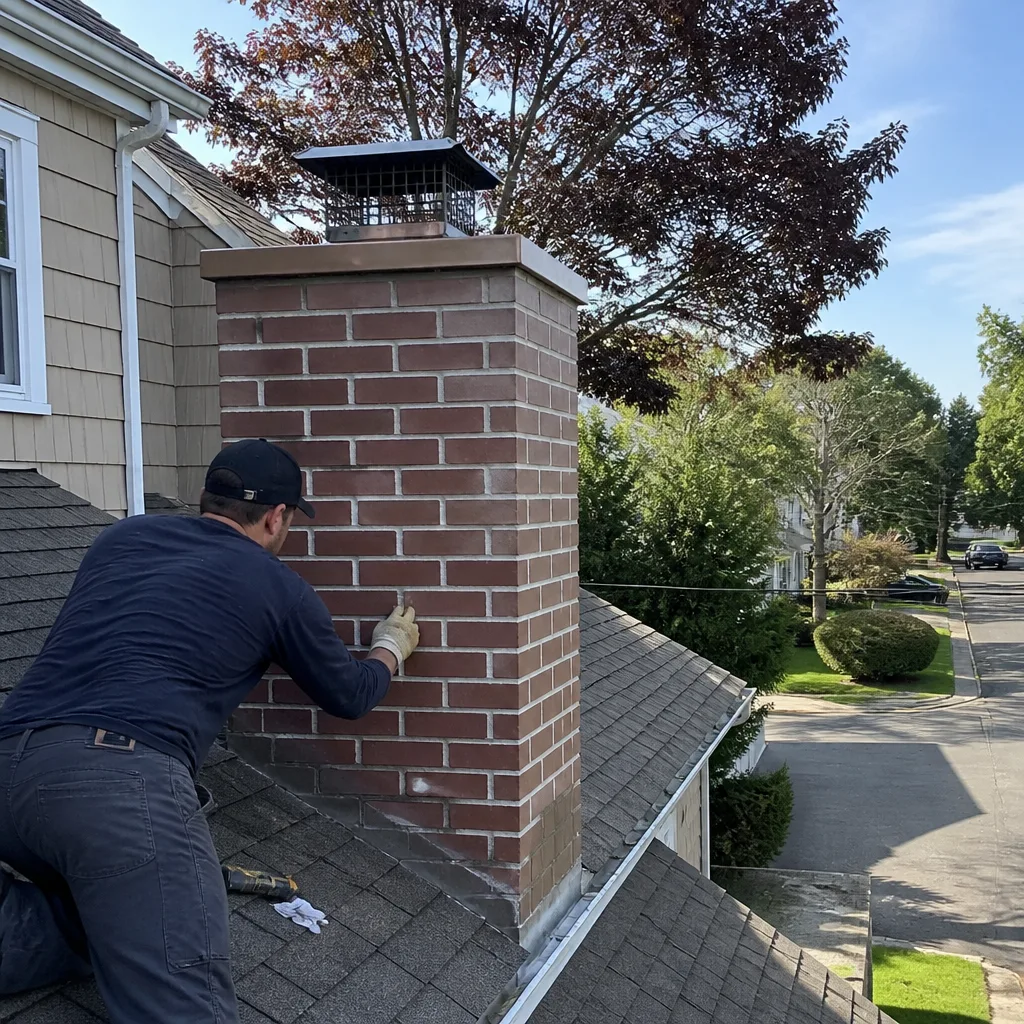
This is the season that matters most for masonry in New York. All winter, water has been getting into small cracks and freezing, expanding by about nine percent each cycle, prying apart mortar joints and spalling brick faces. By March, that damage exists, even if you cannot see it from your driveway. What you can see from the ground: white chalky deposits called efflorescence on the exterior brick, which means water is moving through the masonry and carrying salts to the surface. That is not cosmetic, it is evidence of a moisture problem behind it. Also look for pieces of brick or mortar on the roof or in the gutter. A spalled brick face means the protective outer shell of the brick is gone, and the softer interior will now erode quickly. Book a post-winter inspection early in spring, before rain makes things worse. This is exactly the moment our Chimney Inspection in New York service does its most valuable work, because catching spalling in March means a few hundred dollars of tuckpointing instead of a full rebuild in two years.
Summer (June through August): Birds, Rain, and the Best Time to Sweep
Birds nest in New York chimneys. Chimney swifts are protected by federal law, and they like the inside of an uncapped flue because it mimics the hollow trees they evolved in. If you hear chirping coming from the fireplace in May or June, do not light a fire and do not try to remove the nest yourself. Swifts are protected under the Migratory Bird Treaty Act, and their nesting season runs roughly May through August. The practical move is to wait, then have the flue swept and a proper cap installed with an animal guard. August rain is another New York reality. Late-summer storms can dump two inches of rain in an afternoon, and if your chimney crown is cracked or your flashing has pulled away, that water gets into the masonry and waits for November’s first hard freeze. A summer inspection, when roof conditions are safe and dry, catches these problems before they become winter headaches.
Fall (September through November): The Honest Pre-Season Check
Early fall is when people start thinking about the fireplace again, and a basic visual check is free. With a bright flashlight, look up past the damper. If you see a quarter-inch of shiny black or puffy brown creosote anywhere, get a sweep before the first fire. If the flue looks clean but you hear loose debris rattling when you tap the wall, or you smell a damp, musty odor coming from the firebox, something has gotten in or water is getting in, and both warrant attention. The honest truth, and this is something we tell customers every year, is that not every New York chimney needs an October sweep. If you burned half a cord last year and the previous sweep was eighteen months ago, a Level 1 inspection might be all you need. If the last sweep was three years ago and you burned oak every weekend from December through March, do not light the first fire of the season until someone has looked inside.
How Often Should You Actually Clean Your Chimney?
The most common advice in the chimney business is to clean every fall, full stop. That advice made sense when every house burned wood as a primary heat source and every flue ran hot every day. That is not how most New York homes operate today. Many fireplaces are aesthetic, used on weekends and holidays. Many homes have oil or gas furnaces that vent through the same chimney. The cleaning schedule that makes sense for each depends on what you burn and how much of it.
The CSIA Formula, Explained Plainly
The Chimney Safety Institute of America (CSIA) standard says a flue should be swept when it has one-eighth of an inch of creosote buildup, and the practical way to estimate how quickly you reach that threshold is to look at your annual wood consumption. The rule of thumb: burn one to two cords per year, sweep annually. Burn less than one cord, and every two years is usually acceptable, with a camera inspection at the two-year mark to confirm. Burn three or more cords, and you may need a mid-season sweep in January, because low-temperature smoldering fires produce creosote quickly and heavy use compounds it fast. The actual flue dimensions matter too. A 7-inch round liner in a small stove will accumulate creosote faster than a 12×12 clay tile flue on an open fireplace, because the smoke hangs around longer in a narrower passage.
What You Burn Changes the Math
- Seasoned hardwoods (oak, maple, hickory): produce less creosote per cord than softwoods. Burn these and your annual maintenance horizon is more forgiving.
- Unseasoned wood (20% moisture content or higher): creates exactly the low-temperature, smoldering conditions that glue creosote to flue walls. If this is your fuel, sweep annually regardless of volume.
- Pressed logs and manufactured firelogs: burn hotter and cleaner than cordwood, but the wax binders in some brands leave a fine, powdery residue that can restrict airflow over time. Treat these as equivalent to half a cord of hardwood.
- Oil or gas venting through the same flue: produces a different contaminant, sulfurous soot that is acidic and corrosive. Annual inspection is non-negotiable here, even if you never burn wood.
If you are not sure, the honest answer is to have a Chimney Sweep in New York evaluate your usage pattern the first time, then set a recurring schedule based on what the first inspection actually shows. You should not pay for annual service on a fireplace you used four times. The flue does not care what month it is, it only cares how much fuel has gone through it.
Fuel Type and Usage Table
- Less than 1 cord per year (mostly ambience fires): sweep every 2 years, with a camera inspection at each visit
- 1-2 cords per year (regular weekend burning): sweep annually, ideally in late summer before fall demand
- 3+ cords per year (primary heat source): sweep annually, plus a mid-season check in January
- Unseasoned wood, any volume: sweep annually, and reconsider your wood source
- Oil or gas only, no wood: annual inspection for soot and venting, sweep every 2-3 years as indicated
Summer: The Underrated Maintenance Window
Nobody in New York is thinking about their chimney in July, and that is precisely why July is the best month to have work done. The seasons create a perverse incentive structure: everyone calls in September and October, prices are highest, schedules are tight, and any repair that gets flagged in October has to be completed in November, when the weather is turning and the crew is racing to finish before the first freeze. Nobody wins in that scenario except the company collecting peak-season rates for rushed work.
Why June and July Make Sense
- Lower demand pricing: chimney companies are not busy in summer, and many offer lower sweep rates or bundle inspection with sweep at a discount. You get the same work at a better number.
- Time to complete repairs: if the summer inspection finds a cracked crown or a deteriorating flue liner, you have months of good weather to schedule the repair, get materials, and let mortar and sealants cure properly before the furnace kicks on.
- Nesting season ends: by late July, chimney swifts have fledged and left, which means removal and cap installation can happen legally and effectively.
- Roof access is safer: dry, warm roofs are easier and safer to work on than icy ones, and flashing work done in summer is done under optimal conditions.
In our experience, homeowners who book a sweep and inspection in June or July get the full attention of the technician, a more thorough job, and time to absorb the report without a cold night bearing down on them. If the report says the liner needs attention, they can get three quotes. If it says the chimney is in great shape and just needed a cleaning, they saved themselves the October scramble entirely. That is the smart way to do this, and the reason we tell every New York customer who asks about timing that the calendar answer is less important than the condition of the flue, but if you want the best conditions, aim for summer.
What to Check Before Lighting a Dormant Flue
Mild winters happen in New York. A stretch of warm Decembers and rainy Januaries means fireplaces across the Five Boroughs sit unused for months. That dormancy creates its own set of problems, and the first fire of the next season is where they announce themselves.
The Pre-Light Checklist
- Shine a light up from the firebox. Look for bird nests, squirrel nests, raccoon debris, or anything else that found its way in through a missing or damaged cap. If you see nesting material, do not light the fire. Burning it can ignite a chimney fire or force smoke into the house.
- Open the damper fully and check its operation. A damper that has been closed for six months can stick, and a damper plate that does not open fully will restrict draft and smoke up the living room on the first fire.
- Run your hand along the firebox walls. Look for crumbling mortar joints or separated firebrick. A dormant firebox that got wet over the winter will dry with loosened masonry, and that needs to be addressed before you build a fire against it.
- Smell the flue. A musty, damp odor means water intrusion. A sharp, oily smell means creosote is present and possibly thick. A smell of decay means something died in there. All three warrant a professional look.
- Check the exterior from the ground. Look for missing bricks on the chimney above the roofline, a displaced cap, or a cap that is missing entirely. These are the entry points for animals and water.
If the flue was clean when you stopped burning and the pre-light checklist comes up fine, the first small fire of the season is enough to confirm draft and burn off any minor condensation odors. Start small, no more than a few sheets of newspaper and a couple of small logs, and watch how the smoke moves. If it draws cleanly and the smell dissipates, you are good. If the smoke hangs in the firebox or wafts into the room, close the damper and have a professional look before you try again. Carbon monoxide is invisible and symptom-onset is silent, and we would rather run a Level 2 camera inspection on a dormant flue any day than read about someone who lit a fire in a chimney that turned out to be blocked.
How New York’s Freeze-Thaw Cycle Damages Your Chimney
No part of a home takes weather the way a chimney does. It is the tallest thing on the structure, fully exposed on all sides, and it is made of masonry that absorbs water like a sponge. New York’s climate is uniquely hard on this: we get snow that melts into the brickwork on warm winter days, then refreezes at night when temperatures drop. Water expands about nine percent when it freezes. Multiply that by twenty or thirty freeze-thaw cycles in a single New York winter, and you begin to understand why chimneys start falling apart after about fifteen to twenty years of exposure.
The Damage, Explained
- Spalling: when moisture inside the brick freezes, it expands and pops the outer face of the brick off. You will see brick chips in the gutter or on the ground around the chimney, and the chimney face will start looking pitted or flaking. Spalled brick cannot be glued back on; the affected bricks have to be replaced.
- Mortar joint failure: the same freeze-thaw cycle works on the mortar between bricks, leaching the cementitious binder out and leaving a sandy, crumbling powder in the joints. When enough joints fail, water gets deeper into the structure and the cycle accelerates.
- Crown cracking: the concrete cap at the very top of the chimney is supposed to shed water away from the flue, but when it was poured improperly, without a proper overhang or expansion joint, it starts cracking within a few years. A cracked crown lets water run directly down the outside of the flue tiles and into the smoke chamber, which is exactly where you do not want it.
- Flue liner damage: when water gets inside the flue and the dissolved creosote and soot combine, the resulting mixture is acidic. Over time, it eats through the mortar joints between clay flue tiles, opening gaps where heat and gases can escape into the chimney chase or the house.
None of this is visible from the ground in early stages. By the time you can see spalling or missing mortar from your driveway, the damage has been working for years. That is why a post-winter exterior check matters as much as the interior cleaning, and why a Chimney Inspection in New York includes both. We use a camera to see what the flue looks like from inside and inspect the exterior at roof level to catch crown cracks and flashing failures before they become rebuilds. In New York, the spring inspection is the single highest-value maintenance item on your chimney, because it is the only time you can catch freeze-thaw damage before summer rain makes it worse and next winter’s cold makes it catastrophic.
What a Homeowner Can Safely Check (and What to Leave Alone)
There is a real difference between what a homeowner can inspect and what requires professional attention, and it is worth being precise about that line. The dangerous parts of a chimney are the interior flue, the crown, the roof flashing, and any repair that involves removing or replacing flue tiles or liner systems. Those involve working at height or inside the flue passage, and the risks of getting it wrong include chimney fires, carbon monoxide poisoning, and structural damage to the home. Leave those to a trained technician.
Safe DIY Checks, Step by Step
- The flashlight check from the firebox. With the damper open and a strong flashlight, look up as far as you can see. You are looking for creosote buildup, nesting debris, or a blocked passage. You cannot see the whole flue this way, but a visible quarter-inch of creosote in the lower flue is enough to warrant a professional sweep.
- The ground-level exterior walkaround. Look at the chimney from all four sides with binoculars if you have them. Look for missing mortar joints, flaking brick faces, a leaning chimney, a cracked or displaced cap, or rust streaks on the roof around the chimney base. Rust streaks mean the flashing has failed and water is getting in.
- The firebox inspection. Look at the back wall of the fireplace, especially around the damper and the lintel bar above the opening. Cracks, gaps, or loose firebrick are indicators of heat damage or water intrusion and should be evaluated.
- The smell test. On a rainy day, sit near the fireplace and breathe. A damp, musty, or acrid smell that gets stronger during or right after rain is a reliable indicator of water getting into the flue or the chimney chase.
- The draft test. On a calm day, open the damper and hold a piece of lit incense or a lighter flame at the top of the firebox opening. The smoke and flame should lean visibly into the flue. If they stay vertical or waver outward, you may have a drafting problem that requires professional diagnosis.
Anything beyond these checks, any question about whether what you are seeing is a problem, any weird noise from the chimney, any water stain on the ceiling or wall near the fireplace, any smell of smoke or gas in the home, those all warrant a call. Phones are answered by a live person 24 hours a day, 7 days a week at Ashby Chimney New York home base, and Nathan Corliss would rather answer a question that turns out to be nothing than have someone wait until a small problem is an expensive one.
Common Mistakes to Avoid
- Scheduling every year out of habit, even when usage has dropped. If you burned a single bundle of firewood last season and the flue was clean a year ago, you are paying for a service you do not need. Track your usage and let that drive the schedule.
- Waiting until September or October to call. This is when every chimney company in New York is booked solid, prices are at their peak, and if a repair is needed, you are racing the first freeze. Summer scheduling is better in every measurable way.
- Ignoring a mild winter’s effect on the chimney. A warm winter does not mean the chimney got a break. The freeze-thaw cycles continued, and the masonry was exposed to a different mix of rain, humidity, and temperature swings. The post-winter inspection still matters.
- Burning unseasoned wood because it was cheaper or available. This one decision doubles or triples your creosote production and turns an otherwise safe fireplace into a fire hazard. If you have to use unseasoned wood, sweep more often and have a camera inspection at least annually.
- Assuming a chimney cap is optional. In New York, a missing or damaged cap means birds nesting in the flue, rain driving directly into the chimney, and animals of various sizes finding their way inside. A proper cap with an animal guard is cheap insurance and should be installed on every active flue.
- Not knowing where your damper is or whether it works. A damper that does not open fully means smoke in the living room, and a damper that does not close fully means heat loss and downdrafts all winter. Check its operation every fall.
- Skipping the exterior inspection because the interior got cleaned. The two are different checks, and a clean flue with a cracked crown is still a chimney in need of work. When we do a Chimney Sweep in New York, the exterior assessment at roof level is part of the same visit because we are already up there.
When to Call a Professional
Call when you see a quarter-inch or more of creosote anywhere in the flue or firebox, when you hear chirping or animal sounds from the chimney, when you smell dampness or decay, when water stains appear on walls or ceilings near the fireplace, when the chimney exterior shows flaking brick or crumbling mortar, when smoke backs up into the room during a fire, or when the fireplace has not been used or inspected in more than two years. Any one of those is enough reason to have someone look. Ashby Chimney New York offers free estimates in New York, and every job gets a written price before any work starts, plus a written guarantee on completion. Call (315) 644-2982 and you will get a live person on the line, not a voicemail tree.
Frequently Asked Questions
Most chimney sweeps in New York run between $180 and $340 for a standard open fireplace cleaning, depending on the level of creosote buildup and the flue height, as outlined in our Chimney Cleaning Cost Breakdown: The New York Homeowner’s Reference for 2026. Stove and insert cleanings fall in the same range. The price goes higher if the flue is heavily glazed with creosote, if there is nesting material to remove, or if the chimney is unusually tall or difficult to access. Every job at Ashby Chimney New York receives a written price before work begins, so the number on the invoice matches the quote at the door. Call (315) 644-2982 for an exact quote, and the estimate is free.
The honest answer depends on your fuel type and burn volume, not on a calendar. Burn one to two cords of seasoned hardwood per year and you should sweep annually. Burn less than one cord and every two years is usually sufficient, with a camera inspection to confirm. Burn unseasoned wood or three-plus cords and you may need an annual sweep plus a mid-season check. The CSIA standard is to sweep when creosote reaches one-eighth of an inch, and the only way to know that is to have the flue checked.
Only if the camera inspection shows damage that cannot be repaired, and at Ashby Chimney New York, that is the standard we hold ourselves to. A clay liner with cracked joints can sometimes be repaired by sealing the flue with HeatShield, a ceramic sealant that restores the flue passage without a full stainless reline. When a stainless liner is genuinely needed, we install DuraFlex and Copperfield systems that are rated for the appliance and fuel type. Every repair gets a written guarantee, and if a covered repair fails inside the guarantee period, we come back at no charge. The Kingswell Guarantee covers this repair for the full period, and if it fails, we return at no charge. You will always see the camera footage before any liner decision is made.
In the best case, you get reduced draft, smoky fires, and an odor that gets worse in humid weather. In the worst case, creosote buildup ignites and you have a chimney fire, which can crack flue tiles, melt the mortar joints, and transfer extreme heat to the combustible framing around the chimney. That is how chimney fires turn into house fires. Carbon monoxide is the other risk: a blocked or partially blocked flue sends combustion gases into the living space instead of up and out. Neither outcome is worth saving $250. Call (315) 644-2982 and get the flue evaluated before you light another fire.
It is better. A summer sweep gets the flue clean while demand is low, gives you time to complete any recommended repairs, and means the chimney is ready the day you want the first fall fire. Fall cleanings are fine, but they are more expensive, harder to schedule, and if a repair comes up, you are waiting through the peak season. If you are thinking about a chimney cleaning in New York, schedule it for June or July and let October take care of itself.
No, and for a reason most homeowners never consider: milder winters in New York mean more freeze-thaw cycles, not fewer. Water gets into the masonry during warm days, freezes at night, and the alternating expansion and contraction does steady damage all season long. A winter with heavy snow that stays frozen is actually less damaging than a winter that hovers around the freezing point. The post-winter exterior check is about what the weather did to the masonry, not how many fires you burned.
The Bottom Line
Your chimney does not care what month it is, it cares what has gone through it and what the New York weather has done to it. Burn more than two cords a year and you need an annual sweep. Burn less and you can likely go two years, with a camera inspection to prove it. The smart New York homeowner schedules work for summer, checks the exterior after winter, and trusts the camera over the calendar, and you can find more guides & resources on our blog. When you are ready to have someone look, Ashby Chimney New York has been doing this since 2002, and every job gets a written price before work starts, a written guarantee when it is done, and a live person on the phone at (315) 644-2982 whenever you call.
Written by Nathan Corliss, Owner at Ashby Chimney New York, serving New York since 2002.
See the difference
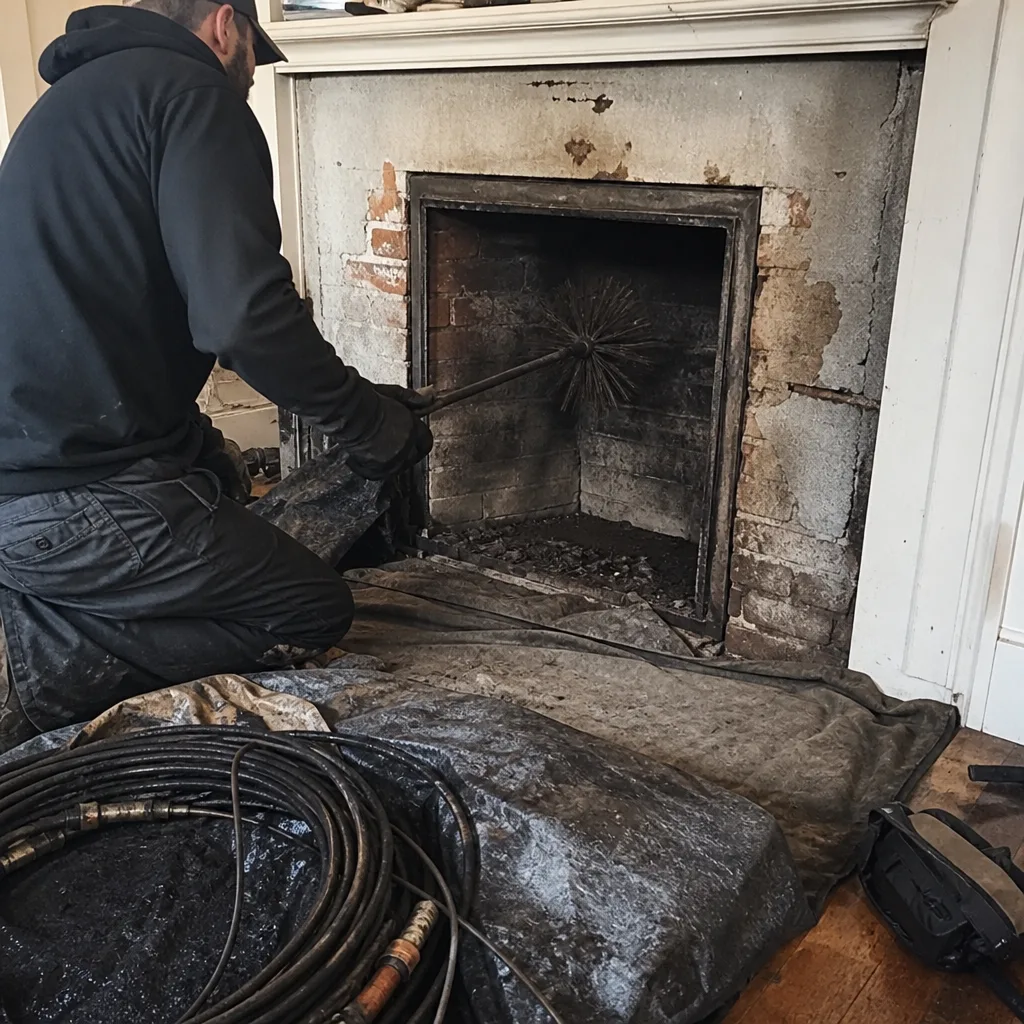 Before
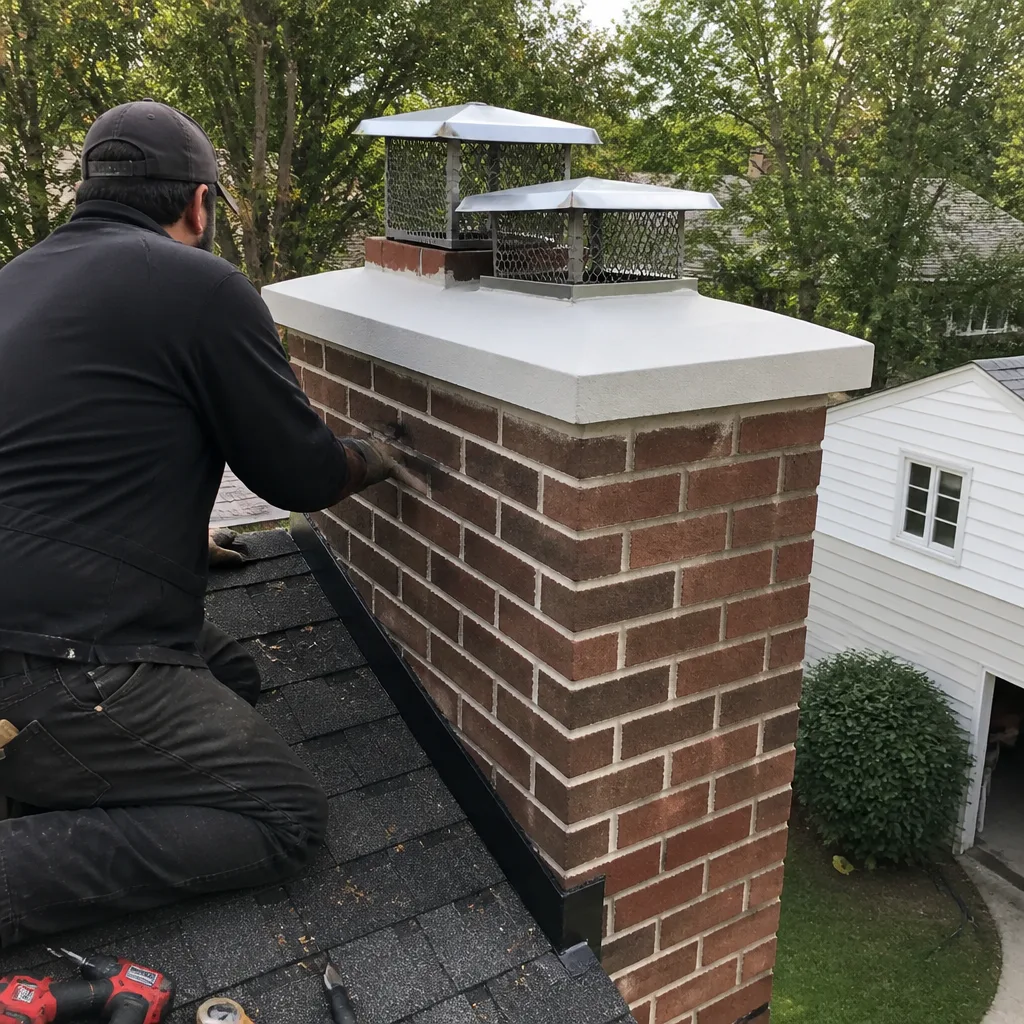 After
After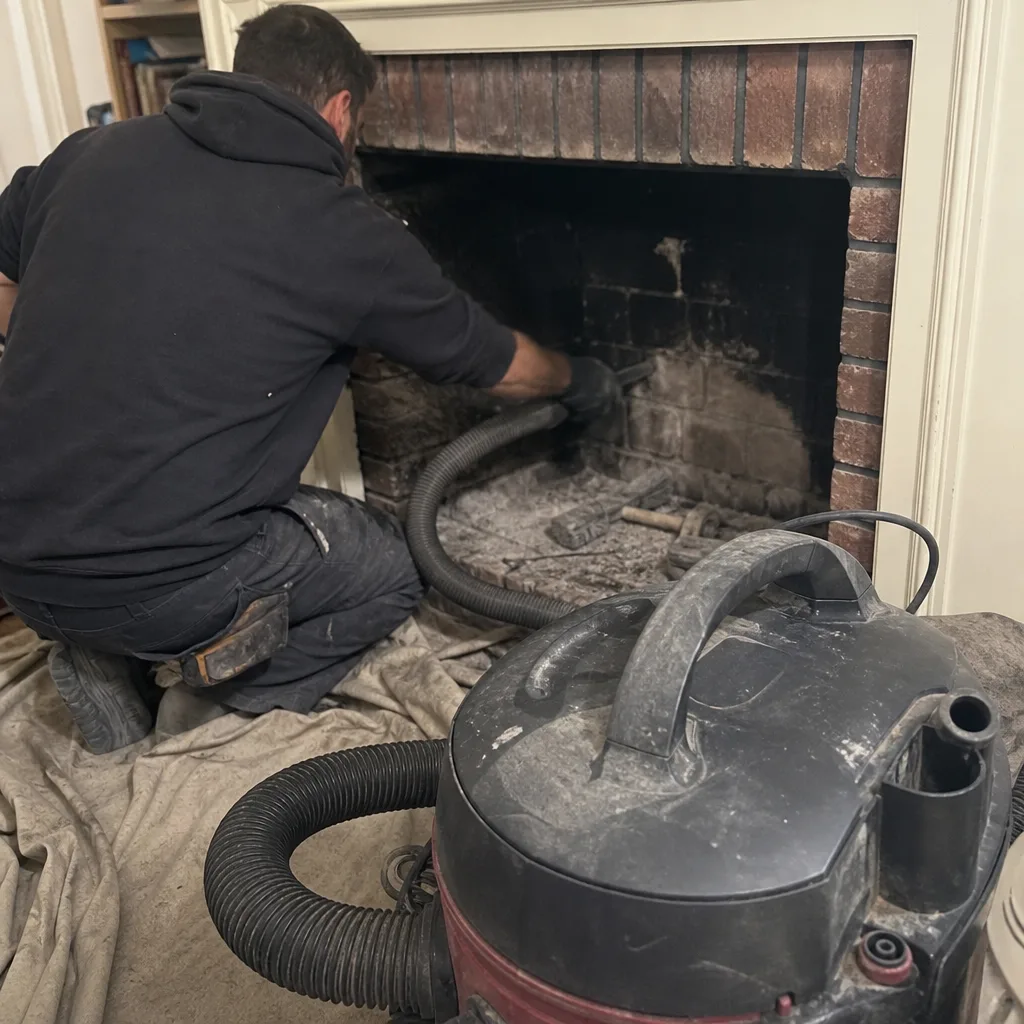 Before
 After
After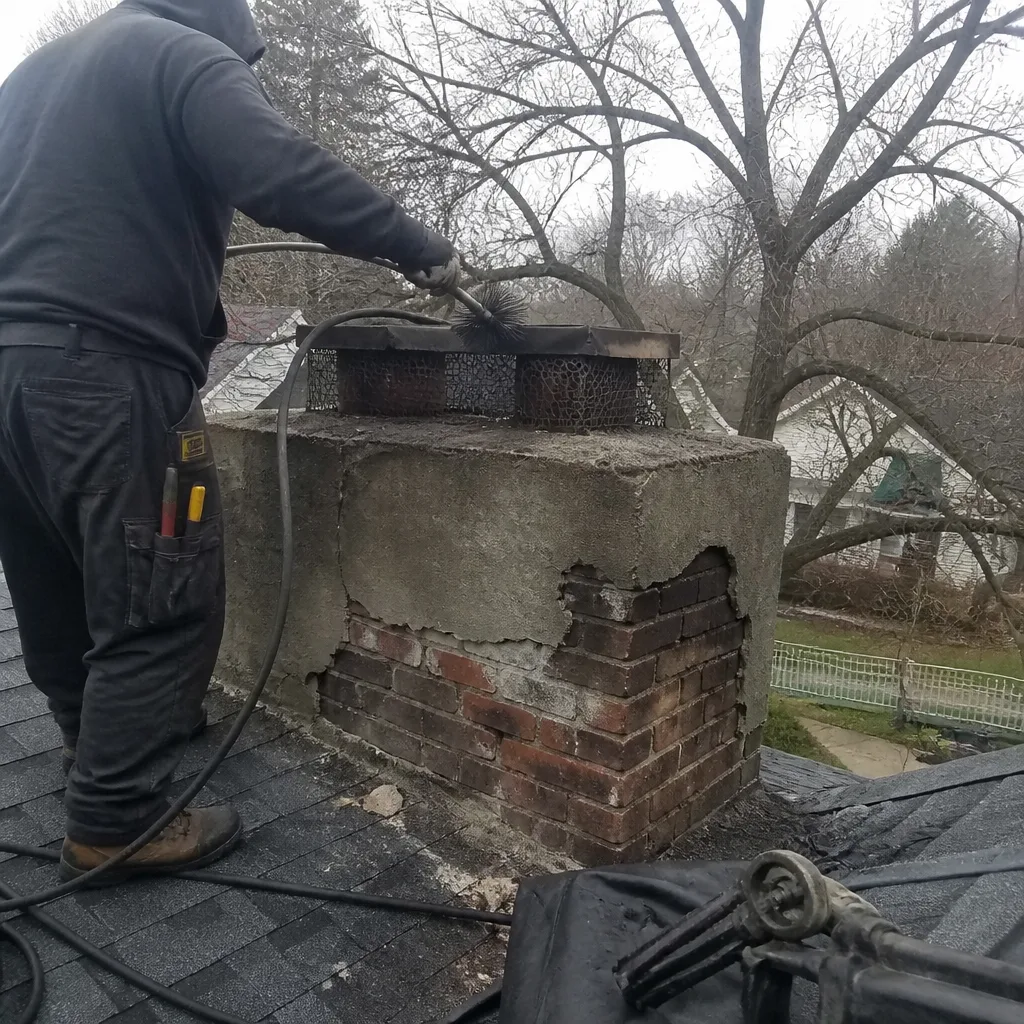 Before
 After
After